Chemical Industry Heat Exchanger: Selection, Materials, and Maintenance
Choosing the right heat exchanger for chemical service comes down to three practical questions: what fluid are you handling, what material will survive it, and how will you keep it clean? This guide walks through selection logic, material trade-offs, and maintenance realities for chemical plant engineers.
Chemical processes rarely behave like the clean water used in lab tests. You might be cooling a viscous polymer, heating a chloride-rich stream, or recovering heat from a slurry that wants to plug every narrow channel it touches. The equipment has to match the fluid, not the other way around.
Selection: Start With the Fluid, Not the Datasheet
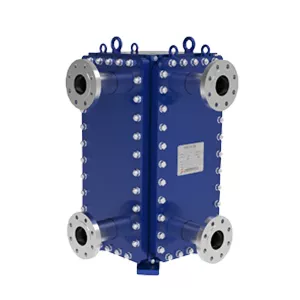
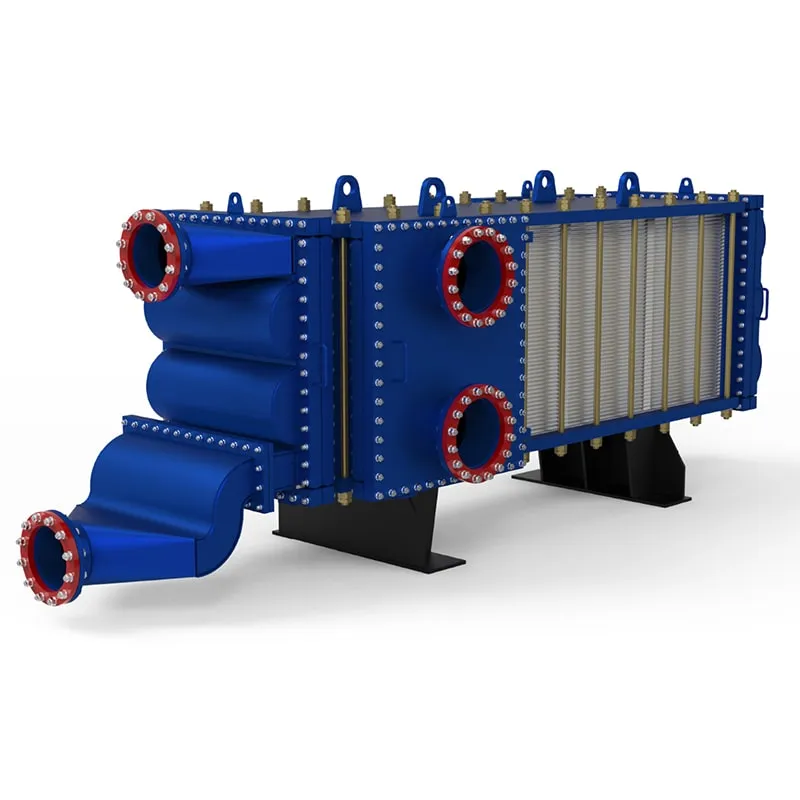
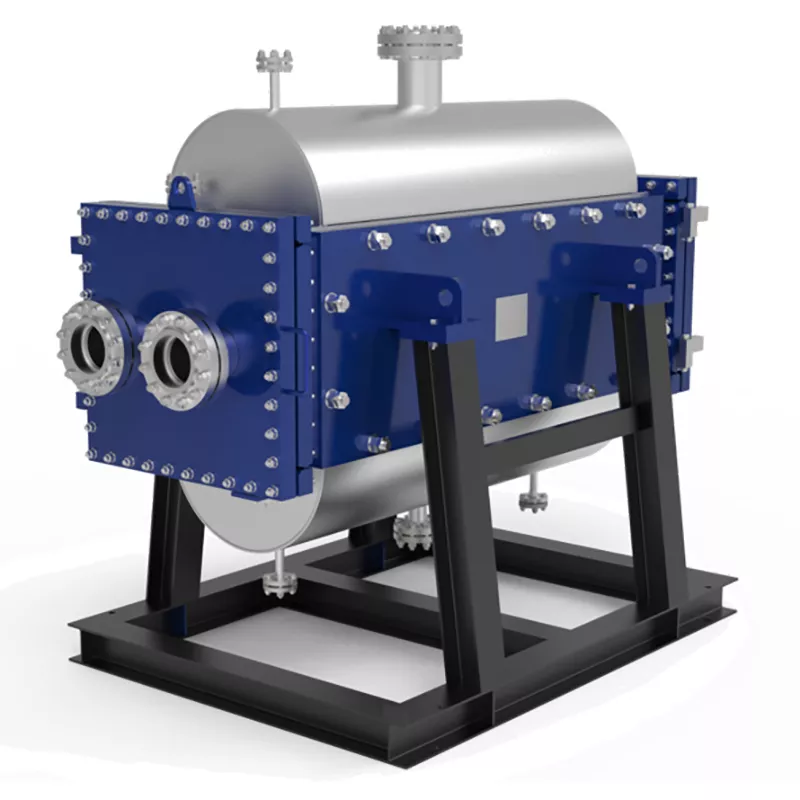
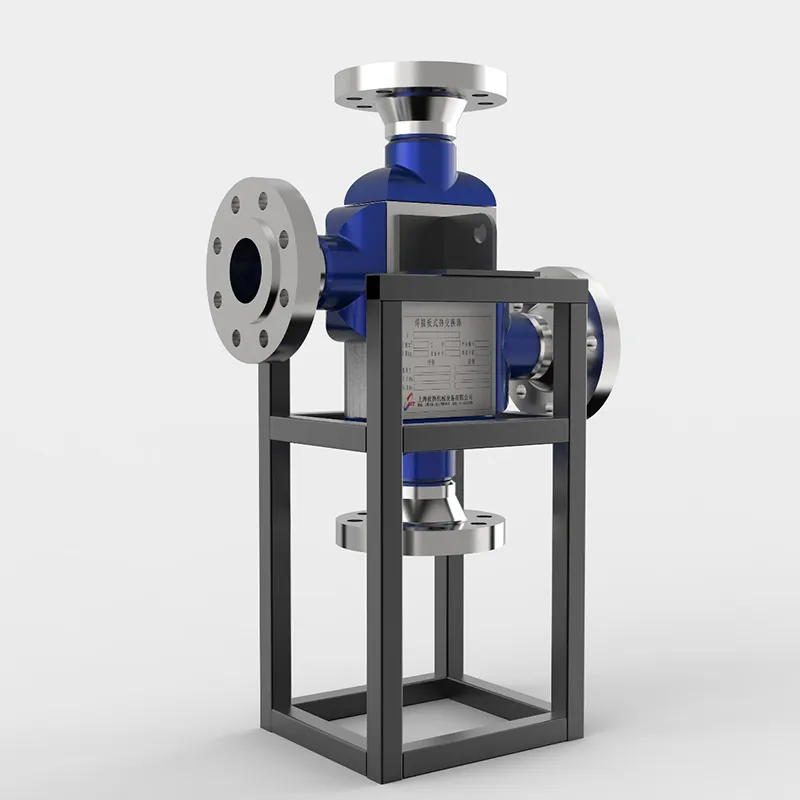
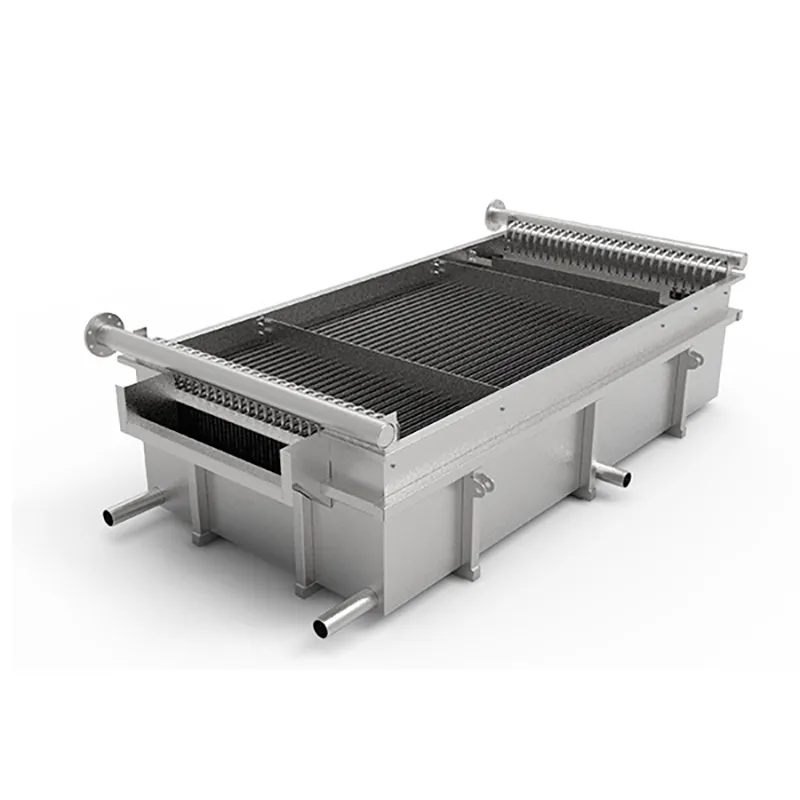
The first decision is usually between gasketed, welded, and semi-welded designs. Gasketed plate heat exchangers offer high efficiency and are easy to open for cleaning, which suits clean or mildly fouling chemical streams. When the fluid is aggressive, toxic, or prone to causing gasket swelling, a welded unit removes the elastomer from the equation entirely. For particle-laden slurries, high-viscosity syrups, or fiber-rich pulp, a TP welded plate heat exchanger with custom channel geometries handles fouling and blockage threats that would choke a conventional gasketed unit.
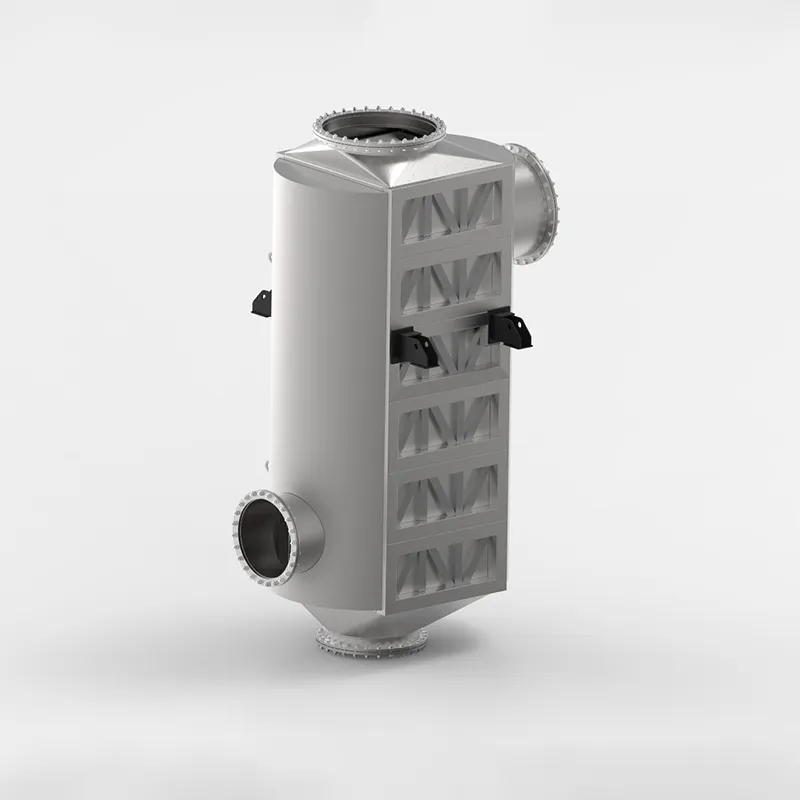
Space and temperature extremes also push the selection. When you are working within tight plot constraints or dealing with high-temperature media, a compact welded block design can deliver the duty without the footprint of a shell-and-tube alternative.
Materials: Match the Metallurgy to the Chemistry
Material selection is where most chemical heat exchanger problems are either prevented or created. 304 stainless works for benign, low-chloride streams. 316L adds molybdenum for better resistance to chlorides and dilute acids, making it the workhorse for many chemical duties. Titanium excels in seawater and chloride-rich environments but struggles with certain dry chlorine or methanol service. 254 SMO handles high-chloride and acidic conditions where 316L would pit. Hastelloy is the choice for the toughest acids and mixed aggressive chemistries, at a corresponding cost premium.
The practical rule: identify the worst-case chemistry, including trace chlorides and temperature spikes, then select one grade above what you think you need. Corrosion rarely fails at design conditions; it fails at the upset.
Maintenance: Design for Cleaning Before You Install
Maintenance planning starts at the selection stage. Gasketed units can be opened, inspected, and mechanically cleaned plate by plate. Welded and semi-welded designs rely more on chemical cleaning, so integrated CIP (Cleaning-in-Place) provisions matter. If your process fluid forms scale or polymer deposits, specify a unit with cleaning access that matches your actual maintenance resources, not the ideal case.
For day-to-day operation, monitor pressure drop across the exchanger. A rising differential signals fouling before it becomes a production bottleneck. Keep spare gaskets or plates on hand for critical services, and document cleaning cycles so you can spot trends rather than react to failures.
Putting It Together
A chemical heat exchanger that lasts is not the cheapest one on the quote sheet. It is the one whose channel geometry, metallurgy, and cleaning strategy all point at the same fluid reality. Get those three aligned, and the maintenance conversation shifts from emergency repairs to planned upkeep.

 English EN





User Comments
Service Experience Sharing from Real Customers
Mike
Plant Operations ManagerWe swapped out two old shell-and-tube units for these on our sulfuric acid line last spring. Honestly didn't expect such a smooth install — flanges lined up perfectly, no rework needed. Six months in, zero fouling issues so far, which is saying something given what we run through them. My maintenance crew actually thanked me, and that never happens.
Priya
Process EngineerBeen specifying heat exchangers for about three years now, and these are among the better ones I've worked with. Thermal performance matched the datasheet within 5%, which is rare in my experience. Only knocking off a star because lead times were a bit longer than quoted, but the quality made up for the wait. Would spec again for our polymer cooling loops.
Tom
Maintenance SupervisorTwenty-two years in chemical plants and I've seen my share of exchangers that looked great on paper and fell apart in the field. These things are built solid. Gaskets sealed right the first time, tubes are thick-walled, and disassembly for cleaning is straightforward. We run a pretty corrosive process and they're holding up better than the brand we used before. Good kit.
Rachel
Procurement SpecialistI handle purchasing for three of our plant sites, so I deal with a lot of vendors. These came recommended by our engineering team and I can see why. Pricing was competitive, documentation was complete, and the rep actually knew the technical specs instead of just reading off a sheet. Delivery slipped by a week but they gave us a heads up early, which I appreciate. Solid overall.