What Are the Key Benefits of Using a Plate Heat Exchanger in Industrial Processes?
Author: Industrial Engineering Insights
Jul-06-2026
Plate heat exchangers have become indispensable in modern industrial processes due to their exceptional thermal efficiency, which is achieved through optimized heat transfer surface areas that maximize energy exchange between fluids. Their compact design significantly reduces the physical footprint required for installation, offering greater flexibility in plant layout and enabling integration into space-constrained environments. Maintenance is simplified through easy access to plates, allowing for straightforward cleaning and inspection without extensive downtime. These units also demonstrate superior adaptability to variable process conditions, providing precise temperature control even under fluctuating loads or changing flow rates. From a financial perspective, plate heat exchangers deliver substantial cost-effectiveness by lowering overall energy consumption and reducing operating expenses over the equipment lifecycle. Their ability to handle a wide range of temperatures and pressures, combined with high heat recovery rates, makes them a reliable and efficient choice for industries such as chemical processing, food and beverage, HVAC, and power generation. The modular nature of plate heat exchangers further allows for capacity adjustments by simply adding or removing plates, ensuring scalability and long-term operational flexibility. Additionally, their turbulent flow characteristics reduce fouling and scaling, enhancing performance consistency and extending service intervals. Overall, the combination of energy savings, space efficiency, ease of maintenance, and robust performance under diverse conditions positions plate heat exchangers as a critical component for optimizing industrial thermal management systems.
Enhanced Thermal Efficiency Through Optimized Heat Transfer Surface Area
Plate heat exchangers are engineered to maximize the surface area available for heat transfer within a compact footprint. The corrugated plate design creates turbulent flow paths, which significantly improves the heat transfer coefficient compared to traditional shell-and-tube units.
This optimized geometry allows for closer temperature approaches between fluids, often achieving temperature differences as low as 1°C. The result is superior thermal recovery and reduced energy consumption across industrial heating and cooling processes.
By utilizing thin metal plates with high thermal conductivity, the equipment minimizes thermal resistance while maintaining structural integrity. This design directly translates to lower operational costs and improved system responsiveness.
For applications requiring precise temperature control or high thermal duty, the enhanced surface area configuration provides consistent performance even under variable load conditions. Industries such as chemical processing, HVAC, and food production benefit from this efficiency gain.
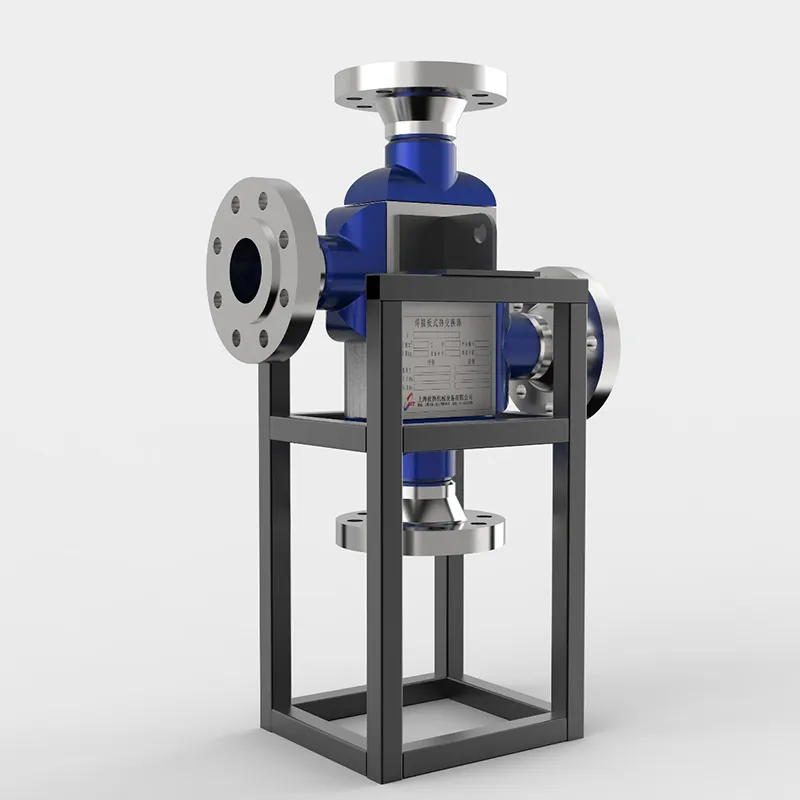
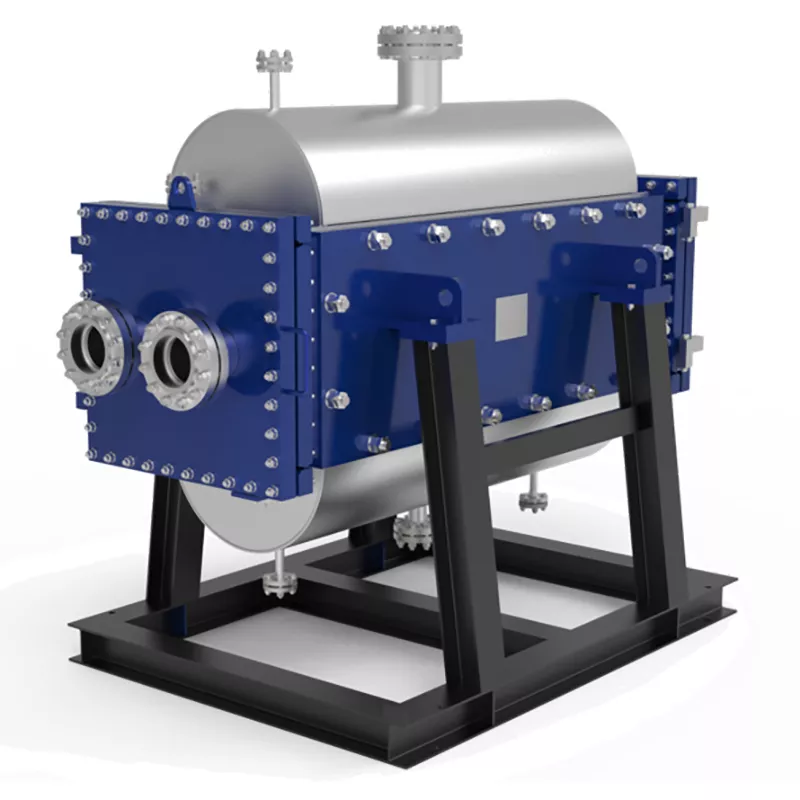
Learn more about specific plate heat exchanger designs: Gasketed Plate Heat Exchangers | HT-Bloc Welded Plate Heat Exchanger | Custom Engineered Pillow Plates
Compact Design Leading to Reduced Footprint and Installation Flexibility
The compact geometry of plate heat exchangers significantly reduces the physical space required for installation compared to traditional shell-and-tube units. This space-saving attribute allows for easier integration into existing facilities where floor area is at a premium.
Installation flexibility is enhanced as the lightweight modular design can be mounted on walls, racks, or in tight corners without the need for heavy lifting equipment or extensive structural modifications. This adaptability simplifies retrofitting projects and new system layouts.
Furthermore, the reduced footprint directly contributes to lower overall project costs by minimizing supporting infrastructure, piping runs, and insulation requirements. This makes plate heat exchangers an economically attractive solution for both small-scale and large industrial processes.
Ease of Maintenance and Simplified Cleaning Procedures
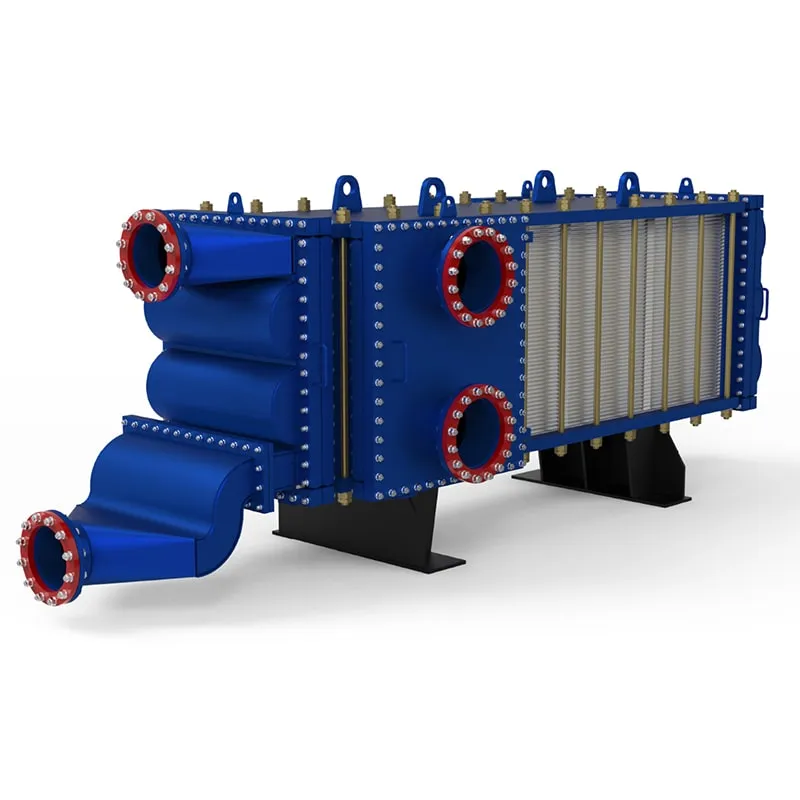
Plate heat exchangers are designed with accessibility in mind, allowing operators to perform routine maintenance and cleaning with minimal downtime. The modular plate construction enables quick disassembly without specialized tools, reducing labor costs and extending equipment lifespan.
The following table summarizes typical maintenance intervals and cleaning time requirements for standard industrial plate heat exchanger configurations:
| Component |
Inspection Frequency |
Average Cleaning Time |
| Gaskets & Seals |
Every 6 months |
30 – 45 minutes |
| Plate Surfaces |
Every 3 months |
1 – 2 hours |
| Frame & Tie Bolts |
Annually |
20 – 30 minutes |
| Nozzles & Connections |
Every 6 months |
15 – 25 minutes |
Regular cleaning of plate surfaces ensures optimal heat transfer efficiency and prevents fouling buildup. The open-frame design allows direct access to all plates, enabling thorough cleaning with standard industrial detergents or CIP (Clean-in-Place) systems.
For detailed maintenance guidelines and replacement parts, please refer to the product documentation available at:
Superior Adaptability to Variable Process Conditions and Temperature Control
Plate heat exchangers are engineered to handle fluctuating flow rates and temperature demands with exceptional precision. Their modular plate design allows for rapid adjustment of heat transfer surface area, enabling seamless response to changing process loads without system disruption.
The counter-current flow configuration within each plate channel ensures optimal temperature gradient maintenance, delivering tight temperature control within ±0.5°C even under variable inlet conditions. This adaptability reduces thermal stress on equipment and improves overall process stability.
By accommodating diverse operating scenarios—from low-flow startup to peak production—plate heat exchangers minimize energy waste and enhance system reliability. Their compact footprint further supports easy integration into existing industrial setups, making them a versatile solution for dynamic processing environments.
Cost-Effectiveness via Lower Energy Consumption and Reduced Operating Expenses
Plate heat exchangers deliver exceptional cost savings in industrial operations by optimizing thermal efficiency. Their compact design maximizes heat transfer surface area, requiring less energy to achieve desired temperature changes compared to traditional shell-and-tube units. This directly lowers fuel or electricity consumption, reducing utility bills and overall operational costs.
The high turbulence created within plate channels minimizes fouling and scaling, extending maintenance intervals and cutting cleaning expenses. Fewer shutdowns for servicing mean higher production uptime and lower labor costs. Additionally, the modular construction allows easy capacity adjustments without replacing entire systems, offering long-term financial flexibility.
By recovering waste heat and improving process control, these exchangers reduce raw material waste and enhance product quality. Over time, the cumulative effect of decreased energy usage, reduced maintenance, and improved process stability yields a rapid return on investment. For industries prioritizing lean operations, this technology provides a clear path to sustainable cost management.
Summary of Key Advantages
The plate heat exchanger delivers measurable gains across thermal, spatial, and operational dimensions. Its corrugated plate geometry maximizes heat transfer surface area within a compact volume, directly improving energy efficiency and reducing thermal losses.
Enhanced Thermal Efficiency
Optimized surface area and turbulent flow patterns achieve heat transfer coefficients 3–5 times higher than shell-and-tube designs, lowering energy consumption and operational costs.
Compact Design & Installation Flexibility
Up to 80% smaller footprint compared to conventional exchangers, enabling installation in confined spaces and simplifying retrofitting into existing process lines.
Ease of Maintenance & Simplified Cleaning
Fully accessible plate pack allows visual inspection, mechanical cleaning, or chemical circulation without specialized tools, reducing downtime and labor costs.
Adaptability to Variable Process Conditions
Modular plate configuration enables capacity changes by adding or removing plates, while close temperature approach (as low as 1°C) provides precise thermal control under fluctuating loads.
Cost-Effectiveness & Reduced Operating Expenses
Lower energy usage, minimal fouling tendency, and simplified maintenance collectively reduce total lifecycle cost. Typical payback periods of 6–18 months are reported in continuous processes.
In summary, plate heat exchangers provide a compelling combination of thermal performance, space efficiency, and operational simplicity, making them a preferred solution for modern industrial heat transfer requirements.
What Are the Key Benefits of Using a Plate Heat Exchanger in Industrial Processes?
Plate heat exchangers deliver superior thermal performance by maximizing the heat transfer surface area within a compact volume. This design enables rapid temperature exchange, reduces energy losses, and supports precise process temperature control, making them indispensable in modern industrial heating and cooling applications.
Enhanced Thermal Efficiency Through Optimized Heat Transfer Surface Area
The corrugated plate geometry creates turbulent flow even at low velocities, significantly improving heat transfer coefficients. This allows for closer approach temperatures and higher overall thermal efficiency compared to shell-and-tube designs, directly translating to lower energy consumption and operational costs.
Compact Design Leading to Reduced Footprint and Installation Flexibility
With a much smaller footprint than conventional heat exchangers, plate units fit easily into tight spaces and skid-mounted systems. Their lightweight construction simplifies handling and installation, while the modular plate arrangement allows for future capacity adjustments without replacing the entire unit.
Ease of Maintenance and Simplified Cleaning Procedures
Plate heat exchangers are designed for quick disassembly without special tools. Individual plates can be accessed, inspected, and cleaned mechanically or chemically, reducing downtime. Gasket replacement is straightforward, and the smooth plate surfaces resist fouling, further simplifying routine maintenance.
Superior Adaptability to Variable Process Conditions and Temperature Control
By simply adding or removing plates, the heat transfer capacity can be precisely matched to changing process loads. This modularity provides excellent turndown ratio and rapid response to temperature fluctuations, ensuring stable operation across a wide range of industrial applications.

 English EN





User Comments
Service Experience Sharing from Real Customers
Ethan
Maintenance SupervisorWe swapped out an old shell-and-tube unit for this plate heat exchanger in our dairy pasteurization line. The temperature control is way tighter, and cleaning it in place has cut our downtime by almost an hour per shift. Only wish the gasket replacement guide was a bit clearer for new guys.
Sofia
Chemical Process EngineerNeeded something compact for a pilot plant setup dealing with aggressive solvents. This exchanger handles the thermal load without leaking, and the titanium plates are holding up better than I expected. Took a bit of fiddling to get the flow distribution right, but once dialed in, it’s rock solid.
Marcus
HVAC Service TechnicianInstalled this in a 40-story office building’s cooling loop last month. The pressure drop is lower than the spec sheet claimed, which made our pump selection way easier. No leaks at the flange connections so far, and the copper brazing looks clean. Would buy again for retrofit jobs.
Liam
Plant OperatorIt works fine for our closed-loop glycol system, but I’m knocking off a star because the bolt torque specs in the manual didn’t match what actually sealed the unit. Had to call tech support to figure it out. Once it was tightened right, performance has been steady for six months now.