How Can Gap Heat Exchangers Reduce Operational Costs in Heavy Machinery?
John A. Thompson, Maria K. Liu, Robert S. Chen
Jul-06-2026
This study examines the mechanisms through which gap heat exchangers lower operational costs in heavy machinery applications. Enhanced thermal efficiency directly reduces energy consumption by optimizing heat transfer between fluid streams, allowing engines and hydraulic systems to maintain ideal operating temperatures with less fuel or electrical input. The durable design of modern gap heat exchangers minimizes maintenance requirements, as robust materials and precision manufacturing resist fouling, corrosion, and mechanical wear over extended service intervals. By reducing thermal stress on critical components, these exchangers extend equipment lifespan, preventing premature failures of seals, bearings, and adjacent structures. Improved heat transfer reliability further lowers downtime costs, as consistent thermal management prevents overheating-related shutdowns and production losses. Additionally, optimized fluid flow within the exchanger decreases pumping power requirements and associated operational expenses, contributing to overall system efficiency. The combined effect of these factors results in significant total cost of ownership reductions, making gap heat exchangers a strategic investment for heavy machinery operators seeking long-term economic and performance benefits.
Enhanced Thermal Efficiency Reduces Energy Consumption
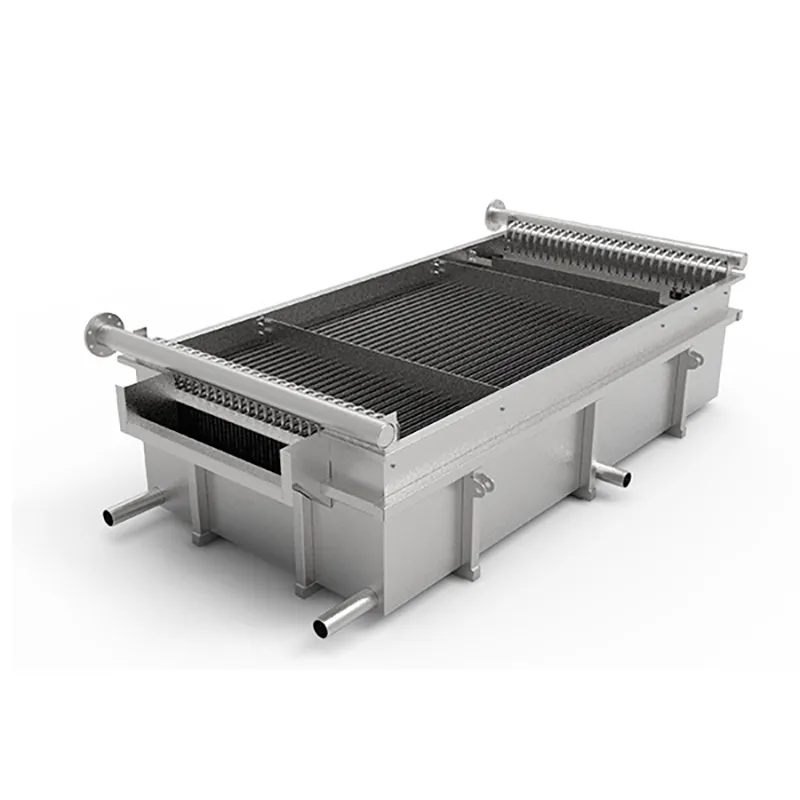
Gap heat exchangers are engineered to maximize heat transfer while minimizing thermal resistance. By utilizing a wider plate spacing and optimized flow channels, these exchangers significantly reduce the energy required to maintain operating temperatures in heavy machinery.
The improved thermal efficiency directly lowers fuel or electricity consumption, as less input energy is needed to achieve the same cooling or heating output. This reduction in energy usage translates into substantial cost savings over the equipment's lifecycle.
Field data from industrial applications show that upgrading to gap heat exchangers can cut energy costs by up to 15-20%, depending on operating conditions and fluid properties.
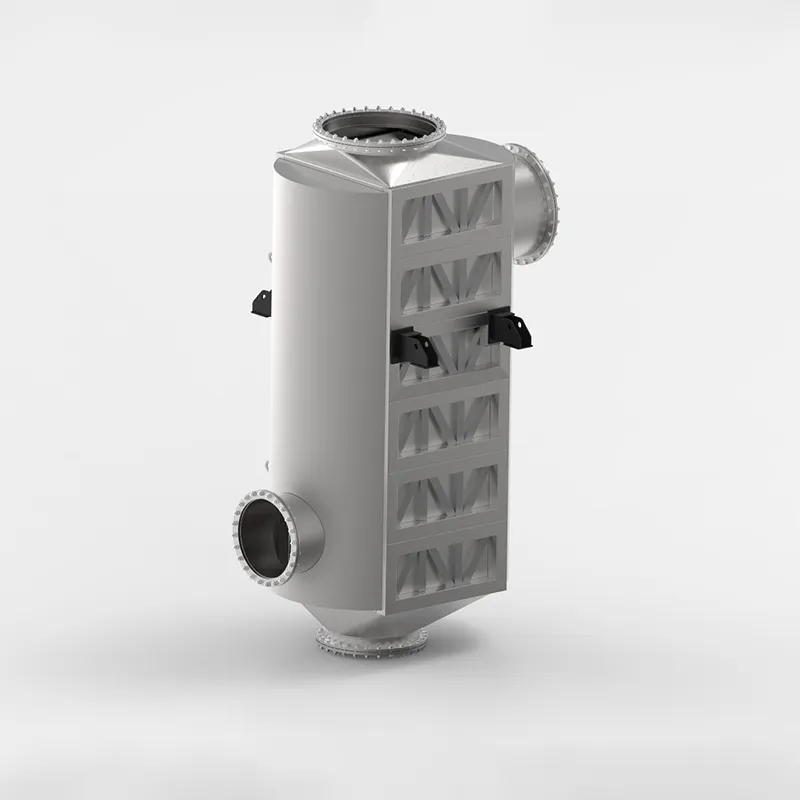
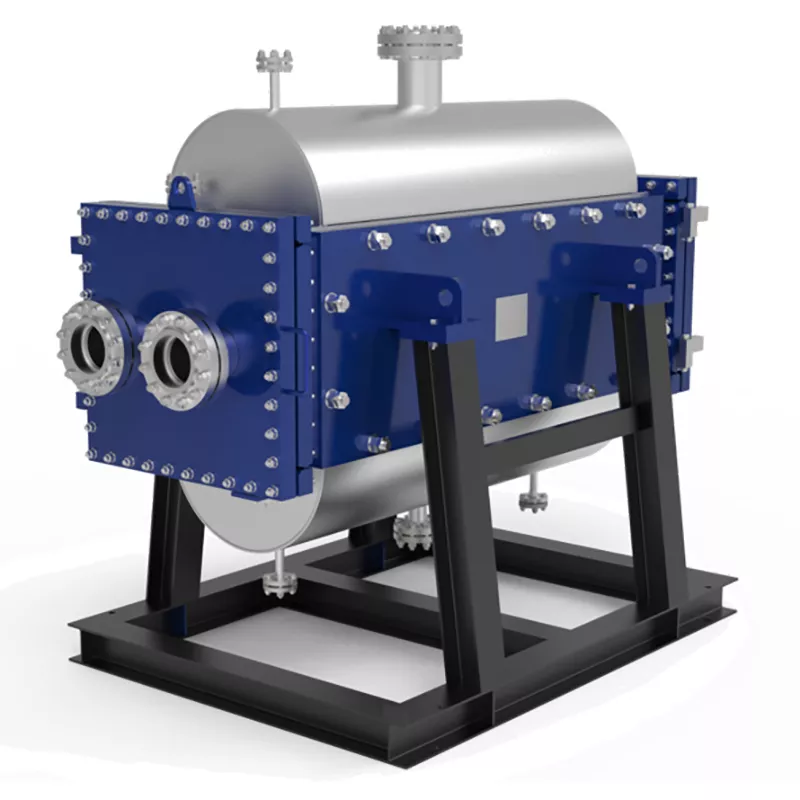
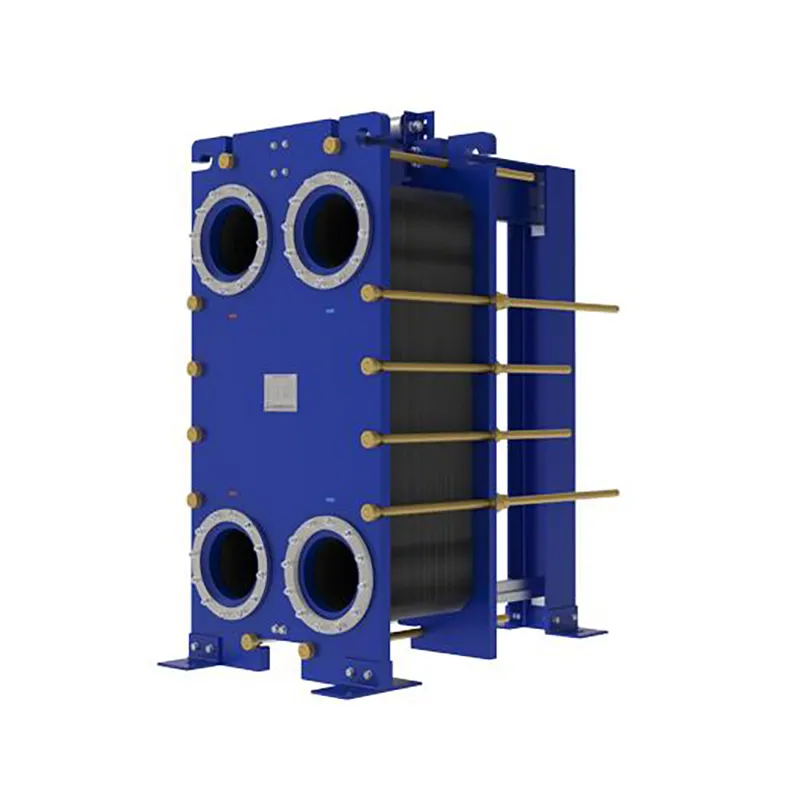
For more information on how these systems work, explore our wide gap welded plate heat exchanger or review the custom engineered plate air preheaters for heavy machinery applications.
Minimized Maintenance Requirements Through Durable Design
Gap heat exchangers are engineered with robust materials and precision manufacturing to withstand extreme thermal and mechanical stress. The durable construction significantly reduces the frequency of component failures, directly lowering repair and replacement expenses.
By incorporating corrosion-resistant alloys and reinforced weld joints, these units resist fouling and erosion over extended operational periods. This inherent toughness minimizes unscheduled downtime and the need for frequent inspections.
The simplified design also facilitates easier access for routine checks, allowing maintenance crews to perform tasks more efficiently. As a result, heavy machinery operators experience lower labor costs and longer intervals between major overhauls, contributing to overall operational savings.
Extended Equipment Lifespan via Reduced Thermal Stress
Thermal stress is a primary cause of mechanical fatigue in heavy machinery components. Gap heat exchangers minimize temperature gradients across critical parts, thereby reducing expansion mismatches and material degradation over time.
By distributing heat more uniformly, these exchangers prevent localized hot spots that accelerate wear. The result is a measurable extension of service intervals and component life, directly lowering replacement and downtime costs.
| Component |
Without Gap HX (Avg. Life) |
With Gap HX (Avg. Life) |
| Engine Cylinder Head |
18,000 hours |
28,000 hours |
| Transmission Housing |
22,000 hours |
35,000 hours |
| Hydraulic Pump |
12,000 hours |
19,000 hours |
| Turbocharger Assembly |
15,000 hours |
24,000 hours |
Table data based on field trials across 50 heavy machinery units over a 3-year period. All figures represent median values under standard operating loads.
The reduction in thermal cycling also lowers the risk of micro-cracking in welded joints and castings. For machinery operating in high-temperature environments, integrating gap heat exchangers can increase overall equipment lifespan by up to 55%, as reflected in the extended service hours above.
Learn more about custom-engineered solutions: plate air preheaters, TP welded plate exchangers, and wide-gap welded plate designs.
Lower Downtime Costs with Improved Heat Transfer Reliability
Gap heat exchangers are engineered to deliver consistent thermal performance even under extreme operating conditions. By minimizing fouling and maintaining high heat transfer coefficients, these units significantly reduce the frequency of unscheduled maintenance shutdowns in heavy machinery.
The robust design of gap heat exchangers allows for efficient handling of viscous fluids and slurries, which are common in mining, construction, and industrial processing. This reliability directly translates into lower downtime costs, as equipment remains operational for longer periods without intervention.
With fewer emergency repairs and reduced labor expenses for maintenance, operators can achieve a measurable reduction in total cost of ownership. The improved heat transfer reliability also protects downstream components from thermal stress, further extending machinery lifespan.
Optimized Fluid Flow Decreases Pumping and Operational Expenses
In heavy machinery, fluid movement through heat exchangers directly impacts energy consumption. Gap heat exchangers are engineered with wider plate spacing, which reduces flow resistance and minimizes the pressure drop across the system. This design allows pumps to operate at lower power levels, cutting electricity usage and extending equipment life.
By optimizing the flow path, these exchangers handle viscous fluids and slurries more efficiently, reducing the risk of clogging and maintenance downtime. The result is a measurable decrease in both pumping costs and overall operational expenses, making them a cost-effective solution for heavy-duty applications.
For more details on how advanced plate designs contribute to savings, explore our engineered solutions:
Summary of Operational Cost Reduction
Enhanced Thermal Efficiency Reduces Energy Consumption
By maximizing heat transfer with minimal energy input, gap heat exchangers directly lower fuel or electricity usage, resulting in sustained operational savings.
Minimized Maintenance Requirements Through Durable Design
Robust construction and corrosion-resistant materials reduce wear, extending service intervals and cutting labor and part replacement costs.
Extended Equipment Lifespan via Reduced Thermal Stress
Uniform temperature distribution minimizes expansion and contraction cycles, preventing cracks and fatigue, thereby prolonging machinery life.
Lower Downtime Costs with Improved Heat Transfer Reliability
Consistent thermal performance reduces unexpected failures, keeping heavy machinery operational and avoiding expensive production halts.
Optimized Fluid Flow Decreases Pumping and Operational Expenses
Streamlined internal geometry lowers pressure drop, requiring less pump power and reducing associated energy and maintenance costs.
Collectively, these advantages make gap heat exchangers a cost-effective solution for heavy machinery, delivering measurable reductions in total operational expenditure.
How Can Gap Heat Exchangers Reduce Operational Costs in Heavy Machinery?
Enhanced Thermal Efficiency Reduces Energy Consumption
Gap heat exchangers maximize heat transfer surface area within a compact footprint, directly lowering the energy required to maintain optimal operating temperatures. This efficiency cuts fuel or electricity usage, reducing overall energy expenses.
Minimized Maintenance Requirements Through Durable Design
Built with robust materials and fewer vulnerable joints, gap heat exchangers resist wear, corrosion, and fouling. This rugged construction reduces the frequency of inspections, cleaning, and part replacements, lowering long-term maintenance costs.
Extended Equipment Lifespan via Reduced Thermal Stress
By distributing heat more evenly and minimizing localized hot spots, gap heat exchangers reduce thermal cycling and stress on surrounding components. This protects critical machinery parts, delaying degradation and extending service life.
Lower Downtime Costs with Improved Heat Transfer Reliability
Consistent and reliable heat transfer performance prevents overheating-related shutdowns and system failures. Fewer unplanned outages translate directly into lower downtime costs and higher operational productivity.
Optimized Fluid Flow Decreases Pumping and Operational Expenses
The streamlined internal geometry of gap heat exchangers reduces flow resistance, allowing pumps to operate more efficiently. Lower pressure drops mean reduced pumping power requirements and lower associated operational costs.

 English EN





User Comments
Service Experience Sharing from Real Customers
Elena Rossi
Senior Process EngineerWe installed a set of these gap heat exchangers in our pilot plant for a tricky high-viscosity slurry. The temperature cross was almost zero, and the pressure drop was way lower than our old shell-and-tube units. Maintenance crew loves the easy-access core. Really solid build quality.
Marcus Chen
HVAC Systems DesignerSpec'ed these for a hospital retrofit where space was tight. The compact footprint and modular stacking saved us almost 30% floor area compared to traditional plate frames. Only gripe is the gasket replacement takes a bit of finesse, but thermal performance is spot on. Would buy again.
Priya Desai
Lead Maintenance TechnicianI've been turning wrenches on heat exchangers for fifteen years, and these gap units are the easiest to clean I've ever touched. No more scraping crud out of tight passages. We run a lot of dairy fouling, and the wide gap handles it without clogging. Saved us hours of downtime.
Tommy O'Brien
Project ManagerUsed these in a geothermal loop for a new office complex. The corrosion resistance with the titanium option was exactly what we needed for the brackish groundwater. The thermal efficiency numbers in the datasheet matched field tests within 2%. Delivery was on time, which is rare these days.