Why Choose a Plate Heat Exchanger for District Heating Applications
District heating networks demand reliable, efficient, and compact heat transfer solutions. Plate heat exchangers offer a proven approach to managing thermal loads in these systems, delivering high performance in a small footprint. This article explores why a plate heat exchanger is a smart choice for district heating, covering working principles, key features, typical parameters, and practical applications. Whether you are a process engineer or a purchasing manager, you will find actionable insights to help you make an informed decision.
What Is a Plate Heat Exchanger and Why Does It Matter for District Heating?
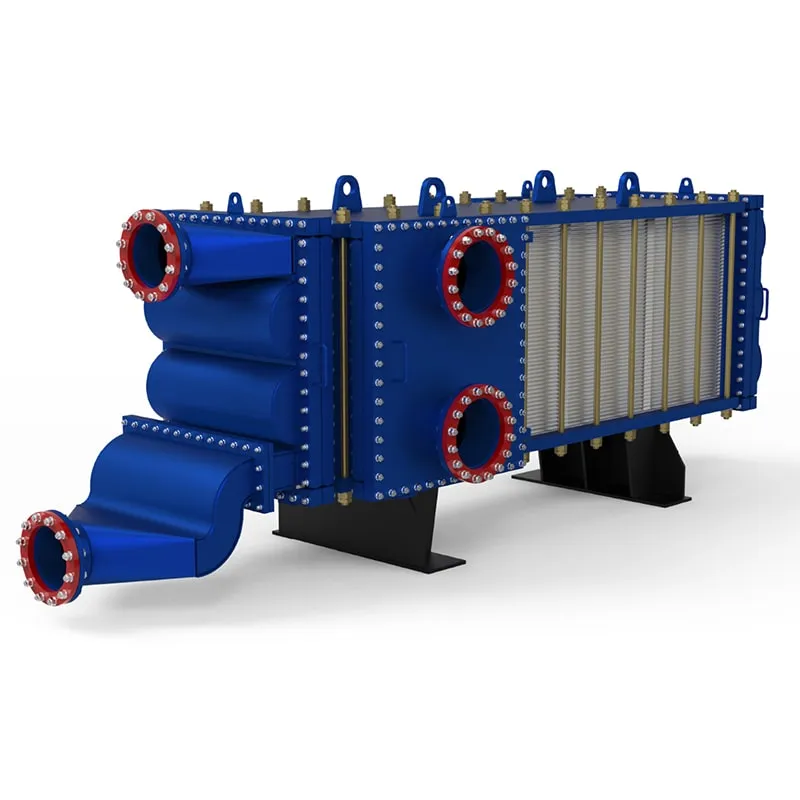
A plate heat exchanger is a device that transfers heat between two fluids using a series of corrugated metal plates. In district heating, these units are used to transfer heat from a primary hot water or steam loop to secondary building systems. The compact design and high thermal efficiency make them ideal for both new installations and retrofits. Unlike shell-and-tube exchangers, plate heat exchangers offer closer temperature approaches and easier maintenance. For district heating operators, this means lower energy costs and more consistent heat delivery.
How Does a Plate Heat Exchanger Work in a District Heating System?
In a typical district heating setup, the primary loop carries hot water or steam from a central plant to substations. Inside the plate heat exchanger, the primary fluid flows through alternating channels, while the secondary fluid flows in the opposite direction. The corrugated plates create turbulence, enhancing heat transfer without mixing the fluids. This counter-flow arrangement allows for temperature differences as low as 1–2°C, which is critical for maximizing system efficiency. The gasketed or welded design ensures leak-free operation, even under fluctuating pressures.
Key Features and Typical Parameter Ranges
Plate heat exchangers for district heating come with a range of features that suit different operational needs. Below is a summary of common parameters:
- Operating pressure: Up to 30 bar (gasketed) or 100 bar (welded)
- Operating temperature: -20°C to 200°C (gasketed) or up to 600°C (welded)
- Heat transfer coefficient: 3,000–7,000 W/m²K (water-to-water)
- Flow capacity: From 0.5 m³/h to over 1,000 m³/h per unit
- Plate material: Stainless steel 304/316L, titanium, or Hastelloy
- Gasket material: NBR, EPDM, or Viton for temperature and chemical compatibility
These ranges are industry-standard and can be tailored based on specific project requirements. For example, a district heating substation serving a residential complex might use a gasketed plate heat exchanger with a 10-bar design and 120°C maximum temperature, while an industrial facility may require a welded unit for higher pressures.
Applications and Recommended Solutions
Plate heat exchangers are used in various district heating scenarios, including:
- Residential heating: Transferring heat from a district network to individual apartments or houses
- Commercial buildings: Supplying hot water for HVAC systems in offices, hotels, and hospitals
- Industrial processes: Preheating feedwater or recovering waste heat from manufacturing
- Geothermal integration: Connecting low-temperature geothermal sources to district loops
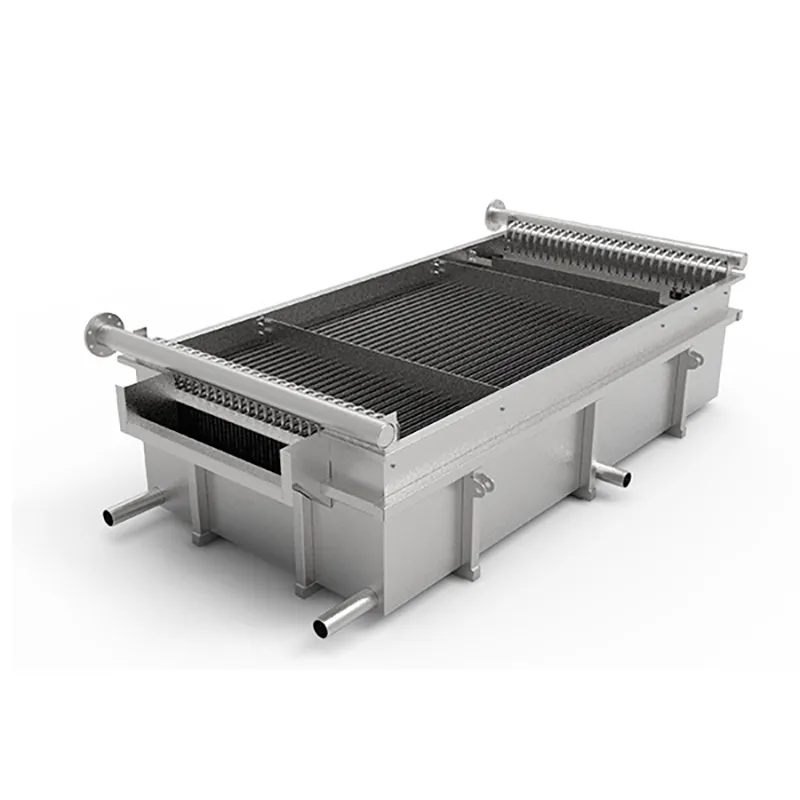
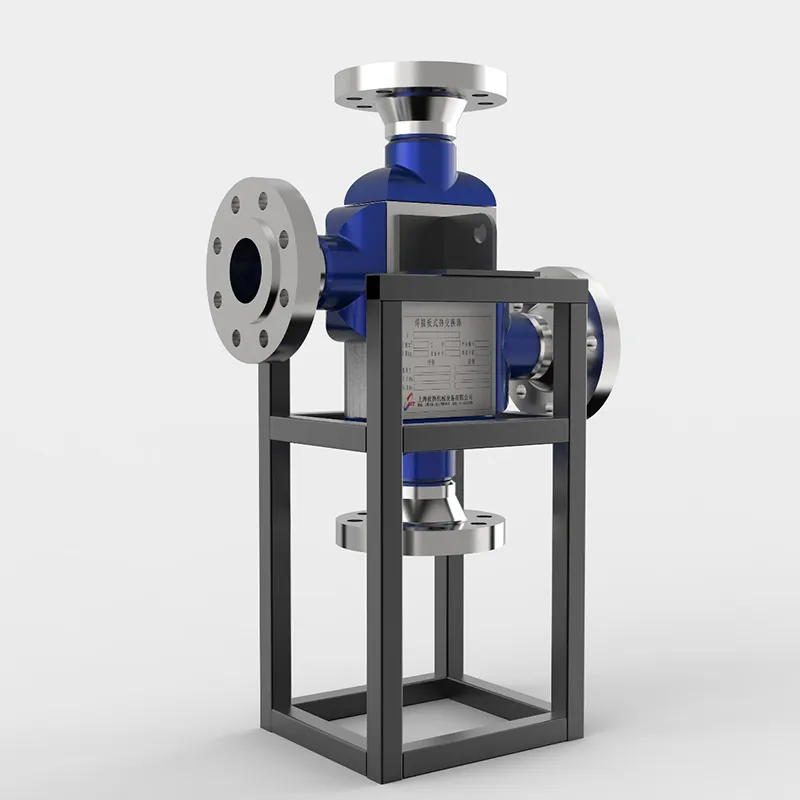
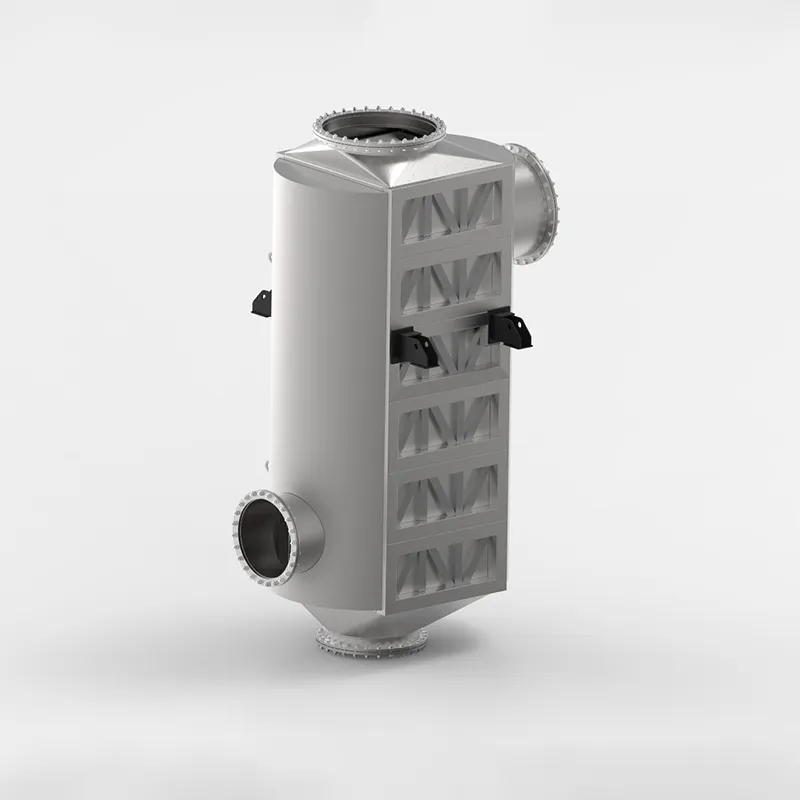
For each application, the choice of heat exchanger type matters. Gasketed plate heat exchangers are cost-effective for clean fluids and moderate conditions. For dirty or fibrous media, a wide gap welded plate heat exchanger offers larger channel spacing to prevent fouling. In high-temperature or high-pressure scenarios, HT-Bloc welded plate heat exchangers provide a robust solution without gaskets. For extreme conditions, printed circuit heat exchangers (PCHE) handle pressures up to 500 bar and temperatures over 800°C.
Why SHPHE Stands Out for District Heating Projects
SHPHE, a Shanghai-based manufacturer founded in 2005, has been supplying plate heat exchangers to over 20 countries. Our product lines include HT-Bloc and TP welded plate heat exchangers, wide gap welded units, gasketed plate heat exchangers, PCHE, plate air preheaters, and pillow plates. We hold ISO9001 and ASME U certifications, ensuring quality and compliance with international standards. What sets us apart is our free thermal design and selection service. Our engineers work with you to optimize the heat exchanger for your specific district heating parameters, whether you need a compact unit for a substation or a large welded unit for a central plant. We also offer alternatives compatible with brands like Alfa Laval, Compabloc, or GEA, so you can upgrade or replace existing equipment without redesigning the system.
Frequently Asked Questions
Q: What is the typical lifespan of a plate heat exchanger in district heating?
A: With proper maintenance, a gasketed plate heat exchanger can last 15–20 years, while welded units often exceed 25 years. Regular cleaning and gasket replacement extend service life.
Q: Can a plate heat exchanger handle dirty water or sludge in district heating?
A: Yes, but you need a wide gap or welded design. Standard gasketed units may clog with debris. A wide gap welded plate heat exchanger offers channel spacing up to 8 mm, ideal for fouling fluids.
Q: How do I size a plate heat exchanger for my district heating project?
A: You need to know the flow rate, inlet and outlet temperatures, pressure drop limits, and fluid properties. SHPHE offers free thermal design to calculate the exact plate count and configuration.
Q: Are plate heat exchangers energy-efficient for district heating?
A: Absolutely. Their high heat transfer coefficients and close temperature approaches reduce energy losses. Many systems achieve 95% or higher thermal efficiency.
Q: What maintenance does a plate heat exchanger require?
A: For gasketed units, inspect gaskets annually and replace every 3–5 years. Welded units need less frequent maintenance but should be checked for fouling every 2–3 years.
Q: Can I use a plate heat exchanger as a replacement for a shell-and-tube unit?
A: Yes, in most cases. Plate heat exchangers are more compact and efficient. However, check pressure and temperature limits. SHPHE can provide a compatible alternative to brands like Alfa Laval or GEA.
Request a Quote for Your District Heating Plate Heat Exchanger
Choosing the right plate heat exchanger for district heating applications ensures reliable performance and long-term cost savings. To get a tailored solution, please provide the following details in your inquiry: flow rate (primary and secondary), inlet and outlet temperatures, operating pressure, and media type (e.g., water, steam, glycol). Our team at SHPHE will perform a free thermal design and recommend the most suitable unit from our product range, including gasketed, welded, or wide gap options. Contact us today to discuss your project requirements.

 English EN





User Comments
Service Experience Sharing from Real Customers
Ethan
Facility Maintenance SupervisorWe swapped out an old shell-and-tube unit for this plate heat exchanger in our downtown heating loop. The footprint is way smaller, and the temperature delta we're seeing is much more stable. Installation was straightforward, and the pressure drop is actually lower than I expected. Great upgrade for an aging system.
Mia
Energy ConsultantRecommended this model to a client retrofitting a 1980s apartment block network. It handled the variable flow demands well during the first cold snap. Only minor gripe is the gasket alignment took a bit of fiddling during initial assembly, but once it was seated, no leaks. Solid performance for the price point.
Oscar
Chief EngineerWe run a biomass-based district heating plant, and this exchanger has been handling our primary loop to secondary loop transfer without a hiccup. The titanium plates were a must due to our slightly acidic water chemistry, and they're holding up beautifully after two heating seasons. Customer support was also helpful with sizing questions.
Liam
HVAC TechnicianIt works fine now, but I had to replace a gasket within the first six months because it started weeping. The supplier sent a replacement quickly, so no big drama. Performance-wise, it does the job for our small community loop, but I expected a bit more durability for the money. Would buy again if the price dropped.