-
(1) Offshore Oil
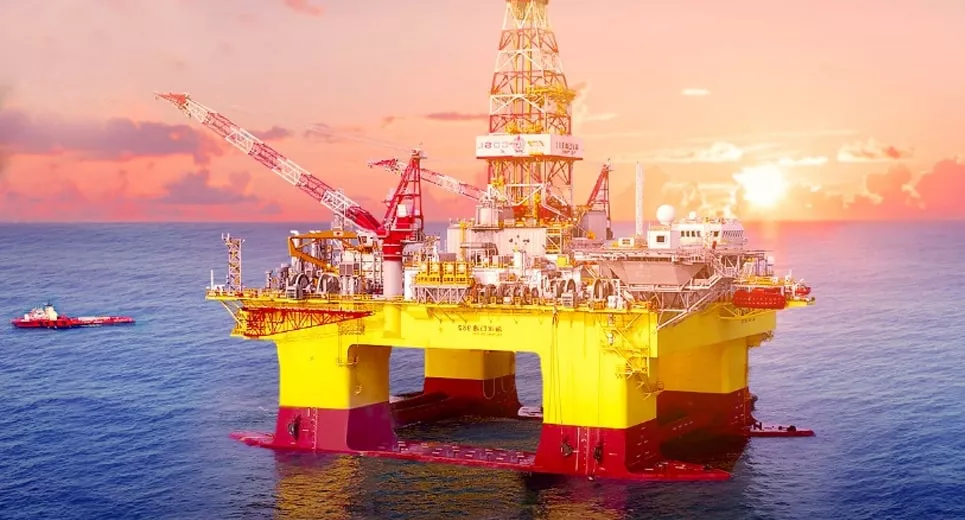
Production Process: Offshore oil development involves exploration, drilling, extraction, and transportation. During extraction, crude oil requires heating, cooling, and separation processes to ensure stability and flowability. Advanced technologies like subsea processing and floating production systems are also employed to optimize resource recovery.
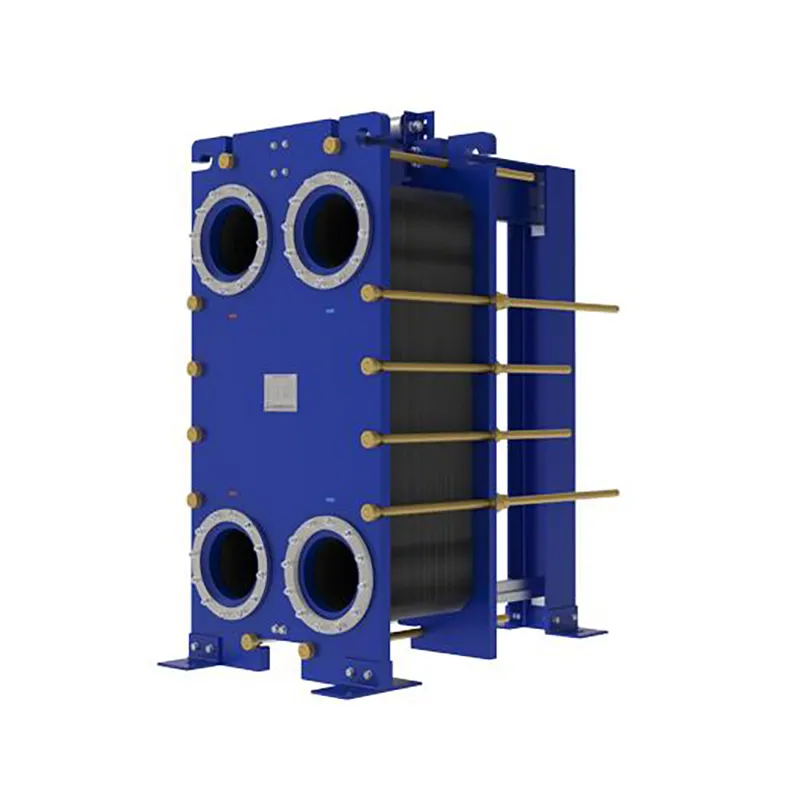
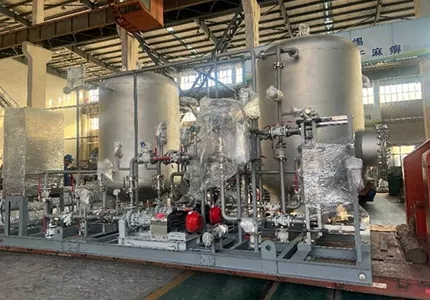
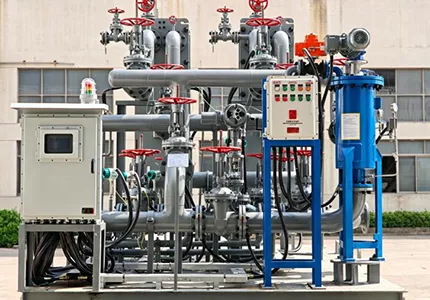
Role of Plate Heat Exchangers: Plate heat exchangers are used for crude oil heating and cooling. They enhance energy efficiency, reduce equipment wear, and ensure smooth operation in harsh marine environments.
-
(2) Offshore Natural Gas Processing and Storage
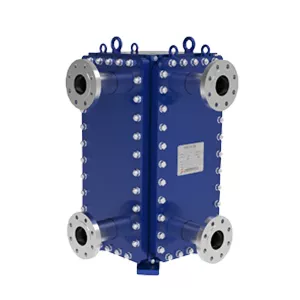
FSRU (Floating Storage and Regasification Unit): In offshore natural gas processing, FSRU is a critical component. PCHE, as one of the core equipment in FSRU, is used for cooling, liquefaction, and regasification of natural gas. Its compact design and ability to withstand high pressure and temperature make it particularly suitable for offshore environments.
Pipeline Natural Gas Transportation: In offshore pipeline natural gas transportation, PCHE can be used for cooling and heating pipelines to ensure the stability and safety of natural gas during transportation.
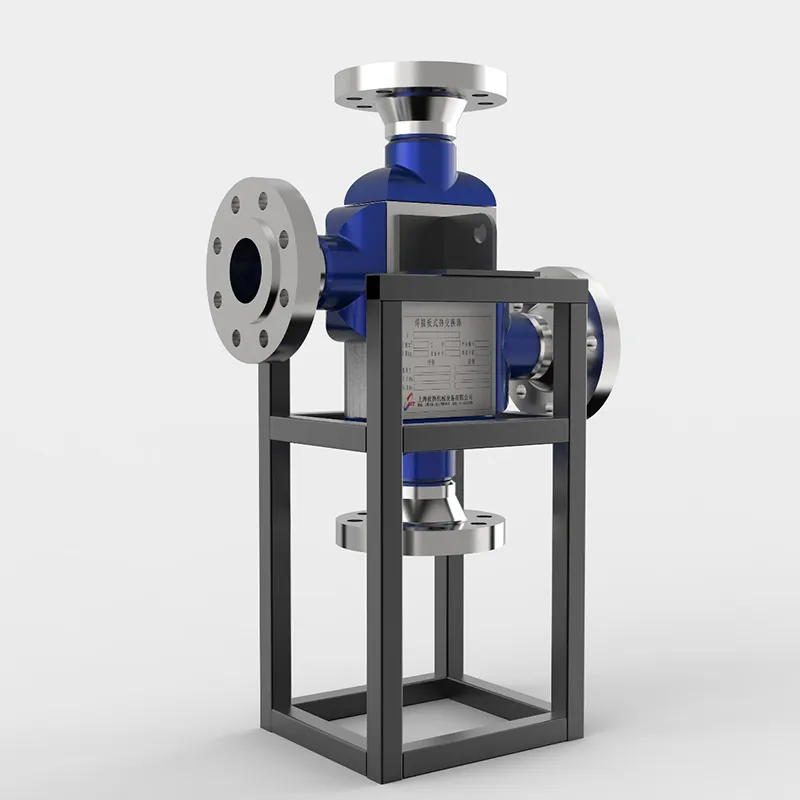
Compressor Aftercooler: In natural gas extraction, compressors are essential equipment for extracting and transporting natural gas from underground to the surface. However, the temperature of compressed natural gas is usually high, requiring an aftercooler to lower its temperature, thereby improving transportation efficiency and safety.
-
(3) Seawater Desalination
Production Process: Seawater desalination primarily utilizes reverse osmosis or multi-effect distillation technologies. The process includes pretreatment, desalination, and post-treatment stages to convert seawater into freshwater. Pretreatment removes impurities, while desalination separates salt and water molecules.
Role of Plate Heat Exchangers: In the pretreatment stage, plate heat exchangers preheat seawater to improve efficiency. During distillation, they facilitate heat transfer, reducing energy consumption and increasing freshwater output.
-
(4) Marine Vessel Systems
Production Process: Marine vessel systems encompass power, cooling, and air conditioning systems. These systems ensure the proper functioning of engines, maintain cabin temperatures, and provide cooling for onboard equipment. Advanced vessels integrate energy recovery systems to optimize fuel consumption.
Role of Plate Heat Exchangers: Plate heat exchangers are used in engine cooling water circulation and air conditioning systems. They ensure stable operation of vessel equipment in challenging marine conditions, improving overall performance and reliability.
-
(5) Marine Chemical Industry
Production Process: The marine chemical industry includes salt extraction, marine bioresource utilization, and chemical production. Processes often involve high temperatures, pressures, and corrosive environments. Advanced materials and technologies are used to enhance efficiency and safety.
Role of Plate Heat Exchangers: In processes like chlor-alkali production and refined salt manufacturing, plate heat exchangers provide corrosion-resistant heat exchange. They improve production efficiency, reduce maintenance costs, and ensure safe operation in corrosive environments.





 English EN