
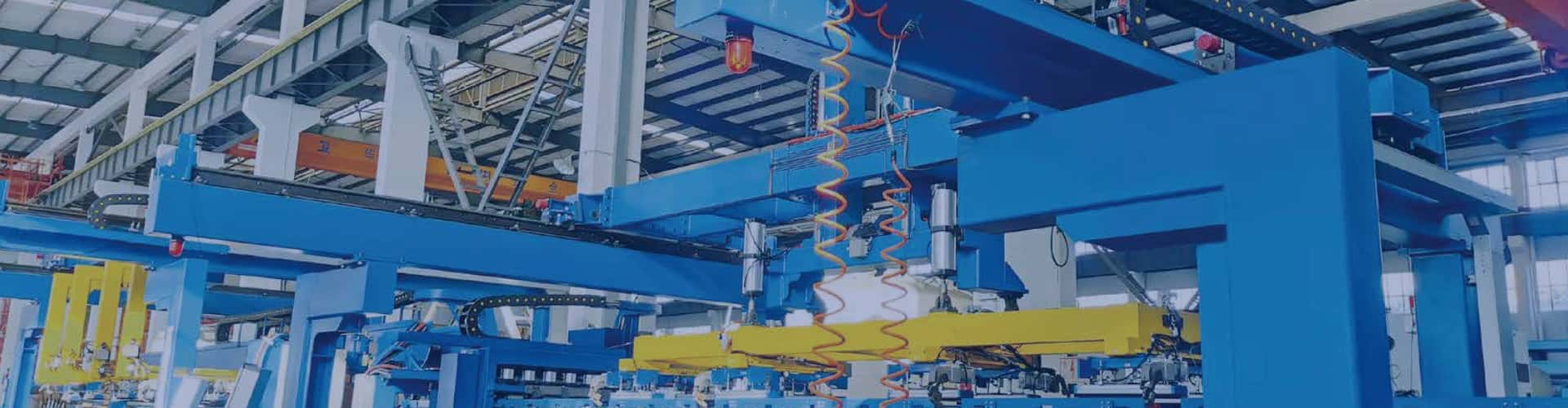

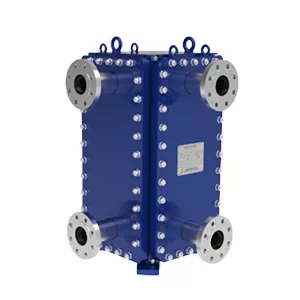
Custom-Engineered for Severe Process Demands. At SHPHE, we don't just supply equipment; we design tailored thermal solutions. Our HT-Bloc welded plate heat exchangers are custom-configured by our experienced engineers to overcome your specific industry challenges—whether handling high-viscosity media, extreme temperatures, or strict space constraints.

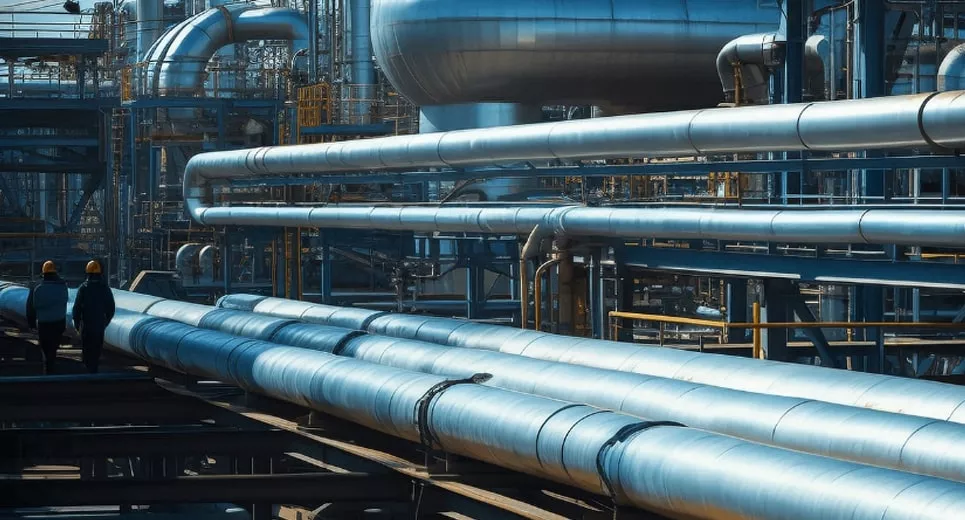
Oil and Gas industry is a cornerstone of modern industry, with a supply chain covering everything from the extraction and processing of oil and gas to the production and sale of various petrochemical products. These products are widely used in sectors such as energy, chemicals, transportation, construction, and pharmaceuticals, making the industry essential for economic development. Plate heat exchangers are widely applied in the oil and gas industry due to their high efficiency, compact size, corrosion resistance, and ease of maintenance, making them an ideal choice for this sector.
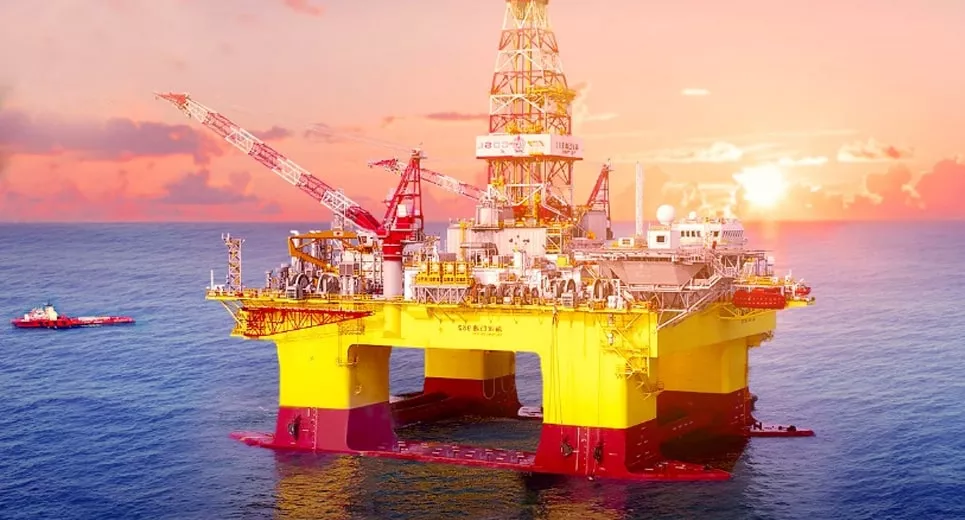
Offshore modular engineering is a highly technical and comprehensive project, combining specialized design, precision manufacturing, stringent quality control, and full-service after-sales support. These solutions are tailored to meet the unique demands of the marine and ship environments.
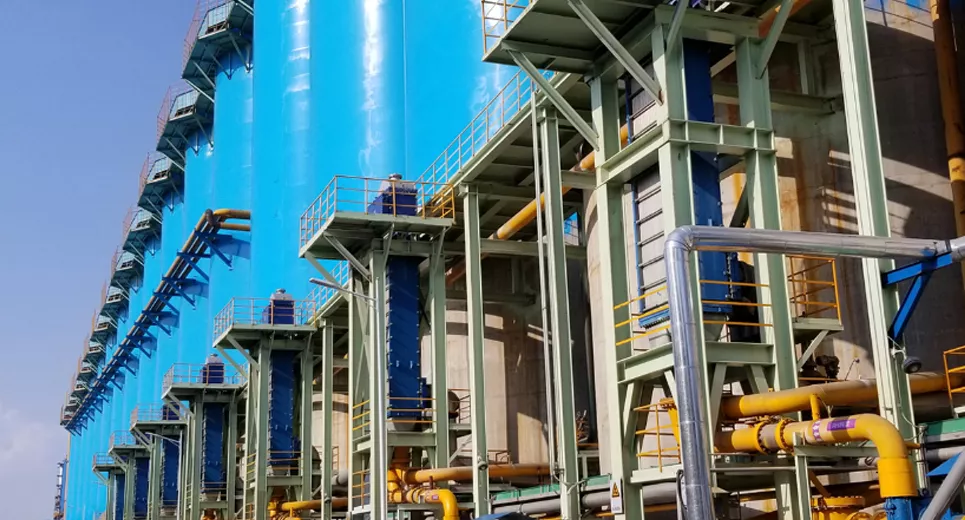
This heat exchanger is widely utilized in metallurgy such as alumina production and mining for handling challenging fluids like slurries and ore suspensions. Its robust design ensures efficient heat transfer, prevents clogging, and facilitates easy cleaning, making it an indispensable solution for demanding industrial applications..

Food industry encompasses production, processing, packaging, and distribution of consumables, prioritizing safety, efficiency, and sustainability. Key sectors include dairy, beverages, canned goods, and prepared foods. Plate heat exchangers (PHEs) play a vital role in thermal processes such as pasteurization, heating, cooling, and concentration. Their compact design, high heat transfer efficiency, and hygienic surfaces ensure rapid temperature control while minimizing energy waste. PHEs also reduce cross-contamination risks and support heat recovery systems, aligning with industry demands for cost-effectiveness and eco-friendly practices. Applications span milk sterilization, juice processing, and waste heat reuse, enhancing productivity and compliance with stringent food safety standards.

New Energy industry focuses on renewable energy sources like solar, wind, hydro, and geothermal power, aiming to reduce reliance on fossil fuels and combat climate change. Its development is driven by the urgent need to lower carbon emissions, enhance energy security, and promote sustainable economic growth. The industry is significant as it mitigates environmental degradation, creates green jobs, and fosters technological innovation. Heat exchangers are essential in this sector for optimizing energy efficiency. They transfer heat between fluids in systems like solar thermal plants, geothermal power stations, and waste heat recovery processes, ensuring maximum energy utilization and reducing operational costs.

Environmental Protection industry focuses on reducing pollution, conserving resources, and promoting sustainable development. Its importance lies in addressing climate change, protecting ecosystems, and ensuring public health. The primary goal is to achieve "zero emissions" by minimizing waste and transitioning to renewable energy. This is achieved through advanced technologies, waste recycling, and energy-efficient systems. Plate heat exchangers (PHEs) play a crucial role by enhancing energy efficiency in industrial processes, reducing energy consumption, and enabling heat recovery. Their compact design and high heat transfer efficiency support sustainable practices, making them essential in achieving emission reduction targets and fostering a greener future.
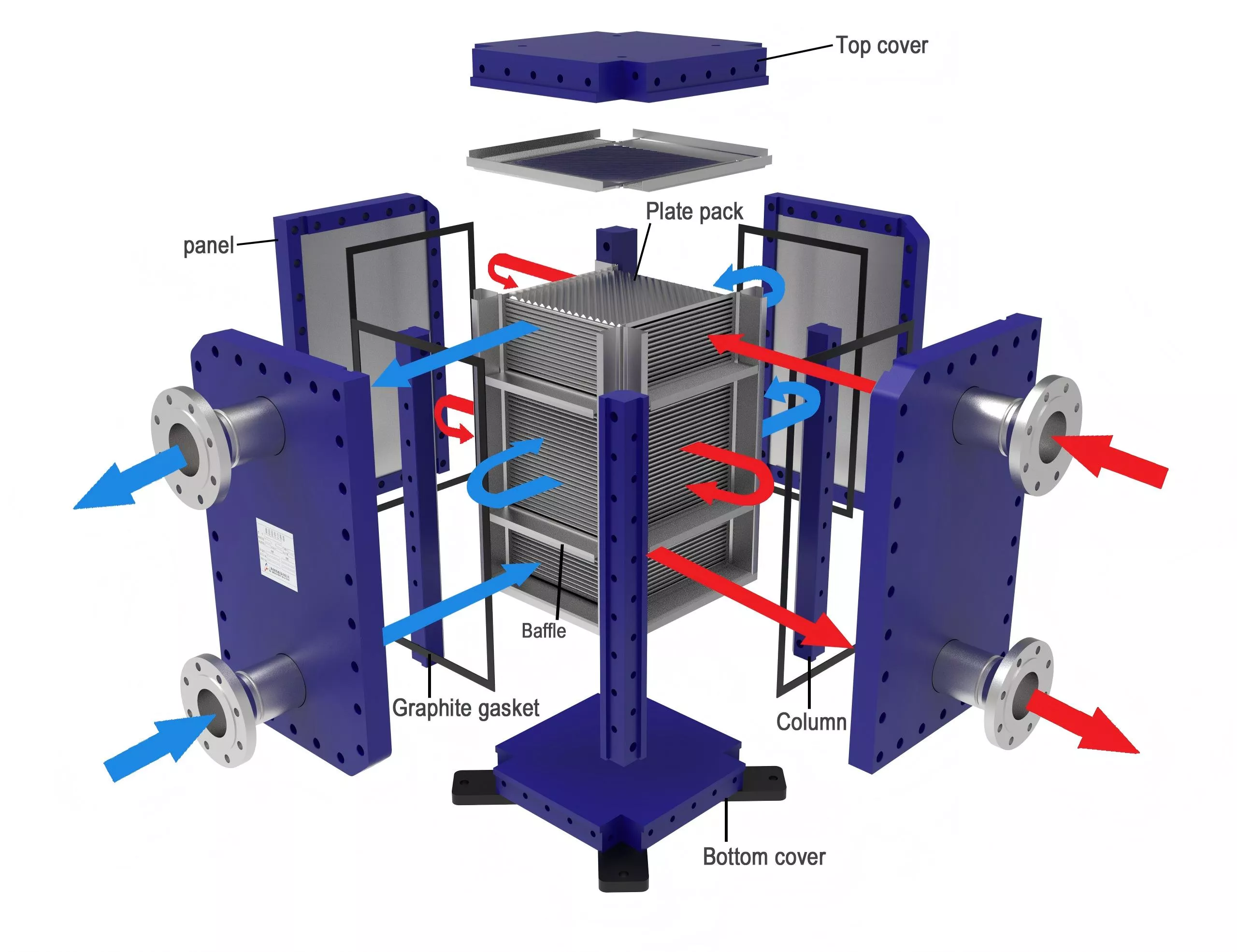
Watch our HT-Bloc welded plate heat exchanger in action and discover its high-efficiency design.
| Parameter Item | Parameter |
|---|---|
| Plate Pattern | Chevron, Dimple, Studded Flat Plate |
| Design Temperature | - 50~400 ℃ |
| Design Pressure | Vacuum~4.0 MPa |
| Assembly Area | ≤870 m2 |
| Nominal Diameter | DN25~DN1000 |
| Plate Thickness | 0.8~2.0 mm |
| Plate Thickness | 0.8~2.0 mm |
| Plate Material | 304L, 316L, TAI,904L,254SMO, C- 276, Duplex Stainless Steel,Nickel Alloy |



 English EN


