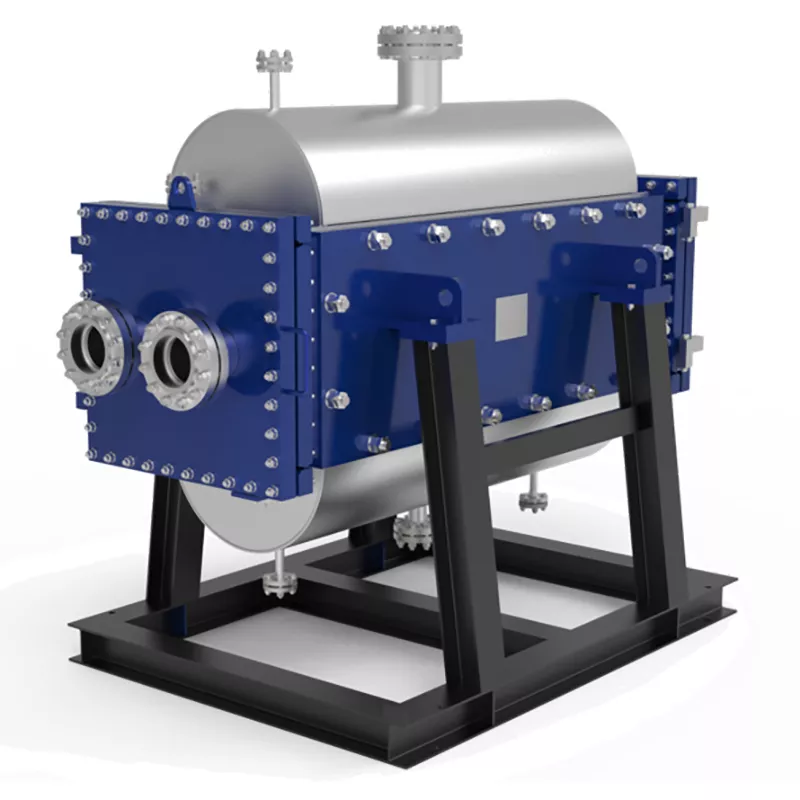
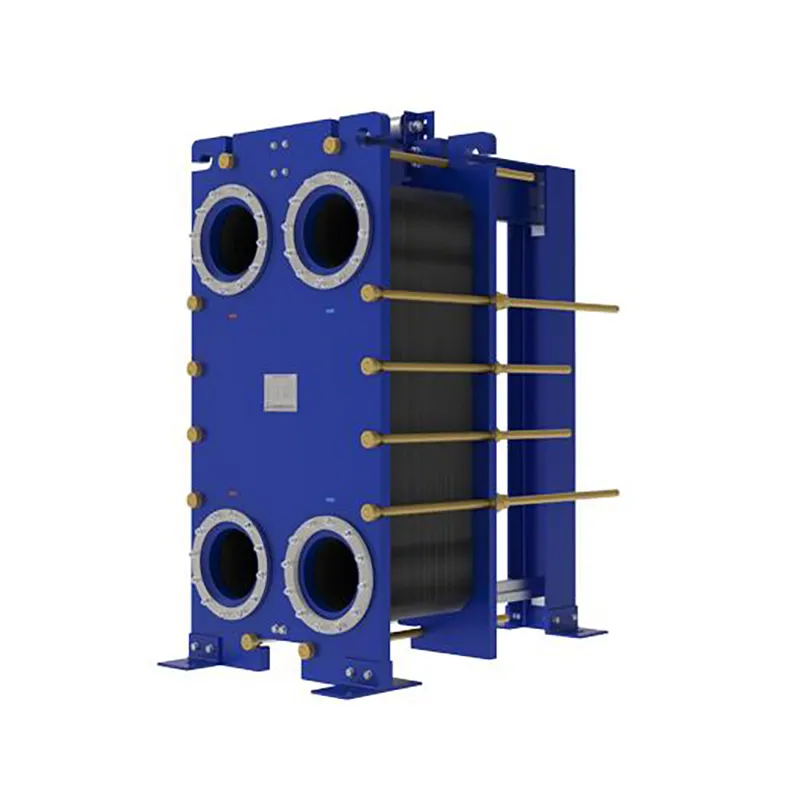
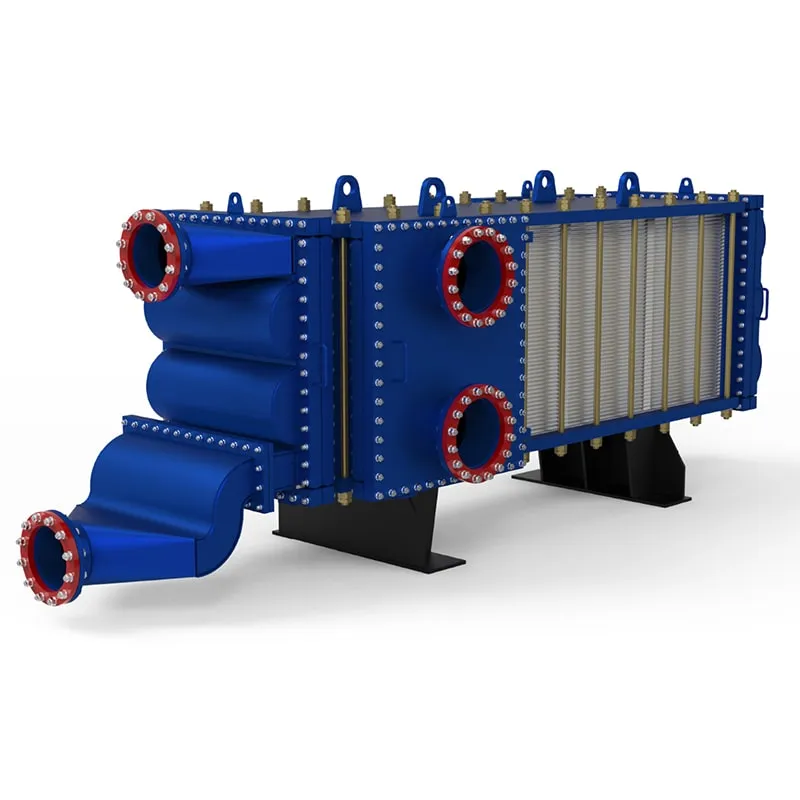
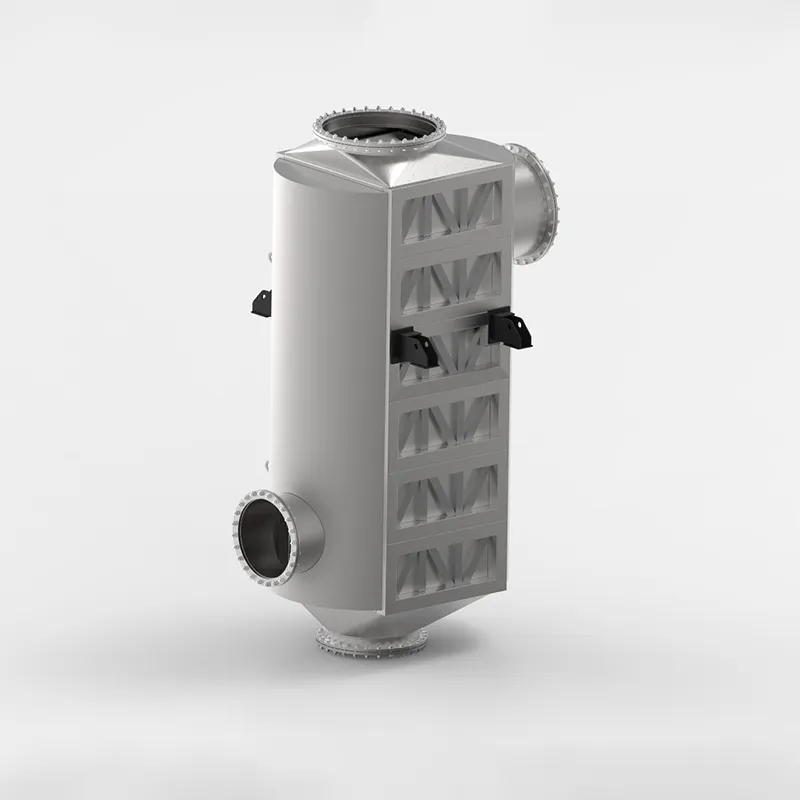
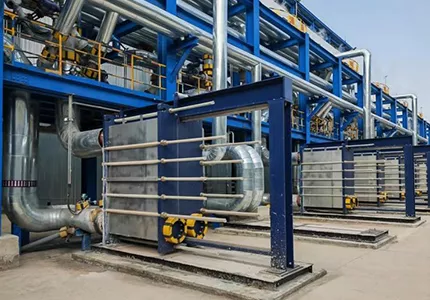
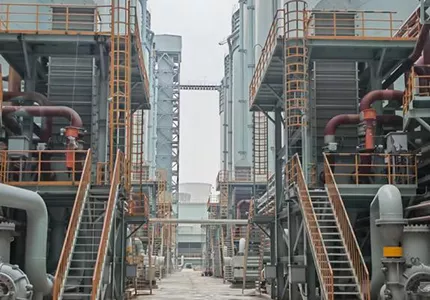
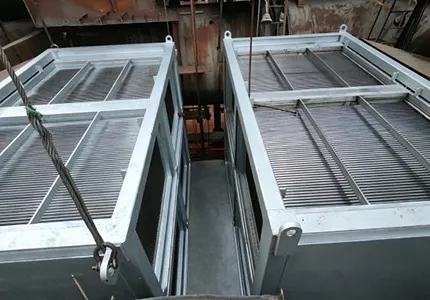
Common failures of heat exchangers in the metallurgical industry include: decreased heat transfer efficiency (due to scaling, parameter deviations, or poor sealing), corrosion damage (erosion of process fluids causing thinning or perforation of tube walls), leakage issues (aging or improper installation of sealing components), vibration problems (excessive flow velocity or inadequate support), and blockage issues (accumulation of impurities affecting flow). To address these problems, We have implemented a comprehensive set of measures to ensure the efficient, reliable, and stable operation of heat exchangers.
-
Core Patents
Using the company's core patent technology, different types of products can be recommended according to different ore raw materials.
-
Reduce Abrasion
We utilize corrosion-resistant materials and special processes to proactively prevent potential failures, extend the service life of the equipment, and prolong cleaning intervals while reducing wear.
-
Smart Eye Monitoring
Using smart eye digital products, health prediction, energy efficiency diagnosis and cleaning effect evaluation of heat exchangers can be performed online.
-
Extend Service Life
Use machine learning technology to recommend the best operating conditions and extend service life.





 English EN