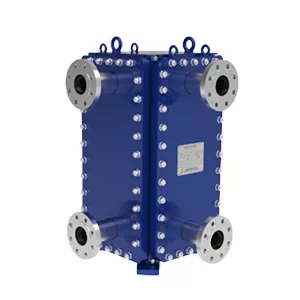
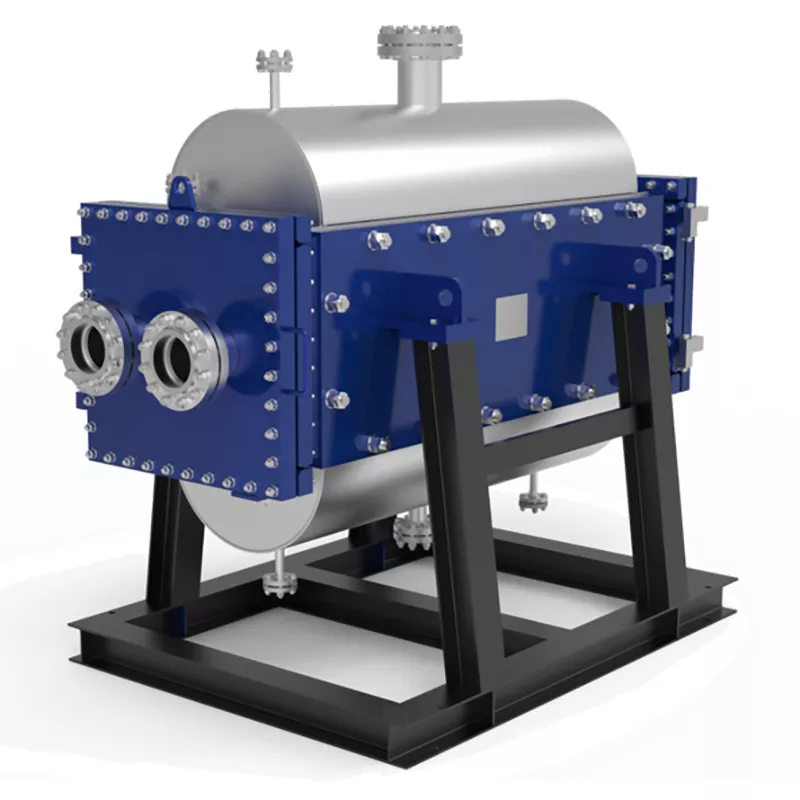
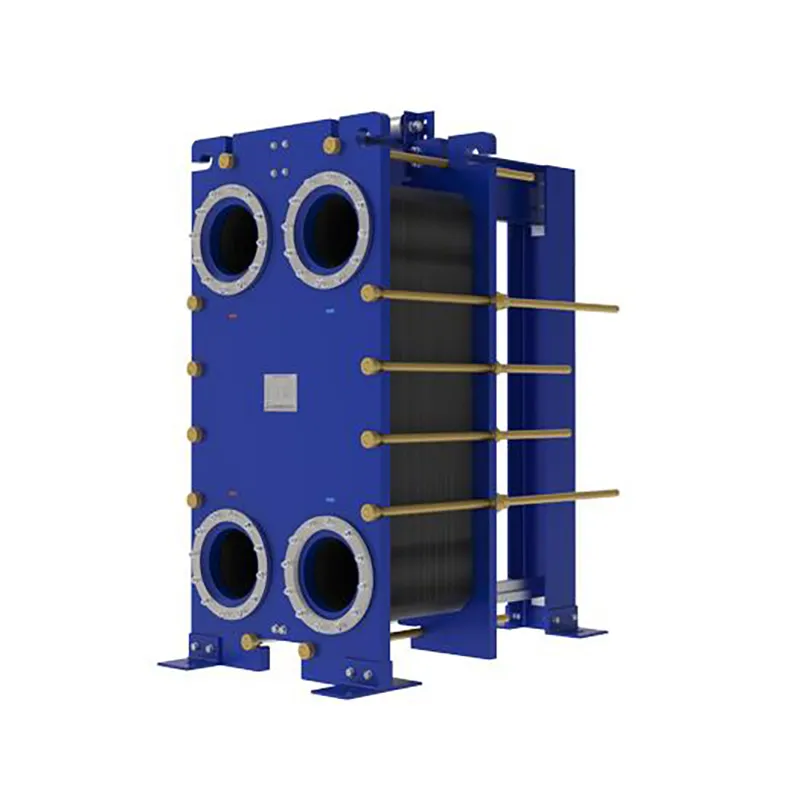
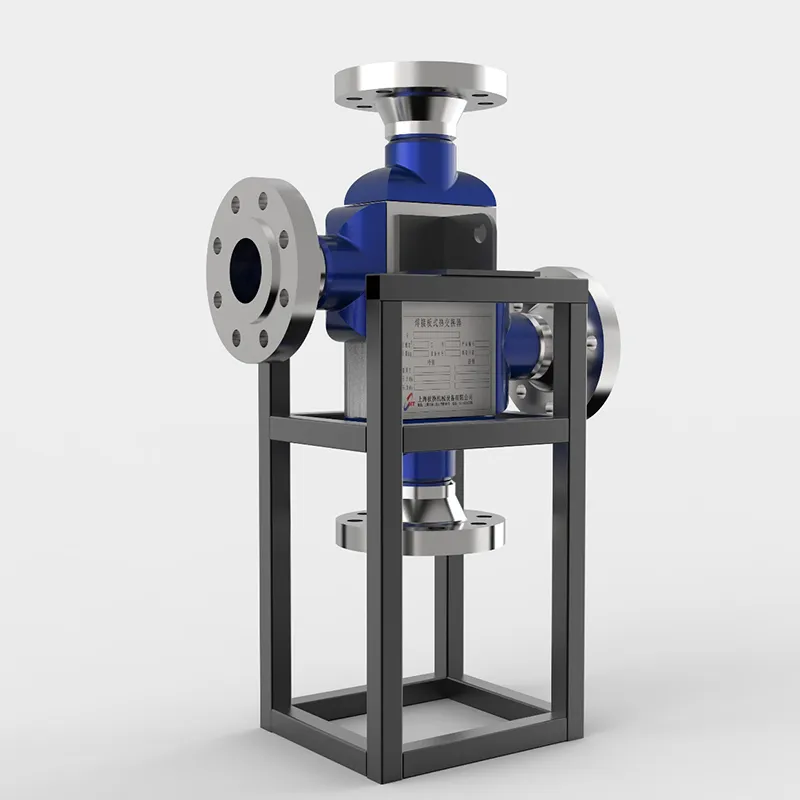
Plate heat exchangers in chemical industry commonly face issues such as fouling, clogging, leakage, fluid crossover, and plate deformation or corrosion, primarily caused by impurities in the medium, seal aging, corrosion, or abnormal process parameters. Fouling and clogging reduce heat transfer efficiency, while leakage and fluid crossover compromise system stability, and plate damage affects sealing integrity. To address these challenges, we implement our unique solutions, including regular cleaning and maintenance, replacing aged seals, installing filtration devices, and optimizing operating pressure and temperature parameters. These measures effectively reduce abnormal energy consumption, extend equipment lifespan, and ensure the efficiency and safety of chemical production, contributing to the achievement of sustainable production goals.
-
Safety and Reliability
The heat exchanger core features a fully welded sealing structure with no gaskets or dynamic seals, completely eliminating external leakage. This makes it ideal for flammable, explosive, or hazardous media, ensuring safe and stable production.
-
Energy Efficiencyn
Our special corrugated design allows our heat exchangers to achieve the highest energy efficiency standards, helping customers reduce energy consumption and emissions in continuous chemical processes.
-
Wide Range of Materials
In addition to standard stainless steel, we have extensive experience producing heat exchangers with specialized materials such as TA1, C-276, and 254SMO.





 English EN