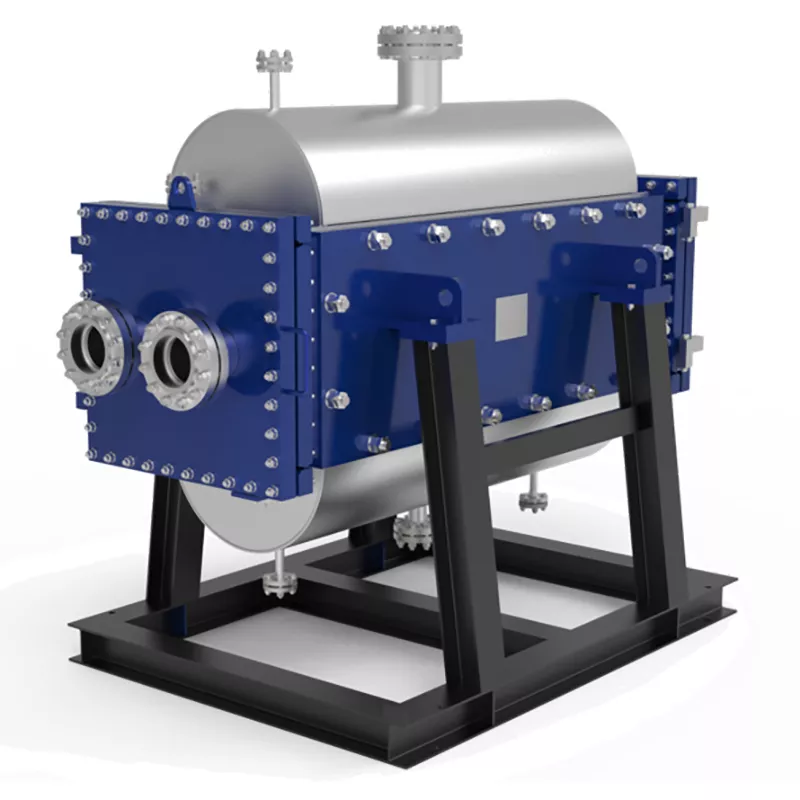
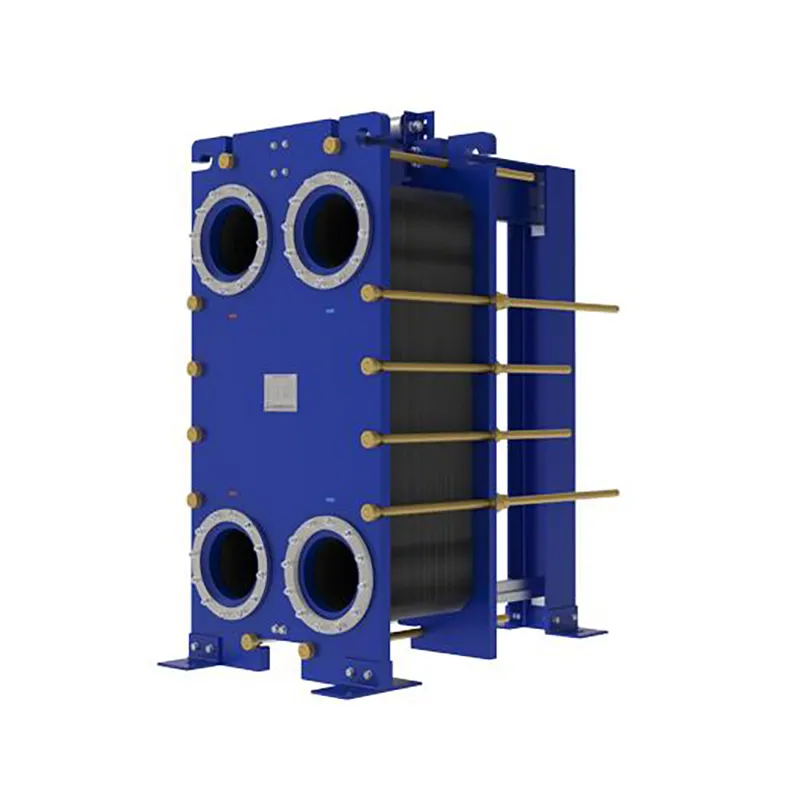
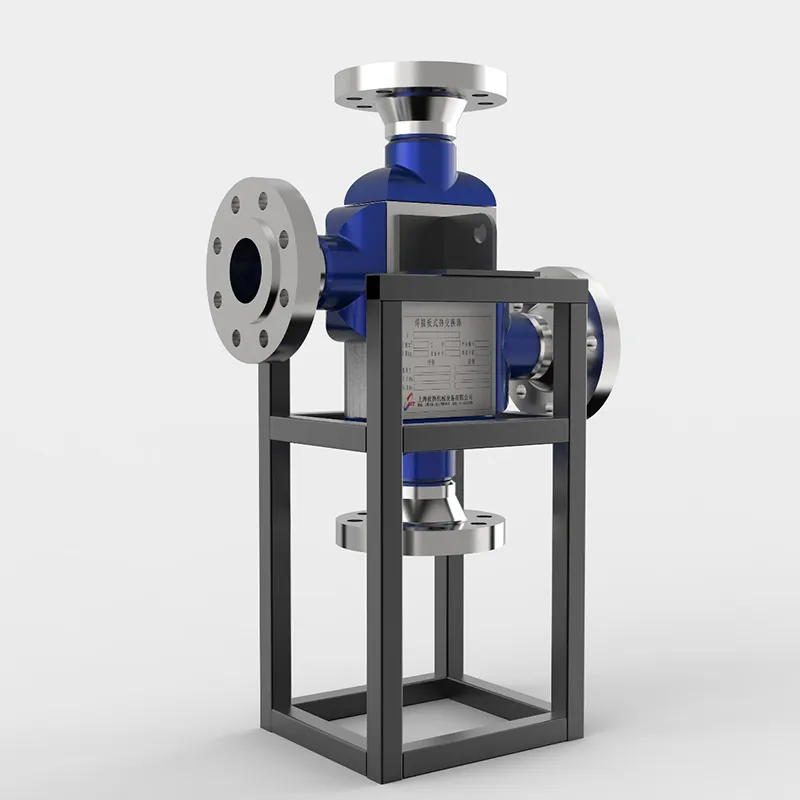
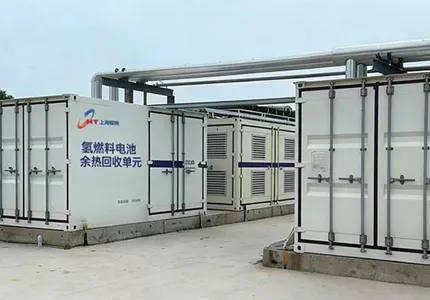
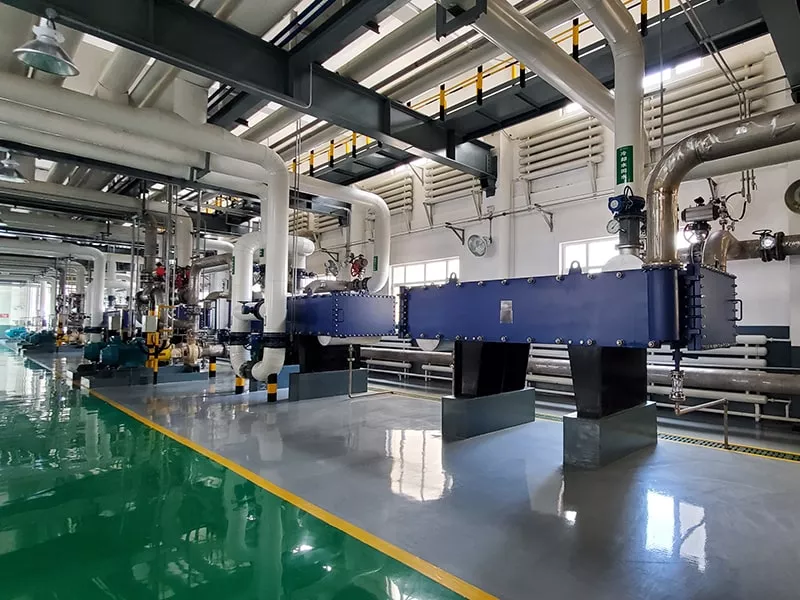
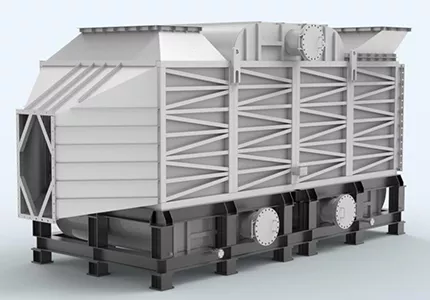
New Energy industry encounters diverse heat exchange needs, such as transferring heat in solar thermal systems, managing geothermal fluid temperatures, and recovering waste heat in industrial processes. It requires efficient and durable heat exchangers, including plate heat exchangers, shell-and-tube heat exchangers, and compact heat exchangers, designed to handle high temperatures, pressures, and corrosive fluids. The focus is on optimizing energy efficiency, reducing heat loss, and enhancing system performance. These heat exchangers address challenges like thermal fluctuations, energy conversion inefficiencies, and environmental sustainability, ensuring reliable and cost-effective operation of renewable energy systems.
-
High Thermal Efficiency
Heat exchangers in the new energy industry must achieve high thermal efficiency to maximize energy transfer and minimize heat loss. This is crucial for systems like solar thermal plants and geothermal power stations, where even small efficiency improvements can significantly enhance overall performance. Advanced designs, such as compact plate heat exchangers, are preferred for their ability to provide large surface areas and optimal heat transfer rates, ensuring effective energy utilization.
-
Corrosion Resistance
Heat exchangers must be corrosion-resistant to withstand harsh working environments, such as exposure to geothermal fluids or industrial waste heat. Materials like stainless steel, titanium, or specialized coatings are often used to prevent degradation and extend the lifespan of the equipment. This ensures reliable operation and reduces maintenance costs in renewable energy systems.
-
Compact and Lightweight Design
A compact and lightweight design is essential for heat exchangers in the new energy industry, especially in applications like solar thermal systems or mobile waste heat recovery units. Compact designs save space, reduce material costs, and improve installation flexibility. Plate heat exchangers are particularly favored for their high efficiency-to-size ratio, making them ideal for modern renewable energy applications.
-
High Pressure and Temperature Tolerance
Heat exchangers must tolerate high pressures and temperatures, particularly in supercritical CO₂ systems or geothermal plants. They need robust construction and materials capable of withstanding extreme conditions without compromising performance. This ensures safe and efficient operation in demanding environments, enhancing the reliability of renewable energy systems.
-
Cost-Effectiveness
Cost-effectiveness is critical for heat exchangers in the new energy industry, as it directly impacts the economic viability of renewable energy projects. Manufacturers focus on optimizing production processes, using affordable yet durable materials, and designing for easy maintenance to reduce lifecycle costs. This makes heat exchangers more accessible and sustainable for widespread adoption.






 English EN