Why Choose a 316L Plate Heat Exchanger for Corrosive Fluid Handling
When handling aggressive chemicals, acidic streams, or saline solutions, equipment failure is not an option. A 316L plate heat exchanger offers superior corrosion resistance, reliable thermal performance, and long service life in demanding process environments. This article explains why 316L stainless steel is the preferred material for corrosive fluid handling, how the heat exchanger works, and what to consider when selecting a unit for your plant. Whether you are replacing an aging unit or designing a new system, understanding the material properties and design options helps you make a cost-effective decision.
What Makes 316L Stainless Steel Ideal for Corrosive Fluids?
316L stainless steel contains molybdenum, which enhances its resistance to chlorides, acids, and other corrosive agents. Compared to standard 304 stainless steel, 316L offers significantly better pitting and crevice corrosion resistance. The low carbon content (the "L" stands for low carbon) minimizes carbide precipitation during welding, preserving corrosion resistance in welded zones. This makes 316L a reliable choice for heat exchangers handling seawater, brine, sulfuric acid, phosphoric acid, and many organic acids.
In a plate heat exchanger, thin corrugated plates create turbulent flow, which improves heat transfer efficiency while reducing fouling. The 316L material withstands both the chemical attack and the mechanical stresses from thermal cycling. For processes where fluid temperatures range from -20°C to 200°C and pressures up to 25 bar, a 316L plate heat exchanger provides a robust solution.
How Does a 316L Plate Heat Exchanger Work in Corrosive Environments?
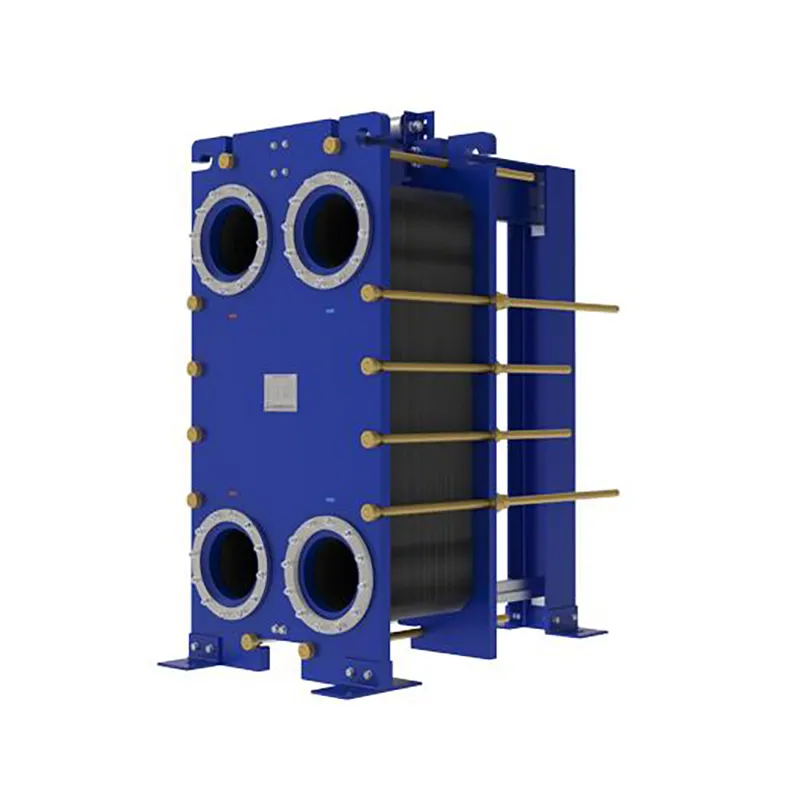
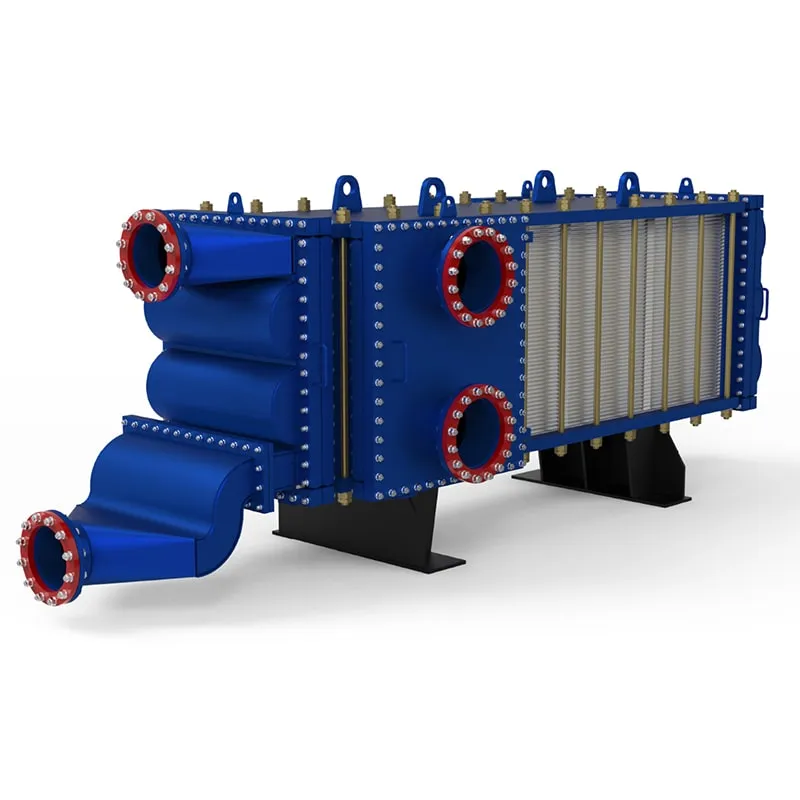
The working principle is straightforward: two fluids flow through alternating channels formed by stacked plates. The corrugated pattern induces turbulence, which breaks the boundary layer and enhances heat transfer. In corrosive fluid handling, the 316L plates act as a barrier between the aggressive medium and the environment. Gaskets or welded seams seal the channels, preventing leaks.
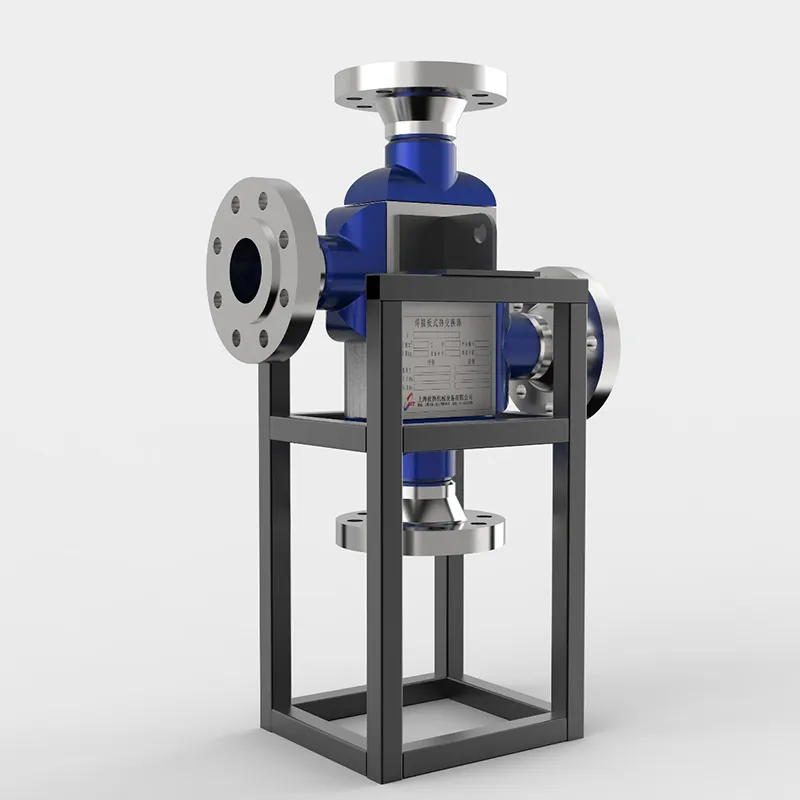
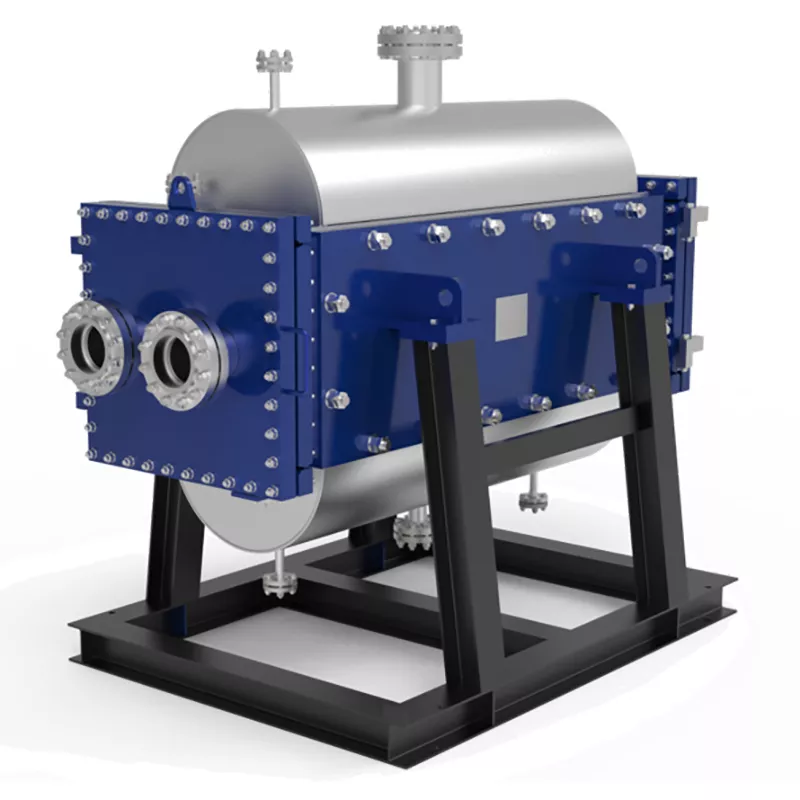
For highly corrosive fluids, fully welded plate heat exchangers eliminate gasket exposure, reducing potential failure points. SHPHE offers HT-Bloc welded plate heat exchangers and wide gap welded plate heat exchangers specifically designed for aggressive media. These designs allow for easy cleaning and inspection while maintaining high thermal efficiency.
Key Features and Typical Parameter Ranges
- Material: 316L stainless steel plates (UNS S31603) with a thickness of 0.4–0.8 mm.
- Pressure rating: Up to 25 bar for gasketed designs; up to 40 bar for fully welded units.
- Temperature range: -20°C to 200°C (gasketed); -200°C to 500°C (welded).
- Flow capacity: From 0.5 m³/h to over 1000 m³/h depending on plate size and number.
- Heat transfer coefficient: Typically 2000–7000 W/m²K for liquid-to-liquid applications.
- Gasket options: EPDM, NBR, Viton, or PTFE for chemical compatibility.
These parameters are industry-standard ranges. Actual performance depends on fluid properties, flow rates, and temperature differences. Always consult a thermal design engineer for precise sizing.
What Are the Most Common Applications for 316L Plate Heat Exchangers?
316L plate heat exchangers are widely used in industries where corrosive fluids are present:
- Chemical processing: Heating or cooling acids, bases, and solvents.
- Pharmaceutical manufacturing: Sterile processes requiring high purity and corrosion resistance.
- Food and beverage: Handling acidic juices, dairy products, and cleaning-in-place (CIP) solutions.
- Oil and gas: Cooling produced water and treating sour gas.
- Marine and desalination: Seawater cooling and brine heating.
- Power generation: Flue gas condensation and wastewater treatment.
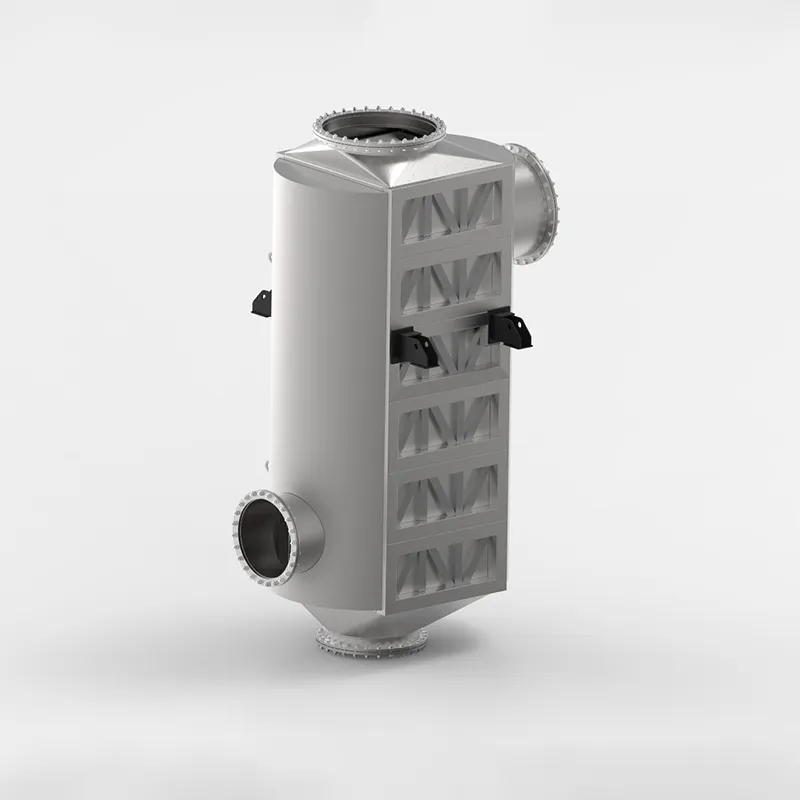
For each application, the heat exchanger design can be tailored. For example, TP welded plate heat exchangers are suitable for high-temperature corrosive gases, while gasketed plate heat exchangers work well for liquid-liquid duties with moderate corrosivity.
Why SHPHE for Your 316L Plate Heat Exchanger?
SHPHE is a Shanghai-based manufacturer founded in 2005, exporting to over 20 countries. We hold ISO9001 and ASME U certifications, ensuring consistent quality and compliance with international standards. Our product range includes HT-Bloc welded plate heat exchangers, wide gap welded units, gasketed plate heat exchangers, PCHE, plate air preheaters, and pillow plates. All units can be manufactured with 316L plates as standard or custom option.
We offer free thermal design and selection service. Our engineers analyze your process conditions and recommend the optimal configuration. Whether you need a compact unit for a skid-mounted system or a large frame for a refinery, we provide a solution that balances performance and cost. Our 316L plate heat exchangers are compatible with Alfa Laval, Compabloc, and GEA frame sizes, making them a reliable alternative for retrofit projects.
Frequently Asked Questions About 316L Plate Heat Exchangers
Can a 316L plate heat exchanger handle hydrochloric acid?
316L has limited resistance to hydrochloric acid, especially at elevated concentrations and temperatures. For dilute HCl at ambient temperature, it may be acceptable, but for stronger solutions, consider higher alloys like Hastelloy or titanium. Always consult a corrosion engineer for specific chemical compatibility.
What is the difference between 316 and 316L in heat exchangers?
The main difference is carbon content. 316L has a maximum carbon content of 0.03%, compared to 0.08% for 316. Lower carbon reduces the risk of intergranular corrosion after welding, making 316L preferred for welded plate heat exchangers. For non-welded gasketed units, both grades perform similarly.
How do I clean a 316L plate heat exchanger after handling corrosive fluids?
Rinse with water immediately after shutdown to remove residual chemicals. For gasketed units, disassemble and brush plates with a soft nylon brush using mild detergent. For welded units, use CIP (clean-in-place) with appropriate cleaning agents. Avoid chloride-based cleaners that can cause pitting.
What gasket material is best for corrosive fluids?
EPDM is suitable for many acids and alkalis. Viton (FKM) handles higher temperatures and aggressive chemicals. PTFE offers excellent chemical resistance but has lower elasticity. For fully welded designs, gaskets are eliminated, which is ideal for the most corrosive services.
Can I retrofit an existing heat exchanger frame with 316L plates?
Yes, in many cases. SHPHE offers replacement plate packs compatible with major brands like Alfa Laval, Compabloc, and GEA. We can manufacture 316L plates to match your existing frame dimensions and port configuration. Provide your model number for a compatibility check.
How long does a 316L plate heat exchanger last in corrosive service?
Lifespan depends on fluid composition, temperature, and maintenance. In well-designed systems with proper cleaning, 316L plate heat exchangers can last 10–20 years. Regular inspection for pitting or gasket degradation helps extend service life. For extreme conditions, consider fully welded designs.
Request a Quote for Your 316L Plate Heat Exchanger
Selecting the right 316L plate heat exchanger for corrosive fluid handling requires accurate process data. To receive a tailored thermal design and quotation, please provide the following details:
- Flow rate for both hot and cold fluids (m³/h or kg/s)
- Inlet and outlet temperatures (°C)
- Operating pressure (bar)
- Fluid composition and concentration (including any corrosive components)
- Desired material (316L or other alloys)
- Connection size and type (if known)
Our engineering team will review your requirements and provide a free selection report within 24 hours. Contact us today to ensure your corrosive fluid handling system operates reliably and efficiently with a 316L plate heat exchanger.

 English EN





User Comments
Service Experience Sharing from Real Customers
Liam
Senior Process EngineerWe swapped out our old gasketed units for these 316l plates in a demanding H2S service. The corrosion resistance is exactly what we needed — after six months of continuous operation, no pitting or edge thinning at all. Installation was straightforward, and the thermal performance actually exceeded our design specs by about 8%. Would spec these again without hesitation.
Emma
Maintenance SupervisorBought a batch of 316l plates for our dairy pasteurization line. They hold up well against the CIP chemicals we run daily, and the pressure drop stayed consistent even after a few months. Only reason I’m not giving 5 stars is that the gasket grooves seemed a bit shallow compared to the OEM ones, but we made them work with a thicker gasket. Overall, solid value for the price.
Tom
Chemical Plant OperatorI've been running these plates in a nitric acid recovery loop for about four months now. The 316l handles the occasional temperature spikes without warping, and the surface finish seems to resist fouling way better than the 304 we used before. Cleaning cycles have dropped from twice a week to once every ten days. Very happy with this upgrade.
Sophie
HVAC Design EngineerWe used these plates for a large-scale district cooling project. The 316l material quality is fine, and the heat transfer coefficient is decent for a stainless option. My issue was the lead time — took almost five weeks longer than quoted, which messed up our schedule. Also, the bolt holes on a couple plates didn't align perfectly with our frame. Spent a day filing them down. Not bad plates, but the logistics need work.