How to Choose Among Leading Plate Heat Exchanger Brands
Selecting the right plate heat exchanger brand is a critical decision for process engineers and purchasing managers. With dozens of manufacturers claiming superior performance, the choice often comes down to balancing thermal efficiency, durability, cost, and after-sales support. This guide cuts through the marketing noise, providing a practical framework to evaluate leading brands—including Alfa Laval, Compabloc, GEA, and Shanghai-based SHPHE—based on real-world parameters and application needs. Whether you need gasketed units for HVAC or welded plate heat exchangers for high-pressure chemical processes, understanding the trade-offs in materials, design flexibility, and certification will help you make an informed procurement decision.
What Defines a Reliable Plate Heat Exchanger Brand?
A reliable plate heat exchanger brand delivers consistent thermal performance across a wide range of operating conditions. Key indicators include certification (ISO9001, ASME U), material traceability, and a proven track record in your industry. For overseas buyers, local engineering support and fast spare parts availability often outweigh minor price differences. Established names like Alfa Laval and GEA have decades of field data, but newer manufacturers like SHPHE (founded in 2005) have closed the gap with modern manufacturing and competitive pricing.
How Do Gasketed and Welded Plate Heat Exchangers Compare?
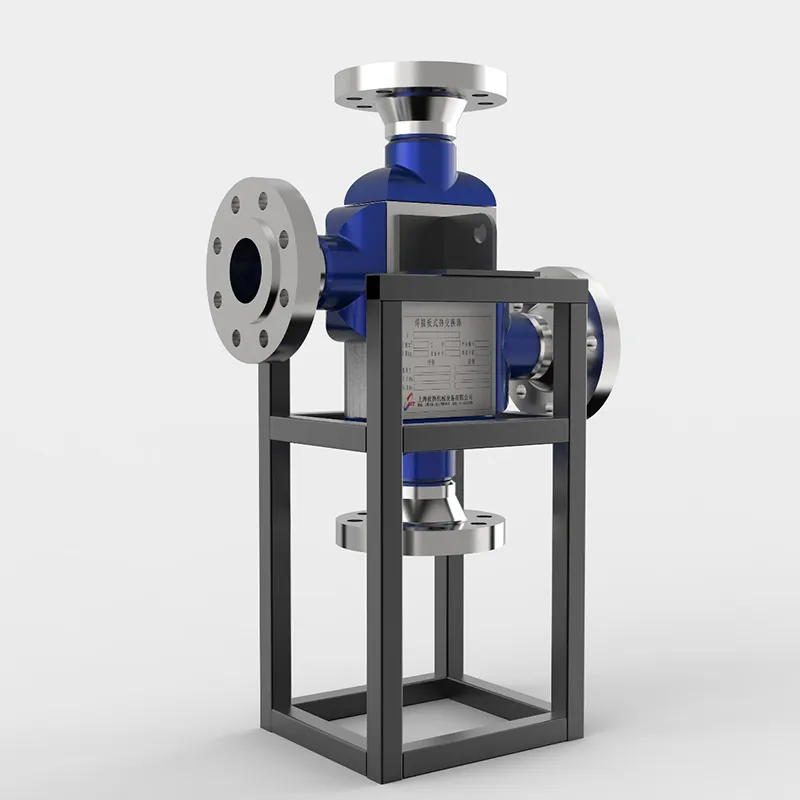
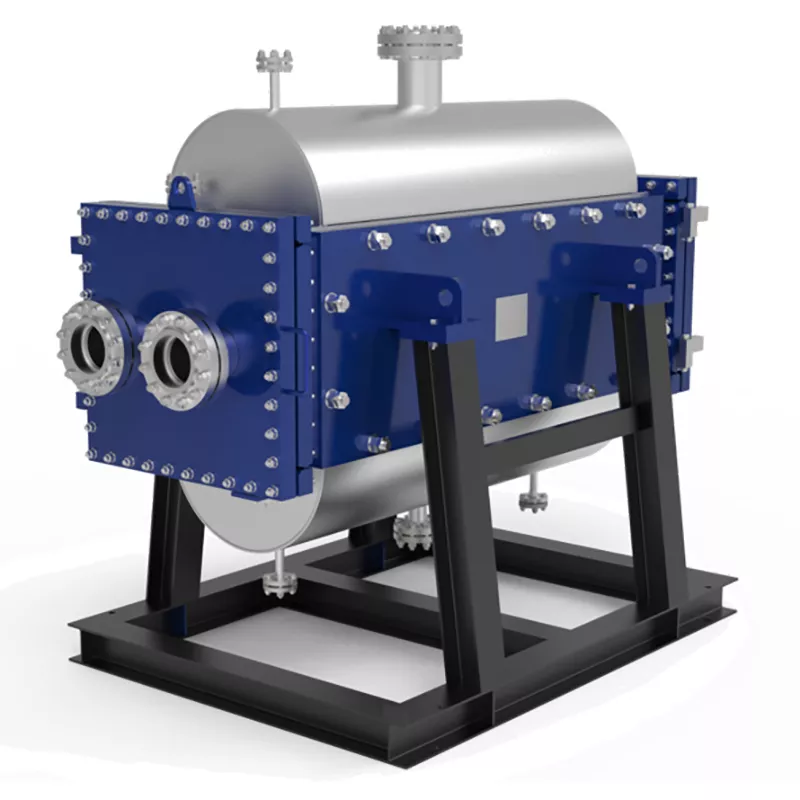
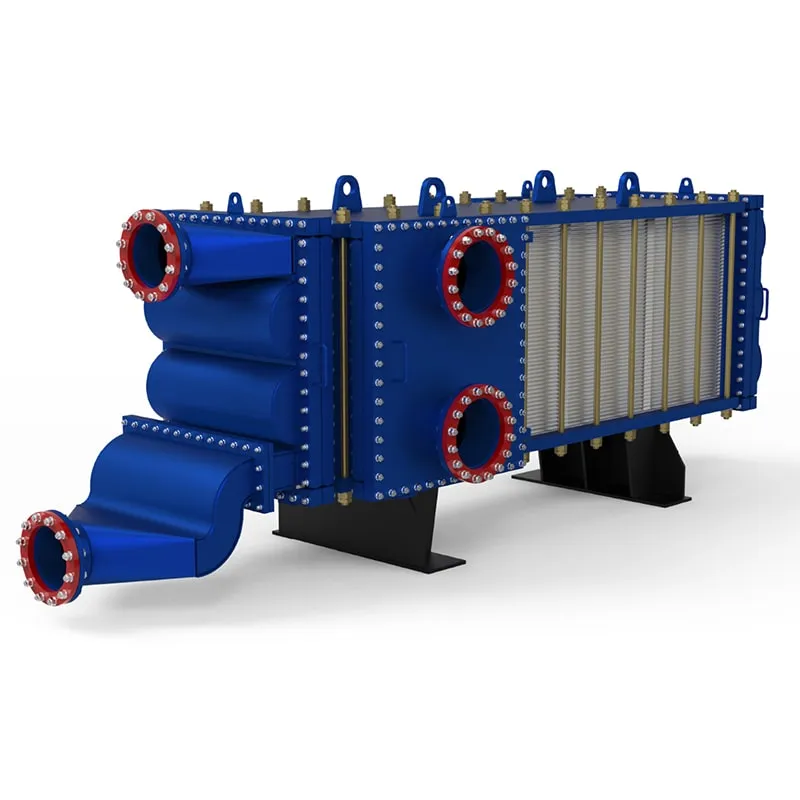
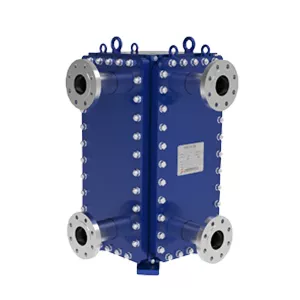
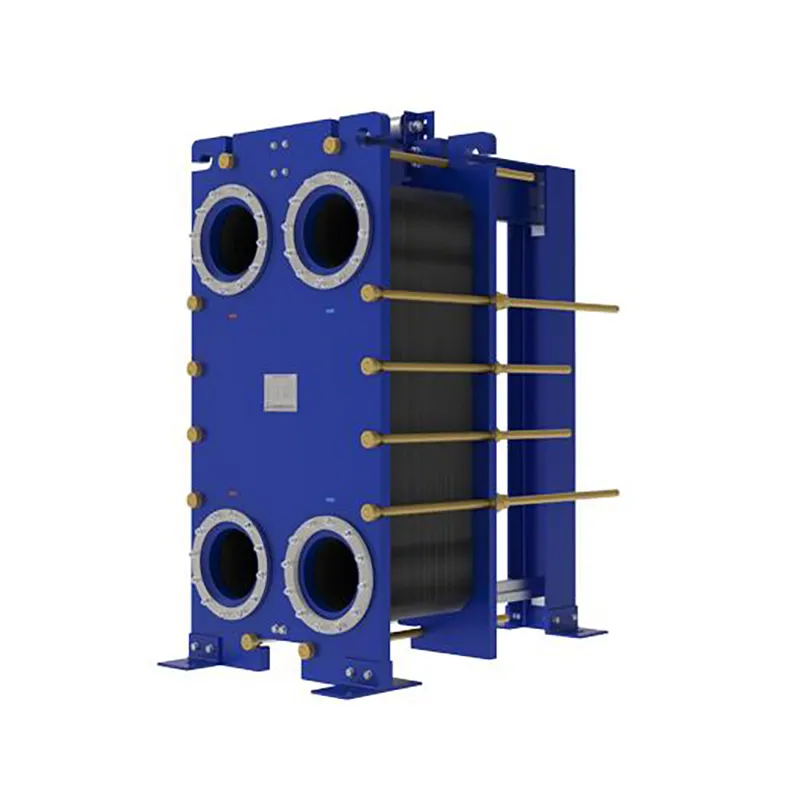
Gasketed plate heat exchangers are the workhorses of low-to-medium pressure applications (up to 25 bar) and temperatures up to 180°C. They offer easy maintenance and expandability. In contrast, welded plate heat exchangers—such as the HT-Bloc and TP Welded Plate Heat Exchangers from SHPHE—handle higher pressures (up to 40 bar) and aggressive media without gasket failure risks. For processes involving hydrocarbons or corrosive chemicals, fully welded designs are often the safer choice.
Key Parameters to Evaluate When Comparing Brands
When reviewing technical proposals from different plate heat exchanger brands, focus on these commonly accepted ranges:
- Design pressure: Up to 30 bar for gasketed, 40+ bar for welded units.
- Temperature range: -40°C to 200°C (gasketed) or up to 450°C (welded, using special alloys).
- Plate materials: Stainless steel 304/316L, titanium, Hastelloy C-276, or nickel alloys.
- Gasket materials: NBR, EPDM, Viton, or PTFE encapsulated.
- Flow capacity: From 1 m³/h to over 2,000 m³/h depending on plate size and number of plates.
Always ask for thermal design calculations based on your specific process data—not generic selection tables.
Applications and Recommended Solutions
Different industries demand different heat exchanger configurations. Here are common scenarios and compatible solutions:
Why SHPHE Stands Out Among Plate Heat Exchanger Brands
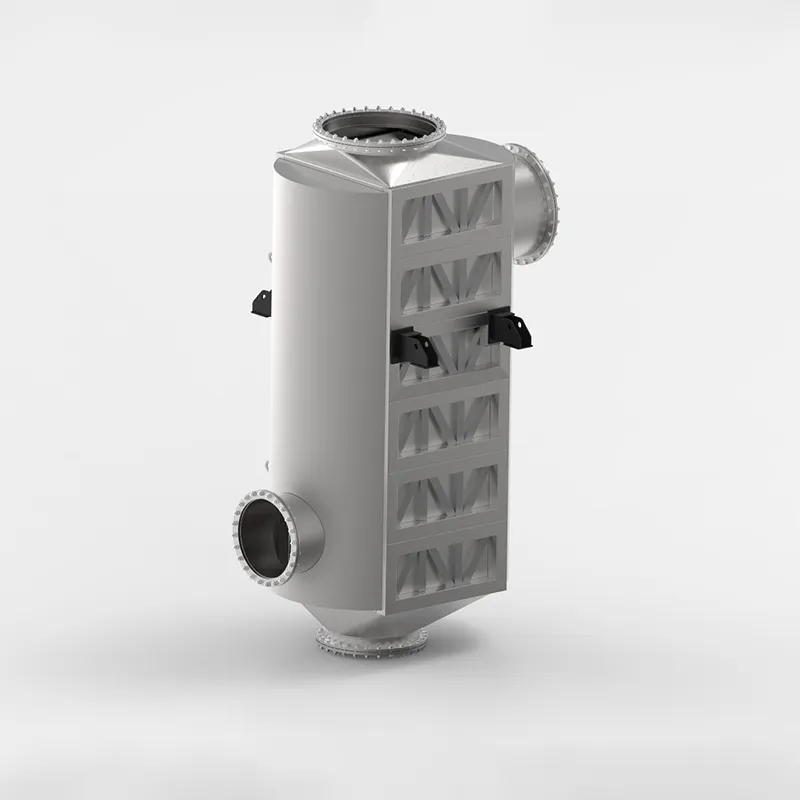
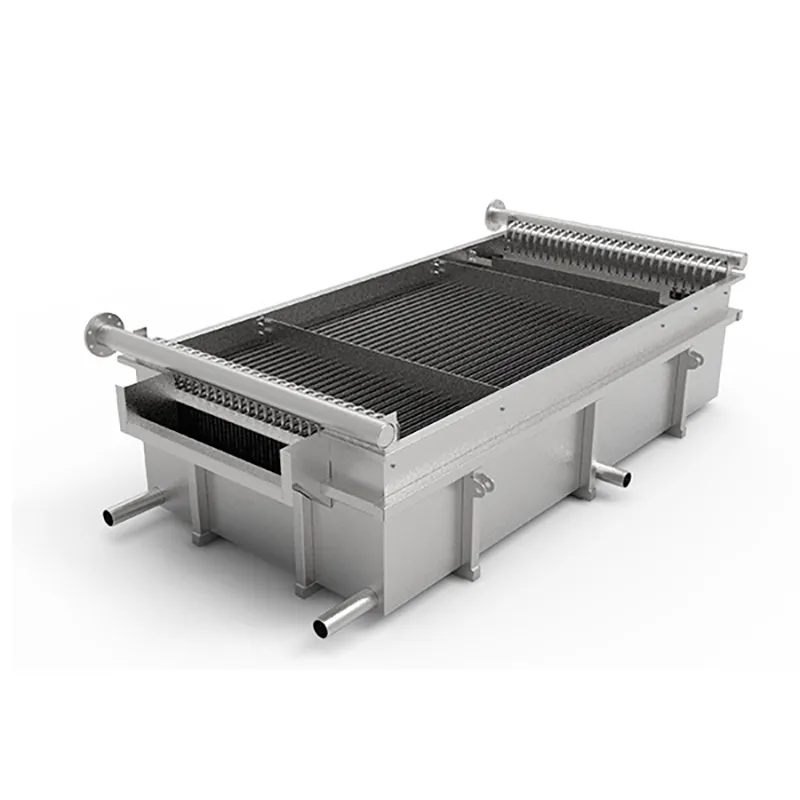
SHPHE, headquartered in Shanghai and founded in 2005, has grown into a trusted supplier for over 20 countries. The company holds ISO9001 and ASME U certifications, ensuring consistent quality for demanding projects. Unlike many brands that only offer standard models, SHPHE provides free thermal design and selection services—helping you match the exact heat transfer area, plate geometry, and material grade to your process. Their product range covers six major categories: HT-Bloc/TP Welded Plate Heat Exchangers, Wide Gap Welded Plate Heat Exchangers, Gasketed Plate Heat Exchangers, PCHE, Plate Air Preheaters, and Pillow Plates. For buyers seeking a reliable alternative to Alfa Laval or Compabloc, SHPHE delivers comparable performance at a more competitive total cost of ownership.
Frequently Asked Questions About Plate Heat Exchanger Selection
How do I know if a gasketed or welded plate heat exchanger is right for my application?
Gasketed units are suitable for clean fluids and moderate pressures. Choose welded designs when your media is corrosive, flammable, or contains solids, or when operating above 25 bar. Welded plate heat exchangers eliminate gasket leak paths and require less frequent maintenance.
Can SHPHE plate heat exchangers replace Alfa Laval or GEA units?
Yes. SHPHE designs many of its gasketed and welded models to be dimensionally compatible with leading brands. Their free thermal design service ensures the replacement unit meets your duty requirements without costly piping modifications.
What certifications should I look for in a plate heat exchanger manufacturer?
Minimum requirements include ISO9001 for quality management and ASME U stamp for pressure vessel compliance. For European projects, PED certification is often mandatory. SHPHE holds both ISO9001 and ASME U certifications.
How long does it take to get a thermal design proposal?
Most reputable brands, including SHPHE, provide a free thermal design within 24 to 48 hours after receiving your process parameters. Provide flow rate, inlet/outlet temperatures, operating pressure, and media type for an accurate quotation.
What is the typical lead time for a custom plate heat exchanger?
Standard gasketed units ship in 4–6 weeks. Welded and custom-engineered designs typically require 8–12 weeks depending on material availability and complexity. SHPHE offers expedited production for urgent projects.
How do I compare total cost of ownership across different brands?
Consider initial purchase price, gasket replacement frequency, plate repair costs, and energy efficiency over 5–10 years. A cheaper unit with higher pressure drop may cost more in pumping energy. Request efficiency curves and maintenance schedules from each supplier.
Request a Quote for Your Plate Heat Exchanger Project
Choosing the right plate heat exchanger brand starts with accurate process data. To receive a free thermal design and competitive quotation, please provide the following details: flow rate (hot and cold side), inlet and outlet temperatures, operating pressure, pressure drop allowance, media composition, and any special material requirements. SHPHE’s engineering team will review your specifications and recommend the most cost-effective solution—whether it is a gasketed plate heat exchanger, a welded plate heat exchanger, or a custom-engineered unit. Contact us today to move your project forward.

 English EN





User Comments
Service Experience Sharing from Real Customers
Ethan
Maintenance SupervisorWe swapped our old gasketed units for a top-tier brand from this list—Alfa Laval—and the difference in heat recovery is night and day. The plates are holding up great after six months of heavy chemical processing. No leaks, easy to pull apart for cleaning. Worth every penny for our uptime.
Maya
HVAC Design EngineerSpec'd a Tranter plate heat exchanger for a new office building retrofit. Installation was straightforward, and the footprint is tiny compared to a shell-and-tube. Only gripe is the manual could be clearer on pressure drop calculations, but the unit itself performs solidly. Would buy again.
Oscar
Plant Operations ManagerBeen running a GEA unit in our dairy pasteurization line for two years now. The plates are super easy to swap when we change product runs, and the CIP cycle does a proper job. No fouling issues like we had with cheaper brands. My team doesn't dread maintenance days anymore.
Priya
Process EngineerTried a lesser-known brand from the list to save budget—it works okay for low-pressure glycol loops, but I wouldn't trust it for high-temp steam duty. Had a gasket blow after three months. Customer support was slow. Stick with the established names if you need reliability.