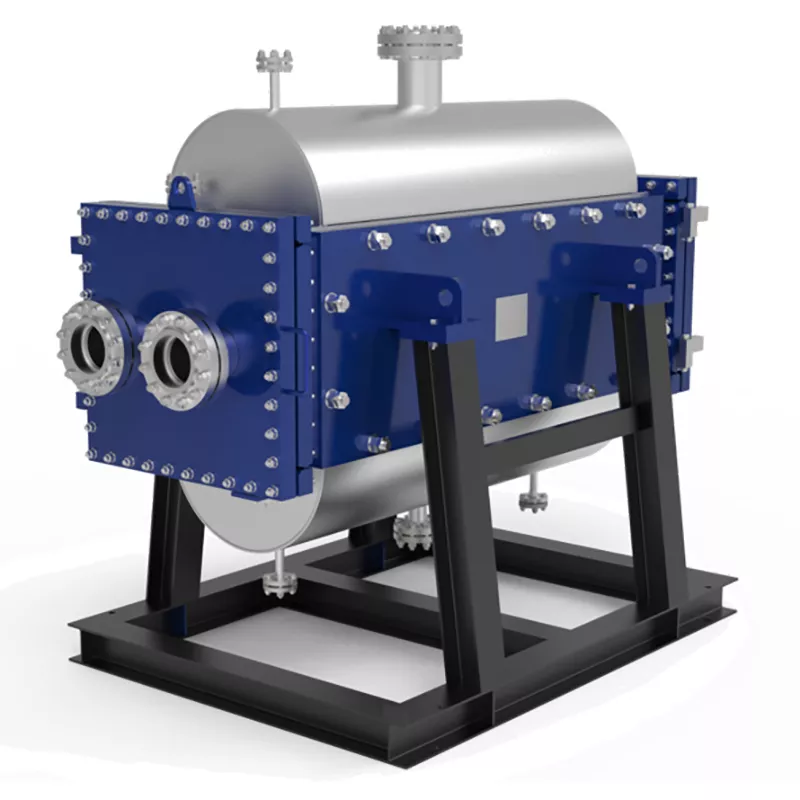
What Are The Different Types of Plate Heat Exchangers
Plate Heat Exchangers include gasketed, brazed, welded, semi-welded, shell and plate, and specialty types for varied industrial uses.
MoreVisual inspection of the gasket surface is the first step in identifying replacement needs. Look for cracks, splits, or missing fragments along the gasket profile. Even small tears can compromise the seal under operating pressure.
Common indicators include:
For more details, visit gasketed plate heat exchangers product page.
Leakage at the edges of heat exchanger plates is a clear sign of gasket failure. Look for these visual cues during routine inspection.
Common visual signs include:
A decline in thermal performance is often the first observable sign of gasket degradation. When gaskets lose elasticity or become compressed unevenly, the seal between plates weakens, leading to internal leakage or cross-contamination between fluid channels. This directly reduces the heat transfer coefficient and increases pressure drop across the exchanger.
Operators may notice that the outlet temperatures of both fluids deviate from design specifications, requiring longer processing times or higher energy input to achieve the same thermal duty. In some cases, visible fluctuations in temperature readings or unusual noise from the unit can indicate flow disruption caused by failed gaskets.
| Performance Parameter | Normal Operation | Gasket Deterioration Indication |
|---|---|---|
| Heat Transfer Coefficient (U-value) | Stable within ±5% of design | Gradual decline exceeding 10% |
| Pressure Drop (ΔP) | Consistent per design curve | Unpredictable increase or decrease |
| Outlet Temperature Stability | Steady within ±1°C | Fluctuations >2°C or drifting |
| Flow Rate Consistency | Nominal flow maintained | Unexplained reduction or imbalance |
Monitoring these parameters regularly helps in early detection. A drop in heat transfer efficiency of more than 10% from baseline, combined with unstable pressure readings, strongly suggests that the gaskets have hardened, cracked, or lost their sealing force. Immediate inspection is recommended to prevent further performance loss and potential cross-contamination of process fluids.
For more detailed guidance on maintaining plate heat exchanger components, refer to the technical documentation available at our gasketed plate heat exchanger product page or explore welded plate heat exchanger options for alternative sealing technologies.
As elastomers age, cross-linking increases, causing the gasket material to lose flexibility and become rigid. Hardened gaskets cannot conform to plate surface irregularities under compression, leading to micro-leakage paths. A visual indicator is a glossy or brittle surface texture; tactile inspection reveals reduced pliability. Hardening often results from prolonged exposure to temperatures above the gasket's rated limit or aggressive chemical attack.
Compression set refers to the permanent deformation a gasket retains after being compressed. When a gasket takes a compression set, it no longer exerts sufficient recovery force to maintain a tight seal. This is commonly caused by over-tightening of the plate pack or sustained thermal cycling. Measurement involves comparing original thickness versus thickness after removal from the clamped assembly — a reduction exceeding 20% typically indicates replacement is needed.
Elasticity loss means the gasket cannot snap back to its original shape after compression is released. This is often observed as permanent flattening in the gasket groove area. Causes include chemical swelling, plasticizer migration, or ozone cracking. A simple field test: press a fingernail into the gasket surface; if the indentation remains for more than a few seconds without recovery, the elastomer has lost its elastic memory and sealing performance is compromised.
Summary
Signs of Physical Wear and Tearing on the Gasket Surface
Visible cuts, cracks, or missing fragments on the gasket face indicate direct material failure. Any surface irregularities or deformation compromise the seal and require immediate replacement.
Visual Indicators of Fluid Leakage at the Plate Edges
Dampness, droplet formation, or dried residue along the perimeter of the plate pack are clear signs that the gasket is no longer containing the process fluid. Even minor seepage warrants inspection and replacement.
Changes in Operational Performance and Heat Transfer Efficiency
A noticeable drop in thermal performance, increased pressure drop, or longer heat-up times often result from gasket failure. Reduced efficiency signals that the gasket can no longer maintain proper channel separation.
Gasket Hardening, Compression Set, and Loss of Elasticity
When the gasket becomes stiff, brittle, or fails to rebound after compression, it has lost its elastic recovery. This permanent deformation prevents effective sealing under operating pressure.
Age of the Gasket Relative to Manufacturer Service Life Guidelines
Exceeding the recommended service interval — typically 5–8 years depending on material and operating conditions — increases the risk of sudden failure. Always adhere to the manufacturer’s lifespan specification for proactive replacement.
Regular inspection of these five indicators ensures reliable operation and prevents unplanned downtime. Replace the gasket immediately if any of the above conditions are observed.
We provide you with comprehensive foreign trade solutions to help enterprises achieve global development
Select the most popular foreign trade service products to meet your diverse needs
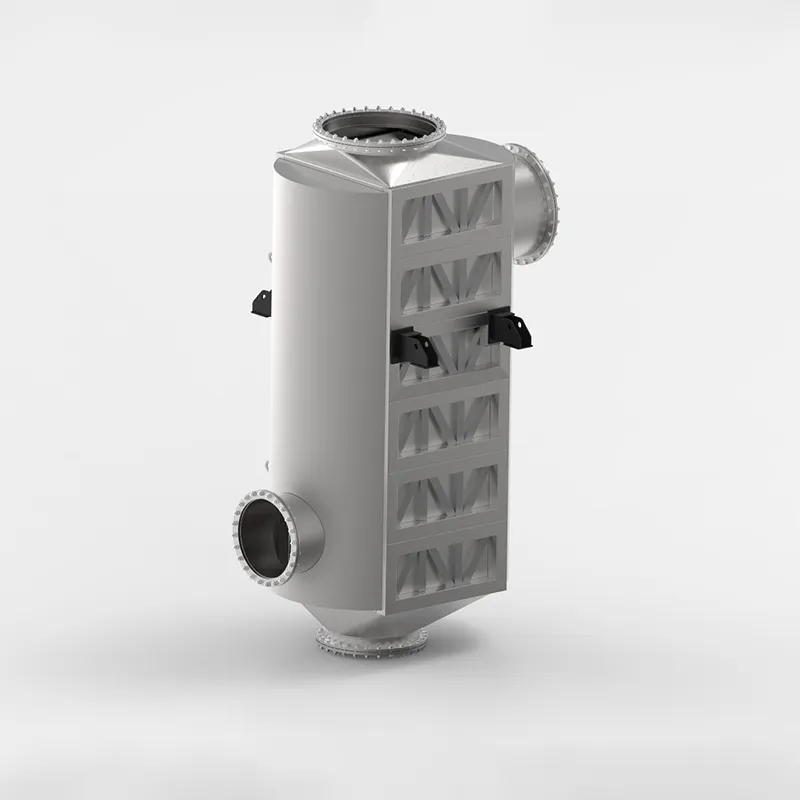
Industrial furnace and boiler exhaust gases carry vast amounts of unutilized thermal energy. The SHPHE custom Plate Air Preheater (PAPH) is target-engineered to intercept this high-temperature flue gas, recovering valuable waste heat and transferring it directly back to incoming combustion air or process gas streams. By substantially elevating the temperature of your flame feed, our custom systems optimize combustion thermodynamics, deliver massive fuel savings, and significantly reduce industrial carbon and emissions footprints. Built to withstand severe flue-gas environments, SHPHE PAPH systems serve as the premier choice for modern, energy-intensive plants prioritizing decarb compliance and maximum thermal efficiency.
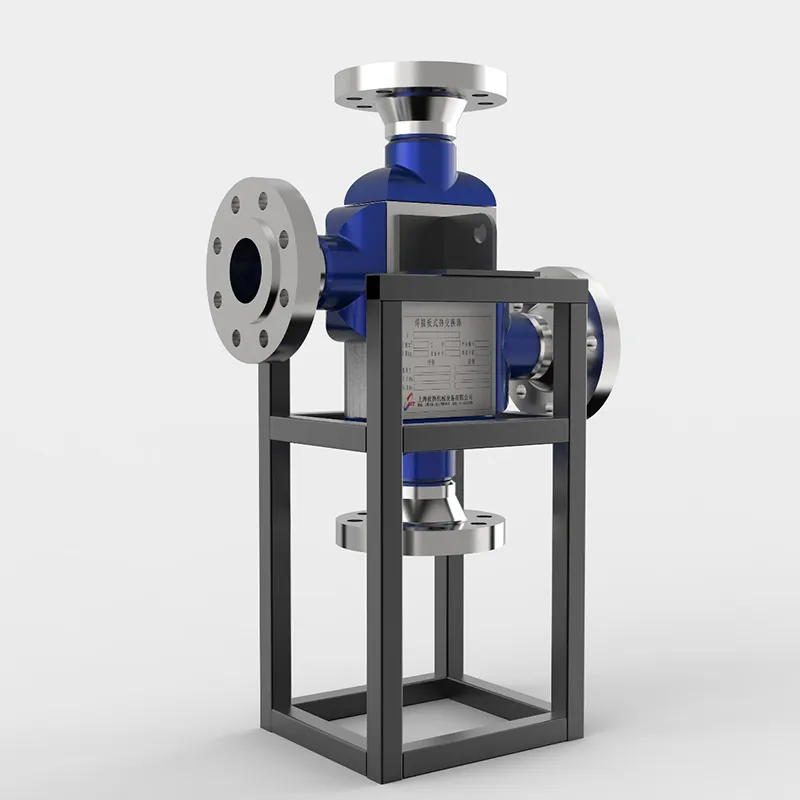
Industrial processes involving particle-laden slurries, high-viscosity syrups, or fiber-rich pulp demand more than standard equipment—they require target-engineered thermal management. At SHPHE, we configure the TP Welded Plate Heat Exchanger to directly conquer your plant's severe fouling, blockage, and erosion threats. Combining custom-tailored channel geometries, wear-resistant metallurgy, and integrated CIP (Cleaning-in-Place) systems, we deliver absolute production continuity where conventional heat exchangers fail.
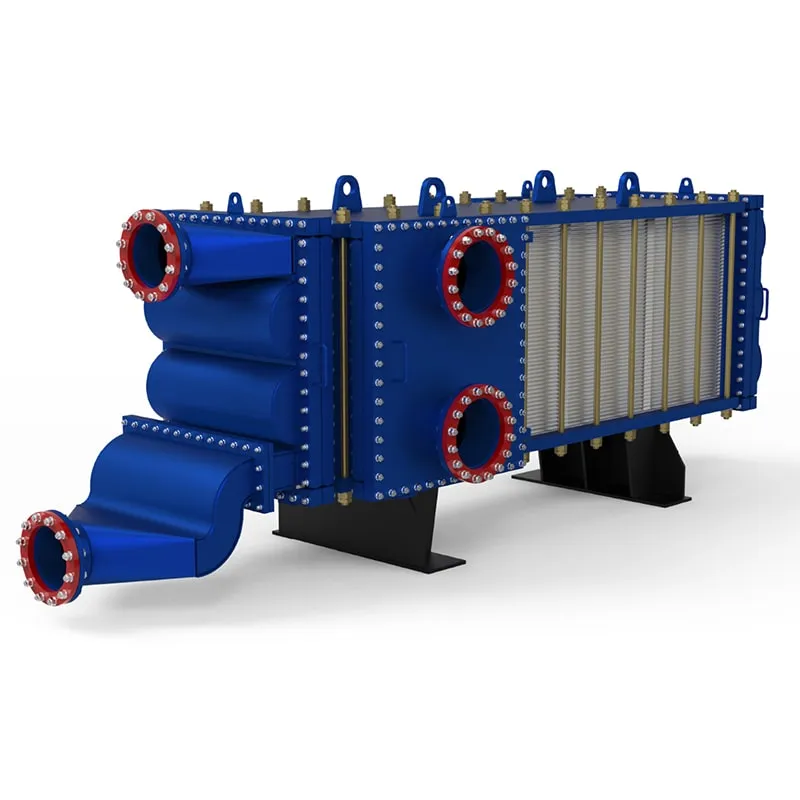
Since the invention of the plate heat exchanger (PHE) in 1923, thermal technology has evolved from standard food-grade processing to highly complex industrial operations. At SHPHE, we take this classic, versatile design and transform it into highly bespoke heat transfer solutions tailored to your unique process fluids and thermal loads. While traditional gasketed PHEs offer high efficiency and compact footprints, SHPHE optimizes plate corrugations, metallurgy, and sealing systems to handle your specific chemical, HVAC, or energy recovery parameters. Our custom-engineered gasketed plate heat exchangers provide outstanding scalability and ease of maintenance, serving as an indispensable asset for heavy industries—including oil and gas, metallurgy, and food processing—where uptime, energy recovery, and long-term sustainability are top priorities.
User Comments
Service Experience Sharing from Real Customers
Elena
Maintenance SupervisorWe swapped out the old rubber seals on our APV units with these gaskets and the fit was spot-on. No more weeping after a week of full pressure. Saved us a shutdown headache.
Marcus
HVAC Service TechnicianHad to replace a leaking gasket on a client's commercial chiller. This one matched the OEM dimensions perfectly. Snapped right into the grooves. Only gave 4 stars because the packaging could be a bit sturdier for shipping.
Sofia
Chemical Process EngineerWe've been testing these gaskets in a mildly aggressive chemical loop for three months now. No swelling, no hardening. Material seems to hold up better than the last brand we used. Definitely ordering more for the other units.
Derek
Shift Lead / OperatorMy boss told me to grab a quick replacement for a plate pack on a dairy pasteurizer. These were in stock and shipped fast. Installed without any trimming needed. So far so good after two CIP cycles. Happy with the purchase.