Why Choose an NBR Gasket Plate Heat Exchanger for Your System
Selecting the right heat exchanger for your process system is critical for efficiency, reliability, and long-term operating cost. An NBR gasket plate heat exchanger offers a practical balance of thermal performance, chemical compatibility, and affordability, especially for water-based and low-oil media. This article explains how it works, where it fits, and what to consider when specifying one for your next project.
What Is an NBR Gasket Plate Heat Exchanger?
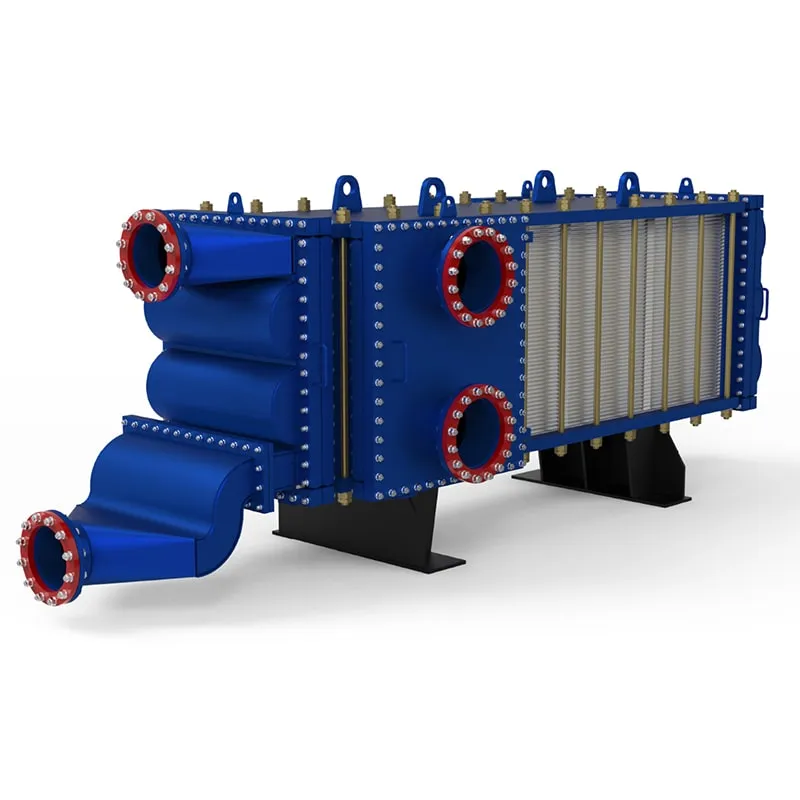
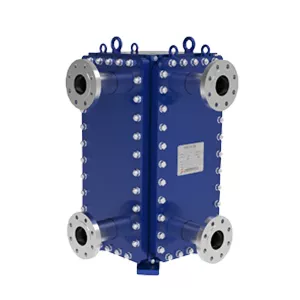
An NBR gasket plate heat exchanger is a type of gasketed plate heat exchanger where the elastomer sealing gaskets are made from nitrile butadiene rubber (NBR). These gaskets sit between corrugated metal plates to create alternating channels for hot and cold fluids. The design allows for high heat transfer rates in a compact footprint. NBR is widely chosen for its good resistance to oils, greases, and moderate temperature ranges, making it a standard option in HVAC, food processing, and industrial cooling applications.
How Does an NBR Gasket Plate Heat Exchanger Work?
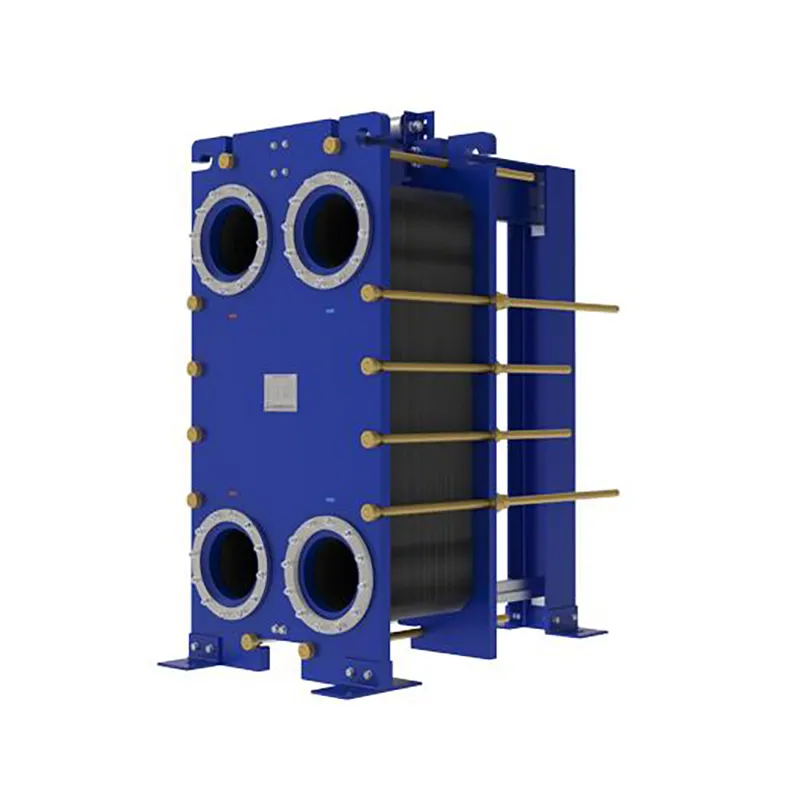
The core principle is countercurrent flow. Hot fluid enters through one port and cold fluid through another, flowing in opposite directions across the plate surface. The NBR gaskets seal the plate pack and direct each fluid into its designated channel. This arrangement maximizes the temperature gradient and achieves thermal efficiencies often exceeding 90%. The plates are clamped together in a frame, allowing easy disassembly for cleaning or plate replacement.
What Are the Typical Parameter Ranges for NBR Gasket Heat Exchangers?
While exact values depend on the specific model and manufacturer, industry-generic ranges for NBR gasket plate heat exchangers include:
| Parameter |
Typical Range |
| Operating Temperature |
-20°C to 140°C |
| Operating Pressure |
Up to 25 bar (depending on design) |
| Plate Material |
Stainless steel 304/316L, titanium, or Hastelloy |
| Flow Capacity |
From 1 m³/h to over 1000 m³/h |
| Heat Transfer Coefficient |
3000–7000 W/m²·K |
Where Are NBR Gasket Plate Heat Exchangers Commonly Used?
NBR gasket heat exchangers are well-suited for applications involving water, water-glycol mixtures, and light oils. Typical sectors include:
- HVAC systems for district heating and cooling
- Food and beverage processing (pasteurization, CIP heating)
- Industrial process cooling and heat recovery
- Marine and offshore systems
- Chemical processing with compatible media
Why Choose SHPHE for Your NBR Gasket Plate Heat Exchanger?
SHPHE, a Shanghai-based manufacturer founded in 2005, brings over two decades of experience to the plate heat exchanger market. The company is ISO9001 and ASME U certified, and exports to more than 20 countries. Their product range includes gasketed plate heat exchangers, HT-Bloc welded plate units, wide gap welded designs, PCHE, plate air preheaters, and pillow plates. For NBR gasket applications, SHPHE offers free thermal design and selection services, helping you match the correct plate count, gasket material, and frame size to your process conditions. Whether you need a standard unit or a custom-engineered solution, their team works closely with your specifications.
How Does an NBR Gasket Compare to Other Gasket Materials?
NBR is a cost-effective choice for media that do not exceed 140°C and are free from strong acids or ozone. For higher temperatures or aggressive chemicals, EPDM or Viton gaskets may be more appropriate. However, for water-based systems with occasional oil contact, NBR provides reliable sealing with good longevity. It is also compatible with many standard cleaning agents used in CIP cycles.
Can an NBR Gasket Heat Exchanger Replace an Existing Unit from Another Brand?
Yes. SHPHE designs its gasketed plate heat exchangers to be compatible with many existing frames from brands such as Alfa Laval, Compabloc, and GEA. The plate patterns and port locations are engineered to match or adapt to existing installations. This makes it possible to replace worn-out units or expand capacity without re-piping the entire system. Always verify the port size, plate thickness, and gasket groove dimensions with the manufacturer before ordering.
What Maintenance Is Required for NBR Gasket Plate Heat Exchangers?
Routine maintenance includes periodic inspection of gasket condition, tightening of the clamping bolts to the specified torque, and cleaning the plate surfaces to remove fouling. NBR gaskets typically last 3–5 years depending on temperature cycling and chemical exposure. When gaskets show signs of hardening or cracking, they should be replaced promptly to avoid leaks. SHPHE provides replacement gasket kits and plate sets for all their models.
Frequently Asked Questions
Q: What is the maximum temperature for NBR gaskets in a plate heat exchanger?
A: The maximum continuous operating temperature for NBR gaskets is typically around 140°C. Brief spikes up to 150°C may be tolerated, but prolonged exposure above 140°C will accelerate aging and reduce gasket life.
Q: Can I use an NBR gasket heat exchanger with seawater?
A: Yes, but the plates should be made from titanium or a suitable corrosion-resistant alloy. NBR gaskets themselves are resistant to seawater, but the plate material must be selected to avoid pitting or crevice corrosion.
Q: How do I know if my system needs an NBR gasket or an EPDM gasket?
A: If your media contains oils, greases, or hydrocarbons, NBR is the better choice. For hot water, steam, or food-grade applications without oil, EPDM is often preferred due to its higher temperature resistance and lower cost.
Q: Can I add more plates to an existing NBR gasket heat exchanger?
A: In most frame designs, additional plates can be added as long as the frame has spare clamping length. This allows you to increase thermal capacity without buying a new unit. Consult the manufacturer for maximum plate count per frame size.
Q: How often should I replace NBR gaskets in a plate heat exchanger?
A: Typical replacement intervals are every 3 to 5 years, depending on operating temperature, chemical exposure, and maintenance practices. Regular inspection for cracks, hardening, or compression set will help determine the right schedule.
Q: Does SHPHE provide custom plate designs for NBR gasket heat exchangers?
A: Yes, SHPHE offers free thermal design and selection services. Their engineers can customize plate patterns, port sizes, and gasket materials to match your specific flow, temperature, and pressure requirements.
Request a Quote for Your NBR Gasket Plate Heat Exchanger
To get a precise recommendation for your system, please provide the following details when contacting SHPHE: flow rate (hot and cold side), inlet and outlet temperatures, operating pressure, and the type of media being used. This information allows their team to perform a free thermal design and select the optimal NBR gasket plate heat exchanger for your process. Whether you are upgrading an existing line or building a new plant, choosing the right heat exchanger starts with accurate process data.

 English EN





User Comments
Service Experience Sharing from Real Customers
Marcus Chen
Maintenance SupervisorWe swapped out our old gaskets for these NBR ones on a plate heat exchanger that handles a cooling loop with some glycol mix. The seal is holding up way better under the temp swings we get—no more weeping at the joints after a hot shutdown. Installation was straightforward, no weird fitment issues. Solid upgrade for the money.
Sofia Ramirez
Process EngineerBeen running these NBR gaskets on a small dairy pasteurizer for about three months now. They handle the daily CIP cycles with caustic and acid without swelling up like the previous ones did. Only giving 4 stars because the initial compression felt a bit stiff—had to torque the plate pack a second time after a few hours. Otherwise, no leaks and consistent performance.
Liam O'Donnell
HVAC TechnicianHad a nightmare with a leaking plate pack on a chiller in a commercial building. These NBR gaskets fit like a glove on the old Alfa Laval unit. The material feels durable, not that brittle rubber you sometimes get. Been a month and the pressure drop is steady, no signs of degradation. Would recommend to any tech dealing with water/glycol systems.
Priya Kapoor
Plant Operations ManagerOrdered a full set of NBR gaskets for our heat exchanger after a gasket failure caused a production line stop. These arrived quickly and matched the OEM dimensions perfectly. The rubber feels slightly harder than the originals, but they seal tight and handle the 80°C process water without issues. Only minor gripe is the packaging—some gaskets were slightly creased, but they flattened out fine during assembly.