Understanding the Role of GEA Plate Heat Exchanger Gaskets in System Efficiency
Article Summary: This article examines how gaskets in plate heat exchangers directly influence thermal performance, leak prevention, and operational longevity. It covers the working principles, material selection, common failure modes, and practical solutions for process engineers and purchasing managers. The content also highlights how proper gasket maintenance and replacement can reduce downtime and energy costs, with a focus on compatible alternatives for GEA systems. Realistic parameter ranges and actionable advice are provided throughout.
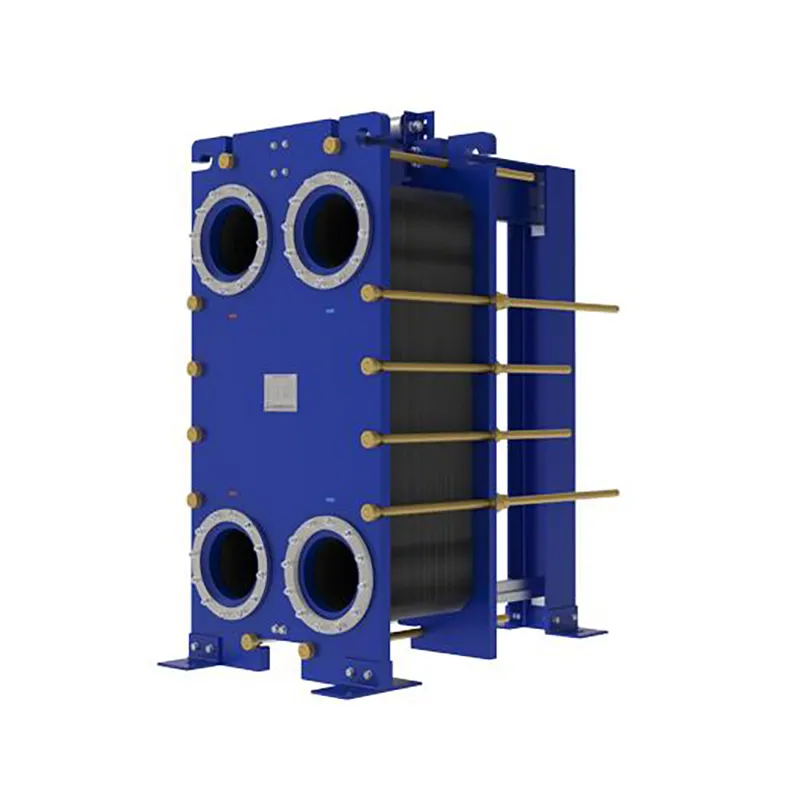
Plate heat exchangers (PHEs) are widely used in industrial heating and cooling applications due to their compact design and high heat transfer efficiency. However, the performance of any gasketed plate heat exchanger depends heavily on the integrity of its gaskets. GEA plate heat exchanger gaskets play a critical role in sealing the fluid channels, preventing cross-contamination, and maintaining thermal efficiency. When gaskets degrade, system efficiency drops, energy consumption rises, and unplanned maintenance costs increase. For process engineers and purchasing managers, understanding gasket behavior is essential for optimizing system reliability and total cost of ownership.
What Are GEA Plate Heat Exchanger Gaskets and Why Do They Matter?
Gaskets are elastomeric seals placed between the heat exchanger plates. They direct the flow of hot and cold media into alternating channels, preventing mixing while allowing efficient heat transfer. In systems designed or compatible with GEA equipment, the gasket material must withstand specific temperature, pressure, and chemical exposure. A failed gasket leads to internal leakage, reduced heat transfer, and potential process contamination. According to industry data, gasket-related issues account for nearly 40% of all PHE maintenance events in process industries. Therefore, selecting the right gasket is not a minor detail—it is a core factor in system efficiency.
How Do Gaskets Affect Heat Transfer and Pressure Drop?
Gaskets influence both thermal performance and hydraulic behavior. When gaskets are worn or compressed unevenly, the plate gap changes, altering fluid velocity and turbulence. This reduces the overall heat transfer coefficient (U-value). For example, a typical gasketed plate heat exchanger operates with U-values between 3,000 and 7,000 W/m²K for water-to-water applications. If gaskets lose elasticity, the U-value can drop by 15–25%, forcing the system to run longer or at higher flow rates to meet thermal duty. Additionally, gasket swelling or hardening increases pressure drop, which strains pumps and raises energy consumption. Regular inspection and timely replacement of gasketed plate heat exchangers components help maintain design parameters.
Common Gasket Materials and Their Operating Ranges
The choice of gasket material depends on the fluid type, temperature, and pressure. Below are commonly accepted industry ranges for standard elastomers used in GEA-compatible plate heat exchanger gaskets:
| Material |
Max Temperature (°C) |
Max Pressure (bar) |
Typical Applications |
| NBR (Nitrile) |
130 |
10 |
Water, oils, mild chemicals |
| EPDM |
150 |
16 |
Hot water, steam, dilute acids |
| FPM (Viton) |
200 |
20 |
Aggressive chemicals, high temp |
| HNBR |
160 |
16 |
Oil & gas, high-pressure water |
These values are generic industry standards. For specific process conditions, always consult the manufacturer's material compatibility chart. SHPHE offers free thermal design and selection service to help match gasket materials with your operating environment.
What Causes Gasket Failure in Plate Heat Exchangers?
Gasket failure typically results from a combination of thermal, mechanical, and chemical stress. Common failure modes include:
- Thermal degradation: Prolonged exposure above the rated temperature causes hardening, cracking, or loss of elasticity.
- Chemical attack: Incompatible fluids cause swelling, softening, or embrittlement.
- Compression set: Permanent deformation after extended clamping reduces sealing force.
- Improper installation: Misalignment or uneven torque leads to localized stress and leakage.
- Aging: Natural rubber compounds degrade over time, even under normal conditions.
Regular condition monitoring—such as visual inspection, pressure testing, and thermal imaging—can detect early signs of gasket wear. Replacing gaskets proactively, rather than after a leak occurs, saves both energy and repair costs.
Recommended Solutions for Gasket Replacement and Upgrades
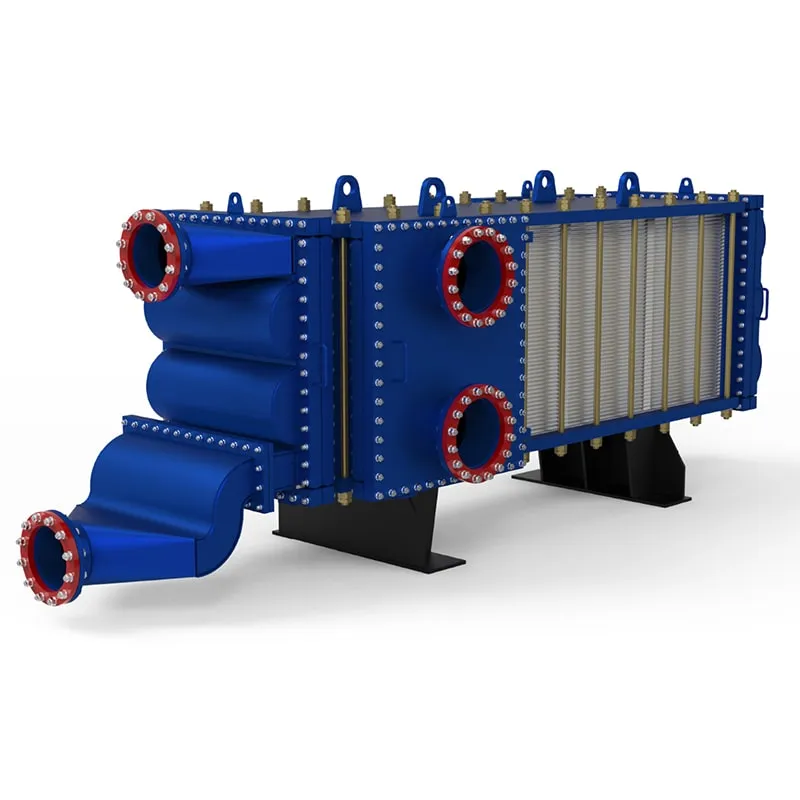
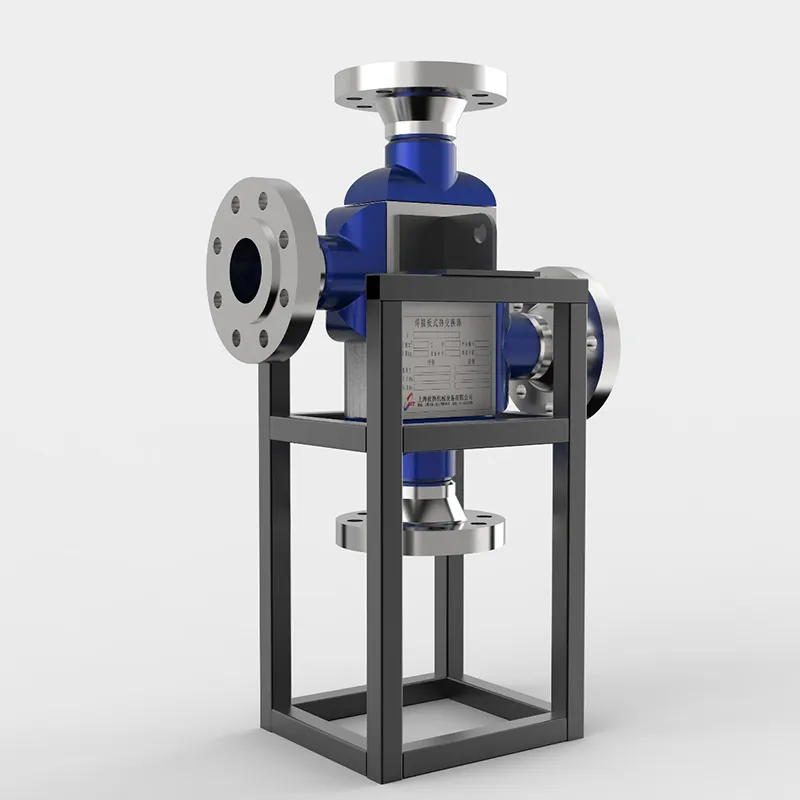
When replacing GEA plate heat exchanger gaskets, you have two main options: OEM parts or compatible aftermarket alternatives. Aftermarket gaskets from reputable manufacturers like SHPHE are designed to meet or exceed OEM specifications, often at a lower cost and with shorter lead times. For high-temperature or aggressive chemical duties, consider upgrading to advanced elastomers such as FPM or HNBR. In some cases, switching to a welded plate heat exchanger design—such as the HT-Bloc welded plate heat exchanger—eliminates gasket issues entirely for demanding applications. However, for most standard processes, a well-maintained gasketed unit remains the most cost-effective solution.
Applications Where Gasket Performance Is Critical
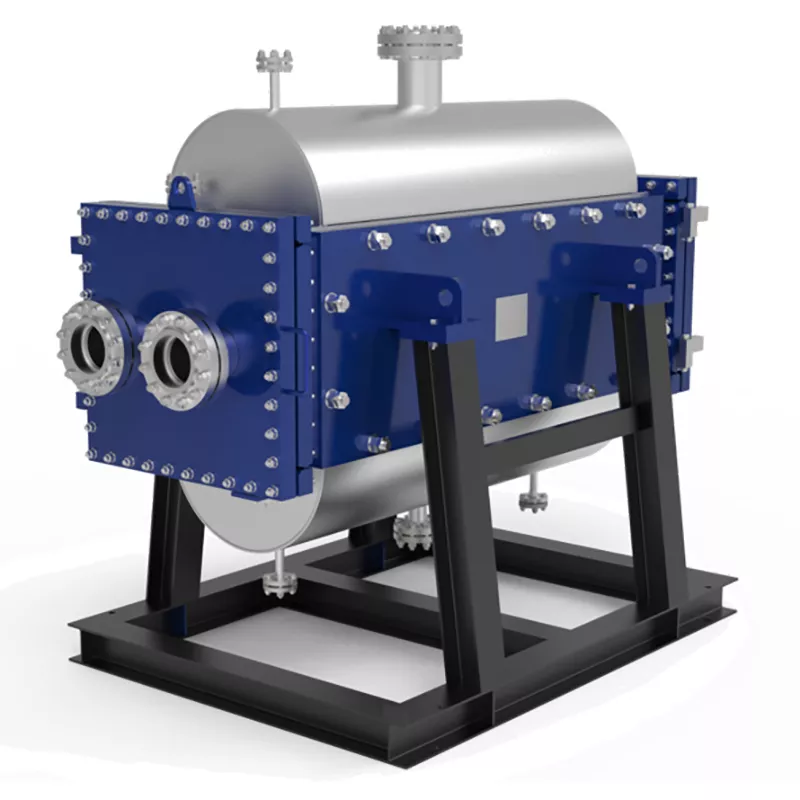
GEA plate heat exchanger gaskets are used across many industries. In HVAC systems, they handle chilled water and hot water loops. In food and beverage processing, they must meet hygiene standards and resist CIP chemicals. In chemical plants, gaskets face aggressive solvents and high temperatures. In oil and gas, high-pressure steam and hydrocarbon fluids demand robust sealing. For each application, the gasket material and design must be carefully selected. For example, in a dairy pasteurizer operating at 85°C with periodic caustic cleaning, EPDM gaskets are a standard choice. In a refinery heat recovery unit running at 180°C, FPM gaskets are more appropriate. If your process involves fouling fluids, consider a wide gap welded plate heat exchanger as an alternative to gasketed designs.
Why Choose SHPHE for Your Gasket and Heat Exchanger Needs?
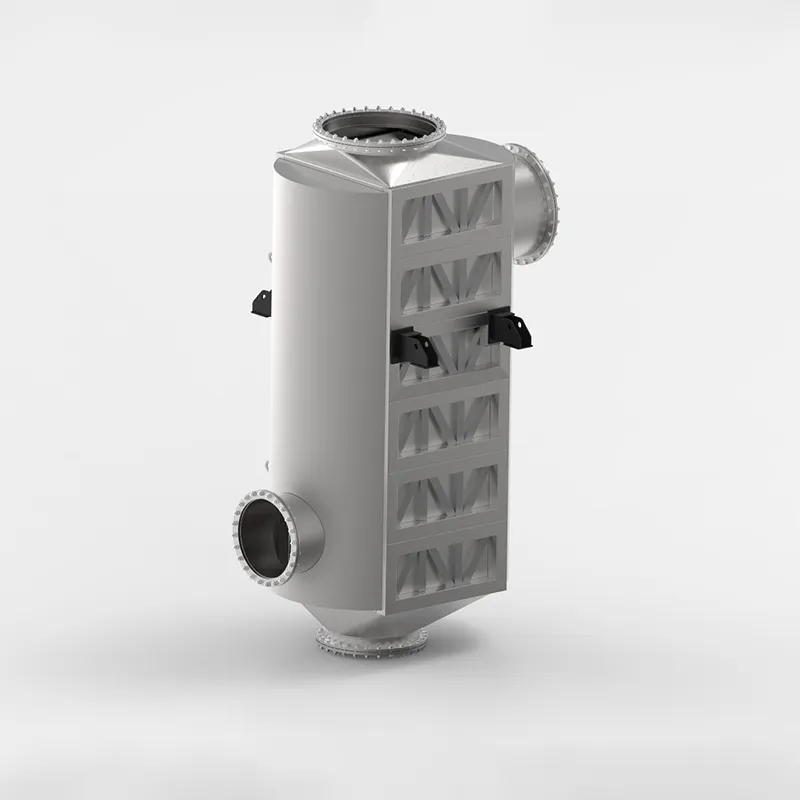
SHPHE is a Shanghai-based plate heat exchanger manufacturer founded in 2005, exporting to over 20 countries. The company holds ISO9001 and ASME U certifications, ensuring consistent quality across its product lines. SHPHE offers a full range of solutions, including HT-Bloc welded plate heat exchangers, TP welded plate heat exchangers, wide gap welded plate heat exchangers, gasketed plate heat exchangers, printed circuit heat exchangers (PCHE), plate air preheaters, and pillow plates. For customers using GEA-compatible systems, SHPHE provides high-quality replacement gaskets that match original dimensions and performance. The company also offers free thermal design and selection service, helping engineers specify the right equipment for their process conditions. Whether you need a single gasket set or a complete heat exchanger package, SHPHE delivers reliable, cost-effective solutions.
Frequently Asked Questions About GEA Plate Heat Exchanger Gaskets
Q: How often should GEA plate heat exchanger gaskets be replaced?
Gasket replacement intervals depend on operating conditions. In typical water-to-water applications with moderate temperatures, gaskets last 3–5 years. For high-temperature or chemically aggressive processes, replacement may be needed every 1–2 years. Regular inspection every 6–12 months is recommended.
Q: Can I use aftermarket gaskets as a direct alternative to OEM GEA parts?
Yes, many aftermarket gaskets are manufactured to the same dimensional and material specifications as OEM parts. SHPHE offers gaskets compatible with GEA plate heat exchangers, providing equivalent performance at a lower cost. Always verify material compatibility with your process fluids.
Q: What are the signs that a gasket needs immediate replacement?
Visible leaks between plates, a sudden drop in heat transfer efficiency, increased pressure drop, or fluid contamination are clear indicators. Also, if the gasket feels hard, brittle, or shows cracks during visual inspection, replacement is necessary.
Q: Does gasket material affect the overall heat transfer coefficient?
Indirectly, yes. While the gasket itself has low thermal conductivity, its condition affects plate spacing and fluid flow. Worn or compressed gaskets alter the gap, reducing turbulence and heat transfer. Proper gasket maintenance helps maintain the design U-value.
Q: Can I switch from a gasketed design to a welded plate heat exchanger to avoid gasket issues?
Yes, for high-temperature, high-pressure, or corrosive fluids, welded designs like the TP welded plate heat exchanger eliminate gasket failure risks. However, they are more expensive and harder to clean. Evaluate your process requirements and maintenance capabilities before switching.
Q: Does SHPHE provide custom gasket sizes for non-standard plate heat exchangers?
SHPHE offers free thermal design and selection service, and can manufacture custom gaskets for many plate patterns. Contact them with your plate dimensions and operating parameters to check feasibility.
Request a Quote for Your GEA Plate Heat Exchanger Gasket Needs
To ensure optimal performance and longevity of your plate heat exchanger, selecting the right gasket is essential. SHPHE provides high-quality replacement gaskets compatible with GEA systems, along with a full range of heat exchanger products. To receive a tailored recommendation and quotation, please provide the following details: flow rate, temperature, pressure, and media type. Our engineering team will perform a free thermal design and selection based on your specific process conditions. Contact us today to discuss your requirements and improve your system efficiency with reliable gasket solutions.

 English EN





User Comments
Service Experience Sharing from Real Customers
Mike Thornton
Maintenance SupervisorWe run our dairy pasteurizers 24/7, and these GEA gaskets are the only ones that hold up to the constant CIP cycles without swelling or leaking. Saved us a full shift of downtime last month.
Sarah Kim
Process EngineerSwitched from a generic brand to these genuine GEA gaskets on our brewery heat exchangers. The fit is noticeably tighter and the temperature rating actually matches the spec sheet. Only reason I'm not giving 5 stars is the price bump, but you get what you pay for.
Dave Hendricks
Plant ManagerHad a gasket blowout on a critical HX during a night shift. Ordered these and they arrived the next morning. Installed in under an hour, perfect seal even at 180°F. My maintenance team loves how easy they snap into the plate grooves.
Elena Rossi
HVAC TechnicianNot gonna lie, I was skeptical about ordering these online without seeing them first. But the material feels solid, no off-gassing smell, and they seated perfectly on our old GEA plates. We'll see how long they last, but so far so good after three months.