Key Features of Sondex Plate Heat Exchanger Plates in Modern Thermal Systems
Modern thermal systems demand efficient, reliable heat transfer components. Sondex plate heat exchanger plates are widely used in industrial processes for their high thermal performance and compact design. This article examines the core features of these plates, their working principles, typical parameter ranges, and practical applications. Whether you are a process engineer or a purchasing manager, understanding these characteristics helps you select the right solution for your system. We also discuss how SHPHE, a Shanghai-based manufacturer founded in 2005, provides compatible and alternative plate options that meet ISO9001 and ASME U standards.
What Makes Sondex Plate Heat Exchanger Plates Stand Out?
Sondex plate heat exchanger plates are engineered with precise corrugation patterns that maximize turbulence and minimize fouling. The plates are typically made from stainless steel (304, 316L) or titanium, with thicknesses ranging from 0.4 mm to 0.8 mm. Their chevron angle design—commonly 30°, 45°, or 60°—allows for optimized heat transfer coefficients between 3,000 and 7,000 W/m²·K, depending on fluid properties and flow rates. These plates also feature high-quality gasket grooves that ensure leak-proof sealing under pressures up to 25 bar and temperatures up to 180°C. For process engineers, this means reliable operation in demanding environments such as chemical processing, HVAC, and food production.
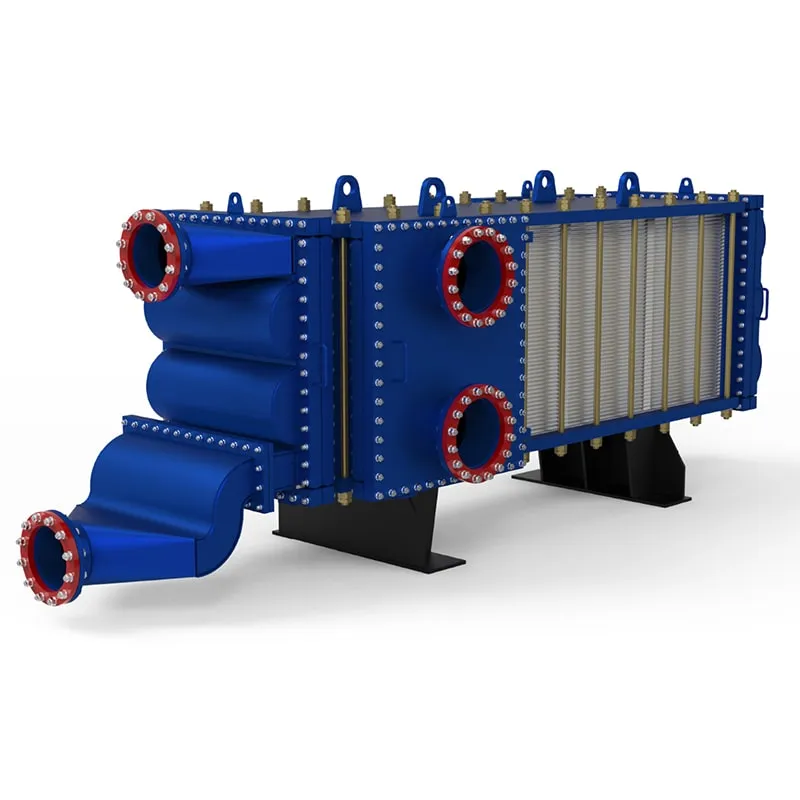
How Do Sondex Plates Work in a Plate Heat Exchanger?
In a gasketed plate heat exchanger, Sondex plates are stacked in a frame with alternating flow channels. Hot and cold fluids pass through separate channels, separated by the plate material. The corrugations create turbulent flow, which enhances heat transfer while reducing boundary layer resistance. This design allows for close temperature approaches—as low as 1°C—making it ideal for heat recovery applications. The plates are also designed for easy disassembly and cleaning, which is critical for industries with frequent product changeovers or strict hygiene requirements. For example, in dairy pasteurization, Sondex-compatible plates can handle viscous fluids without clogging, thanks to their wide-gap variants.
What Are the Typical Parameter Ranges for Sondex Plates?
When specifying Sondex plate heat exchanger plates, engineers commonly consider the following parameters:
- Plate material: Stainless steel 304/316L, titanium, or Hastelloy for corrosive fluids.
- Gasket material: NBR, EPDM, or Viton, depending on temperature and chemical compatibility.
- Max operating pressure: Up to 25 bar (standard) and 30 bar for high-pressure designs.
- Max operating temperature: Up to 180°C with EPDM gaskets; higher with special materials.
- Flow rate per plate: Typically 0.5 to 5 m³/h, depending on port size and channel geometry.
- Heat transfer area per plate: Ranges from 0.03 m² to 0.8 m² for standard models.
These values are industry-generic and may vary by manufacturer. SHPHE offers free thermal design and selection services to match your exact process conditions, ensuring optimal performance without oversizing.
Applications and Recommended Solutions for Sondex-Compatible Plates
Sondex plate heat exchanger plates are used across multiple industries. Common applications include:
- Chemical processing: Heating or cooling aggressive chemicals with titanium or Hastelloy plates.
- HVAC systems: Chilled water and hot water loops, where compact size saves floor space.
- Food and beverage: Pasteurization, sterilization, and CIP (clean-in-place) systems requiring frequent disassembly.
- Pharmaceuticals: Precise temperature control for batch reactors and clean rooms.
- Oil and gas: Offshore platforms where weight and footprint are critical.
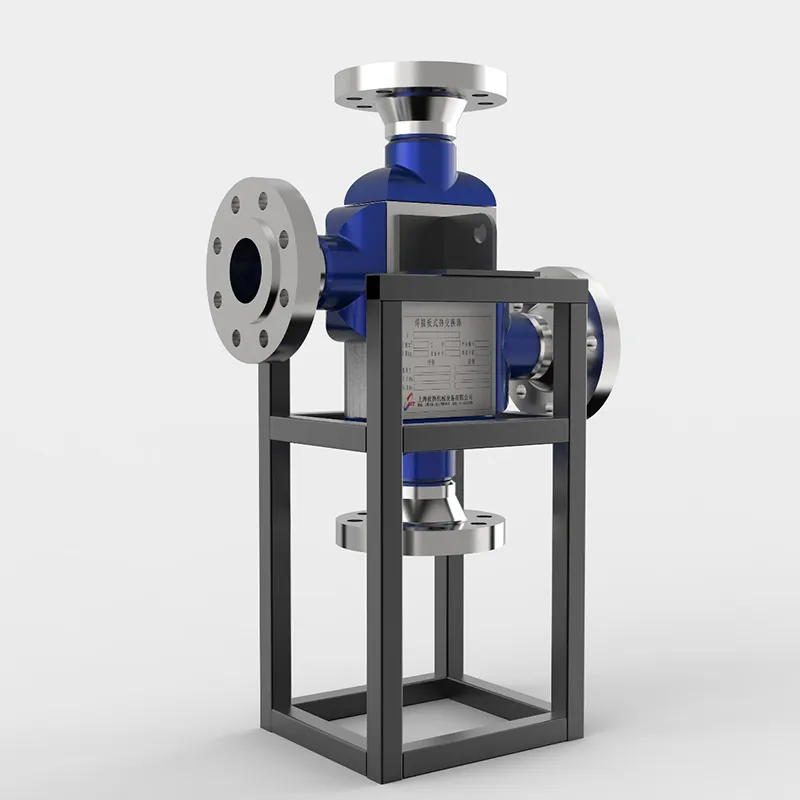
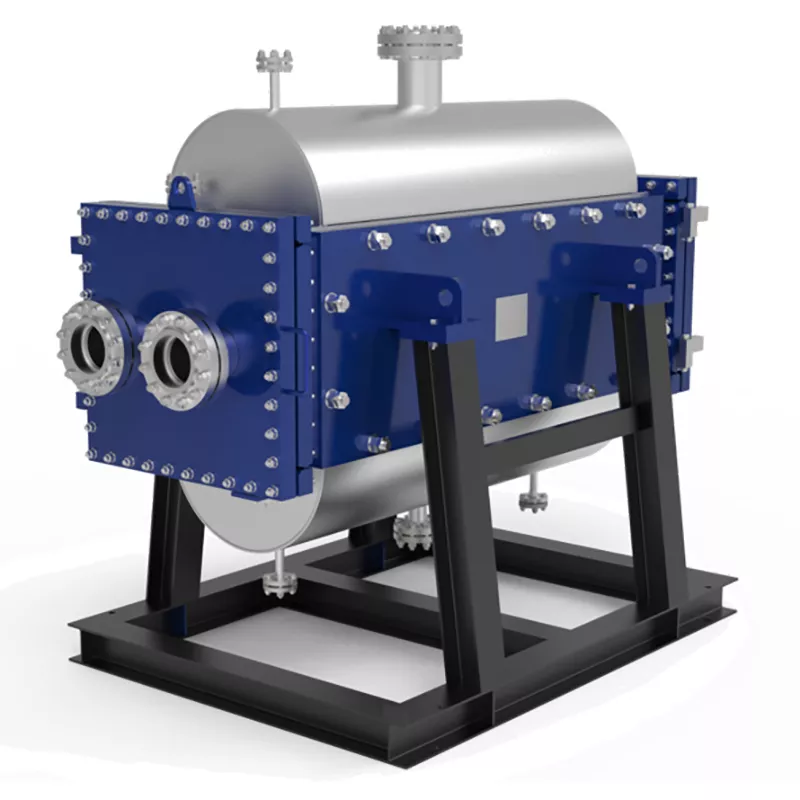
For each application, SHPHE provides compatible replacement plates that match Sondex dimensions and performance. Their product lines include gasketed plate heat exchangers, wide gap welded plate heat exchangers, and HT-Bloc welded plate heat exchangers, all designed to handle demanding thermal duties.
Why Choose SHPHE as Your Sondex Plate Alternative?
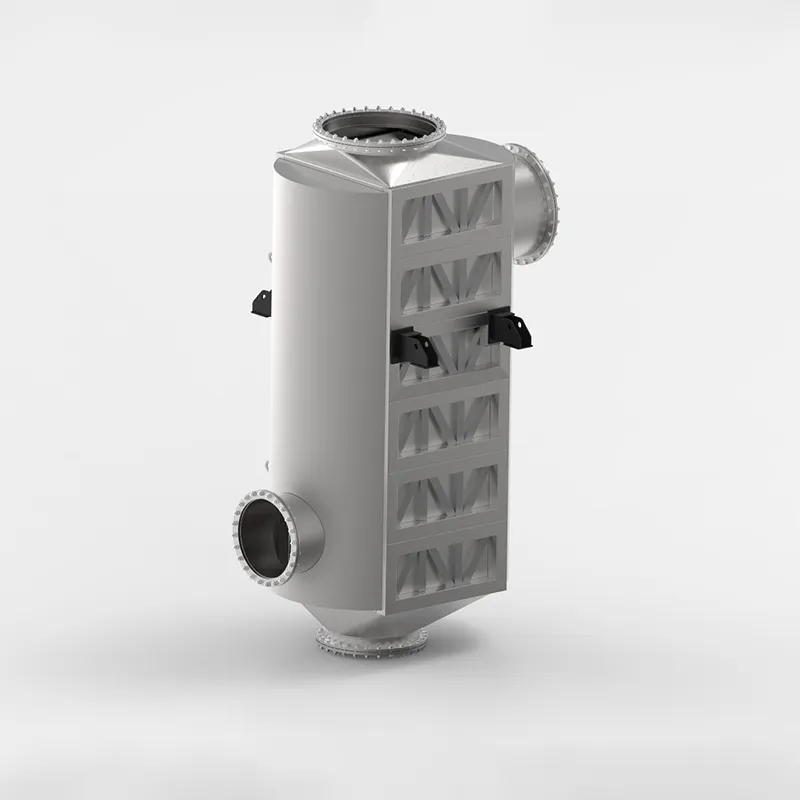
SHPHE, established in Shanghai in 2005, has exported plate heat exchangers to over 20 countries. The company holds ISO9001 and ASME U certifications, ensuring consistent quality and compliance with international standards. Their product range includes not only gasketed plate heat exchangers but also TP welded plate heat exchangers, PCHE (printed circuit heat exchangers), plate air preheaters, and pillow plates. For Sondex plate users, SHPHE offers drop-in replacement plates that maintain the same thermal and hydraulic performance. Their free thermal design service helps you optimize plate count, channel arrangement, and material selection without upfront costs. This approach reduces lead times and total cost of ownership, especially for retrofit projects.
Frequently Asked Questions About Sondex Plate Heat Exchanger Plates
Are Sondex plates compatible with other brands?
Yes, Sondex plates are often interchangeable with models from Alfa Laval, Compabloc, and GEA, provided the port sizes and bolt patterns match. SHPHE offers plates that are direct alternatives to these brands, ensuring a proper fit without frame modifications.
What is the typical lifespan of Sondex plates?
With proper maintenance, stainless steel plates can last 10–15 years. Factors like fluid corrosiveness, operating temperature, and cleaning frequency affect longevity. Regular inspection of gaskets and plate surfaces is recommended.
How do I select the right plate material for my process?
For non-corrosive fluids, 304 stainless steel is sufficient. For chlorides or acidic media, 316L or titanium is preferred. SHPHE’s engineering team can recommend the best material based on your fluid composition and temperature.
Can Sondex plates handle high-viscosity fluids?
Yes, wide-gap plate designs are available for viscous fluids like syrups or slurries. These plates have larger channel gaps (up to 5 mm) to prevent clogging and maintain heat transfer efficiency.
What is the cost difference between Sondex plates and alternatives?
SHPHE’s replacement plates typically offer 20–30% cost savings compared to original Sondex parts, without compromising performance. The exact price depends on plate size, material, and order volume.
How do I ensure proper gasket sealing?
Use gaskets that match the plate groove profile and fluid temperature. SHPHE provides pre-assembled gaskets with adhesive backing for easy installation. Always follow torque specifications during reassembly.
Request a Quote for Your Sondex Plate Heat Exchanger Needs
To get a precise recommendation for your thermal system, please provide the following details: flow rate (m³/h), inlet and outlet temperatures (°C), operating pressure (bar), and media type (e.g., water, oil, chemical). SHPHE’s team will perform a free thermal design and selection, offering a solution that matches or exceeds Sondex plate heat exchanger plates performance. Contact us today to discuss your project requirements.

 English EN





User Comments
Service Experience Sharing from Real Customers
Mike
Maintenance SupervisorWe swapped out our old gaskets for these Sondex plates last quarter. The fit was spot on, no leaks, and the heat transfer is noticeably better. Saved us a headache during the summer production rush.
Sarah
Process EngineerHad a bit of a delay in shipping, but the plates themselves are top-notch. The corrugation pattern is clean and consistent. Installed them in our brewery's pasteurizer loop and they're holding up well under high flow.
Tom
Facilities ManagerThese Sondex plates are a direct replacement for our old APV units. No modification needed. We run a district cooling system and these have improved our efficiency by a few percent. Definitely recommend for retrofit jobs.
Emma
Shift OperatorPlates look well-made and the price was fair. Only issue is the gasket grooves were a tiny bit tight on the first batch—took some extra elbow grease to seat them. Once in, they work fine though. Just a heads-up for anyone doing a quick swap on a tight schedule.