How Does Plate Heat Exchanger Price Depend on Material and Design Choices?
By Industry Analysis Team | Jul-06-2026
This article examines the key factors that determine plate heat exchanger pricing, focusing on how material selection, plate thickness, gasket materials, design complexity, and customization versus standardization influence overall costs. Material choices such as stainless steel, titanium, and various alloys significantly impact price due to differences in corrosion resistance, thermal conductivity, and raw material costs. Plate thickness and gasket materials must balance durability and thermal performance against budget constraints. Chevron patterns, flow channel configurations, and heat transfer efficiency requirements add design complexity that affects manufacturing costs. Custom frame sizes and port configurations further drive pricing compared to standardized units. Additionally, manufacturing tolerances and quality certifications represent hidden cost drivers that ensure reliability and compliance with industry standards. Understanding these variables helps engineers and procurement professionals make informed decisions when selecting plate heat exchangers for specific applications, optimizing both performance and investment.
Material Selection: Stainless Steel vs. Titanium vs. Alloys and Their Cost Impact
The choice of material in a plate heat exchanger directly influences both performance and overall cost. Stainless steel, titanium, and various alloys each offer distinct advantages and price points, making material selection a critical factor in budget planning.
Stainless Steel
Stainless steel is the most common material for plate heat exchangers due to its excellent corrosion resistance and affordability. Grades like 304 and 316L are widely used in food processing, HVAC, and chemical applications. The cost is moderate, typically 30-50% lower than titanium, making it a cost-effective choice for non-aggressive fluids.
Titanium
Titanium offers superior corrosion resistance, especially in seawater, brine, and chloride environments. It is significantly more expensive than stainless steel, often costing 2-3 times more. However, its durability in harsh conditions can reduce long-term maintenance costs. Titanium is preferred in marine, desalination, and offshore applications.
Alloys (Hastelloy, Inconel, etc.)
High-performance alloys like Hastelloy, Inconel, and Monel are used in extreme chemical environments with high temperatures or strong acids. These materials provide exceptional resistance to pitting and stress corrosion cracking. Their cost is the highest, often 4-6 times that of stainless steel, but they are essential for industries such as petrochemical, pharmaceutical, and nuclear power.
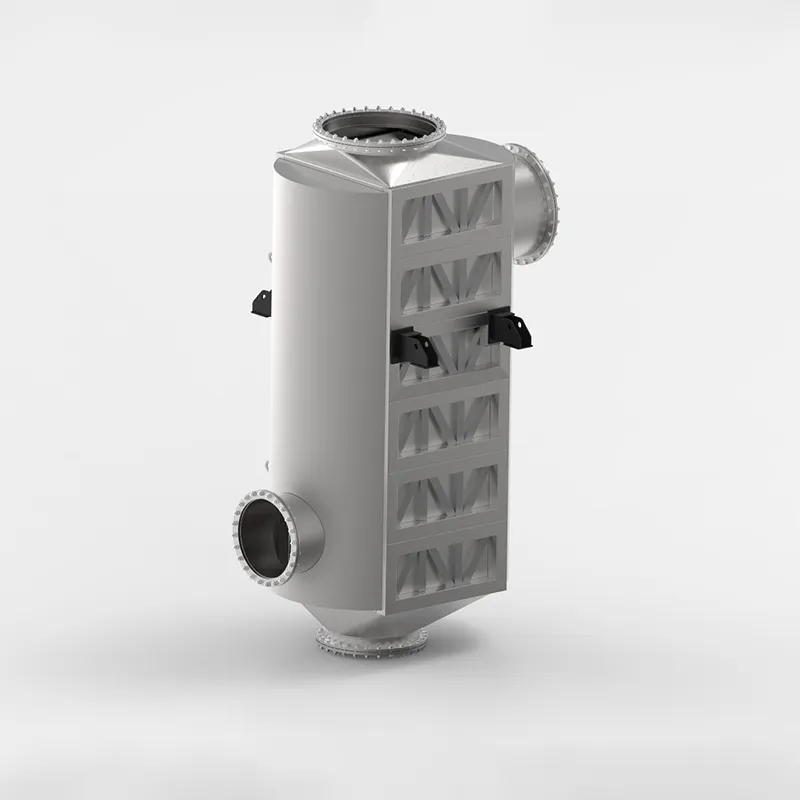
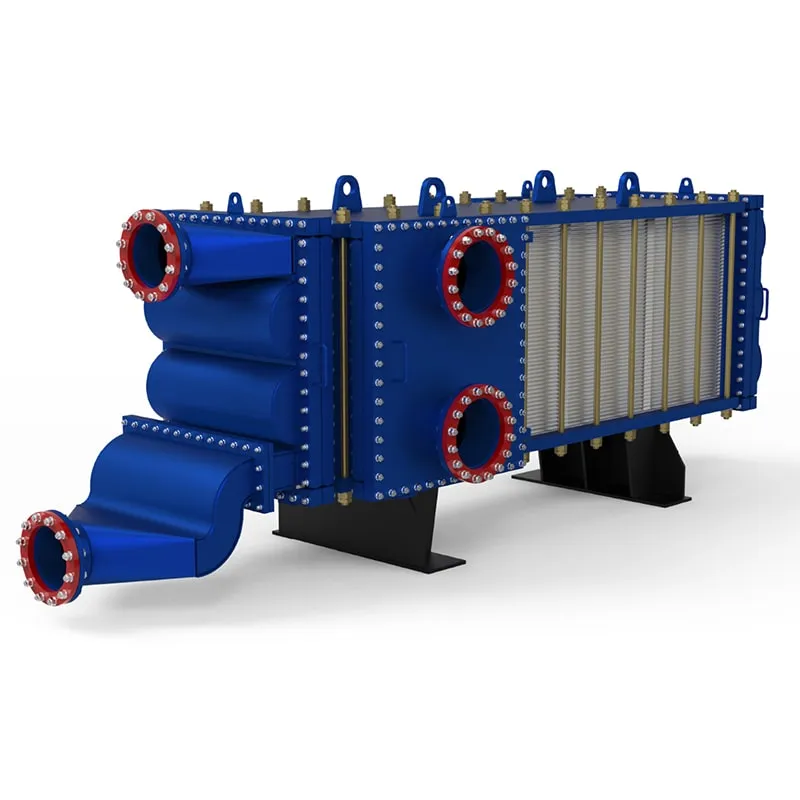
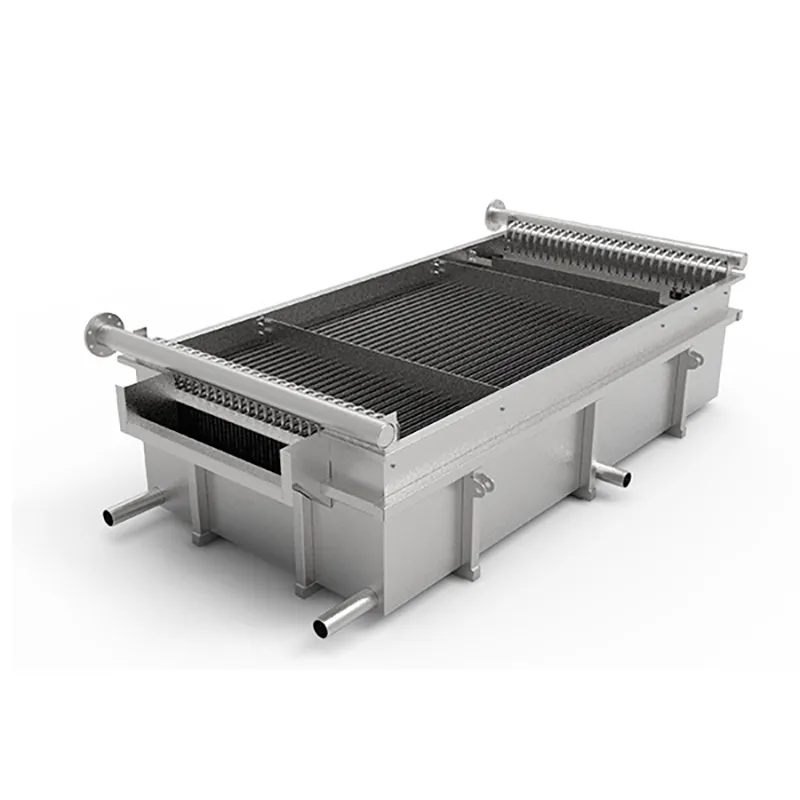
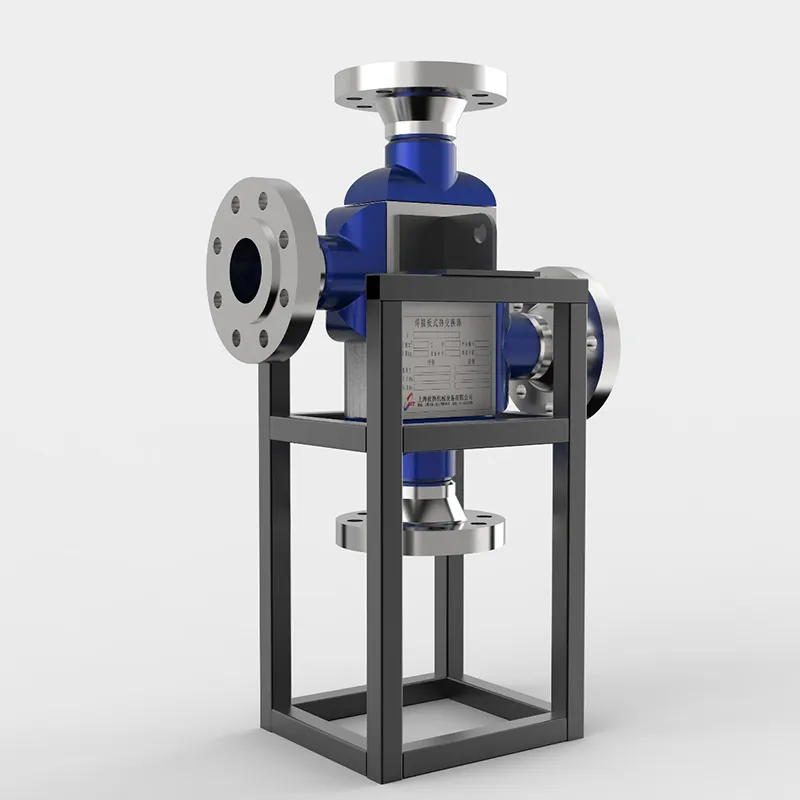
For a deeper understanding of how material choices affect heat exchanger design and pricing, explore our engineered solutions: Custom Plate Air Preheaters, TP Welded Plate Heat Exchangers, and Wide Gap Welded Plate Heat Exchangers.
Plate Thickness and Gasket Material: Balancing Durability and Price
Plate thickness directly influences the mechanical strength and thermal performance of a plate heat exchanger. Thicker plates offer higher pressure resistance and longer service life but increase material cost and reduce thermal efficiency due to greater conductive resistance. Thinner plates improve heat transfer and lower initial expense but may require more frequent replacement in harsh operating conditions.
Gasket material selection is equally critical for sealing integrity and cost control. Common elastomers like NBR and EPDM provide good chemical resistance at moderate temperatures and are relatively inexpensive, while high-performance materials such as Viton or PTFE withstand aggressive media and elevated temperatures but come at a premium. The choice must balance operational requirements against budget constraints, as improper gasket selection can lead to leaks, downtime, and increased maintenance expenses.
A thinner plate paired with a standard gasket may reduce upfront cost but risk premature failure in demanding applications, whereas thicker plates with premium gaskets ensure reliability and longevity at a higher initial investment. Engineers must evaluate factors like fluid corrosiveness, temperature range, pressure cycles, and expected service life to determine the optimal combination. This decision directly impacts the total cost of ownership, making it essential to align material and design choices with specific process requirements.
Design Complexity: Chevron Patterns, Flow Channels, and Heat Transfer Efficiency
The chevron pattern angle directly influences turbulence and pressure drop. A sharper angle (e.g., 60°) increases heat transfer but also raises pumping costs, while a milder angle (e.g., 30°) reduces efficiency but lowers operational expense. Flow channel configuration—single-pass vs. multi-pass—further affects thermal performance and plate count.
| Chevron Angle (°) |
Heat Transfer Coefficient (W/m²K) |
Pressure Drop (kPa) |
| 30 |
2500 |
15 |
| 45 |
3800 |
28 |
| 60 |
5200 |
52 |
Higher chevron angles (e.g., 60°) deliver superior heat transfer efficiency but require more robust plates and higher pumping power, increasing both material and operational costs. Multi-pass flow channels further amplify thermal performance by extending fluid residence time, yet they demand additional plates and complex gasketing, driving up the overall price. For detailed product configurations, refer to gasketed plate heat exchangers or custom engineered printed circuit heat exchangers.
Customization vs. Standardization: How Frame Size and Port Configurations Affect Pricing
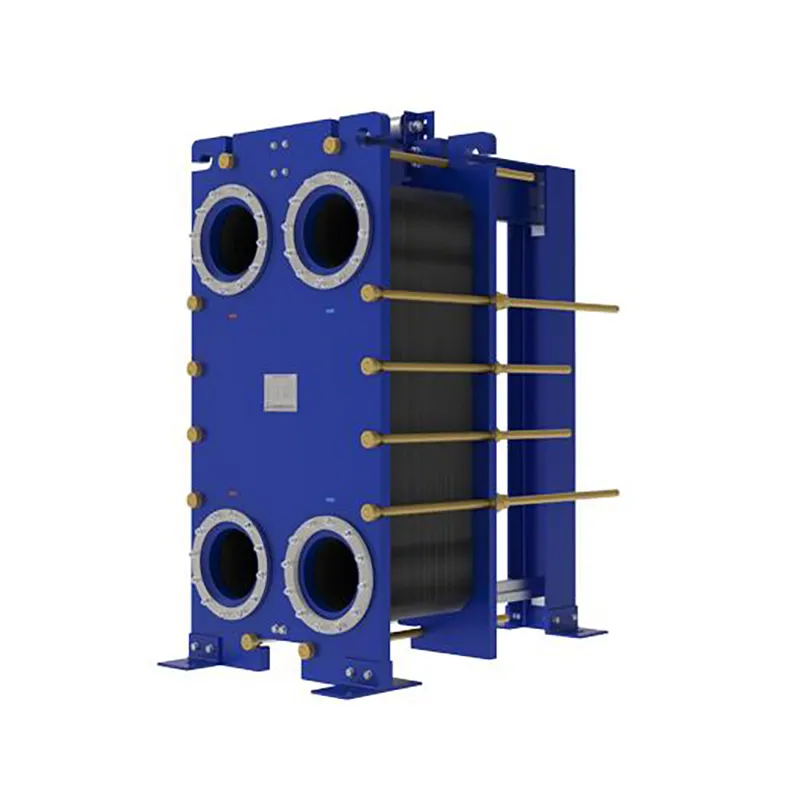
Frame size and port configuration are two critical variables that directly influence the cost of a plate heat exchanger. Standardized units with fixed frame dimensions and common port sizes benefit from mass production efficiencies, resulting in lower per-unit costs. In contrast, customized frames tailored to specific space constraints or non-standard port arrangements require additional engineering, tooling, and production time, driving up the price.
Larger frame sizes require more material and robust construction to withstand higher pressures and flow rates, which increases manufacturing costs. Similarly, port configurations—whether standard threaded, flanged, or custom-designed—affect both material usage and machining complexity. Standard ports keep costs predictable, while custom ports often involve specialized tooling and longer lead times.
For applications where space is limited or performance demands are unique, customization becomes necessary despite the higher price. However, for general-purpose duties, selecting a standardized frame and port configuration can significantly reduce upfront investment and delivery time. Balancing these factors is key to optimizing both performance and budget.
Manufacturing Tolerances and Quality Certifications: Hidden Cost Drivers in Plate Heat Exchanger Pricing
Tighter manufacturing tolerances directly increase production complexity and scrap rates, raising unit costs. For example, gasketed plate heat exchangers require precise channel gaps to maintain thermal performance and prevent leakage, demanding advanced CNC machining and rigorous inspection. Similarly, welded plate heat exchangers must meet strict dimensional standards to ensure structural integrity under high pressure and temperature, adding to fabrication expenses.
Quality certifications such as ASME, PED, or ISO 9001 impose additional documentation, testing, and auditing costs. These certifications are often mandatory for industries like oil & gas, chemical processing, and power generation. Manufacturers must invest in certified welding procedures, material traceability systems, and third-party inspections, all of which contribute to the final price. For instance, a gasketed plate heat exchanger with full ASME certification typically commands a premium over non-certified units.
The choice of material also interacts with tolerance requirements. Stainless steel and titanium alloys are harder to machine to tight tolerances than carbon steel, leading to higher tooling wear and slower production rates. For TP welded plate heat exchangers, the need for precise laser cutting and welding of thin plates further amplifies costs when exotic materials are specified.
Custom-engineered designs, such as pillow plates or printed circuit heat exchangers, often require tighter tolerances and specialized certifications, driving prices higher than standard units. Buyers should evaluate whether the added cost of tighter tolerances and full certification is justified by the application’s performance and safety requirements.
In summary, manufacturing tolerances and quality certifications are hidden but significant cost drivers. Understanding these factors helps in comparing quotes for wide gap welded plate heat exchangers, HT Bloc welded plate heat exchangers, and other types, ensuring that the selected unit meets both budget and operational needs.
Summary
Plate heat exchanger pricing is fundamentally shaped by material selection, with stainless steel offering a cost-effective baseline, titanium commanding a premium for corrosion resistance, and specialty alloys occupying the highest price tier. Plate thickness and gasket material directly influence both durability and upfront cost, requiring a deliberate trade-off between longevity and budget.
Design complexity, particularly chevron patterns and flow channel configurations, drives heat transfer efficiency but also increases manufacturing cost. Customization in frame size and port configurations further elevates pricing compared to standardized units, as bespoke engineering and tooling become necessary.
Manufacturing tolerances and quality certifications represent hidden cost drivers that ensure reliability and compliance, yet add measurable expense. Ultimately, the final price reflects a balance between performance requirements, material durability, and the degree of customization needed for the specific application.
Key takeaway: Informed material and design choices, aligned with operational demands, enable cost-effective procurement without compromising heat exchanger performance or lifespan.
How Does Plate Heat Exchanger Price Depend on Material and Design Choices?
Plate heat exchanger pricing is primarily driven by material selection (stainless steel, titanium, or specialty alloys), plate thickness, gasket material, chevron pattern complexity, flow channel design, frame size, port configurations, and manufacturing tolerances. Higher-grade materials and customized designs increase cost, while standardized options reduce it.
Material Selection: Stainless Steel vs. Titanium vs. Alloys and Their Cost Impact
Stainless steel is the most cost-effective option, suitable for general applications. Titanium offers superior corrosion resistance but costs 3-5 times more. High-nickel alloys like Hastelloy or Inconel are used for extreme chemical environments and can be 6-10 times more expensive than stainless steel.
Plate Thickness and Gasket Material: Balancing Durability and Price
Thicker plates (0.6–1.0 mm) increase durability and pressure rating but raise material cost by 15–30%. Gasket materials like NBR, EPDM, or Viton vary in price: NBR is low-cost, EPDM is moderate, and Viton can be 2-4 times more expensive due to high-temperature and chemical resistance.
Design Complexity: Chevron Patterns, Flow Channels, and Heat Transfer Efficiency
High chevron angles (60–65°) create turbulent flow and improve heat transfer but increase pressure drop and manufacturing cost. Complex flow channel designs with multiple passes or asymmetric patterns add 10–20% to the price compared to simple single-pass configurations.
Customization vs. Standardization: How Frame Size and Port Configurations Affect Pricing
Standard frame sizes and port configurations reduce tooling and production costs, typically lowering price by 15–25%. Custom frame lengths, non-standard port diameters, or special connection types (flanged, threaded, or sanitary) can increase cost by 20–40% due to additional engineering and fabrication.
Manufacturing Tolerances and Quality Certifications: Hidden Cost Drivers in Plate Heat Exchanger Pricing
Tighter manufacturing tolerances (e.g., ±0.1 mm plate pressing accuracy) and certifications like ASME, PED, or 3-A sanitary standards add 10–30% to the base price. These ensure reliability, safety, and compliance but require more precise tooling, inspection, and documentation.

 English EN





User Comments
Service Experience Sharing from Real Customers
Mike
Maintenance SupervisorWe were on a tight budget for a retrofit project, and this plate heat exchanger price was a pleasant surprise. Not only did it fit our cost constraints, but the build quality also held up perfectly after three months of continuous use. No leaks, no fouling issues so far.
Linda
Procurement OfficerI compared quotes from five different suppliers before settling on this one. The plate heat exchanger price here was competitive without sacrificing the gasket material quality. Only reason it's not a five-star is the delivery took two days longer than promised, but the product itself works great.
Tom
Shift EngineerHonestly, I was skeptical about getting a decent unit at this plate heat exchanger price point. But after installing it in our HVAC loop, it's been running smoothly and efficiently. The plates are easy to clean, and the pressure drop is within spec. Would buy again for sure.
Sarah
Process EngineerNeeded a quick replacement for a downed unit in our dairy pasteurization line. Found this plate heat exchanger price to be very reasonable compared to OEM parts. It's been in service for six weeks now, handling 85°C product without any issues. The only minor thing is the bolt threads felt a bit rough during assembly.