Complete Plate Heat Exchanger Price List: Models, Materials, and Cost Factors
This guide breaks down the plate heat exchanger price list by model, material, and key cost factors. Whether you need a gasketed unit for HVAC or a welded plate heat exchanger for high-pressure chemical duty, understanding what drives pricing helps you budget accurately. SHPHE, a Shanghai-based manufacturer founded in 2005, offers free thermal design and selection to match your process specs without upselling unnecessary features.
A plate heat exchanger price list is rarely a simple one-size-fits-all document. Process engineers and purchasing managers know that the final cost depends on plate material, gasket type, pressure rating, and thermal duty. In this article, we walk through the common models, material options, and the real factors that affect your bottom line.
What Affects a Plate Heat Exchanger Price List?
Several variables drive the cost of a plate heat exchanger. The plate material alone can account for 30–50% of the total price. For example, stainless steel 316L is standard, but titanium or Hastelloy plates push the price significantly higher. Gasket material also matters—EPDM is economical, while Viton or PTFE cost more but handle higher temperatures and aggressive media.
Other cost factors include the number of plates, frame size, and pressure rating. A fully welded plate heat exchanger designed for 30 bar will cost more than a gasketed unit rated for 10 bar. Custom nozzle sizes and special coatings add to the total. Always request a gasketed plate heat exchanger quote with your specific flow and temperature data to get a realistic number.
Common Plate Heat Exchanger Models and Their Price Ranges
Below is a typical plate heat exchanger price list based on model type. These are industry-accepted ranges and may vary with material and customization.
| Model Type |
Typical Price Range (USD) |
Key Application |
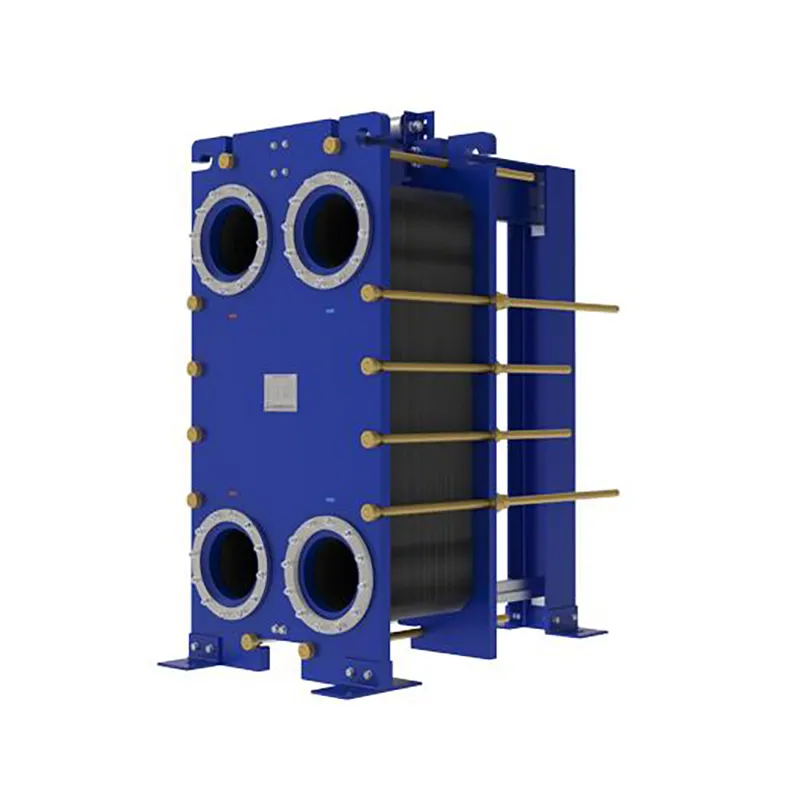
| Gasketed Plate Heat Exchanger |
$2,000 – $25,000 |
HVAC, food processing, general cooling |
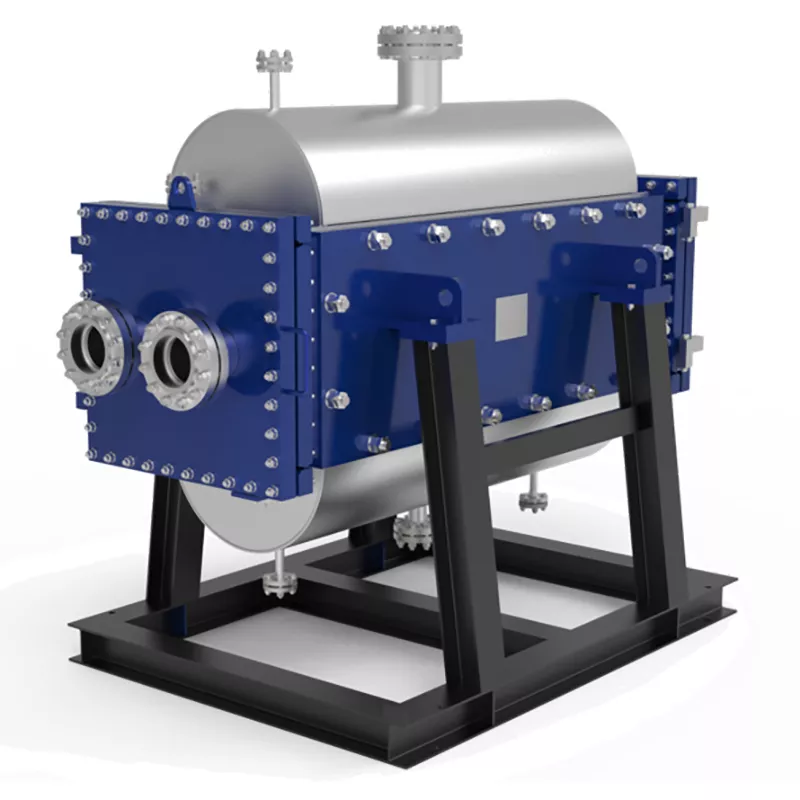
| HT-Bloc Welded Plate Heat Exchanger |
$8,000 – $60,000 |
High-temperature chemical, refinery |
| TP Welded Plate Heat Exchanger |
$6,000 – $45,000 |
Oil & gas, petrochemical |
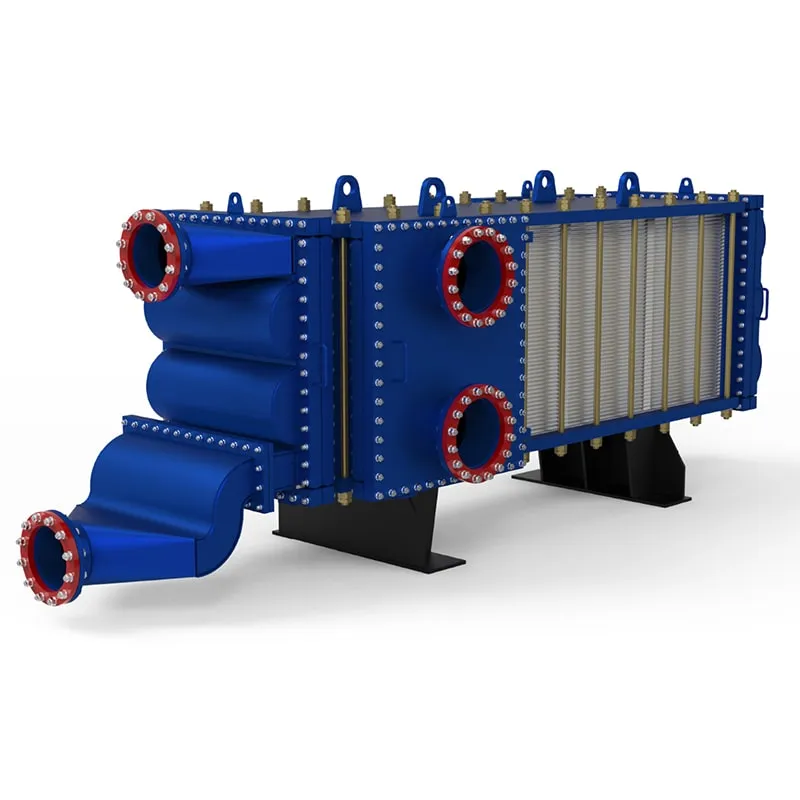
| Wide Gap Welded Plate Heat Exchanger |
$10,000 – $70,000 |
Slurry, fibrous fluids, wastewater |
| PCHE (Printed Circuit Heat Exchanger) |
$15,000 – $100,000+ |
High-pressure gas, supercritical CO2 |
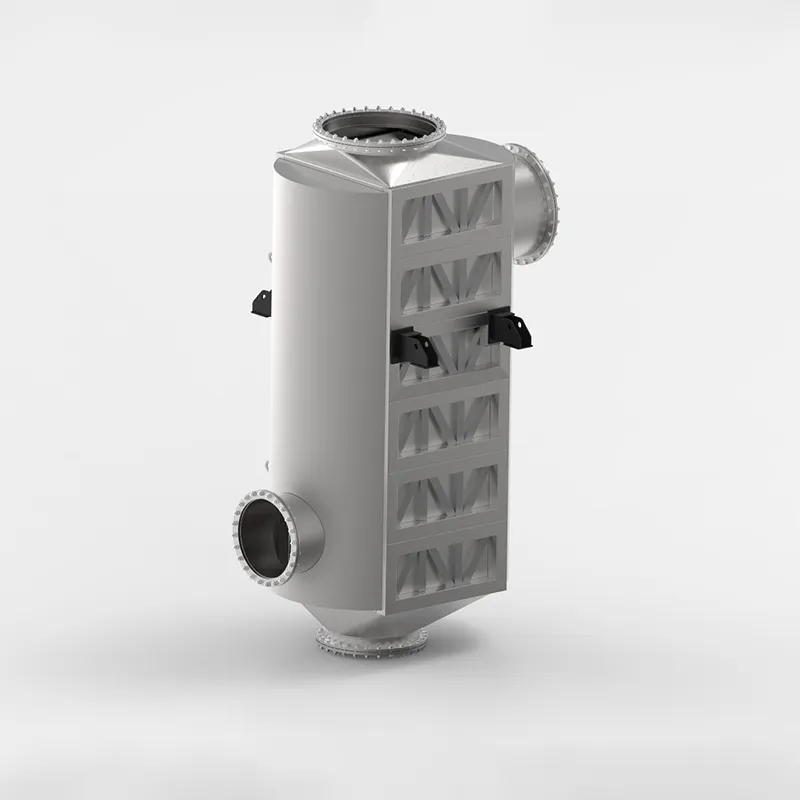
| Plate Air Preheater |
$5,000 – $50,000 |
Boiler flue gas heat recovery |
| Pillow Plate Heat Exchanger |
$3,000 – $30,000 |
Tank heating/cooling, jacketed vessels |
How Does Material Selection Impact the Price?
Material choice is the single biggest cost driver in a plate heat exchanger price list. Standard 304 stainless steel plates are the most affordable, but 316L adds roughly 15–20% more. Titanium plates can double the cost, while Hastelloy may triple it. Gaskets follow a similar pattern: NBR is cheap, EPDM is moderate, and Viton or PTFE are premium options.
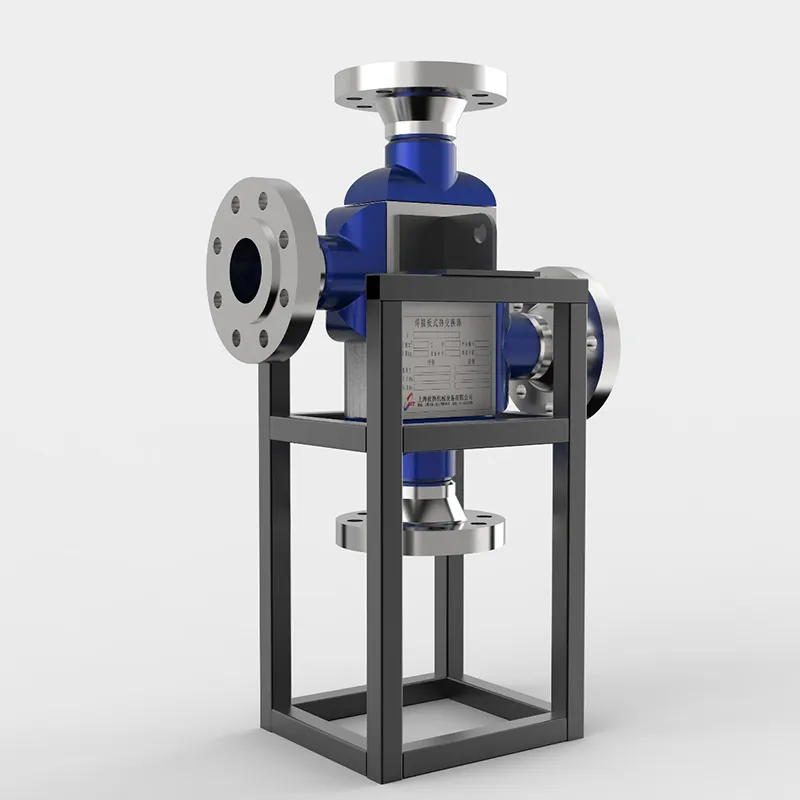
For aggressive chemical streams, a HT-Bloc welded plate heat exchanger with Hastelloy plates is often the best value despite the higher upfront cost. The longer service life and reduced maintenance offset the initial investment.
Why Do Welded Models Cost More Than Gasketed Units?
Welded plate heat exchangers eliminate gaskets, which means they handle higher pressures and temperatures. The welding process requires precision and quality control, adding to manufacturing costs. For example, a TP welded unit can operate at up to 40 bar and 350°C, while a gasketed unit typically maxes out at 25 bar and 180°C.
If your process involves aggressive chemicals or high thermal stress, the extra cost of a welded design pays off through fewer leaks and longer intervals between overhauls. SHPHE provides free thermal design to help you compare a gasketed vs. welded solution for your specific duty.
Applications and Recommended Solutions Based on Budget
Matching the right model to your application keeps costs in check. For clean water-to-water duties, a gasketed plate heat exchanger is the most economical choice. For steam heating or aggressive chemicals, consider a fully welded option. Here are common scenarios:
- HVAC and district cooling: Gasketed units with 316L plates and EPDM gaskets. Budget $2,000–$10,000.
- Chemical processing with acids: TP welded or HT-Bloc with Hastelloy plates. Budget $15,000–$60,000.
- Slurry or wastewater: Wide gap welded plate heat exchanger. Budget $10,000–$70,000.
- High-pressure gas cooling: PCHE for pressures above 100 bar. Budget $20,000–$100,000+.
- Boiler flue gas recovery: Plate air preheater with carbon steel or enameled plates. Budget $5,000–$50,000.
- Tank heating: Pillow plates welded onto vessel walls. Budget $3,000–$30,000.
Why Choose SHPHE for Your Plate Heat Exchanger?
SHPHE has been manufacturing plate heat exchangers in Shanghai since 2005. We hold ISO9001 and ASME U certifications and export to more than 20 countries. Our product lines include HT-Bloc welded, TP welded, wide gap welded, gasketed, PCHE, plate air preheaters, and pillow plates. We do not upsell—our engineers provide free thermal design and selection based on your actual process data.
Our units are compatible with major brands like Alfa Laval, Compabloc, and GEA, meaning you can use SHPHE as a reliable alternative without redesigning your system. Whether you need a standard gasketed unit or a custom-engineered pillow plate heat exchanger, we deliver on time and within budget.
Frequently Asked Questions About Plate Heat Exchanger Pricing
1. How much does a basic gasketed plate heat exchanger cost?
A basic gasketed unit with 316L plates and EPDM gaskets typically costs between $2,000 and $8,000 for small to medium duties. Larger frames and higher plate counts push the price toward $25,000.
2. What is the price difference between a gasketed and a welded plate heat exchanger?
Welded units are generally 50–100% more expensive than equivalent gasketed models. For example, a gasketed unit at $5,000 might cost $8,000–$10,000 in a welded configuration due to higher pressure ratings and manufacturing complexity.
3. Does plate material significantly affect the price list?
Yes. Titanium plates can double the cost compared to 316L, and Hastelloy can triple it. Always verify your media compatibility before selecting a premium material to avoid unnecessary expense.
4. Are SHPHE heat exchangers compatible with Alfa Laval frames?
Yes, SHPHE plates and gaskets are designed as compatible alternatives to Alfa Laval, Compabloc, and GEA units. This allows you to replace or expand existing systems without changing the frame.
5. What is the typical lead time for a custom plate heat exchanger?
Standard gasketed units ship in 4–6 weeks. Custom welded models or PCHE units may take 8–12 weeks. SHPHE offers expedited production for urgent projects.
6. Can I get a free price estimate for my specific process?
Absolutely. SHPHE provides free thermal design and a detailed quotation when you submit your flow rate, temperature, pressure, and media information. No obligation, just accurate data.
Request a Quote Based on Your Process Data
To get an accurate plate heat exchanger price list for your project, provide the following details: flow rate (hot and cold side), inlet and outlet temperatures, operating pressure, and media type. SHPHE engineers will run a free thermal calculation and recommend the most cost-effective model—whether it is a gasketed unit, a wide gap welded plate heat exchanger, or a PCHE for extreme conditions.
We do not believe in one-size-fits-all pricing. Every plate heat exchanger price list from SHPHE is tailored to your actual duty. Contact us with your process parameters, and we will send a detailed quotation within 48 hours.

 English EN





User Comments
Service Experience Sharing from Real Customers
Liam
Maintenance SupervisorWe swapped out our old shell-and-tube units for these plate heat exchangers from the mid-range price list, and the difference is night and day. The thermal efficiency is noticeably better, and cleaning is a breeze compared to what we had before. Installation was straightforward, and the gaskets seem solid so far. For the price point listed, I think we got a real workhorse.
Emma
HVAC Design EngineerI was sourcing units for a new office building retrofit and the price list gave me exactly the budget breakdown I needed. The model we ordered fits the space constraints perfectly and the pressure drop was within spec. Only giving 4 stars because the delivery took a couple days longer than the quoted lead time, but the product itself performs exactly as the datasheet promised. Great value for the size.
Sophie
Production Line ManagerI manage a dairy pasteurization line and we needed a reliable heat exchanger that wouldn't foul up constantly. These plates from the list are handling the milk flow like champs. The price was competitive against other quotes I got, and the fact that they offer standard plate sizes means I can keep spares on hand without breaking the bank. Very happy with this purchase.
Oscar
Process EngineerThe price list is clear and the ordering process was smooth, but I have to be honest—the unit we received had a minor scratch on one of the plates. Nothing that affects performance, but for the price bracket we chose, I expected slightly better cosmetic quality control. That said, the thermal duty is meeting our specs for a glycol-water loop. It works, just not blown away.