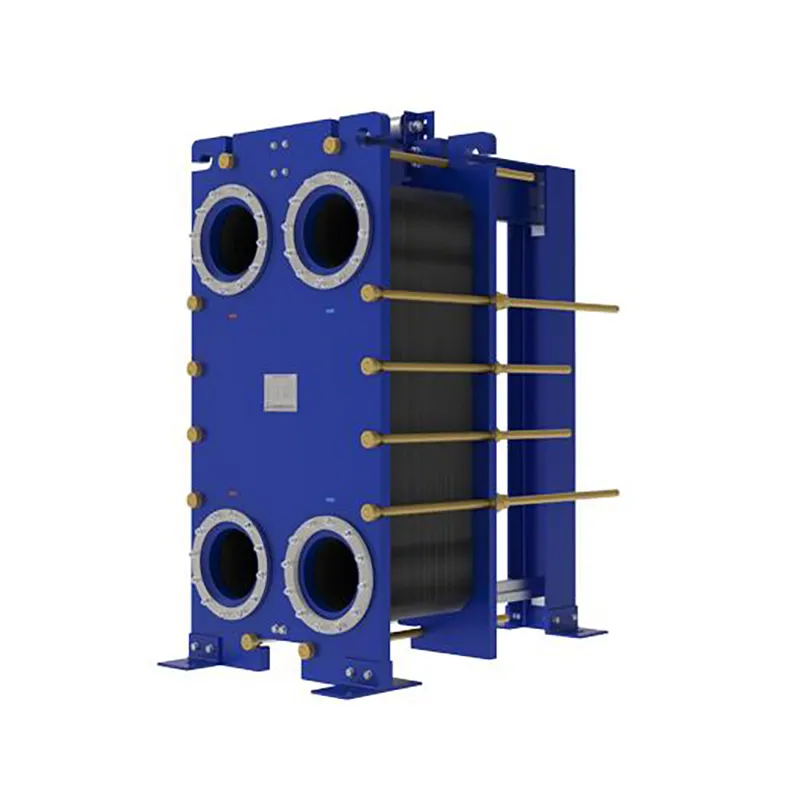
What Are The Different Types of Plate Heat Exchangers
Plate Heat Exchangers include gasketed, brazed, welded, semi-welded, shell and plate, and specialty types for varied industrial uses.
MoreSelecting the correct material for heat exchanger plates is essential to prevent premature failure and ensure long-term system reliability. The plate material must withstand the chemical composition of both the primary and secondary fluids, as well as any cleaning agents used during maintenance. Incompatible materials can lead to pitting, stress corrosion cracking, or general erosion, drastically reducing the lifespan of the unit.
Common plate materials include stainless steel grades such as 304, 316, and 316L, which offer good resistance to many aqueous solutions. For highly corrosive environments, titanium or nickel-based alloys like Hastelloy are often specified. When dealing with chloride-rich fluids or high-temperature applications, it is critical to evaluate the material’s pitting resistance equivalent number (PREN) to avoid localized corrosion.
Beyond the base metal, the gasket material must also be compatible with the process fluids. Incorrect gasket selection can result in chemical swelling, hardening, or degradation, leading to leaks. Always consult fluid compatibility charts and consider factors such as temperature, pH levels, and flow velocity when making your selection.
Key material considerations include:
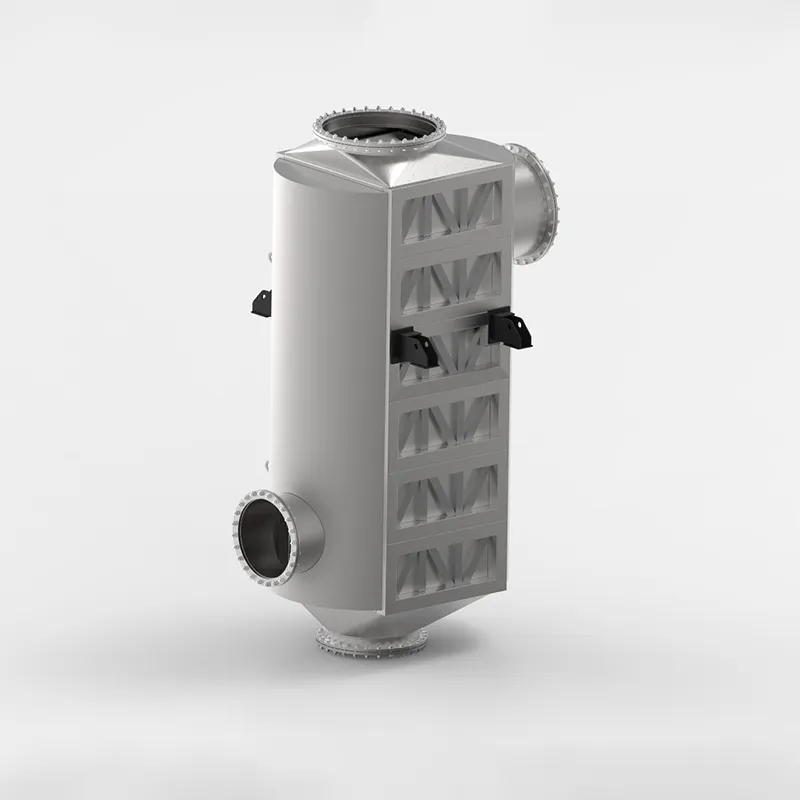
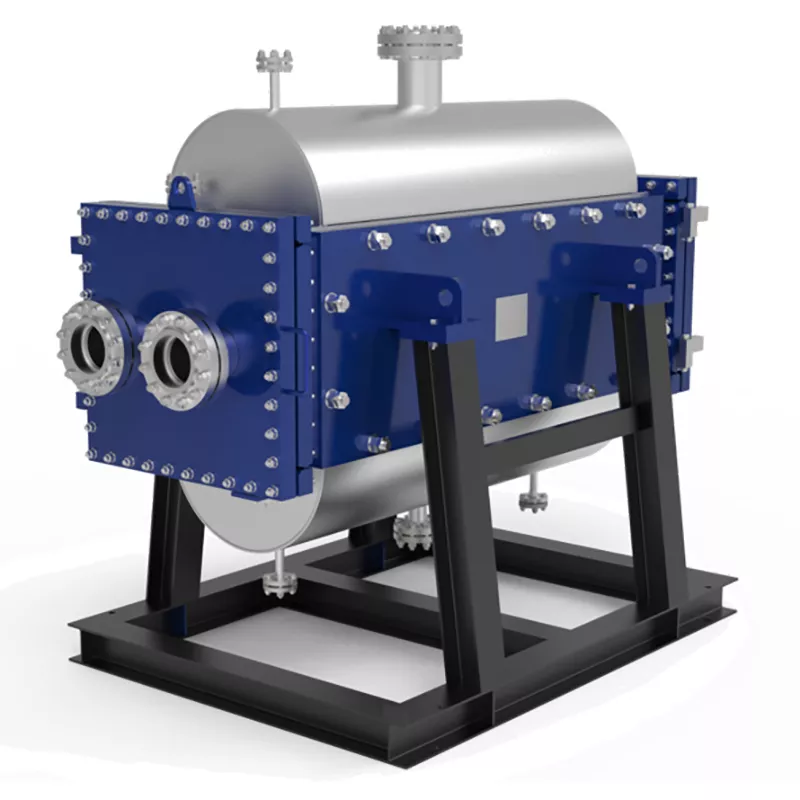
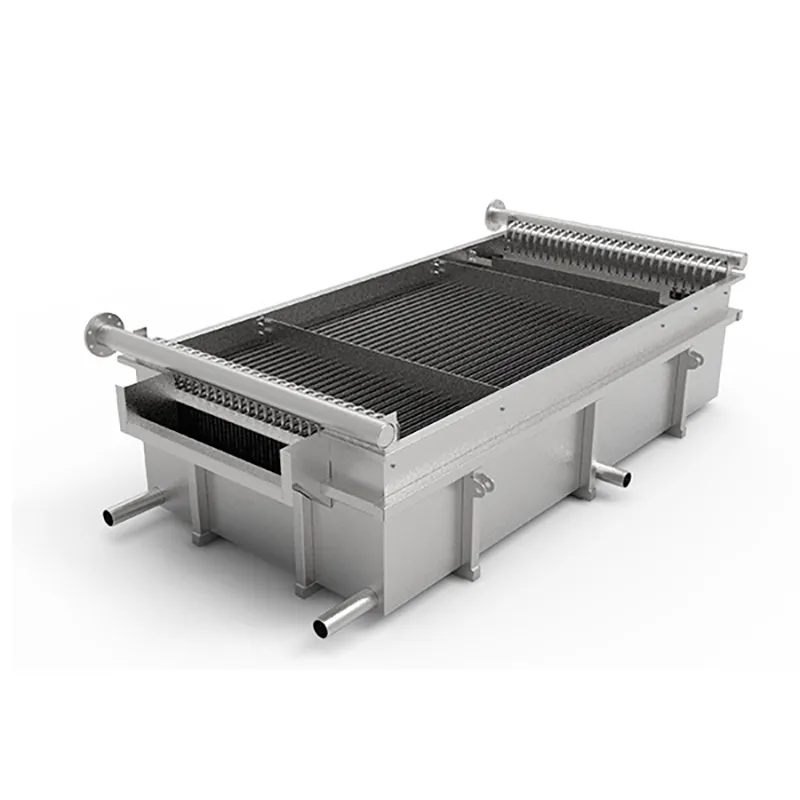
For specialized applications, custom-engineered plates can be designed to meet unique corrosion resistance requirements. Explore advanced options such as custom plate air preheaters or wide gap welded plate heat exchangers for demanding environments. For extreme conditions, consider printed circuit heat exchangers or TP welded plate heat exchangers, and for high-temperature duties, custom pillow plates and HT Bloc welded plate heat exchangers provide enhanced durability. Standard gasketed plate heat exchangers also offer a wide range of material options for less severe conditions.
The geometry of heat exchanger plates directly influences thermal performance and pressure drop characteristics. Corrugation patterns, chevron angles, and plate depth determine turbulence levels and heat transfer coefficients. Selecting the optimal plate geometry ensures maximum efficiency for your specific fluid properties and operating conditions.
Key geometric factors include chevron angle (typically 30° to 65°), plate pitch, and channel width. Higher chevron angles promote greater turbulence and heat transfer but increase pressure drop. Plate patterns such as herringbone, washboard, or dimpled designs each offer distinct advantages for different thermal duties and fluid viscosities.
Selecting heat exchanger plates with appropriate pressure and temperature ratings is critical to prevent system failure, leaks, or catastrophic rupture. Each plate model is designed to operate within a specific envelope; exceeding these limits compromises integrity and safety.
The table below outlines typical operating boundaries for common plate types used in industrial heat transfer applications. Always verify that the selected plate can withstand both the maximum working pressure and the peak temperature of your process fluid under all operating conditions, including startup and shutdown.
| Plate Type | Max Operating Pressure (bar) | Max Operating Temperature (°C) | Typical Application |
|---|---|---|---|
| Gasketed Plate | 25 | 180 | HVAC, food processing |
| Brazed Plate | 45 | 220 | Refrigeration, oil cooling |
| Welded Plate (All-welded) | 60 | 350 | Chemical, high-temp processes |
| Wide Gap / Semi-welded | 35 | 200 | Pulp & paper, viscous fluids |
For systems operating near the upper limits of pressure or temperature, consider engineered solutions such as custom printed circuit heat exchangers or pillow plates, which offer enhanced durability and tailored ratings. Always consult the manufacturer's datasheet and applicable codes (e.g., ASME, PED) before final selection. Regular inspection and maintenance further ensure long-term safety and performance.
Learn more about specific product capabilities: Custom Plate Air Preheaters, Wide Gap Welded Plate, Printed Circuit Heat Exchanger, TP Welded Plate, Custom Pillow Plates, HT Bloc Welded Plate, Gasketed Plate Heat Exchangers.
The gasket material is critical for maintaining sealing integrity under operating conditions. Factors such as temperature, pressure, and fluid compatibility determine the appropriate elastomer or polymer compound.
Common materials include NBR (nitrile) for oil and water applications, EPDM for high-temperature water and steam, and Viton for aggressive chemicals. Each offers distinct thermal and chemical resistance profiles.
Proper gasket groove design and compression set resistance ensure long-term leak-free performance. Regular inspection and replacement according to manufacturer guidelines prevent system downtime.
Selecting the correct gasket material directly impacts heat exchanger efficiency, safety, and service life, making it a key decision in plate selection.
The flow configuration of heat exchanger plates directly impacts thermal efficiency and pressure drop. Counterflow, parallel flow, and crossflow arrangements each offer distinct advantages depending on temperature cross and allowable pressure loss. Counterflow typically maximizes heat transfer but may require tighter plate spacing. Evaluate your system's temperature approach and fluid properties to select the optimal flow path.
Learn more about flow configurationsMaintenance accessibility is critical for minimizing downtime and extending equipment life. Plates should be easily removable for inspection, cleaning, or replacement without disturbing piping or support structures. Gasketed plate heat exchangers offer excellent service access, while welded or brazed designs may require more complex disassembly. Consider the frequency of cleaning and the ease of plate access in your installation layout.
Explore maintenance-friendly designsCombining proper flow configuration with accessible plate design ensures both high performance and low lifecycle costs. For systems requiring frequent thermal cycling or handling fouling fluids, prioritize configurations that allow quick access and simple plate removal. Always verify manufacturer guidelines for plate lifting and sealing surface care to maintain long-term reliability.
View custom engineered solutionsWe provide you with comprehensive foreign trade solutions to help enterprises achieve global development
Select the most popular foreign trade service products to meet your diverse needs
Custom-Engineered for Severe Process Demands. At SHPHE, we don't just supply equipment; we design tailored thermal solutions. Our HT-Bloc welded plate heat exchangers are custom-configured by our experienced engineers to overcome your specific industry challenges—whether handling high-viscosity media, extreme temperatures, or strict space constraints.
Industrial furnace and boiler exhaust gases carry vast amounts of unutilized thermal energy. The SHPHE custom Plate Air Preheater (PAPH) is target-engineered to intercept this high-temperature flue gas, recovering valuable waste heat and transferring it directly back to incoming combustion air or process gas streams. By substantially elevating the temperature of your flame feed, our custom systems optimize combustion thermodynamics, deliver massive fuel savings, and significantly reduce industrial carbon and emissions footprints. Built to withstand severe flue-gas environments, SHPHE PAPH systems serve as the premier choice for modern, energy-intensive plants prioritizing decarb compliance and maximum thermal efficiency.
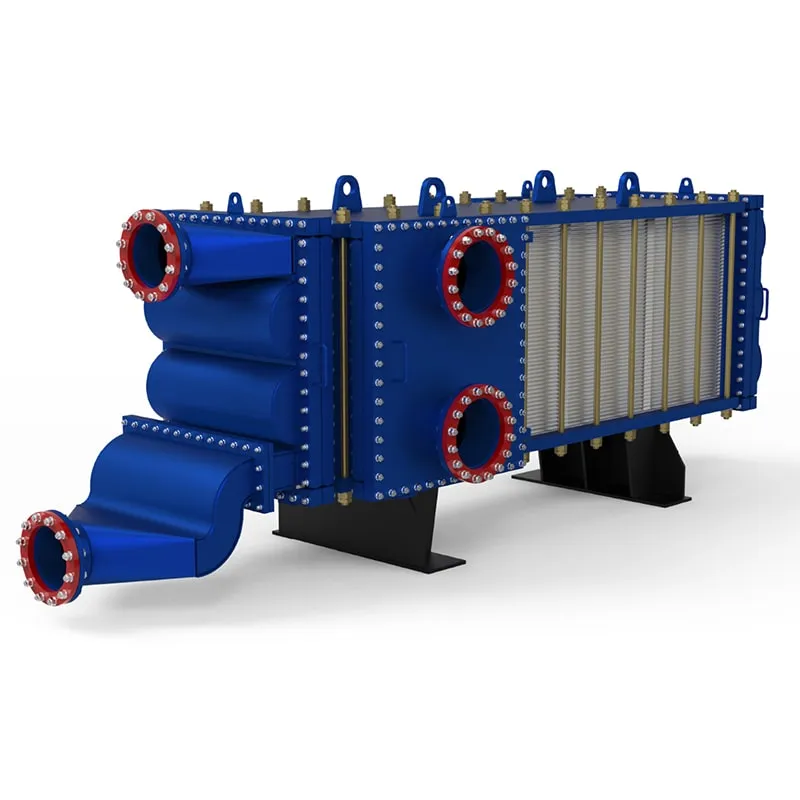
Since the invention of the plate heat exchanger (PHE) in 1923, thermal technology has evolved from standard food-grade processing to highly complex industrial operations. At SHPHE, we take this classic, versatile design and transform it into highly bespoke heat transfer solutions tailored to your unique process fluids and thermal loads. While traditional gasketed PHEs offer high efficiency and compact footprints, SHPHE optimizes plate corrugations, metallurgy, and sealing systems to handle your specific chemical, HVAC, or energy recovery parameters. Our custom-engineered gasketed plate heat exchangers provide outstanding scalability and ease of maintenance, serving as an indispensable asset for heavy industries—including oil and gas, metallurgy, and food processing—where uptime, energy recovery, and long-term sustainability are top priorities.

User Comments
Service Experience Sharing from Real Customers
Marcus
Facilities ManagerWe swapped out our old gasketed plates for these and the heat transfer efficiency jumped noticeably. Installation was straightforward, and they've held up perfectly through several cleaning cycles. No warping or scaling yet.
Lena
Process EngineerDecent plates for the price. We use them in a small dairy pasteurizer and they fit the frame without any modification. Only gripe is the surface finish could be a bit smoother, but performance is solid so far.
Curtis
Maintenance SupervisorI've been in HVAC for over 15 years and these are some of the best aftermarket plates I've worked with. The gasket grooves are precise, no leaks on startup. Saved us a ton compared to OEM parts.
Priya
Chemical Operations LeadWe needed a quick replacement for a corroded plate in our cooling loop. These arrived fast and matched the dimensions exactly. Corrosion resistance seems decent after two months in a chlorinated environment. Would buy again.