What Are the Key Factors in Selecting a Steam Heat Exchanger for Your Application?
John Anderson, Senior Thermal Engineer
Jul-06-2026
Selecting the appropriate steam heat exchanger for an industrial application requires a thorough evaluation of multiple interdependent factors to ensure efficient and reliable thermal performance. First, understanding your process requirements is critical, including precise specifications for operating temperature, pressure, and flow rate, as these parameters directly influence the heat transfer area and overall system design. Second, the quality of the steam supply and the effectiveness of condensate handling must be assessed, since wet steam or inadequate condensate removal can significantly reduce heat transfer coefficients and lead to operational issues such as water hammer or corrosion. Third, choosing between shell-and-tube, plate, or other heat exchanger designs depends on space constraints, pressure drop limitations, and the need for future capacity expansion. Fourth, material selection plays a vital role in resisting corrosion from aggressive process fluids or steam impurities, thereby extending equipment lifespan and reducing downtime. Finally, maintenance requirements, ease of cleaning, and total lifecycle cost—including initial investment, energy consumption, and repair expenses—must be weighed to achieve optimal operational efficiency and long-term value.
Understanding Your Process Requirements: Temperature, Pressure, and Flow Rate Specifications
Before selecting a steam heat exchanger, you must first define the operational parameters of your system. The three most critical specifications are temperature, pressure, and flow rate. Each directly impacts the heat transfer efficiency, material selection, and overall system design.
Temperature Requirements
Identify the inlet and outlet temperatures for both the steam and the process fluid. The temperature difference (ΔT) determines the required heat transfer surface area. Higher ΔT generally allows for a smaller exchanger, but extreme temperatures may require specialized materials. For high-temperature applications, consider custom engineered plate air preheaters or HT Bloc welded plate heat exchangers.
Pressure Specifications
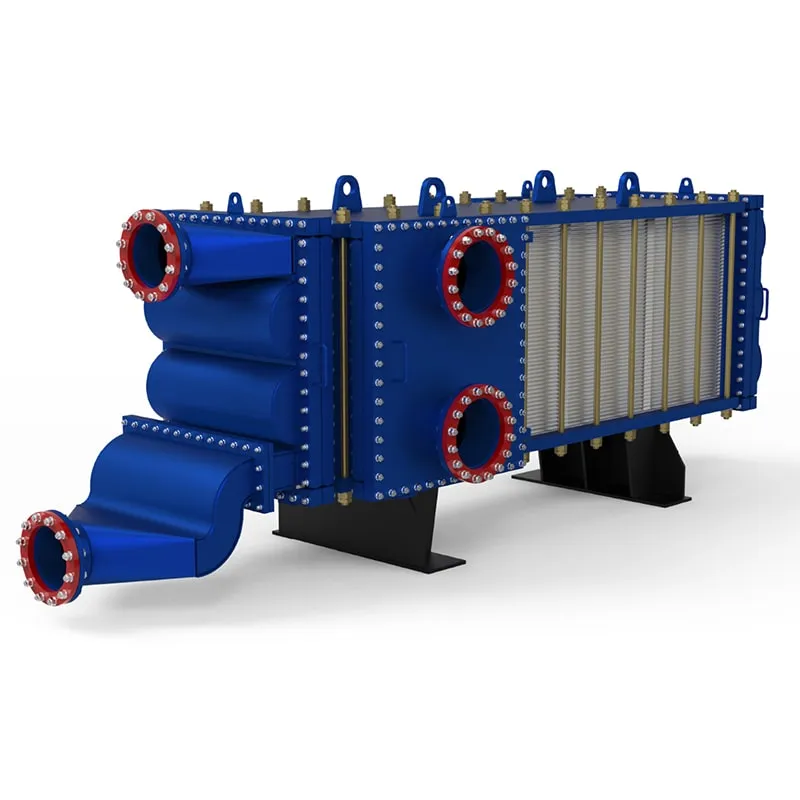
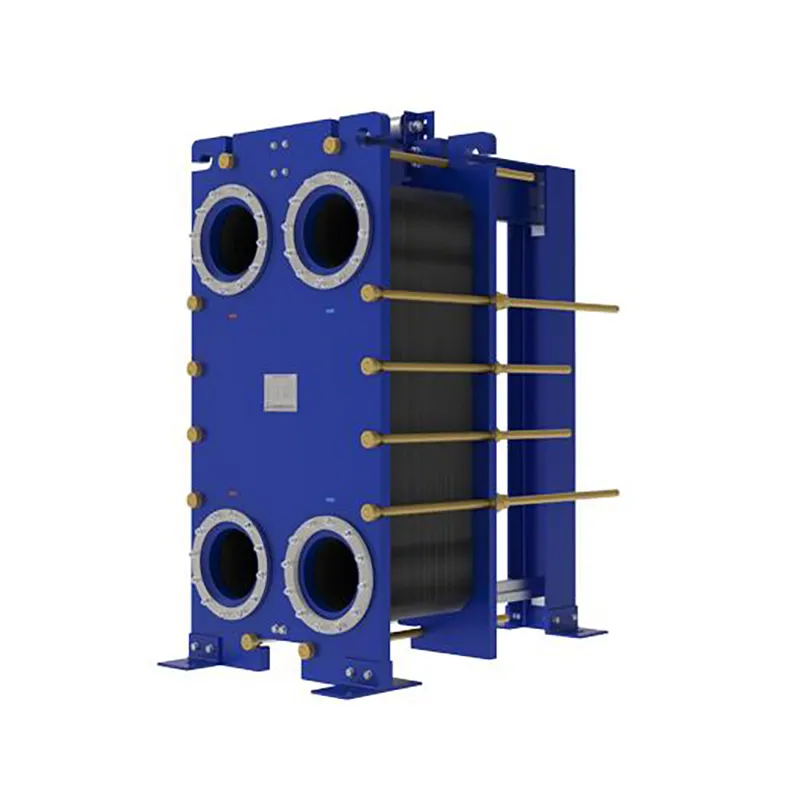
Both the steam side and process side operating pressures must be known. Pressure affects the saturation temperature of steam and the mechanical design of the heat exchanger. High-pressure systems often require welded or gasketed plate designs. For robust pressure handling, explore gasketed plate heat exchangers or TP welded plate heat exchangers.
Flow Rate Considerations
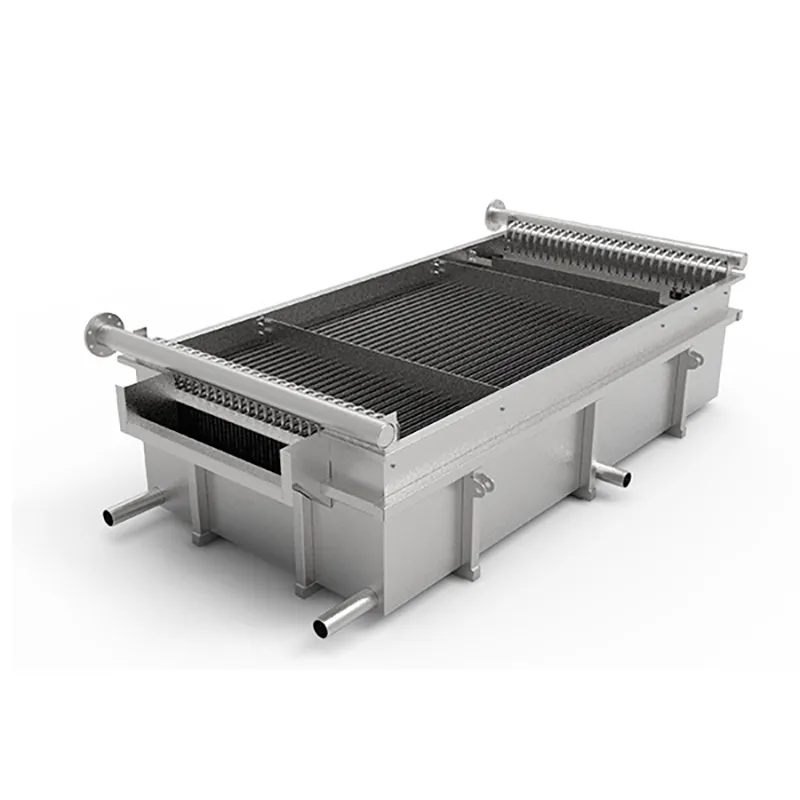
The mass flow rate of steam and the process fluid dictates the thermal load and the size of the heat exchanger. Accurate flow data ensures proper sizing and prevents issues like fouling or erosion. For applications with viscous fluids or particulates, consider wide gap welded plate heat exchangers or custom engineered pillow plates.
Once these three parameters are clearly defined, you can match them to the appropriate heat exchanger type. For highly specialized or compact designs, custom engineered printed circuit heat exchangers offer precise thermal performance. Always verify that the selected unit can handle the maximum expected temperature, pressure, and flow rate with a suitable safety margin.
Evaluating Steam Quality and Condensate Handling for Optimal Heat Transfer
Effective heat transfer in steam heat exchangers depends heavily on steam quality and proper condensate management. High-quality steam contains minimal moisture and non-condensable gases, ensuring maximum latent heat release during condensation. Poor steam quality reduces thermal efficiency and can cause water hammer, erosion, and uneven temperature distribution across heat transfer surfaces.
Condensate handling is equally critical. Efficient removal of condensate prevents liquid buildup that can insulate heat transfer surfaces and reduce capacity. Proper drainage, including correctly sized steam traps and return lines, maintains stable thermal performance and extends equipment life. For detailed engineering solutions, explore advanced heat exchanger designs that optimize steam utilization and condensate recovery.
Regular monitoring of steam dryness fraction and condensate temperature helps identify issues early. Implementing flash steam recovery and proper venting further enhances system efficiency, reducing energy costs and environmental impact while maintaining consistent process heating.
Selecting the Right Heat Exchanger Type: Shell-and-Tube vs. Plate vs. Other Designs
When choosing a steam heat exchanger, the design type directly impacts thermal efficiency, maintenance frequency, and space requirements. Below is a comparison of common configurations.
| Design Type |
Thermal Efficiency |
Space Footprint |
Maintenance Ease |
Typical Application |
| Shell-and-Tube |
Moderate |
Large |
High (cleanable) |
High-pressure steam |
| Gasketed Plate |
High |
Compact |
Moderate (gasket replacement) |
Clean steam / HVAC |
| Welded Plate (TP/HT-Bloc) |
Very High |
Compact |
Low (sealed) |
Corrosive / high-temp steam |
| Printed Circuit (PCHE) |
Extreme |
Ultra-compact |
Low (specialized) |
High-pressure / high-temp |
| Pillow Plate / Wide Gap |
Moderate-High |
Medium |
Moderate (accessible) |
Slurries / viscous fluids |
For applications requiring high thermal efficiency and compact design, plate-type exchangers such as gasketed plate or HT-Bloc welded plate are often preferred. Shell-and-tube designs remain a robust choice for high-pressure steam systems where fouling is a concern. Specialized designs like printed circuit heat exchangers offer extreme performance in demanding environments, while wide gap welded plate and pillow plate designs handle challenging fluids with larger particles or high viscosity.
Always evaluate operating pressure, temperature, and steam quality before finalizing your selection. For custom engineered solutions, consider plate air preheaters or TP welded plate exchangers for specific process integration needs.
Material Selection for Corrosion Resistance and Longevity in Your Application Environment
Choosing the right material for your steam heat exchanger is critical to ensuring long-term performance and resistance to corrosion. The operating environment, including temperature, pressure, and chemical exposure, directly influences material degradation. Stainless steel grades such as 304 and 316L offer excellent resistance to oxidation and pitting in steam systems with moderate chloride levels. For highly aggressive environments, duplex stainless steels or titanium alloys provide superior durability against stress corrosion cracking. Proper material selection minimizes maintenance costs and extends equipment lifespan.
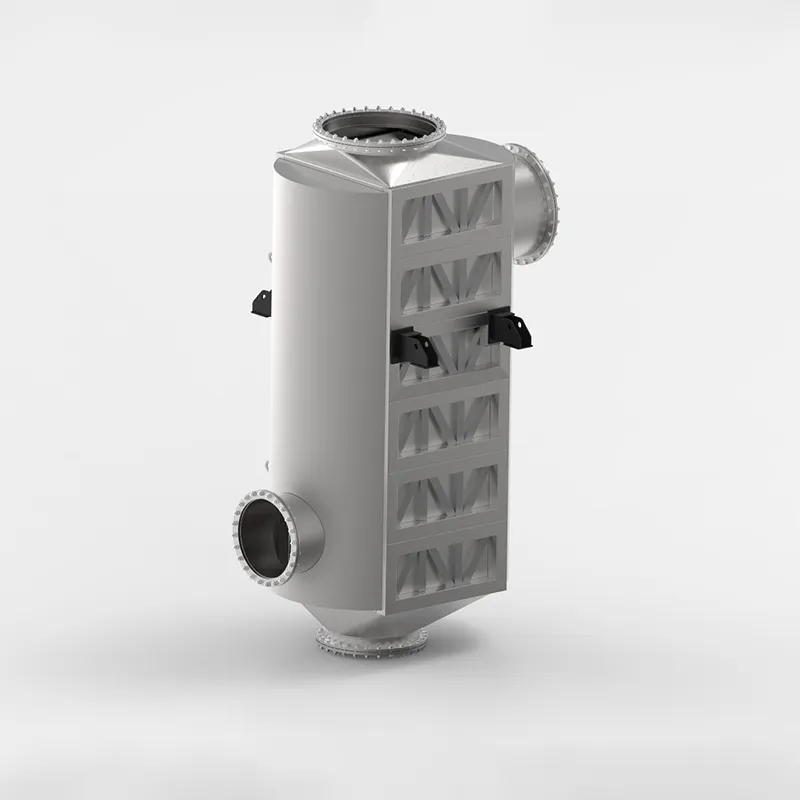
Corrosion mechanisms such as galvanic, crevice, and uniform attack must be evaluated against the specific chemical composition of the steam and condensate. In food-grade or pharmaceutical applications, materials must also comply with sanitary standards while resisting corrosive cleaning agents. Carbon steel may be cost-effective for non-corrosive low-temperature steam, but it requires protective coatings or cathodic protection in humid environments. Ultimately, matching material properties to the application environment ensures reliable heat transfer and reduced downtime.
Longevity is further enhanced by considering fabrication methods and surface treatments. Passivation, electropolishing, or cladding can improve corrosion resistance without altering bulk material properties. Regular inspection and monitoring of material condition help identify early signs of wear. By prioritizing corrosion resistance in material selection, you achieve a steam heat exchanger that delivers consistent performance and a lower total cost of ownership over its service life.
Considering Maintenance, Cleanability, and Lifecycle Cost for Operational Efficiency
Maintenance Requirements
Regular inspection of gaskets, seals, and plate surfaces ensures prolonged service life. Ease of access to heat transfer surfaces reduces downtime during routine checks. Selecting a design with fewer crevices minimizes fouling risks and simplifies cleaning schedules.
Cleanability and Fouling Control
For applications with particulate or scaling fluids, wide-gap or welded plate designs offer superior cleanability. Removable plate bundles allow mechanical cleaning, while smooth surfaces reduce deposit buildup. Proper material selection also enhances chemical compatibility during cleaning cycles.
Lifecycle Cost Analysis
Initial capital expenditure must be balanced against long-term energy efficiency and maintenance expenses. High-performance units with lower pressure drops reduce pumping costs over time. Durable construction materials extend operational lifespan, lowering replacement frequency and total cost of ownership.
Operational Efficiency Considerations
Optimizing heat transfer coefficients through proper plate corrugation and flow arrangement maximizes thermal performance. Compact designs reduce footprint while maintaining capacity. Integrating monitoring sensors for temperature and pressure helps identify efficiency drops early, enabling proactive adjustments.
Summary
Selecting the appropriate steam heat exchanger requires a thorough understanding of your process specifications, including temperature, pressure, and flow rate demands. Evaluating steam quality and condensate management is essential to maintain efficient heat transfer and prevent operational issues.
The choice between shell-and-tube, plate, or alternative designs should align with your application's thermal performance needs, space constraints, and maintenance capabilities. Material selection must prioritize corrosion resistance and durability in the specific operating environment to ensure long-term reliability.
Maintenance requirements, cleanability, and overall lifecycle cost are critical considerations that directly impact operational efficiency. A well-informed selection balances initial investment with long-term performance, downtime reduction, and ease of service.
By systematically addressing these factors, you can achieve optimal heat transfer performance, extended equipment life, and cost-effective operation tailored to your specific application.
What Are the Key Factors in Selecting a Steam Heat Exchanger for Your Application?
Q: What are the most critical factors when choosing a steam heat exchanger?
A: The key factors include understanding your process requirements (temperature, pressure, flow rate), evaluating steam quality and condensate handling, selecting the appropriate exchanger type (shell-and-tube, plate, or other designs), choosing corrosion-resistant materials, and considering maintenance, cleanability, and lifecycle cost for long-term efficiency.
Understanding Your Process Requirements: Temperature, Pressure, and Flow Rate Specifications
Q: How do temperature, pressure, and flow rate specifications affect heat exchanger selection?
A: These parameters determine the thermal duty, mechanical design, and sizing of the exchanger. Higher temperatures and pressures may require thicker walls or specialized materials, while flow rate influences the heat transfer area and pressure drop across the unit.
Evaluating Steam Quality and Condensate Handling for Optimal Heat Transfer
Q: Why is steam quality and condensate handling important for heat transfer efficiency?
A: Poor steam quality (e.g., wet steam) reduces heat transfer rates and can cause erosion or water hammer. Proper condensate removal ensures that the heat exchanger operates at peak efficiency and prevents corrosion or flooding in the system.
Selecting the Right Heat Exchanger Type: Shell-and-Tube vs. Plate vs. Other Designs
Q: How do I choose between shell-and-tube, plate, and other heat exchanger designs?
A: Shell-and-tube exchangers are robust and handle high pressures/temperatures well, while plate exchangers offer higher efficiency and compactness for lower-pressure applications. Other designs like spiral or finned-tube may suit specific fouling or space constraints.
Material Selection for Corrosion Resistance and Longevity in Your Application Environment
Q: What materials are recommended for steam heat exchangers to ensure corrosion resistance and long service life?
A: Common materials include stainless steel (304/316), titanium, or Hastelloy for corrosive environments. Carbon steel is cost-effective for non-corrosive steam, while copper alloys are used for certain applications. The choice depends on steam chemistry, temperature, and potential for condensate corrosion.
Considering Maintenance, Cleanability, and Lifecycle Cost for Operational Efficiency
Q: How do maintenance and cleanability impact the lifecycle cost of a steam heat exchanger?
A: Designs that are easy to clean (e.g., plate exchangers with removable plates) reduce downtime and labor costs. Regular maintenance extends equipment life, while initial material and fabrication costs must be balanced against long-term operational expenses to minimize total lifecycle cost.

 English EN





User Comments
Service Experience Sharing from Real Customers
Lena
Lead Process EngineerWe swapped out our old shell-and-tube setup for this steam heat exchanger six months ago, and the temperature control is noticeably tighter. The condensate return integration was a breeze. Maintenance team loves the accessible tube bundle design. No complaints so far.
Marcus
Facilities SupervisorGot this installed in our district heating plant. Handles the variable steam loads from our boilers without hammering. Only reason I’m not giving 5 stars is the initial gasket kit was a bit tricky to source locally, but the unit itself is solid. Would buy again.
Sophie
Maintenance TechnicianI’ve been working on heat exchangers for 12 years, and this one is the easiest to clean I’ve ever had my hands on. The steam side doesn’t scale up as fast as our previous units, which saves me a full day of work every quarter. Plus, the flanges lined up perfectly with our existing piping.
Raj
Plant ManagerWe needed a compact solution for preheating boiler feedwater in a tight space. This unit delivered on footprint and performance. Thermal efficiency is better than spec. Took a bit longer to bleed air out on first startup, but once it stabilized, it’s been running like a champ for eight months.