How a Sludge Heat Exchanger Improves Thermal Performance in Industrial Processes
A sludge heat exchanger is a specialized thermal device designed to handle high-viscosity, fouling-prone fluids like sewage sludge, industrial waste slurries, and biomass residues. By optimizing heat transfer under challenging conditions, these units reduce energy consumption, minimize downtime, and extend equipment lifespan. This article explores how sludge heat exchangers work, their key features, and why they are essential for modern industrial processes.
What Is a Sludge Heat Exchanger and Why Do You Need One?
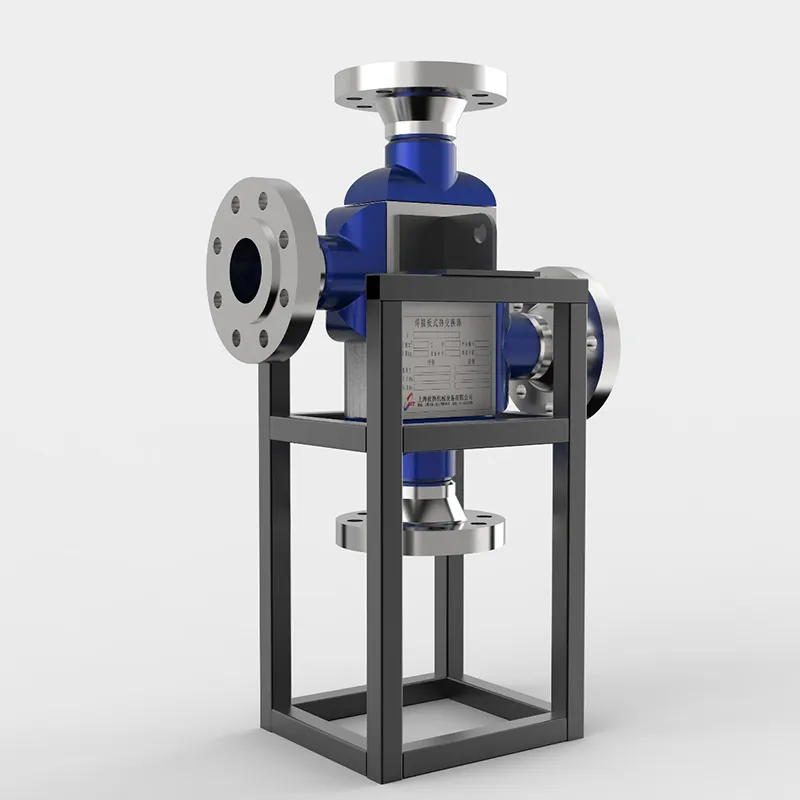
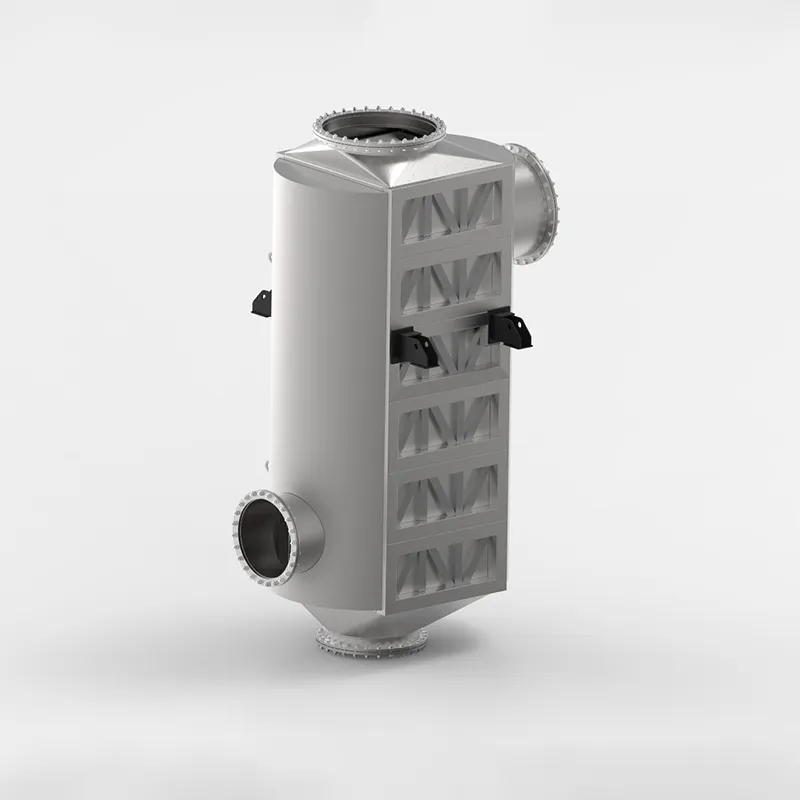
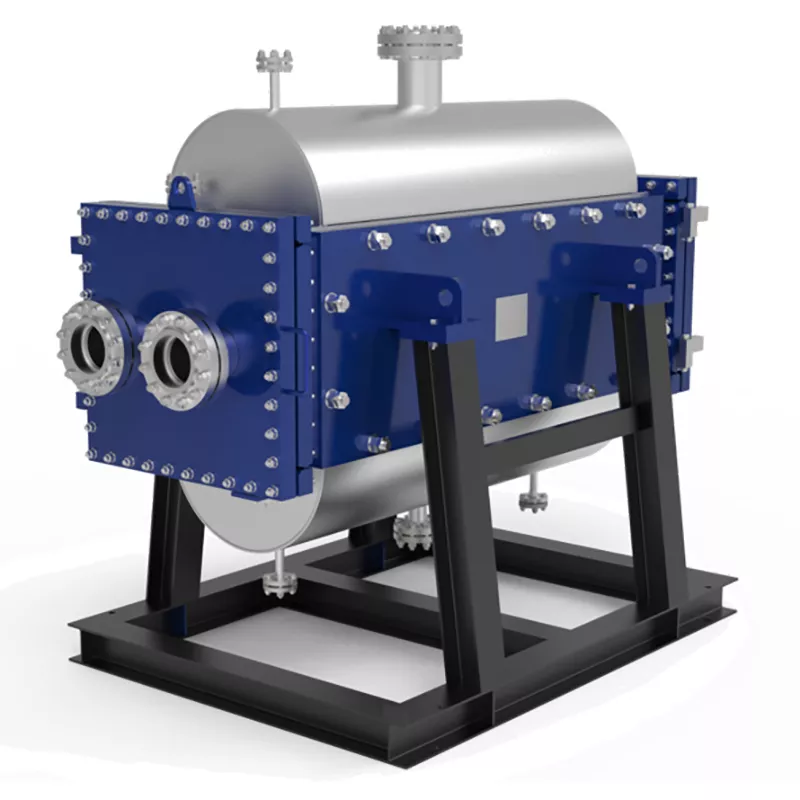
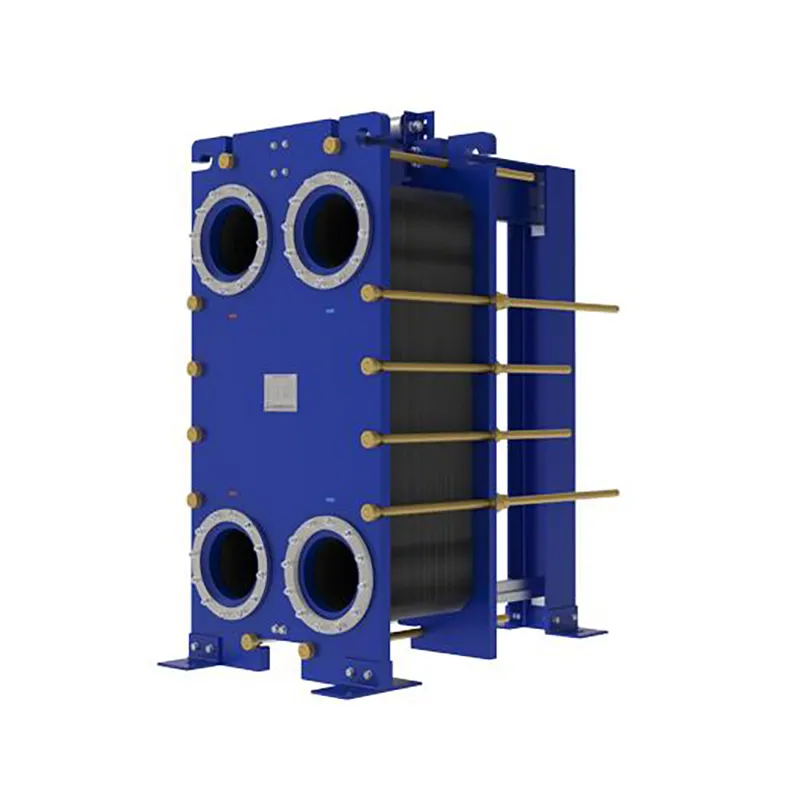
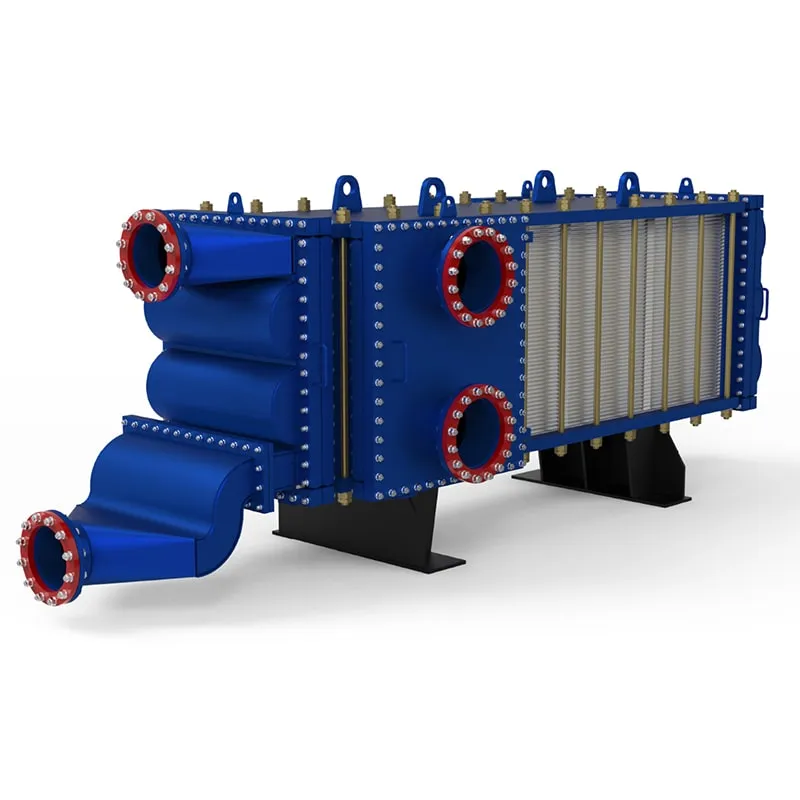
A sludge heat exchanger is a plate-type heat exchanger engineered to transfer thermal energy between a heating or cooling medium and sludge-like fluids. These fluids often contain solids, fibers, or sticky residues that can clog standard heat exchangers. Unlike conventional units, sludge heat exchangers feature wider plate gaps, larger ports, and robust materials to prevent fouling and ensure consistent performance. For process engineers and purchasing managers, investing in a reliable sludge heat exchanger means lower maintenance costs, higher energy efficiency, and compliance with environmental regulations.
How Does a Sludge Heat Exchanger Work?
The working principle of a sludge heat exchanger is based on indirect heat transfer through corrugated plates. The sludge flows through wide channels on one side, while a clean fluid (water, steam, or thermal oil) flows counter-currently on the other side. The plate design creates turbulence, enhancing heat transfer even with high-viscosity media. Key process steps include:
- Sludge enters the exchanger through large-diameter ports to reduce pressure drop.
- Wide-gap plates allow solids and fibers to pass without blocking the flow path.
- Heat is transferred from the heating medium to the sludge, raising its temperature for digestion, drying, or pre-treatment.
- Periodic cleaning cycles (CIP) maintain efficiency without disassembly.
What Are the Key Features of a High-Performance Sludge Heat Exchanger?
Modern sludge heat exchangers incorporate several design features to handle demanding applications. Below is a table of typical parameter ranges for industrial units:
| Parameter |
Typical Range |
| Maximum operating pressure |
10–30 bar |
| Maximum operating temperature |
180–350°C |
| Plate gap (wide-gap designs) |
5–15 mm |
| Port diameter |
50–300 mm |
| Heat transfer coefficient |
500–3000 W/m²·K |
| Material options |
Stainless steel 316L, titanium, duplex |
These parameters ensure reliable operation in wastewater treatment, biogas plants, and chemical processing. For more details on plate configurations, explore our wide gap welded plate heat exchanger options.
What Are the Common Applications of Sludge Heat Exchangers?
Sludge heat exchangers are used across multiple industries where fouling fluids are present. Typical applications include:
- Municipal wastewater treatment: heating sludge for anaerobic digestion to increase biogas yield.
- Industrial effluent treatment: cooling or heating slurry streams before discharge or reuse.
- Biogas plants: pre-heating feedstock to optimize fermentation temperatures.
- Food and beverage processing: handling viscous byproducts like fruit pulp or yeast slurry.
- Chemical manufacturing: processing polymer slurries or catalyst suspensions.
For each application, selecting the right design—such as a gasketed or welded plate configuration—is critical. Our gasketed plate heat exchangers offer flexibility for lower-pressure duties, while fully welded units handle higher temperatures and aggressive media.
Why Choose SHPHE for Your Sludge Heat Exchanger?
SHPHE (Shanghai-based, founded in 2005) is a trusted manufacturer of plate heat exchangers, exporting to over 20 countries with ISO9001 and ASME U certifications. Our sludge heat exchanger product lines include HT-Bloc and TP welded plate designs, wide-gap welded units, gasketed plate models, PCHE, plate air preheaters, and pillow plates. Each unit is backed by free thermal design and selection services, ensuring optimal performance for your specific process conditions. Unlike generic solutions, SHPHE heat exchangers are engineered to reduce fouling, simplify cleaning, and deliver consistent thermal efficiency. We also offer alternatives compatible with Alfa Laval, Compabloc, or GEA configurations, making retrofit projects straightforward.
Frequently Asked Questions About Sludge Heat Exchangers
Q1: Can a sludge heat exchanger handle fluids with large solids?
A: Yes, wide-gap designs with plate gaps up to 15 mm allow particles and fibers up to 10 mm to pass without clogging. For larger solids, pre-screening is recommended.
Q2: How often does a sludge heat exchanger need cleaning?
A: Cleaning frequency depends on sludge composition and operating temperature. Typically, a CIP cycle every 2–4 weeks maintains efficiency. Some designs allow online cleaning without shutdown.
Q3: What is the typical lifespan of a sludge heat exchanger?
A: With proper maintenance, a well-built unit lasts 15–20 years. Material selection (e.g., stainless steel or titanium) and corrosion protection are key factors.
Q4: Can I retrofit a sludge heat exchanger into an existing system?
A: Yes, many units are designed as drop-in replacements for shell-and-tube or spiral exchangers. Our team provides free thermal design to match your existing piping and space constraints.
Q5: Is a gasketed or welded sludge heat exchanger better?
A: Gasketed units offer easier maintenance and lower cost for clean fluids. Welded designs (like HT-Bloc or TP) are better for high-temperature, high-pressure, or aggressive sludge applications.
Q6: How does a sludge heat exchanger improve energy efficiency?
A: By recovering waste heat from sludge streams, these units reduce external heating demand by up to 30%. The turbulent plate design also minimizes temperature gradients, preventing thermal stress.
Request a Quote for Your Sludge Heat Exchanger
To get a tailored solution for your process, please provide the following details: flow rate (m³/h), inlet and outlet temperatures, operating pressure, and media composition (including solid content and viscosity). Our engineering team will perform a free thermal design and recommend the optimal sludge heat exchanger configuration. Contact us today to discuss your project and see how SHPHE can improve your thermal performance.
For more information on our product range, visit our HT-Bloc welded plate heat exchanger page or explore custom pillow plates for specialized heating and cooling needs.

 English EN





User Comments
Service Experience Sharing from Real Customers
Elena
Process EngineerWe installed this sludge heat exchanger six months ago to handle our oily waste stream. The thermal recovery alone cut our preheating gas bill by nearly 20%. The spiral design doesn't clog like our old shell-and-tube unit did. Only minor gripe is the gasket replacement is a bit fiddly, but the maintenance interval is way longer than promised. Solid piece of kit.
Marcus
Plant Maintenance SupervisorBeen running this on our digester sludge line for about a year now. The key benefit is how well it handles the solids without constant plugging—we used to have to rod out our old exchanger every other week. Cleaning in place actually works here, which is a lifesaver for my crew. Took a star off because the initial installation manual was a bit vague on the support brackets, but once we figured it out, it's been smooth sailing.
Priya
Senior Utilities EngineerI've specified heat exchangers for sludge applications across three different plants now, and this model is the most forgiving I've seen with varying solids content. The pressure drop is stable even when our upstream process has a bad day. Plus, the customer support team actually picks up the phone when you need a quick sizing check. Would definitely recommend for anyone tired of babying their equipment.
Tomás
Shift OperatorLook, it works fine most days, but I'm giving it three stars because the cleaning cycle takes longer than what the sales rep claimed. We run heavy primary sludge with grit, and I have to flush it more often to keep the efficiency up. That said, when it's clean, the heat transfer is fantastic and the floor space savings are real. Not perfect for our dirtiest stream, but a good tool for the right job.