Maximizing Thermal Efficiency with a Reliable Paper Mill Heat Exchanger
In paper production, heat recovery and process cooling directly impact energy costs and product quality. A well-designed paper mill heat exchanger recovers waste heat from black liquor, steam condensate, or dryer sections, reducing overall energy consumption by up to 30%. This article explores how selecting the right plate heat exchanger technology—whether gasketed, welded, or wide-gap—can improve thermal efficiency, minimize fouling, and extend equipment life. We cover working principles, typical parameters, application-specific solutions, and answer common buyer questions to help you make an informed investment.
For process engineers and purchasing managers in the pulp and paper industry, every percentage point of thermal efficiency gained translates into significant operational savings. A paper mill heat exchanger is not just a component; it is a strategic asset for energy management. Whether you are dealing with corrosive green liquor, fiber-laden white water, or high-temperature steam condensate, the right heat exchanger design ensures reliable performance and minimal downtime. This guide provides a practical, data-driven overview of how to match heat exchanger technology to your specific mill conditions.
What Makes a Paper Mill Heat Exchanger Different from Standard Units?
Paper mill process streams are notoriously challenging. They often contain suspended fibers, chemicals, and varying viscosities that cause rapid fouling in standard shell-and-tube or gasketed plate heat exchangers. A dedicated paper mill heat exchanger must handle:
- High solids content (up to 5–8% fiber in white water loops)
- Corrosive chemicals (sodium hydroxide, sodium sulfide in black liquor)
- Temperature extremes (from 40°C in effluent to 180°C in steam condensate)
- Pressure fluctuations (up to 16 bar in certain recovery circuits)
Because of these conditions, many mills have moved away from traditional shell-and-tube designs toward plate heat exchangers. Plate designs offer higher thermal efficiency, easier cleaning, and a smaller footprint. However, not all plate heat exchangers are suitable for paper mill service. The choice between gasketed, fully welded, and wide-gap designs depends on the specific media and operating parameters.
How Does a Plate Heat Exchanger Work in a Paper Mill?
A plate heat exchanger consists of a series of corrugated metal plates pressed together between a fixed frame and a movable pressure plate. The hot and cold fluids flow through alternating channels, transferring heat through the thin plate walls. The corrugation pattern creates turbulence even at low flow rates, which significantly improves the heat transfer coefficient compared to smooth tubes.
In a typical paper mill application, the paper mill heat exchanger might recover heat from hot condensate returning from the dryer section to preheat fresh process water. This simple loop can reduce steam demand by 15–25%. For more demanding duties, such as cooling black liquor before evaporation, a wide-gap or welded plate design is used to prevent clogging and withstand corrosive environments.
Key Features and Typical Parameter Ranges for Paper Mill Heat Exchangers
When evaluating a heat exchanger for your mill, pay attention to these core specifications. The following table summarizes commonly accepted ranges for plate heat exchangers used in pulp and paper processes:
| Parameter |
Typical Range |
Notes |
| Design pressure |
Up to 25 bar (gasketed); up to 40 bar (welded) |
Higher pressure ratings available for special applications |
| Design temperature |
-20°C to 200°C (gasketed); up to 350°C (welded) |
Elastomer gasket material limits top temperature |
| Plate material |
SS304, SS316L, Titanium, Hastelloy |
Selection based on corrosivity of process fluid |
| Channel gap |
2.5 mm (standard); 5–12 mm (wide-gap) |
Wide gap for fibrous or viscous media |
| Heat transfer coefficient |
3,000–7,000 W/m²·K (water-to-water) |
Depends on flow velocity and fluid properties |
| Fouling factor |
0.00005–0.0002 m²·K/W |
Higher for black liquor and white water |
These ranges are industry-generic and serve as a starting point. Actual performance depends on flow rates, temperature differences, and fluid properties. Always request a thermal design calculation from your supplier based on your specific mill data.
Applications and Recommended Solutions for Paper Mill Heat Exchangers
Different areas of a paper mill require different heat exchanger configurations. Below are common applications and the recommended plate technology for each:
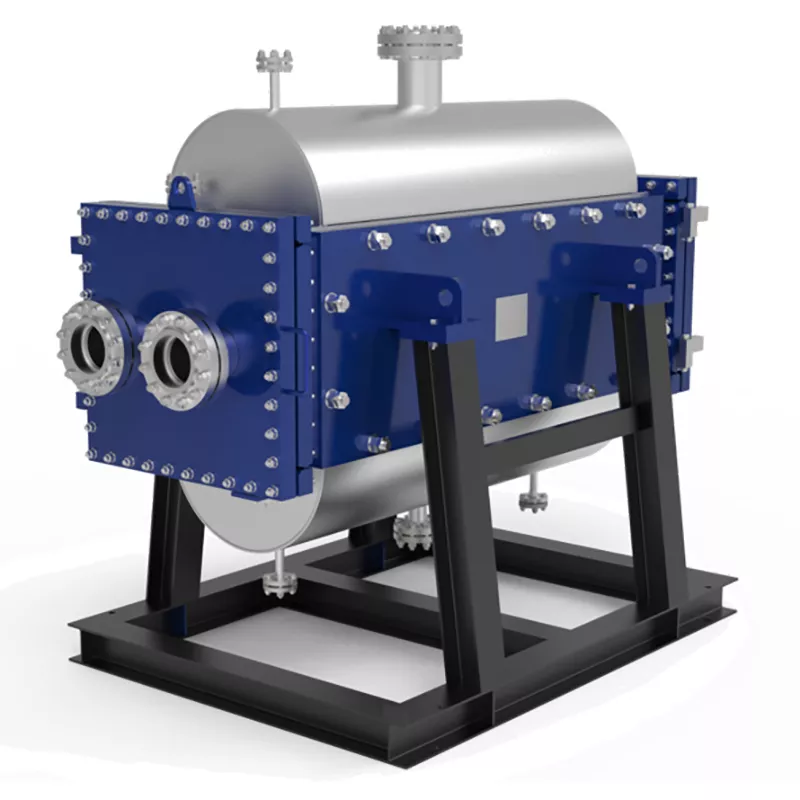
- Black liquor heating/cooling: Use a wide-gap welded plate heat exchanger to handle high viscosity and solids content. The wide channel gap (8–12 mm) prevents plugging, and the welded construction eliminates gasket failure risks.
- White water heat recovery: A gasketed plate heat exchanger with 316L plates works well for low-fiber-content streams. Regular backflushing or CIP (clean-in-place) cycles keep fouling under control.
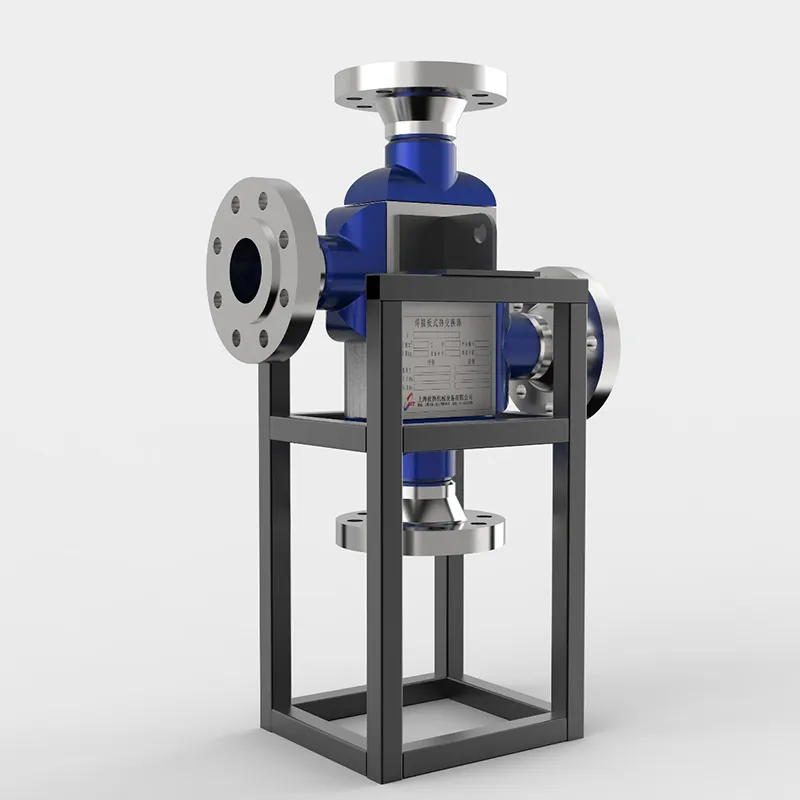
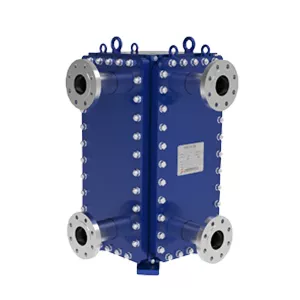
- Steam condensate cooling: A TP welded plate heat exchanger is ideal for high-temperature condensate (up to 180°C). It provides a compact footprint and excellent thermal performance.
- Green liquor heating: Due to the corrosive nature of green liquor, a titanium plate heat exchanger is recommended. A gasketed design allows easy plate replacement if corrosion occurs.
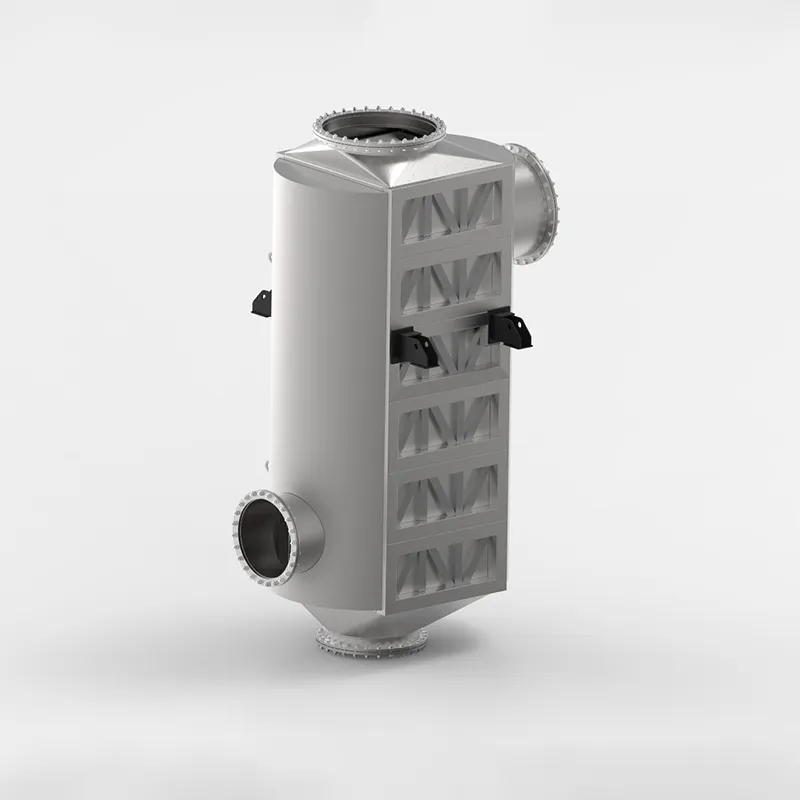
- Dryer section air preheating: A plate air preheater recovers waste heat from exhaust air to preheat incoming fresh air, reducing steam consumption in the dryer section.
For each application, the key is to match the plate geometry, material, and sealing method to the process conditions. A reliable paper mill heat exchanger supplier will offer free thermal design and selection services to ensure the unit is properly sized from the start.
Why Choose SHPHE for Your Paper Mill Heat Exchanger Needs?
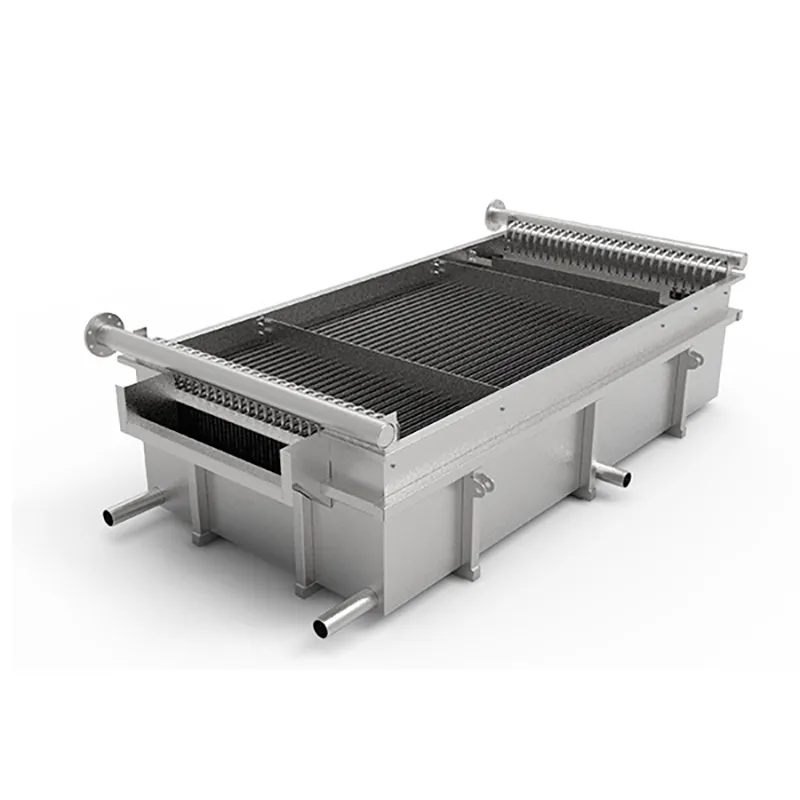
SHPHE is a Shanghai-based plate heat exchanger manufacturer founded in 2005, with ISO9001 and ASME U certifications. We export to more than 20 countries and serve the pulp and paper industry with a full range of products: HT-Bloc and TP welded plate heat exchangers, wide-gap welded plate heat exchangers, gasketed plate heat exchangers, printed circuit heat exchangers (PCHE), plate air preheaters, and pillow plates. Our engineering team provides free thermal design and selection based on your mill's flow rate, temperature, pressure, and media composition.
We understand that every paper mill is unique. That is why we do not offer one-size-fits-all solutions. Instead, we work with you to select the right plate pattern, gasket material, and frame size. Our units are designed as reliable alternatives to brands like Alfa Laval, Compabloc, or GEA, offering comparable performance at competitive pricing. For example, our wide-gap welded plate heat exchanger is specifically engineered for fibrous and high-viscosity fluids common in paper mills. Additionally, our custom-engineered plate air preheaters help mills recover waste heat from dryer exhaust, further improving overall thermal efficiency.
When you partner with SHPHE, you get more than a piece of equipment. You get a team that understands the thermal challenges of paper production and is committed to helping you reduce energy costs and increase uptime.
Frequently Asked Questions About Paper Mill Heat Exchangers
What type of heat exchanger is best for black liquor service?
A wide-gap welded plate heat exchanger is the best choice for black liquor. The wide channel gap (typically 8–12 mm) prevents plugging from fibers and solids, while the welded construction eliminates gasket failures caused by the corrosive nature of black liquor. This design also allows for easier cleaning compared to shell-and-tube units.
Can I use a gasketed plate heat exchanger for white water?
Yes, a gasketed plate heat exchanger is suitable for white water with low fiber content (below 3%). Use 316L stainless steel plates for corrosion resistance. Regular CIP cleaning is recommended to manage fouling. For higher fiber loads, consider a wide-gap design to avoid channel blockage.
How often should a paper mill heat exchanger be cleaned?
Cleaning frequency depends on the fouling tendency of the process fluid. For white water loops, cleaning every 3–6 months is common. For black liquor service, every 6–12 months may be sufficient. Monitor pressure drop and outlet temperature; a 10–15% drop in thermal performance indicates it is time for cleaning.
What is the typical lifespan of a plate heat exchanger in a paper mill?
With proper maintenance, a plate heat exchanger can last 15–20 years. Gasketed units may require gasket replacement every 5–8 years depending on temperature and chemical exposure. Welded units have a longer lifespan between major overhauls, often exceeding 20 years.
Can SHPHE provide a heat exchanger compatible with my existing Alfa Laval frame?
Yes, SHPHE offers replacement plate packs and gaskets that are compatible with Alfa Laval, Compabloc, and GEA frames. We can match the original plate geometry and performance characteristics. Contact us with your existing model number and we will provide a compatible solution.
What information do I need to get a thermal design for my paper mill heat exchanger?
To perform a free thermal design, we need the following: flow rate (hot and cold side), inlet and outlet temperatures, operating pressure, allowable pressure drop, and fluid composition (including solids content and pH). With this data, our engineers can recommend the optimal plate material, channel gap, and configuration.
Request a Quote for Your Paper Mill Heat Exchanger
Selecting the right paper mill heat exchanger is critical to your mill's energy efficiency and operational reliability. SHPHE offers free thermal design and selection services to ensure you get the best solution for your specific process conditions. To receive a customized proposal, please provide the following details:
- Flow rate for both hot and cold streams (in m³/h or GPM)
- Inlet and outlet temperatures (in °C or °F)
- Operating pressure and allowable pressure drop
- Media composition (including solids content, pH, and any corrosive elements)
Our team will review your requirements and respond with a detailed thermal design, recommended model, and competitive pricing. We look forward to helping you maximize thermal efficiency in your paper mill.

 English EN





User Comments
Service Experience Sharing from Real Customers
Marcus
Maintenance SupervisorWe swapped out our old shell-and-tube units for this plate heat exchanger six months ago. The fouling resistance is night-and-day better — I'm spending way less time on acid cleaning. The pressure drop is stable even when we push the stock consistency. Solid build, no gasket leaks so far.
Lena
Process EngineerI was skeptical about the claimed thermal efficiency, but after running it on our white water loop for three months, the numbers check out. We're recovering an extra 8% heat compared to the previous model. Only reason it's not 5 stars is the installation manual could be clearer about the support bracket alignment.
Tommy
Shift OperatorI've been working the paper machine floor for 12 years and I've seen a lot of heat exchangers come and go. This one is the quietest we've ever had — no vibration, no hammering when we ramp up. Plus the cleaning ports are actually placed where you can reach them without a contortionist act. My crew loves it.
Priya
Reliability ManagerWe installed this on a black liquor preheating duty expecting some teething problems. Honestly, the corrosion resistance on the plate material has been impressive — no pitting after a full winter campaign. I'd like to see a slightly thicker gasket option for high-pressure applications, but overall it's a workhorse.