How a Biogas Heat Exchanger Boosts Anaerobic Digestion Performance
A biogas heat exchanger is critical for maintaining optimal temperature in anaerobic digesters, directly impacting gas yield and process stability. This article explains how selecting the right heat exchanger—such as a welded plate or wide gap design—improves thermal efficiency, reduces fouling, and lowers operational costs. We cover working principles, key parameters, application scenarios, and answer common buyer questions to help you make an informed investment.
What Is a Biogas Heat Exchanger and Why Does It Matter?
Anaerobic digestion relies on a stable temperature range—typically 35–38°C for mesophilic or 50–55°C for thermophilic operation. Without precise heating, bacterial activity slows, gas production drops, and digester instability sets in. A biogas heat exchanger transfers heat from a hot water loop, boiler exhaust, or combined heat and power (CHP) jacket water into the sludge or substrate. It is the backbone of energy-efficient biogas plants.
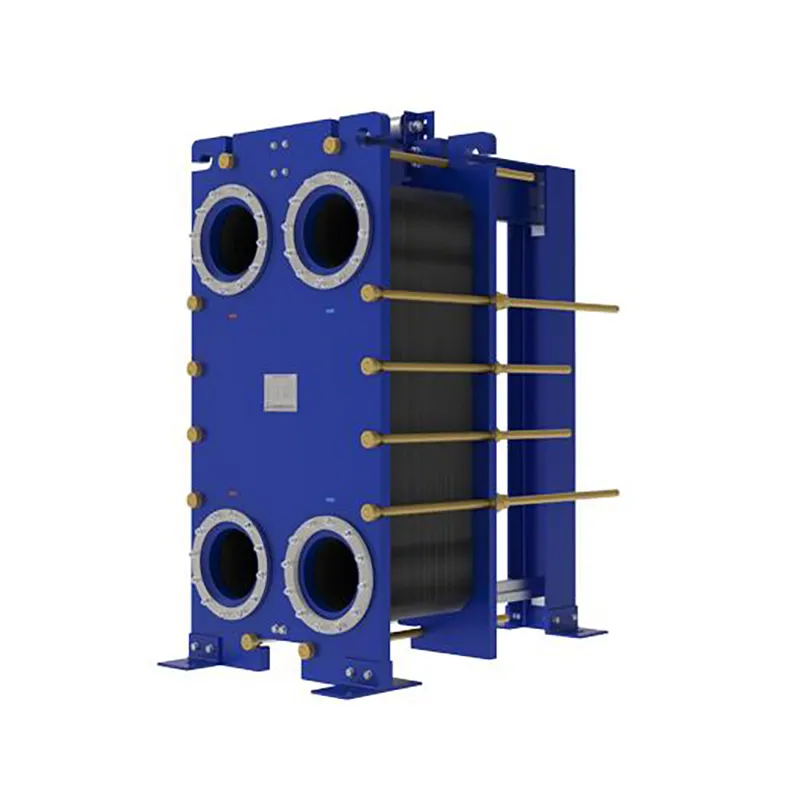
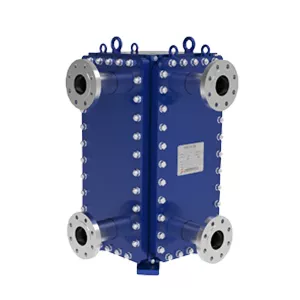
Many plants use gasketed plate heat exchangers, but these often suffer from gasket failure and fouling when handling high-solids digestate. That is why process engineers increasingly turn to welded plate or wide gap designs. These alternatives offer higher reliability, longer service intervals, and better thermal performance in demanding biogas environments.
How Does a Biogas Heat Exchanger Work in Practice?
In a typical setup, hot water at 70–90°C flows through the primary side of the heat exchanger. The secondary side handles the sludge or digestate, which contains 5–12% total solids. The exchanger raises the sludge temperature by 5–10°C per pass, depending on flow rate and surface area.
Key process steps include:
- Preheating incoming substrate to avoid thermal shock to the digester.
- Maintaining digester temperature via recirculation loops.
- Recovering heat from effluent or CHP exhaust to improve overall efficiency.
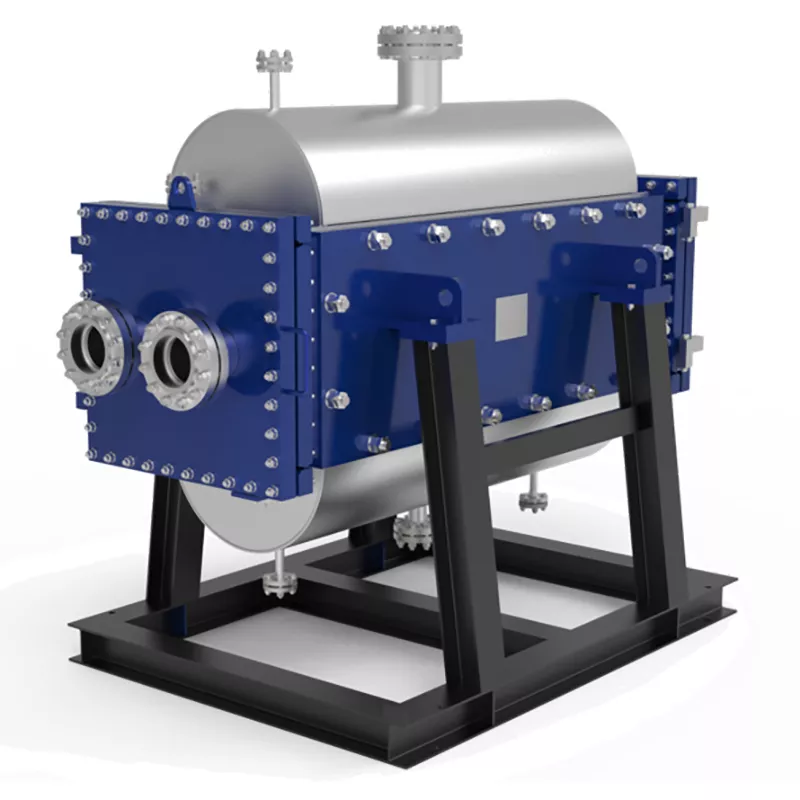
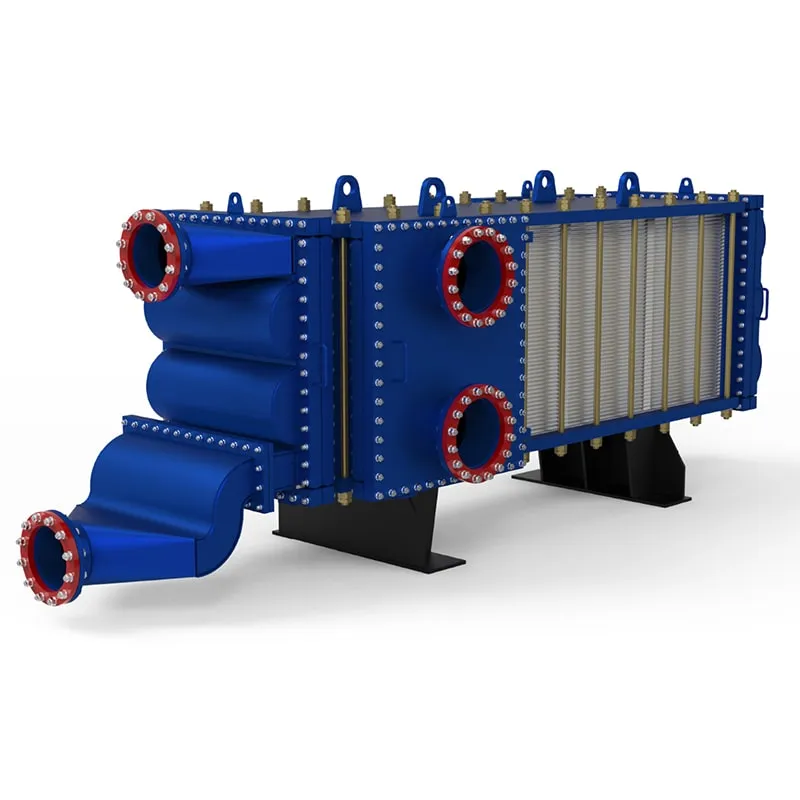
For plants processing food waste or agricultural residues, the heat exchanger must handle fibrous solids and occasional grit. That is where a wide gap welded plate heat exchanger becomes a practical choice—its wider channel spacing reduces clogging and makes cleaning intervals longer.
Key Features and Typical Parameter Ranges
When evaluating a biogas heat exchanger, focus on these parameters:
| Parameter |
Typical Range |
Notes |
| Design pressure |
10–25 bar |
Higher for CHP integration |
| Design temperature |
Up to 200°C |
Depends on heat source |
| Channel gap |
5–12 mm (wide gap) |
Prevents fouling |
| Heat transfer coefficient |
1,500–4,500 W/m²K |
Depends on media and design |
| Material |
SS304 / SS316L / Titanium |
Corrosion resistance critical |
For biogas applications, SS316L is common due to hydrogen sulfide and organic acid exposure. Gasketed designs use EPDM or NBR gaskets, but welded plate units eliminate gasket failure entirely.
What Are the Best Applications for a Biogas Heat Exchanger?
Biogas heat exchangers are used across the entire biogas value chain:
- Digester heating: Direct sludge heating via internal or external loops.
- Substrate preheating: Warming feedstocks like manure, silage, or organic waste before entering the digester.
- CHP heat recovery: Capturing jacket water and exhaust heat to improve plant efficiency.
- Pasteurization: Heating digestate to 70°C for pathogen reduction before land application.
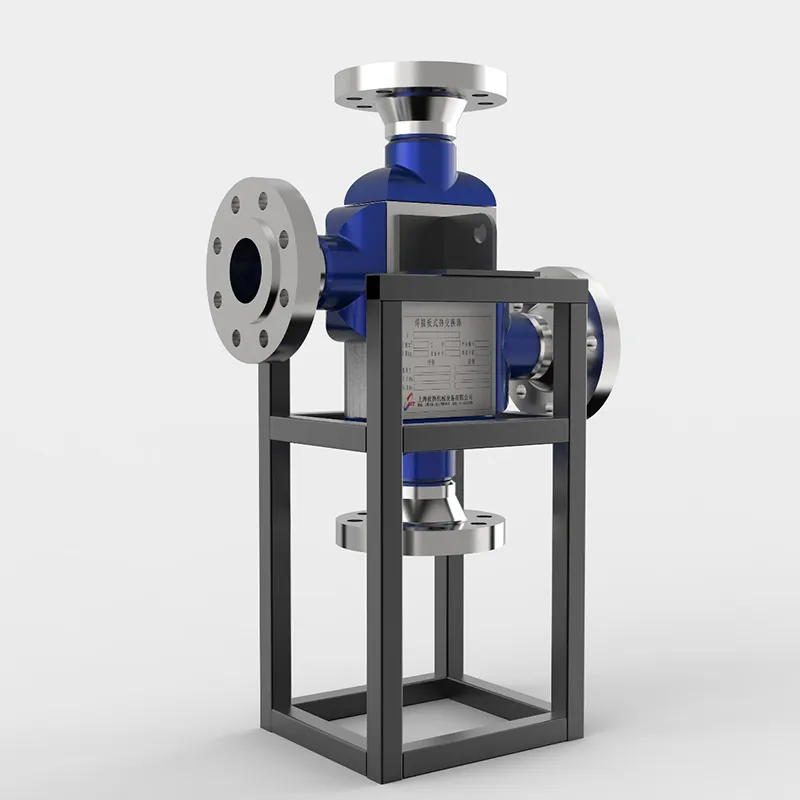
For each application, the choice of heat exchanger depends on solids content, temperature, and pressure. A HT-Bloc welded plate heat exchanger is often recommended for high-temperature and high-pressure duties, such as CHP exhaust gas heat recovery.
Why Choose SHPHE for Your Biogas Heat Exchanger?
SHPHE is a Shanghai-based plate heat exchanger manufacturer founded in 2005, exporting to over 20 countries. We hold ISO9001 and ASME U certifications, ensuring our products meet international quality standards. Our product lines include HT-Bloc and TP welded plate heat exchangers, wide gap welded plate units, gasketed plate heat exchangers, PCHE, plate air preheaters, and pillow plates.
We offer free thermal design and selection service. Our engineers analyze your flow rate, temperature, pressure, and media composition to recommend the most cost-effective biogas heat exchanger. Whether you need a direct replacement for an existing Alfa Laval or Compabloc unit, or a custom solution for a new plant, we provide compatible alternatives with proven performance.
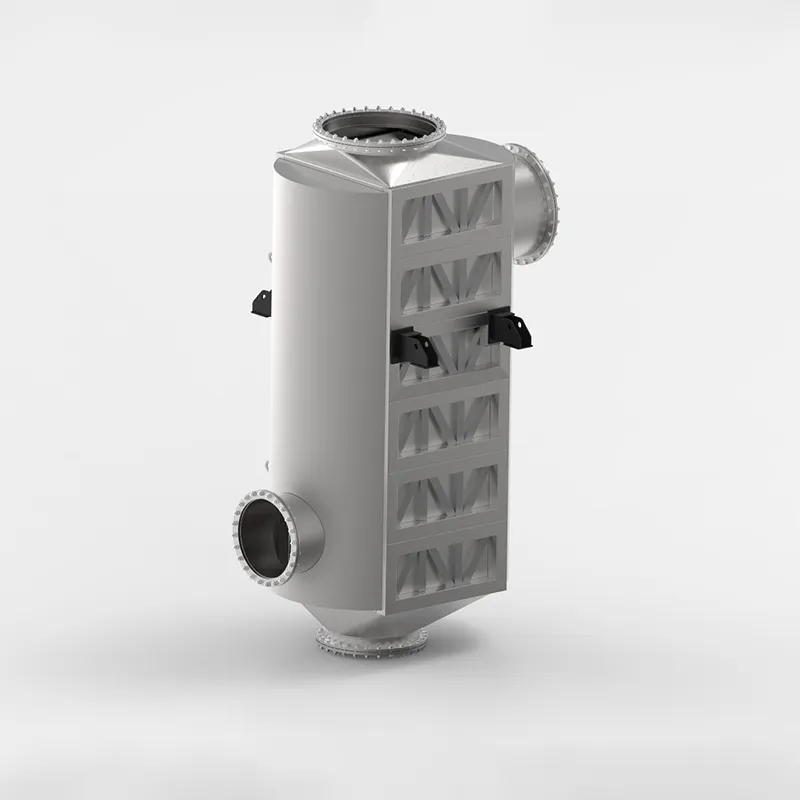
For sludge heating with high solids, our TP welded plate heat exchanger offers robust construction and easy maintenance. For gas-to-liquid duties like exhaust heat recovery, our plate air preheaters deliver excellent thermal efficiency.
Frequently Asked Questions About Biogas Heat Exchangers
What type of heat exchanger is best for biogas digesters?
Welded plate or wide gap designs are best for biogas digesters because they handle high solids content and resist fouling better than gasketed units. They also eliminate gasket replacement costs and reduce downtime.
Can I use a standard gasketed plate heat exchanger for biogas sludge?
Only if the sludge has low solids (below 3%) and no fibrous material. For typical biogas digestate with 5–12% solids, a gasketed unit will clog quickly and require frequent cleaning. A wide gap or welded plate design is more reliable.
How often does a biogas heat exchanger need cleaning?
Cleaning frequency depends on solids content and operating conditions. With a wide gap design, intervals can extend to 6–12 months. Gasketed units may need cleaning every 1–3 months. Regular monitoring of pressure drop helps schedule maintenance.
What materials are used for biogas heat exchangers?
Stainless steel 304 and 316L are common. For high corrosion resistance in sour biogas environments, titanium or duplex stainless steel may be specified. Gaskets are typically EPDM or NBR, but welded plate units avoid gaskets entirely.
Can a biogas heat exchanger recover heat from CHP exhaust?
Yes. A plate air preheater or welded plate heat exchanger can capture exhaust gas heat at 300–500°C and transfer it to a water loop for digester heating. This improves overall plant efficiency by 10–20%.
How do I size a biogas heat exchanger for my plant?
Sizing requires flow rate, inlet/outlet temperatures, media composition, and allowable pressure drop. SHPHE offers free thermal design and selection—just provide your process parameters, and we will recommend the optimal model.
Get a Custom Biogas Heat Exchanger Solution
Every biogas plant has unique requirements. To get a reliable biogas heat exchanger that maximizes your digester performance, share your process details with us. We need your flow rate, temperature range, operating pressure, and media characteristics (solids content, viscosity, pH). Our team will provide a free thermal design and a competitive quotation.
Contact SHPHE today to discuss your project. With over 18 years of experience and ASME U certification, we deliver heat exchangers that boost biogas yield and reduce lifecycle costs. Let us help you select the right biogas heat exchanger for your anaerobic digestion system.

 English EN





User Comments
Service Experience Sharing from Real Customers
Megan
Maintenance SupervisorWe installed this biogas heat exchanger six months ago at our dairy farm. The heat recovery has cut our propane usage by nearly 40%. It’s built like a tank and handles the corrosive biogas without any issues so far. Only downside was the initial install took a bit longer than expected, but the savings are already paying off.
Liam
Process EngineerFor a medium-scale municipal wastewater plant, this exchanger does the job reliably. The stainless steel construction holds up well against H2S, and the thermal efficiency is solid—around 88% according to our data. I knocked off one star because the gaskets needed replacing after 14 months, but that’s pretty standard for this application.
Fatima
Facility ManagerWe’re a food processing plant with a lot of organic waste, so we finally added a biogas system. This heat exchanger was the heart of it. It’s been running 24/7 for over a year with zero leaks and minimal fouling. The preheating of our boiler feed water alone saved us thousands. Highly recommend for anyone in food waste-to-energy.
Jack
Renewable Energy TechnicianIt’s decent for the price, but don’t expect plug-and-play. I had to modify the flange connections to fit our existing piping, and the manual was confusing. Once it was running, performance was fine—steady heat transfer, no major hiccups. Just be ready for some on-site adjustments if you’re retrofitting an older digester.