How a TEG Glycol Heat Exchanger Improves Gas Dehydration Performance
In natural gas processing, removing water vapor is critical to prevent hydrate formation, corrosion, and pipeline blockages. Triethylene glycol (TEG) dehydration systems rely heavily on heat exchangers to regenerate the glycol solvent efficiently. This article explains how a TEG glycol heat exchanger improves gas dehydration performance, covering working principles, key features, application scenarios, and practical selection advice for process engineers and procurement professionals.
What Is a TEG Glycol Heat Exchanger and Why Does It Matter?
A TEG glycol heat exchanger is a specialized thermal device used in glycol regeneration loops. Its primary job is to preheat lean glycol entering the still column or reboiler, using the hot rich glycol exiting the absorber. By recovering waste heat, it reduces the overall energy consumption of the dehydration unit. For overseas process engineers and purchasing managers, selecting the right TEG glycol heat exchanger directly impacts operating costs, system reliability, and maintenance intervals. A well-designed unit can lower reboiler duty by 20–30%, which translates into significant fuel savings over the life of the plant.
Working Principle: How the Heat Exchange Loop Operates
In a typical TEG dehydration system, the glycol solution circulates between the absorber and the regeneration unit. The rich glycol (water-saturated) leaves the contactor at around 80–100°F (27–38°C) and must be heated to approximately 350–400°F (177–204°C) in the reboiler to strip out absorbed water. Before entering the reboiler, the rich glycol passes through the TEG glycol heat exchanger, where it exchanges heat with the hot lean glycol returning from the reboiler at 350–400°F. This preheating step raises the rich glycol temperature to 180–250°F (82–121°C), significantly reducing the thermal load on the reboiler. The lean glycol, in turn, cools down to 120–150°F (49–66°C), making it ready for reinjection into the absorber.
This countercurrent flow arrangement maximizes thermal efficiency. Typical temperature approaches range from 10°F to 25°F (5.6°C to 13.9°C), depending on the exchanger design and flow rates. The pressure drop across the exchanger is usually kept below 5–10 psi (0.34–0.69 bar) to avoid excessive pump energy consumption.
Key Features of a High-Performance TEG Glycol Heat Exchanger
When evaluating a TEG glycol heat exchanger for your gas dehydration plant, consider these critical design features:
- Compact plate design: Welded plate heat exchangers offer high heat transfer coefficients (3,000–7,000 W/m²·K) in a small footprint, ideal for offshore platforms and remote gas processing facilities.
- Corrosion resistance: TEG glycol can become acidic at high temperatures. Stainless steel 316L or duplex materials are commonly used to withstand corrosion and extend service life.
- Low fouling tendency: Wide gap or semi-welded plate designs allow glycol with suspended solids or degradation byproducts to pass through without clogging, reducing cleaning frequency.
- High temperature and pressure capability: Typical design conditions range from 150°F to 450°F (65°C to 232°C) and up to 300 psi (20.7 bar) for most dehydration applications.
- Modular construction: Plate packs can be added or removed to adjust capacity, providing flexibility for future plant expansions.
Typical Parameter Ranges for TEG Glycol Heat Exchangers
The following table summarizes commonly accepted operating parameters for TEG glycol heat exchangers in gas dehydration service. These values are industry-generic and should be verified against your specific process conditions.
| Parameter |
Typical Range |
| Rich glycol inlet temperature |
80–100°F (27–38°C) |
| Rich glycol outlet temperature (preheated) |
180–250°F (82–121°C) |
| Lean glycol inlet temperature |
350–400°F (177–204°C) |
| Lean glycol outlet temperature |
120–150°F (49–66°C) |
| Design pressure |
Up to 300 psi (20.7 bar) |
| Pressure drop (per side) |
3–10 psi (0.21–0.69 bar) |
| Heat transfer coefficient (U) |
500–1,200 Btu/h·ft²·°F (2,800–6,800 W/m²·K) |
| Fouling factor |
0.0005–0.002 h·ft²·°F/Btu (0.00009–0.00035 m²·K/W) |
Applications and Recommended Solutions for TEG Dehydration
TEG glycol heat exchangers are used across a wide range of gas dehydration applications, from small wellhead units processing 5 MMSCFD to large central plants handling 500 MMSCFD or more. Common scenarios include:
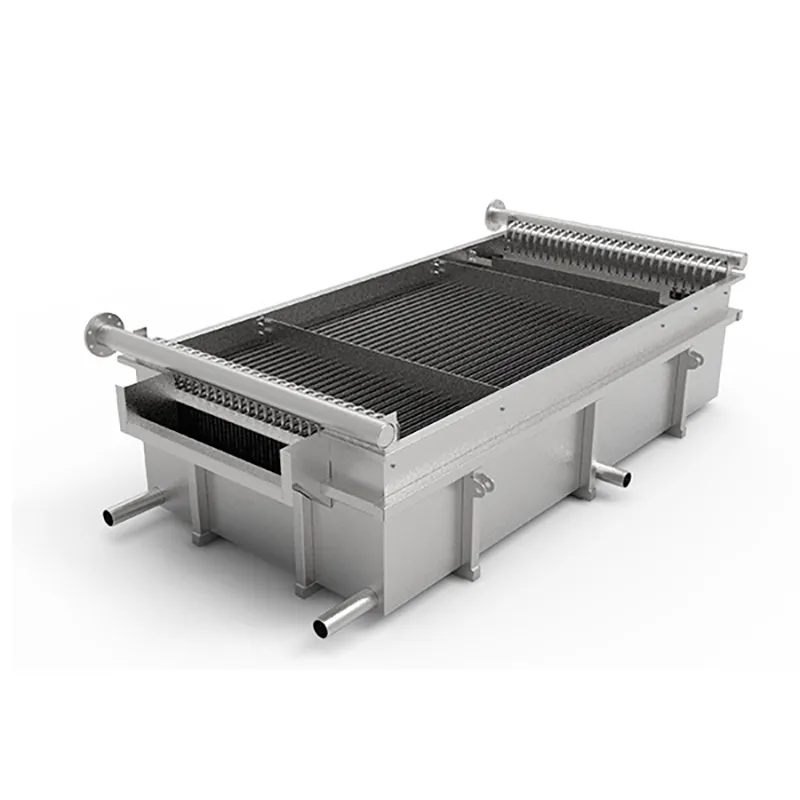
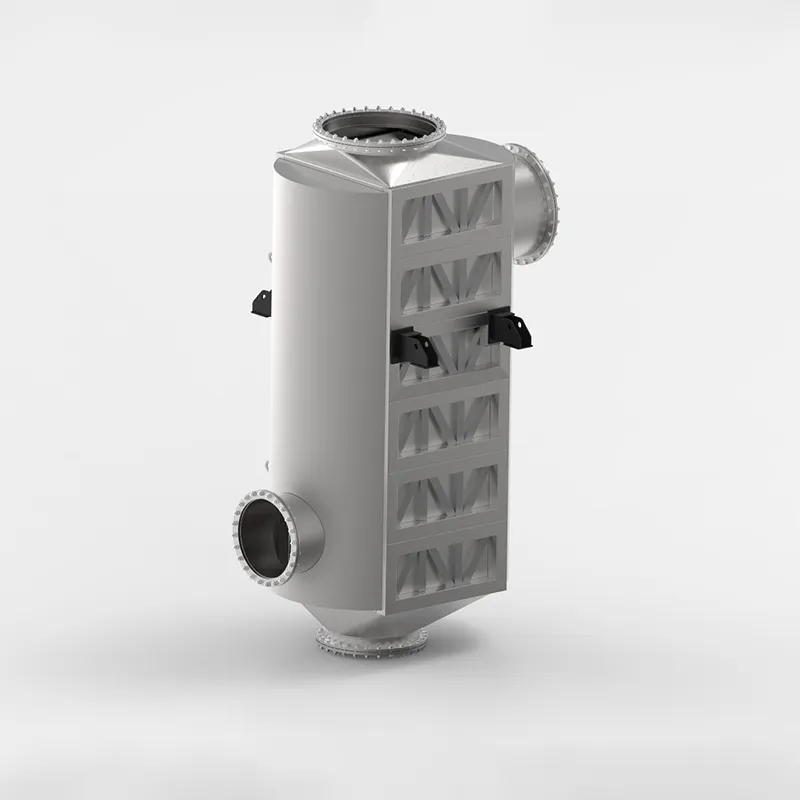
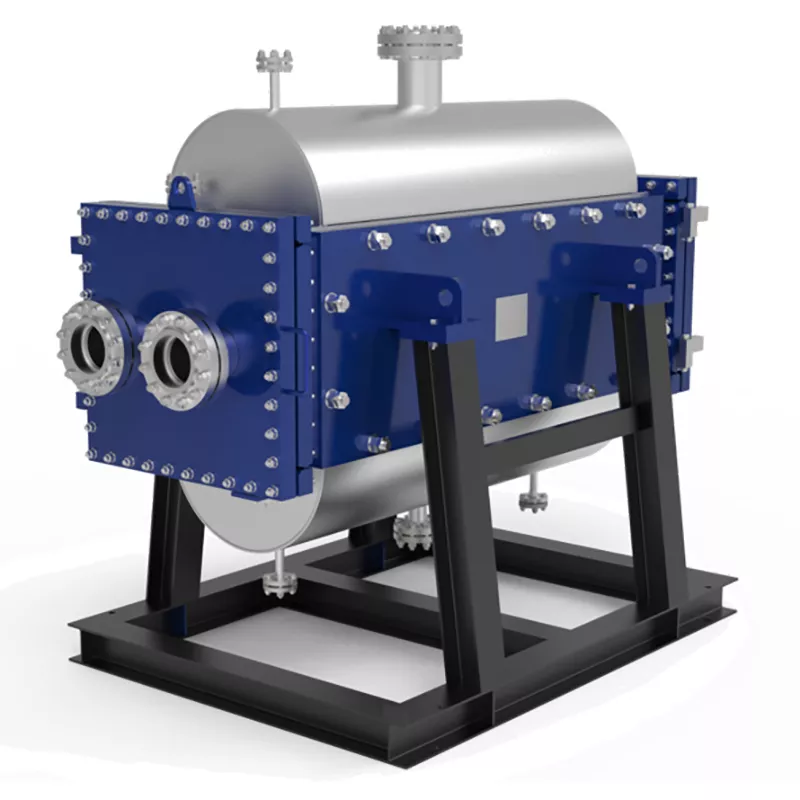
- Onshore gas processing plants: Large skid-mounted units where space is less constrained but energy efficiency is a top priority. Welded plate heat exchangers from SHPHE, such as the HT-Bloc welded plate heat exchanger, offer excellent thermal performance and minimal maintenance.
- Offshore platforms: Compact designs are essential. The TP welded plate heat exchanger provides a small footprint with high heat transfer rates, ideal for weight-sensitive installations.
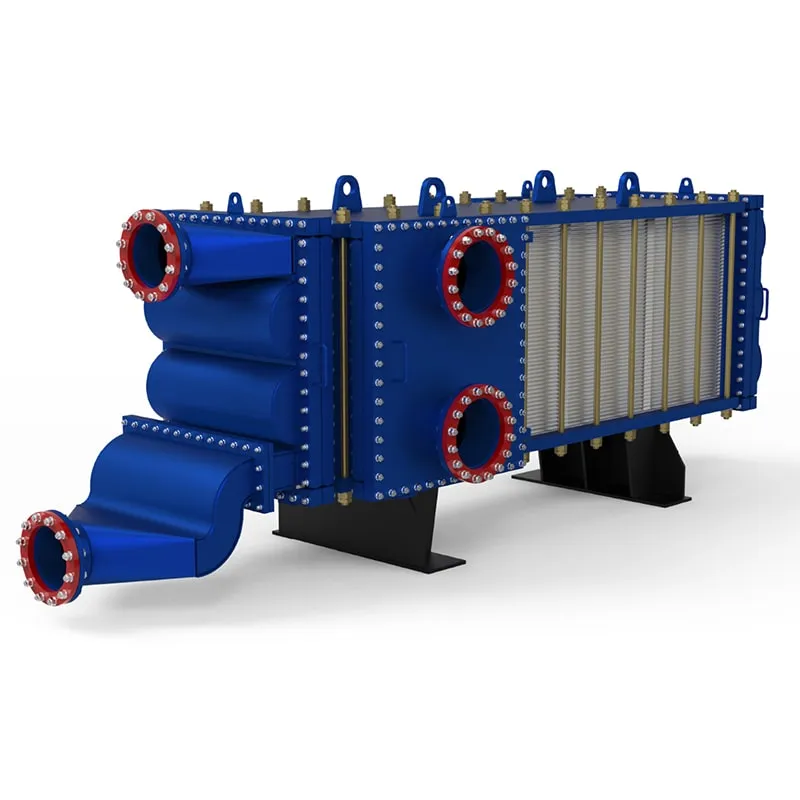
- Remote gas gathering stations: Units that experience frequent start-stop cycles benefit from gasketed plate heat exchangers, which are easy to clean and maintain. SHPHE offers a full line of gasketed plate heat exchangers compatible with standard glycol service.
- High-fouling glycol streams: When glycol degradation or solid carryover is a concern, wide gap welded plate heat exchangers prevent clogging and reduce downtime. Explore the wide gap welded plate heat exchanger for such applications.
Why Choose SHPHE for Your TEG Glycol Heat Exchanger?
SHPHE is a Shanghai-based plate heat exchanger manufacturer with over 18 years of experience in the industry. Founded in 2005, the company exports to more than 20 countries and holds ISO9001 and ASME U certifications. Our product portfolio includes HT-Bloc welded plate heat exchangers, TP welded plate heat exchangers, wide gap welded plate heat exchangers, gasketed plate heat exchangers, printed circuit heat exchangers (PCHE), plate air preheaters, and pillow plates. For TEG glycol heat exchanger applications, we provide free thermal design and selection services to ensure optimal performance for your specific flow rate, temperature, pressure, and media conditions. Our engineers work closely with clients to recommend the most cost-effective solution, whether it is a direct replacement for an existing unit or a custom-engineered design.
We understand that every gas dehydration plant has unique requirements. That is why we offer units compatible with major brands such as Alfa Laval, Compabloc, and GEA, ensuring seamless integration into your existing system. Our team can also provide alternative designs that improve upon original equipment specifications, often at a lower total cost of ownership.
Frequently Asked Questions About TEG Glycol Heat Exchangers
Q1: What is the typical payback period for upgrading to a more efficient TEG glycol heat exchanger?
A: Most operators see a payback period of 12 to 24 months, depending on gas throughput and local fuel costs. The energy savings from reduced reboiler duty often offset the initial investment quickly.
Q2: Can a TEG glycol heat exchanger be retrofitted into an existing dehydration skid?
A: Yes, most welded plate and gasketed plate designs can be retrofitted with minimal piping modifications. SHPHE provides dimensional drawings and nozzle orientations to match your existing layout.
Q3: What materials are best for TEG glycol service at high temperatures?
A: Stainless steel 316L is the most common choice for plate heat exchangers in TEG service. For higher corrosion resistance or when glycol degradation products are present, duplex stainless steel (e.g., S31803) is recommended.
Q4: How often should a TEG glycol heat exchanger be cleaned?
A: Cleaning frequency depends on glycol quality and operating conditions. Typically, an annual inspection and cleaning are sufficient. If fouling is observed earlier, consider installing a wide gap design or increasing filtration upstream.
Q5: What is the difference between a gasketed and a welded plate heat exchanger for TEG service?
A: Gasketed units are easier to disassemble for cleaning and offer lower initial cost, but they have temperature and pressure limits (typically up to 350°F and 300 psi). Welded plate units handle higher temperatures and pressures and eliminate gasket leakage risks, making them preferred for continuous high-temperature glycol service.
Q6: Can SHPHE provide a heat exchanger that is a direct replacement for an Alfa Laval or Compabloc unit?
A: Yes, SHPHE offers drop-in replacements compatible with most major brands. Our team will match the nozzle sizes, bolt patterns, and performance specifications to ensure a seamless swap without re-piping.
Request a Quote for Your TEG Glycol Heat Exchanger
To receive a tailored thermal design and quotation for your TEG glycol heat exchanger, please provide the following details: flow rate (GPM or m³/h) for both rich and lean glycol streams, inlet and outlet temperatures, operating pressure, and media composition (including any known contaminants). Our engineering team will review your requirements and recommend the most suitable plate heat exchanger configuration. Contact SHPHE today to optimize your gas dehydration performance with a reliable, energy-efficient TEG glycol heat exchanger solution.

 English EN





User Comments
Service Experience Sharing from Real Customers
Marcus
Maintenance SupervisorWe swapped out an old shell-and-tube unit for this teg glycol exchanger in our dehydration skid. The pressure drop is noticeably lower, and the temperature approach is tighter than I expected. No leaks after three months of continuous run—definitely a solid upgrade for our gas plant.
Priya
Process EngineerSpec'd this for a small pilot biorefinery where we needed precise glycol heating for a solvent recovery loop. The compact frame fit our limited floor space perfectly. Only hiccup was the gasket material—had to swap to a higher temp-rated one for our peak loads, but the core design is sound.
Elena
Facility ManagerBeen running this unit for about eight months now in our district heating system. It handles the glycol/water mix beautifully—no fouling, and the cleanout ports actually make sense for a quick flush. My techs love the easy access. Would buy again.
Dmitri
Field Service TechnicianInstalled three of these at a chemical plant last year. Performance is fine when they're clean, but we had two units clog within six months because the glycol had particulates. The exchanger itself isn't bad, but it's picky about filtration—make sure your upstream strainers are good.