
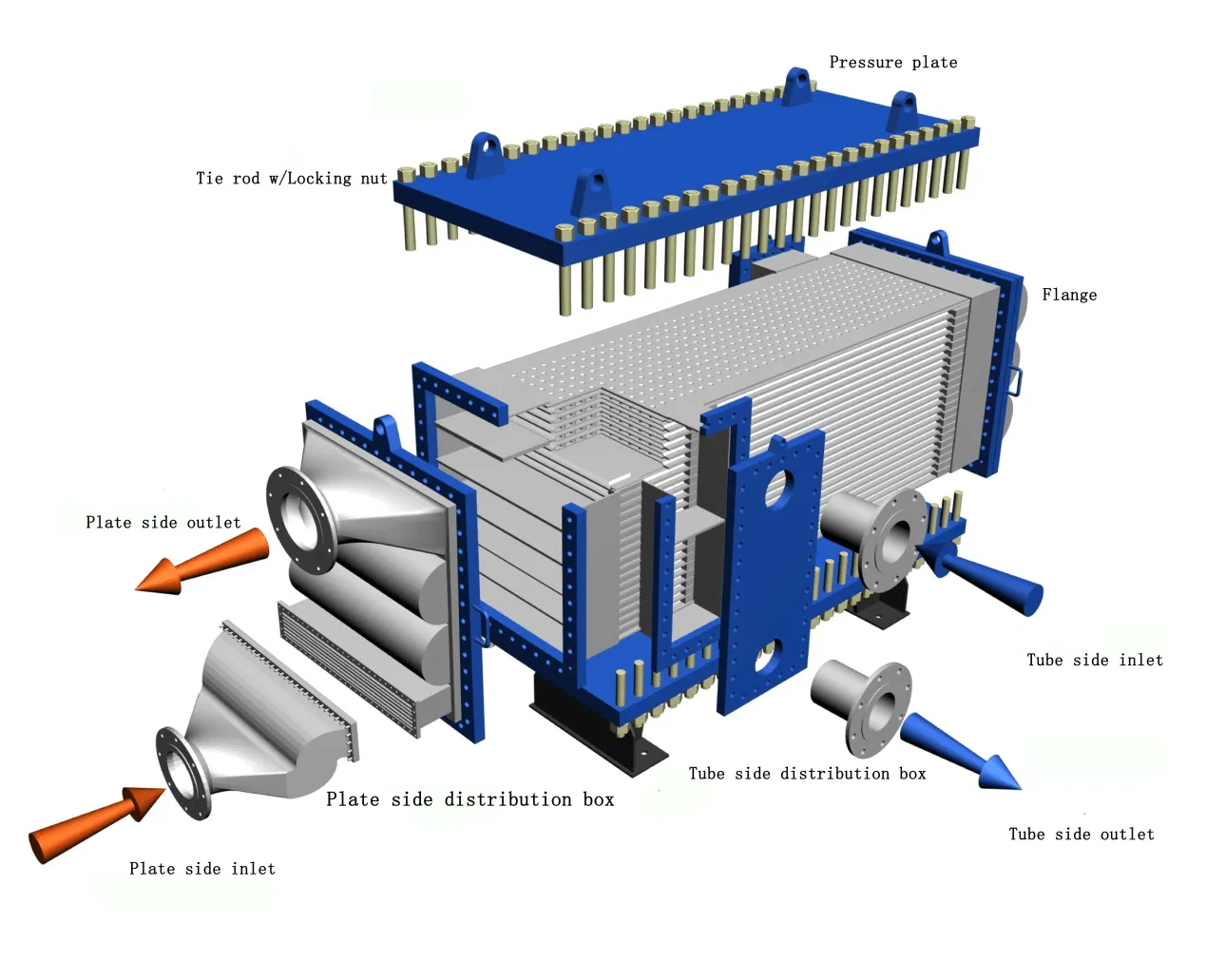
A Wide Gap Plate Heat Exchanger is a specialized device that transfers heat between fluids, utilizing robust welded plates with wide channels. This design allows for obstruction-free flow, making it ideal for handling thick slurries, coarse fibers, and viscous materials. Industries rely on these exchangers for efficiency and reliability. The table below shows common applications:
Industry | Description |
|---|---|
Sugar Processing | Efficient processing of sugar products |
Pulp and Paper | Reliable heat transfer for paper production |
Wastewater Treatment | Effective treatment of challenging wastewater streams |
Bioenergy Plants | Optimized energy recovery |
Food Processing | Handling thick substances and promoting hygiene |
Chemical Industry | Managing viscous materials and minimizing clogging |
Wide gap welded plate heat exchangers handle thick, fibrous, and viscous fluids effectively, making them ideal for industries like wastewater treatment and pulp processing.
The welded design eliminates gaskets, reducing leaks and maintenance needs, which leads to lower operational costs and increased reliability.
Wide channels prevent clogging and fouling, ensuring smooth fluid flow and consistent heat transfer, which enhances overall system efficiency.
These heat exchangers are compact and versatile, fitting into tight spaces and allowing for various installation orientations, which is crucial for crowded industrial settings.
Choosing the right heat exchanger based on fluid characteristics can significantly improve process reliability and lower energy consumption.
A wide gap plate heat exchanger is a type of heat exchanger that uses a series of metal plates to transfer heat between two fluids. The plates in this design have extra-wide channels, which allow thick or chunky fluids to pass through without getting stuck. Each plate is welded together, forming a strong and leak-proof unit. This welded construction helps the device handle high temperatures and pressures. The wide channels, which can range from 8mm to 30mm, make it possible for the heat exchanger to work with fluids that contain fibers, crystals, or other solid particles. The structure is compact, so it fits well in places where space is limited. Many industries choose this design because it is easy to clean and maintain.
Traditional plate heat exchangers use thin plates with narrow gaps. These narrow channels work well for clean, low-viscosity fluids like water or light oils. However, they can clog easily when used with thicker or dirtier fluids. In contrast, a wide gap welded plate heat exchanger is built to handle tough jobs. The welded plates create a solid barrier that prevents leaks, even under harsh conditions. The wide channels allow for the smooth flow of fluids with large particles or high viscosity. This design reduces the risk of blockages and lowers the need for frequent cleaning. Many factories and plants prefer the wide gap plate heat exchanger when they need reliable heat transfer for challenging fluids.
Tip: Choosing the right type of heat exchanger depends on the kind of fluid and the level of cleanliness required in your process.
A wide gap welded plate heat exchanger uses a series of metal plates to transfer heat between fluids. Each plate is welded to the next, forming a strong and leak-proof unit. The wide channels, ranging from 8mm to 30mm, allow fluids with high solids content to flow smoothly. This design supports efficient heat transfer because it prevents blockages and keeps the fluid moving at a steady rate.
The SHPHE Wide Gap Welded Plate Heat Exchanger uses advanced robotic welding and premium materials like stainless steel and duplex stainless steel. These features help the unit withstand high temperatures up to 350°C and pressures up to 35 Bar. The welded construction eliminates the need for gaskets, which can fail under harsh conditions. This makes the heat exchanger reliable and safe for demanding industrial processes.
Wide channels play a key role in maintaining heat transfer efficiency. They allow thick slurries, coarse fibers, and viscous materials to pass without clogging. The unobstructed flow reduces pressure drop and keeps the system stable. This means the heat exchanger can handle high capacity workloads and deliver consistent thermal efficiency.
Note: The wide gap plate heat exchanger is ideal for industries that need to process fluids with fibers, solids, or pulp. It ensures efficient heat transfer even when the fluid is challenging.
The wide channels and welded design work together to prevent clogging and support challenging fluids. The SHPHE Wide Gap Welded Plate Heat Exchanger features fully welded plates and enlarged flow channels. This combination allows fluids with large particles or high viscosity to move freely.
Wide channels minimize clogging and fouling.
Increased spacing between plates reduces pressure drop.
Unobstructed flow supports stable performance and extended maintenance intervals.
The welded architecture ensures a rigid seal and leak-free operation. Robotic welding creates precise joints, making the unit durable and reliable. Premium materials resist corrosion and wear, which is important for maintenance considerations.
The table below shows how the wide gap welded plate heat exchanger handles tough fluids:
Feature | Benefit for Challenging Fluids |
|---|---|
Enlarged flow channels | Allows fibers, solids, and viscous materials to flow |
Fully welded plates | Prevents leaks and supports high temperature/pressure |
Wide spacing between plates | Reduces clogging and fouling |
Robust materials | Withstands harsh chemicals and abrasive particles |
Minimal clogging | Extends maintenance intervals and ensures reliability |
This design supports efficient heat transfer and high capacity operations. It also reduces downtime and maintenance needs, making it a smart choice for industries with demanding fluid handling requirements.
A wide gap welded plate heat exchanger stands out because of its unique structure and smart engineering. The SHPHE model uses a fully welded plate system with wide channels. This design allows fluids with fibers, solids, or high viscosity to move through without clogging. The channels can be set up as wide/wide or wide/narrow, which helps control the flow and supports different process needs.
The table below highlights important design elements:
Design Element | Description |
|---|---|
Channel Configurations | Wide/wide or wide/narrow gaps improve flow for tough fluids |
Gasket Design | Special gaskets boost safety and efficiency |
Thermal Performance | High thermal efficiency with low pressure drop |
The compact design of the SHPHE wide gap plate heat exchanger means it fits easily into tight spaces. It can be installed vertically or horizontally, giving flexibility for different plant layouts. The unit also offers various nozzle locations for easy piping connections. Cleaning is simple, with straight-through access for water jets, Clean-in-Place (CIP), or ultrasonic methods.
The wide gap welded plate heat exchanger brings many advantages to industrial users. Obstruction-free flow means less downtime and fewer maintenance considerations. The compact design reduces the space needed for installation, which is important in crowded facilities. The table below shows how these features help:
Feature | Description |
|---|---|
Compact volume and footprint | Saves valuable floor space |
Installation orientation | Vertical or horizontal options |
Easy cleanability | Supports CIP, water jets, and ultrasonic cleaning |
Fluid handling capabilities | Works with viscous, fibrous, or solid-rich fluids |
Industries see up to 30% lower maintenance costs when using fully welded plate heat exchangers compared to other types. High thermal efficiency and strong construction lead to reliable, long-term performance. SHPHE units also meet strict certifications, including ISO9001, ISO14001, OHSAS18001, and ASME U, which ensures safety and quality.
Tip: Choosing a wide gap welded plate heat exchanger can improve process reliability and lower operating costs, especially for challenging fluids.
The SHPHE wide gap welded plate heat exchanger uses stainless steel and duplex stainless steel for its plates. These materials resist corrosion and withstand harsh chemicals. The welded construction forms a permanent seal, which eliminates the need for gaskets. This design prevents leaks and reduces the risk of gasket failure. It also lowers the chance of fouling because there are no grooves for deposits to collect. The absence of gaskets improves long-term reliability and extends maintenance intervals. Welded plate heat exchangers perform well in environments with high temperatures and corrosive fluids.
Wide gap welded plate heat exchangers offer high thermal efficiency. The wide channels allow thick fluids and solids to flow easily, which keeps the heat transfer rate steady. The design increases turbulence and wall shear stress, raising the heat transfer coefficient. However, this also leads to higher pressure drop compared to shell and tube heat exchangers. Operators may need stronger pumps to maintain flow. The compact structure saves space and supports high throughput. These features make the unit suitable for energy-intensive industries and processes with challenging fluids.
Note: Efficient heat transfer and stable operation help reduce downtime and improve process reliability.
Maintenance considerations are important for industrial equipment. The welded design means fewer leaks and less frequent repairs. The absence of gaskets extends maintenance intervals and lowers the risk of fouling. Cleaning methods for wide gap welded plate heat exchangers include:
Mechanical cleaning with brushes or high-pressure water jets.
Chemical cleaning using agents to dissolve deposits.
Online cleaning, which allows cleaning during operation and reduces downtime.
The table below shows typical maintenance intervals for plate heat exchangers:
Equipment Type | Maintenance Interval |
|---|---|
Plate Heat Exchanger | Every 6-12 months |
Blade-Type Exchanger | Every 18-24 months |
Operators can choose cleaning methods based on the type of fouling and process needs. These options help manage maintenance considerations and keep the system running efficiently.
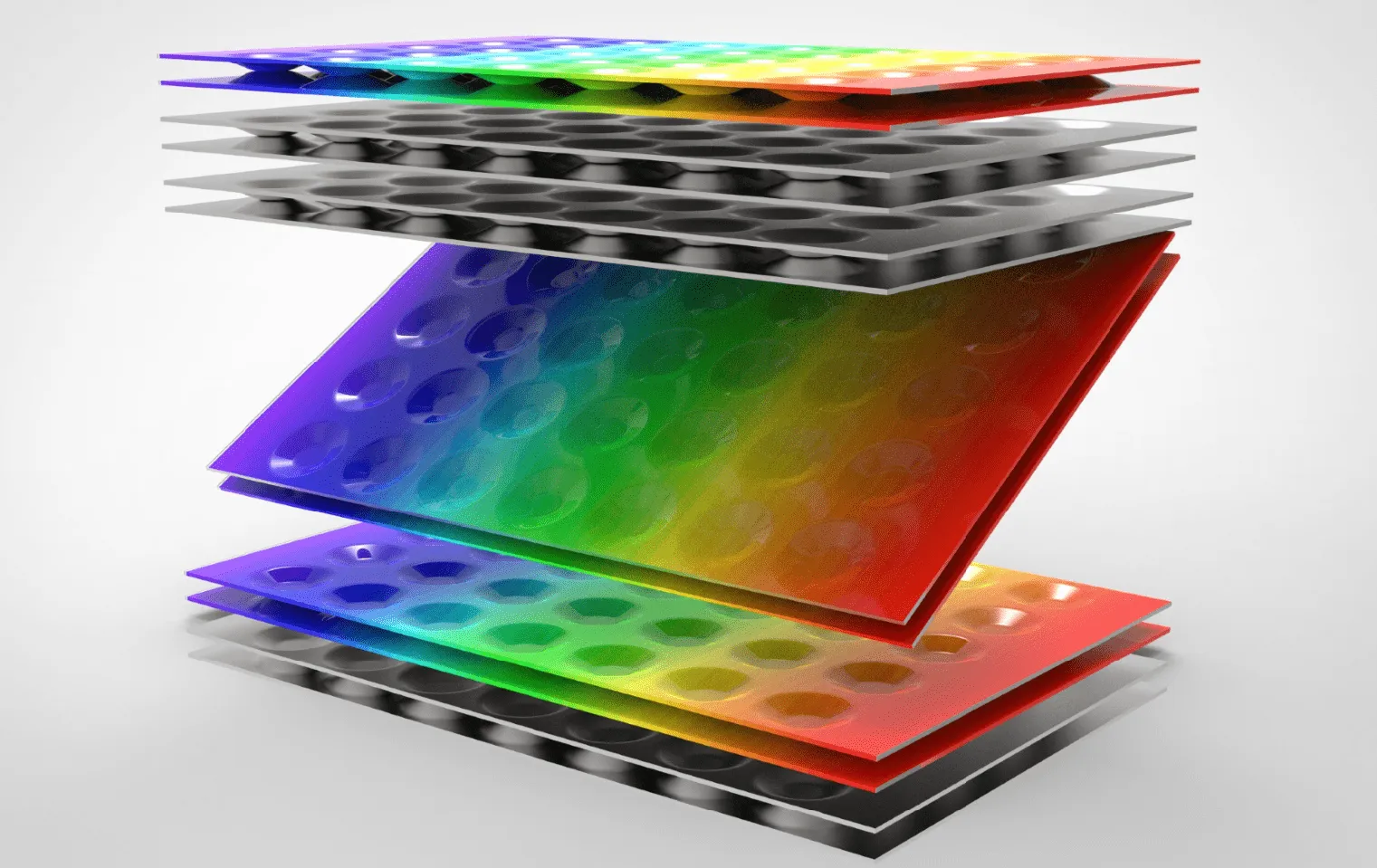
Wide gap welded plate heat exchangers serve many industries that handle tough fluids. These devices are common in wastewater treatment, pulp processing, sugar refining, and energy-intensive manufacturing. The design allows for reliable heat transfer even when fluids contain fibers, solids, or high viscosity.
Pulp stock heating
Black liquor cooling
White water and process water heat recovery
Condensate cooling and recovery
Bleaching process heat exchange
Effluent and wastewater cooling
Utility-side thermal recovery
Waste heat recovery
In wastewater treatment, plate heat exchangers help recover heat from treated or raw wastewater. This process reduces the need for outside energy and keeps temperatures stable. Stable temperatures prevent problems like unwanted bacterial growth. In pulp processing, these exchangers manage heat for pulp stock, black liquor, and process water. They also support bleaching and cooling steps, which are important for product quality and energy savings.
Note: Wide gap welded plate heat exchangers are ideal for industries that need to process fluids with fibers, solids, or pulp. They ensure efficient heat transfer even when the fluid is challenging.
Choosing the right heat exchanger depends on the characteristics of the process fluid and the demands of the application. The table below shows key criteria for selecting wide gap welded plate heat exchangers:
Criteria | Description |
|---|---|
Suitability for fibrous fluids | Designed to handle fibrous fluids effectively, reducing the risk of clogging. |
Handling coarse particles | The wide gaps allow for the passage of coarse particles, minimizing blockages. |
Other important factors include:
Viscosity affects flow and heat transfer efficiency.
Density influences the design configurations needed for optimal performance.
Thermal conductivity determines the effectiveness of heat transfer.
High-viscosity fluids may complicate heat transfer due to their flow characteristics.
Low-viscosity fluids can enhance performance by flowing freely.
Wide gap welded plate heat exchangers are the best choice when fluids contain fibers, solids, or have high viscosity. They also work well in processes where clogging is a concern and where easy cleaning is important. These features make them valuable for many industrial applications.
Wide gap welded plate heat exchangers deliver strong performance in tough industrial settings. Their design handles abrasive and fibrous fluids with ease, supporting consistent heat transfer and reducing energy use by up to 30%. These units offer higher thermal efficiency and a compact footprint compared to traditional models. SHPHE solutions help industries meet sustainability goals and lower water usage. For tailored support, companies like Alfa Laval and Kelvion provide technical help and training. Consider SHPHE for reliable, efficient, and future-ready heat exchange technology.
Wide gap welded plate heat exchangers use wider channels and welded plates. This design allows thick, solid-rich fluids to pass through easily. Traditional models use narrow gaps and gaskets, which can clog with fibers or solids.
Yes. The SHPHE unit operates at temperatures up to 350°C and pressures up to 35 Bar. The welded stainless steel construction ensures safe and reliable performance in demanding environments.
Operators can use Clean-in-Place (CIP), high-pressure water jets, or ultrasonic cleaning. The wide channels allow for easy cleaning and reduce downtime. This design supports both manual and automated cleaning methods.
Industries such as wastewater treatment, pulp and paper, sugar refining, and bioenergy plants benefit most. These sectors often process fluids with fibers, solids, or high viscosity.



 English EN