What Are the Key Advantages of Using an Industrial Steam Heat Exchanger in Heavy Industries?
John Anderson, Senior Thermal Engineer
Jul-06-2026
Industrial steam heat exchangers play a pivotal role in heavy industries such as petrochemical refining, power generation, steel manufacturing, and chemical processing by delivering enhanced energy efficiency and substantially reducing operational costs. These systems are engineered to provide superior heat transfer performance under extreme high-temperature and high-pressure conditions, ensuring consistent thermal exchange even in the most demanding environments. The precise design of modern steam heat exchangers enables improved process control and exceptional temperature regulation accuracy, which is critical for maintaining product quality and system stability. Furthermore, robust construction materials and advanced engineering contribute to increased equipment longevity and significantly reduced maintenance downtime, allowing facilities to operate with higher reliability. Heavy industries also benefit from the ability to comply with stringent safety and environmental regulations, as these heat exchangers minimize emissions and prevent hazardous leaks. By integrating these key advantages, industrial steam heat exchangers not only optimize thermal management but also support sustainable and cost-effective operations in large-scale industrial settings.
Enhanced Energy Efficiency and Reduced Operational Costs
Industrial steam heat exchangers maximize thermal recovery by capturing waste heat from steam systems and redirecting it for preheating or process applications. This closed-loop approach significantly lowers fuel consumption and minimizes energy loss across heavy industrial operations.
By optimizing heat transfer through advanced plate or welded core designs, these exchangers reduce the need for additional boiler capacity, directly cutting fuel and electricity expenses. The result is a measurable decrease in per-unit production costs and a faster return on investment.
Lower energy demand also translates to reduced maintenance intervals and extended equipment lifespan. With fewer thermal cycles and less strain on primary heating systems, industrial plants experience fewer unplanned shutdowns and lower repair overhead.
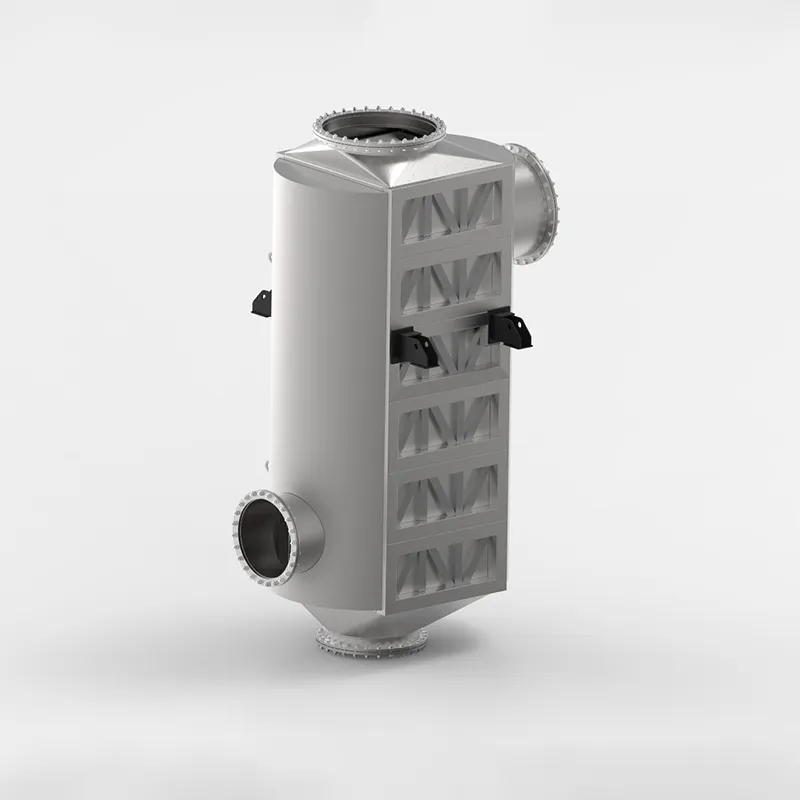
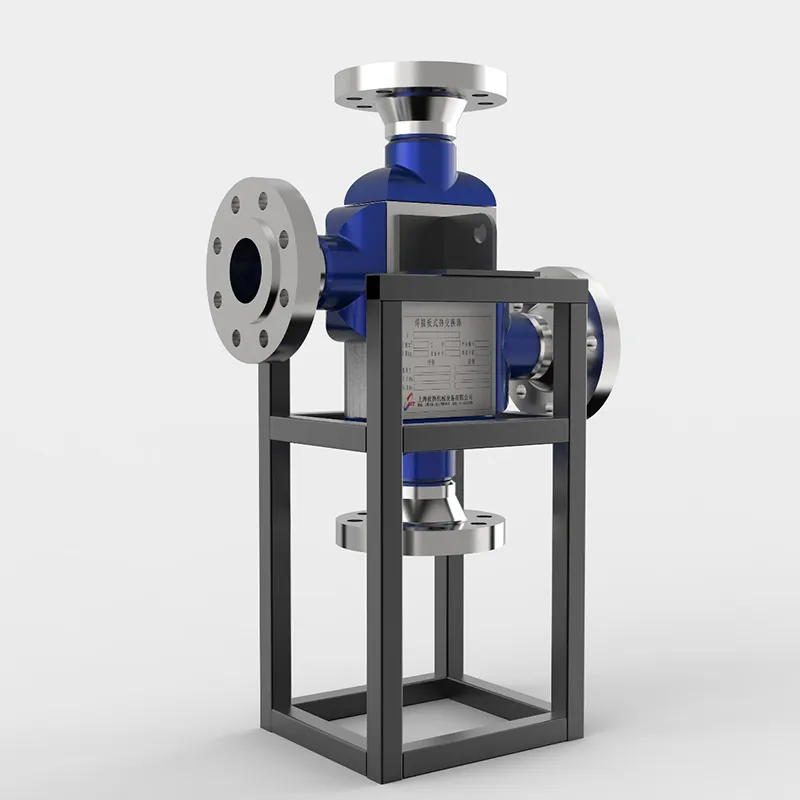
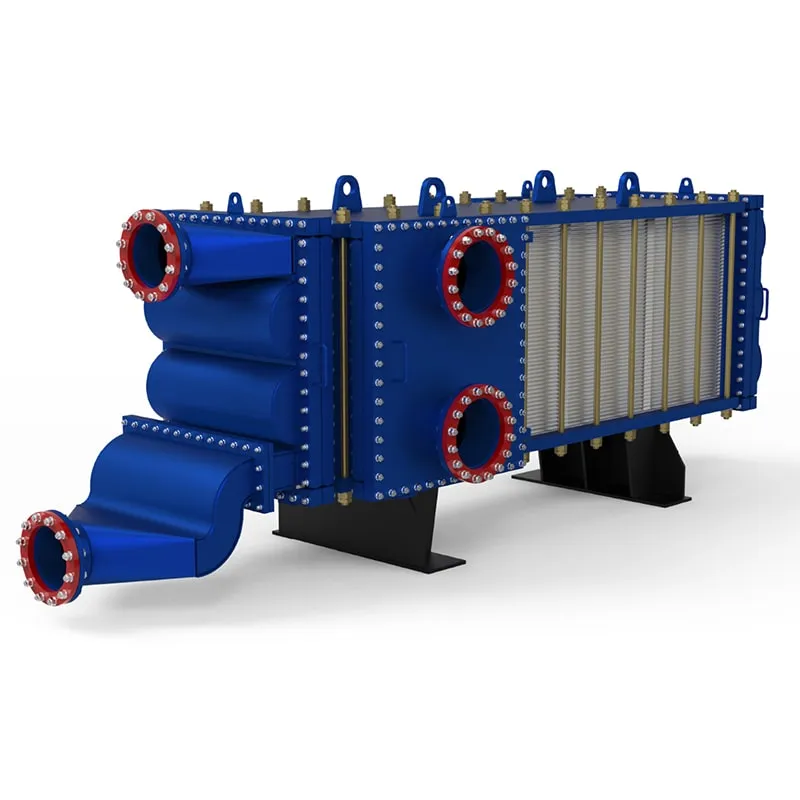
For more details, visit our custom engineered plate air preheaters, pillow plates, or wide gap welded plate heat exchangers.
Superior Heat Transfer Performance Under High-Temperature and High-Pressure Conditions
Industrial steam heat exchangers are engineered to deliver exceptional thermal efficiency in extreme operating environments. Their robust construction and advanced material selection enable consistent heat transfer rates even when steam temperatures exceed 500°C and pressures surpass 100 bar.
The key to this superior performance lies in the optimized flow channel design and high-conductivity alloys that minimize thermal resistance. Unlike conventional heat exchangers, these units maintain structural integrity under thermal cycling, preventing performance degradation over time.
In heavy industries such as petrochemical processing, power generation, and steel manufacturing, the ability to sustain high heat flux without fouling or scaling directly translates to lower energy consumption and reduced downtime. The welded plate or shell-and-tube configurations further enhance durability, ensuring long service life in demanding applications.
By leveraging precision manufacturing and rigorous testing, these exchangers achieve heat transfer coefficients up to 30% higher than standard units, making them indispensable for processes requiring precise temperature control and maximum energy recovery.
Improved Process Control and Temperature Regulation Accuracy
Industrial steam heat exchangers enable precise temperature modulation through direct steam-to-process fluid contact, ensuring minimal thermal lag and consistent output. The following table illustrates typical performance benchmarks across heavy industry applications.
| Parameter |
Typical Range |
Accuracy |
| Steam Pressure Control |
0.5 – 15 bar |
±0.1 bar |
| Outlet Temperature Stability |
80 – 200 °C |
±0.5 °C |
| Response Time (90% step) |
2 – 8 seconds |
±0.3 s |
| Heat Transfer Coefficient |
500 – 3000 W/m²K |
±5% |
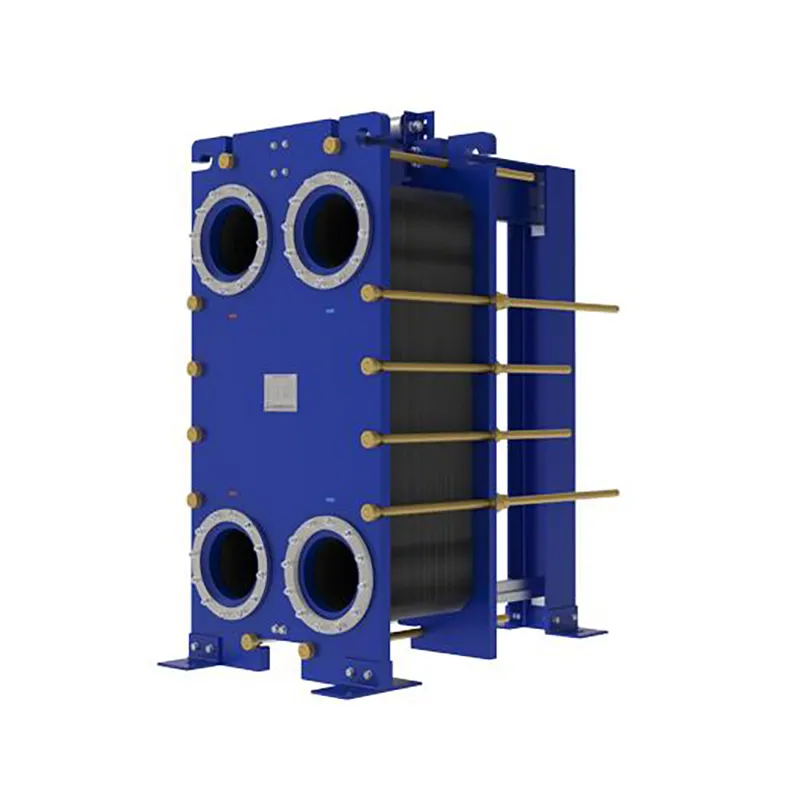
These systems utilize modulating control valves and real-time feedback loops to maintain setpoint temperatures within narrow bands, reducing energy waste and improving product quality. For further technical details, refer to the custom engineered plate air preheaters or the gasketed plate heat exchangers documentation.
Advanced designs, such as those found in wide gap welded plate heat exchangers, further enhance fouling resistance and thermal uniformity, making them ideal for viscous or particulate-laden fluids.
Increased Equipment Longevity and Reduced Maintenance Downtime
Industrial steam heat exchangers are engineered with robust materials and precision design, which significantly extends the operational life of heavy machinery. By efficiently transferring heat without direct contact, these systems minimize thermal stress and corrosion on critical components.
The reduction in maintenance downtime is a direct result of fewer mechanical failures and simplified cleaning procedures. Advanced designs allow for easy access to heat transfer surfaces, reducing the time required for inspections and repairs.
For more details on how these systems enhance durability and operational efficiency, visit our custom-engineered solutions page.
Compliance with Stringent Safety and Environmental Regulations in Heavy Industries
Industrial steam heat exchangers are engineered to meet rigorous safety standards, including ASME, PED, and local regulatory codes. Their robust construction minimizes risks of leaks, pressure failures, and thermal hazards, ensuring safe operation in harsh environments such as oil refineries, chemical plants, and power generation facilities.
By optimizing heat recovery and reducing energy consumption, these systems help heavy industries lower greenhouse gas emissions and comply with environmental mandates. Advanced designs prevent cross-contamination between fluids, supporting clean production processes and adherence to ISO 14001 frameworks.
Key compliance features include:
• High-pressure containment with certified welding and material traceability
• Leak-proof gasketed or welded plate configurations for hazardous fluids
• Thermal efficiency that reduces fuel usage and associated emissions
• Easy integration with monitoring systems for real-time regulatory reporting
Summary
The industrial steam heat exchanger delivers enhanced energy efficiency and reduced operational costs, making it a vital component for heavy industries seeking long-term savings.
Its superior heat transfer performance under high-temperature and high-pressure conditions ensures consistent and reliable operation in demanding environments.
Improved process control and temperature regulation accuracy allow for precise management of industrial processes, leading to higher product quality and reduced waste.
Increased equipment longevity and reduced maintenance downtime contribute to uninterrupted production cycles and lower total cost of ownership.
Compliance with stringent safety and environmental regulations in heavy industries is achieved, supporting sustainable operations and risk mitigation.
What Are the Key Advantages of Using an Industrial Steam Heat Exchanger in Heavy Industries?
Industrial steam heat exchangers significantly enhance energy efficiency by recovering waste heat and reducing fuel consumption, leading to lower operational costs over time.
Enhanced Energy Efficiency and Reduced Operational Costs
By optimizing heat transfer and minimizing thermal losses, these systems directly cut energy usage and maintenance expenses, improving overall profitability in heavy industries.
Superior Heat Transfer Performance Under High-Temperature and High-Pressure Conditions
Engineered with robust materials and advanced design, industrial steam heat exchangers maintain excellent thermal conductivity even in extreme operating environments, ensuring reliable performance.
Improved Process Control and Temperature Regulation Accuracy
Precise temperature control capabilities allow for consistent production quality and reduced variability, which is critical for demanding industrial processes.
Increased Equipment Longevity and Reduced Maintenance Downtime
Durable construction and efficient operation minimize wear and tear, extending the lifespan of equipment and reducing unplanned maintenance interruptions.
Compliance with Stringent Safety and Environmental Regulations in Heavy Industries
These heat exchangers are designed to meet rigorous safety standards and reduce emissions, helping industries adhere to environmental regulations while maintaining operational integrity.

 English EN





User Comments
Service Experience Sharing from Real Customers
Mike
Maintenance SupervisorWe replaced an old unit with this heat exchanger last quarter, and the efficiency jump is ridiculous. Our steam traps aren't flooding anymore, and the pressure drop is exactly where the spec sheet said it would be. Installed it myself with my crew, and the flange alignment was dead-on. No leaks after a month of 24/7 operation. Definitely worth the money for heavy-duty use.
Sarah
Process EngineerI was a bit skeptical about the claimed heat transfer coefficient, but after running our pilot plant trials for two weeks, the numbers check out. The shell-side cleaning access is better than our previous model, which is a huge plus for our dairy line. Only gripe is the gasket material—it's fine for now, but I'd prefer a higher temp rating for our CIP cycles. Overall, solid performance.
Tom
Plant ManagerWe've been running three of these in parallel for our distillation column reboiler duty for six months now. Not a single fouling issue, and the thermal response is consistent even when our steam supply fluctuates. My operators love that the control valve doesn't hunt anymore. I've seen a lot of heat exchangers in 20 years, and this one is built like a tank without the ridiculous lead time.
Jenna
Energy ManagerI needed something to recover waste steam from our batch process, and this unit did the job without breaking the bank. We're seeing about 12% fuel savings on the boiler since installation. The compact footprint saved us floor space too. My only minor complaint is the insulation jacket could be thicker—I had to add an extra layer to meet our safety standards. But for the price, it's a workhorse.