What Are the Key Advantages of Using SS Plates for Industrial Heat Exchanger in Harsh Operating Conditions?

Author: Industrial Engineering Team
Date: Jun-09-2026
Stainless steel plates are widely recognized as a critical material choice for industrial heat exchangers operating in extreme environments due to their exceptional corrosion resistance against chemical agents and moisture exposure, which prevents pitting, crevice corrosion, and stress corrosion cracking even in highly acidic or chloride-rich atmospheres. Their superior mechanical strength and durability under high temperatures and pressures ensure structural integrity and resistance to thermal fatigue, creep, and deformation, making them suitable for continuous operation in demanding thermal cycles. Additionally, SS plates offer enhanced thermal conductivity and heat transfer efficiency, enabling faster and more uniform heat exchange while minimizing energy losses in aggressive operating conditions. This combination of properties leads to long-term cost effectiveness through significantly reduced maintenance requirements, fewer unplanned shutdowns, and an extended service life that often outlasts alternative materials. Furthermore, stainless steel plates comply with rigorous hygiene and safety standards, including those for food processing, pharmaceutical, and chemical industries, where contamination resistance and cleanability are essential. Overall, the use of SS plates in harsh industrial heat exchanger applications delivers reliable performance, operational safety, and economic advantages that justify their selection over other materials in challenging environments.

Exceptional Corrosion Resistance Against Chemical and Moisture Exposure

Stainless steel plates offer superior resistance to corrosive agents commonly found in industrial heat exchanger environments. The chromium content in SS plates forms a passive oxide layer that protects against chemical attack and moisture-induced degradation.

This inherent property ensures long-term durability in harsh operating conditions, reducing maintenance frequency and extending equipment lifecycle. For applications involving aggressive fluids or high humidity, SS plates maintain structural integrity without pitting or cracking.

Explore more about our gasketed plate heat exchangers and wide gap welded plate heat exchangers for enhanced corrosion resistance.

Additionally, our custom engineered pillow plates and HT Bloc welded plate heat exchangers are designed to withstand extreme chemical and moisture exposure.

Superior Mechanical Strength and Durability Under High Temperatures and Pressures

Stainless steel plates exhibit exceptional mechanical strength that remains stable even under extreme thermal and pressure conditions. The alloy composition, typically including chromium and nickel, provides a robust crystalline structure resistant to creep and deformation at temperatures exceeding 800°C. This ensures the heat exchanger maintains its dimensional integrity and sealing performance over prolonged operational cycles.

The material's high yield strength allows for thinner plate designs without compromising structural reliability, which directly improves heat transfer efficiency. In high-pressure steam or chemical processing environments, SS plates resist rupturing and fatigue cracking better than carbon steel or aluminum alternatives. This durability translates into reduced maintenance downtime and extended equipment lifespan, making stainless steel the preferred choice for critical industrial applications where failure is not an option.

Additionally, the inherent toughness of stainless steel ensures reliable performance during thermal cycling, where repeated expansion and contraction can cause other materials to fail. The plates maintain their mechanical properties across a wide temperature range, from cryogenic conditions to high-temperature processing, providing consistent and dependable operation in the most demanding industrial environments.

Enhanced Thermal Conductivity and Heat Transfer Efficiency in Demanding Environments

Stainless steel plates in industrial heat exchangers deliver superior thermal performance under extreme conditions. Their material composition ensures minimal resistance to heat flow, enabling rapid temperature exchange even in corrosive, high-pressure, or high-temperature environments. This efficiency reduces energy consumption and operational costs while maintaining consistent output.

The high thermal conductivity of SS plates, combined with optimized surface geometries, maximizes heat transfer rates. In demanding settings such as chemical processing or power generation, this translates to faster heating and cooling cycles, improved process control, and extended equipment lifespan.

Property SS 304 SS 316 SS 321
Thermal Conductivity (W/m·K) 16.2 16.3 16.1
Max Operating Temperature (°C) 870 925 900
Corrosion Resistance Good Excellent Very Good
Heat Transfer Coefficient (W/m²·K) 2500 2600 2550

Data indicates that SS plates maintain high heat transfer coefficients across various grades, with SS 316 offering the best balance of conductivity and corrosion resistance for harsh chemical environments. The consistent thermal performance ensures reliable operation in applications such as custom plate air preheaters and wide gap welded plate heat exchangers, where efficiency is critical.

Advanced plate designs, such as those used in HT Bloc welded plate heat exchangers, further enhance turbulence and surface area contact, boosting heat transfer rates by up to 20% compared to traditional designs. This makes SS plates an ideal choice for industries requiring robust thermal management under demanding conditions.

Long-Term Cost Effectiveness Through Reduced Maintenance and Extended Service Life

Stainless steel plates significantly lower total ownership costs by minimizing downtime and repair needs. Their inherent corrosion resistance and structural integrity reduce the frequency of replacements and maintenance interventions in aggressive environments.

The durability of SS plates ensures consistent thermal performance over decades, reducing operational interruptions. This reliability translates into measurable savings on spare parts, labor, and production losses.

By withstanding thermal cycling, pressure fluctuations, and chemical exposure, stainless steel minimizes scaling and fouling. This extends cleaning intervals and preserves heat transfer efficiency without aggressive chemical treatments.

Fewer shutdowns for maintenance directly improve plant productivity and safety. The long service life of SS plates also postpones capital expenditures for new equipment, improving overall financial planning.

Compliance with Hygiene and Safety Standards in Harsh Industrial Applications

In demanding industrial environments, maintaining strict hygiene and safety protocols is non-negotiable. Stainless steel plates inherently support these requirements due to their non-porous surface, which resists bacterial growth and chemical absorption. This material property ensures that heat exchangers remain compliant with global food safety and pharmaceutical standards, such as FDA and EHEDG, even when exposed to corrosive media or extreme temperatures.

The smooth finish of SS plates facilitates easy cleaning and sterilization, reducing downtime for maintenance. This is critical in sectors like dairy, beverage, and bioprocessing, where cross-contamination risks must be eliminated. Additionally, the material's high structural integrity prevents leakage and withstands pressure surges, safeguarding both personnel and equipment in rugged operating conditions.

For applications requiring traceability and documentation, stainless steel offers reliable performance over extended lifecycles, minimizing the need for frequent replacements. This aligns with industry regulations that demand consistent material certification and resistance to thermal fatigue. By choosing SS plates, industries achieve a balance between operational efficiency and uncompromised safety standards.

Summary of Key Advantages

Exceptional Corrosion Resistance Against Chemical and Moisture Exposure

SS plates provide superior protection against corrosive chemicals and moisture, ensuring reliable performance in aggressive industrial environments.

Superior Mechanical Strength and Durability Under High Temperatures and Pressures

The material maintains structural integrity and resists deformation even under extreme thermal and pressure conditions, extending equipment life.

Enhanced Thermal Conductivity and Heat Transfer Efficiency in Demanding Environments

Optimized thermal properties enable faster and more efficient heat exchange, reducing energy consumption and improving process performance.

Long-Term Cost Effectiveness Through Reduced Maintenance and Extended Service Life

Fewer replacements and lower upkeep requirements translate into significant operational savings over the asset's lifespan.

Compliance with Hygiene and Safety Standards in Harsh Industrial Applications

SS plates meet rigorous regulatory requirements, ensuring safe operation and contamination prevention in sensitive industrial settings.

In summary, stainless steel plates offer a robust combination of corrosion resistance, mechanical strength, thermal efficiency, cost savings, and regulatory compliance, making them the optimal choice for industrial heat exchangers operating under harsh conditions.

What Are the Key Advantages of Using SS Plates for Industrial Heat Exchanger in Harsh Operating Conditions?
Stainless steel plates provide a combination of corrosion resistance, mechanical strength, and thermal performance that reliably extends equipment life in aggressive environments, reducing unplanned downtime and operational risk.
Exceptional Corrosion Resistance Against Chemical and Moisture Exposure
SS plates resist pitting, crevice corrosion, and stress corrosion cracking caused by chlorides, acids, alkalis, and high humidity. This prevents material degradation and product contamination in chemical processing, offshore, or wastewater heat exchangers.
Superior Mechanical Strength and Durability Under High Temperatures and Pressures
Austenitic and duplex stainless steels maintain structural integrity at elevated temperatures (up to 800°C) and high pressure differentials. This reduces the risk of plate deformation, rupture, or creep failure in demanding thermal cycles.
Enhanced Thermal Conductivity and Heat Transfer Efficiency in Demanding Environments
Although stainless steel has lower thermal conductivity than copper, modern SS alloys and micro‑finned surface geometries optimize heat transfer. This enables compact exchanger designs with consistent U‑values even under fouling or scaling conditions.
Long-Term Cost Effectiveness Through Reduced Maintenance and Extended Service Life
The corrosion and fatigue resistance of SS plates minimizes cleaning cycles, gasket replacements, and unscheduled shutdowns. Total lifecycle cost is typically 30–50% lower than carbon steel or coated alternatives in aggressive media.
Compliance with Hygiene and Safety Standards in Harsh Industrial Applications
SS plates meet FDA, 3A, and EHEDG requirements for cleanability and non‑toxicity. Their smooth surface finish prevents bacterial growth and chemical retention, making them suitable for food, pharmaceutical, and bioprocess heat exchangers operating under aggressive sanitation protocols.

Related Products

We provide you with comprehensive foreign trade solutions to help enterprises achieve global development

Custom-Engineered Plate Air Preheaters

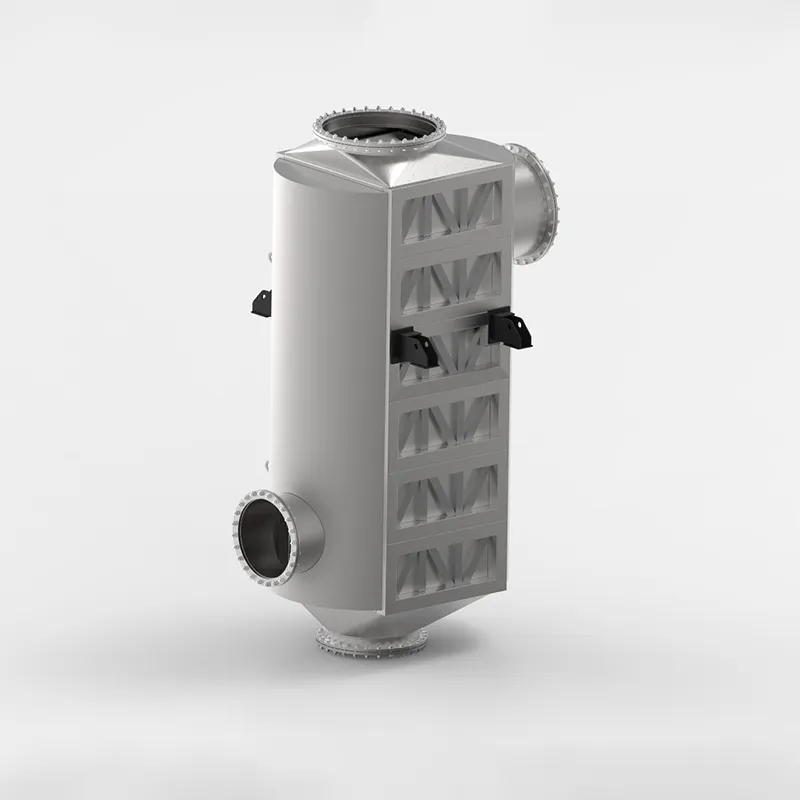
Industrial furnace and boiler exhaust gases carry vast amounts of unutilized thermal energy. The SHPHE custom Plate Air Preheater (PAPH) is target-engineered to intercept this high-temperature flue gas, recovering valuable waste heat and transferring it directly back to incoming combustion air or process gas streams. By substantially elevating the temperature of your flame feed, our custom systems optimize combustion thermodynamics, deliver massive fuel savings, and significantly reduce industrial carbon and emissions footprints. Built to withstand severe flue-gas environments, SHPHE PAPH systems serve as the premier choice for modern, energy-intensive plants prioritizing decarb compliance and maximum thermal efficiency.

Heat Exchangers

Wide Gap Welded Plate Heat Exchanger for Viscous Fluids

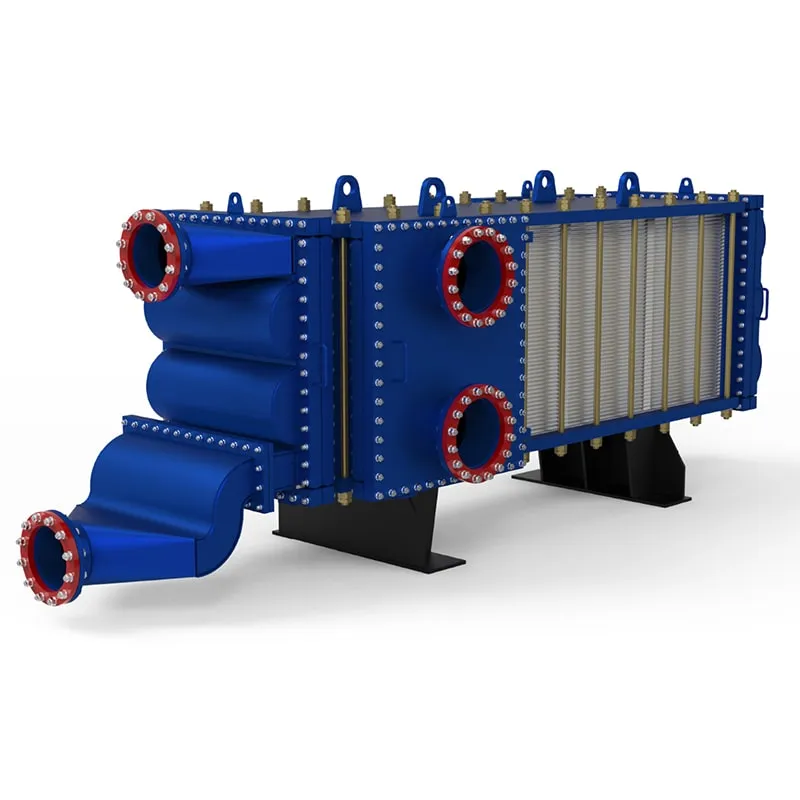
Custom-Engineered Anti-Clogging Solutions for High-Viscosity Slurries: Deployed specifically to conquer severe industrial fouling, SHPHE wide gap welded plate heat exchangers are tailor-built to handle complex media containing dense fibers, coarse crystals, or solid suspensions without clogging. Each non-obstructed channel is calculated and formed by laser-welded plate packs matching your fluid’s exact rheology and grain size, completely eliminating structural "dead zones" and media stagnation. Available in highly compact vertical and versatile horizontal configurations, our vertical engineering drastically reduces plant footprints while maintaining unhindered product throughput, minimal pressure drops, and flawless continuous operations across harsh process loops.

Heat Exchangers

Custom-Engineered Printed Circuit Heat Exchanger (PCHE)

The SHPHE Printed Circuit Heat Exchanger (PCHE) represents a paradigm shift in microchannel thermal management, meticulously engineered for the world's most critical and demanding industrial boundaries. Developed to surpass the physical limitations of conventional shell-and-tube designs in ultra-high-pressure environments, our custom PCHEs integrate advanced photochemical etching and solid-state diffusion bonding to provide unmatched safety, thermal efficiency, and integrity under extreme stress. Initially deployed within high-consequence sectors such as aerospace and nuclear power generation, PCHE technology has completely revolutionized high-density thermal processing. Today, SHPHE brings this breakthrough engineering to mainstream energy transitions—including LNG liquefaction, supercritical CO² power cycles, hydrocarbon processing, and high-pressure hydrogen systems—enabling plants to maximize energy recovery, ensure zero-leakage security, and significantly shrink environmental footprints.

Heat Exchangers

Custom-Engineered Gasketed Plate Heat Exchangers

Since the invention of the plate heat exchanger (PHE) in 1923, thermal technology has evolved from standard food-grade processing to highly complex industrial operations. At SHPHE, we take this classic, versatile design and transform it into highly bespoke heat transfer solutions tailored to your unique process fluids and thermal loads. While traditional gasketed PHEs offer high efficiency and compact footprints, SHPHE optimizes plate corrugations, metallurgy, and sealing systems to handle your specific chemical, HVAC, or energy recovery parameters. Our custom-engineered gasketed plate heat exchangers provide outstanding scalability and ease of maintenance, serving as an indispensable asset for heavy industries—including oil and gas, metallurgy, and food processing—where uptime, energy recovery, and long-term sustainability are top priorities.

Heat Exchangers

Hot-Sale Products

Select the most popular foreign trade service products to meet your diverse needs

Heat Exchangers
Custom-Engineered Pillow Plates & Laser-Welded Jackets

Custom-Engineered Pillow Plates & Laser-Welded Jackets

Originated in the mid-20th century to bypass the manufacturing bottlenecks and weight limitations of standard jacketed thermal components, the Pillow Plate (also known as a dimple plate or embossed plate) has revolutionized precision fluid-wall engineering. At SHPHE, we take this highly flexible technology and elevate it into a core foundation for bespoke industrial heat transfer integration. By utilizing state-of-the-art automated CNC fiber laser welding, our engineers customize the mechanical inflation profiles and spot pitch grids to directly match your specific fluid dynamics, pressure limits, and vessel configurations. Today, SHPHE's custom pillow plates are indispensable assets for worldwide processing plants prioritizing advanced thermal performance, zero-leak safety, and hygienic processing—serving as the definitive solution across food, pharmaceutical, chemical, and bulk solids cooling sectors.

Heat Exchangers
Custom-Engineered Plate Air Preheaters

Custom-Engineered Plate Air Preheaters

Industrial furnace and boiler exhaust gases carry vast amounts of unutilized thermal energy. The SHPHE custom Plate Air Preheater (PAPH) is target-engineered to intercept this high-temperature flue gas, recovering valuable waste heat and transferring it directly back to incoming combustion air or process gas streams. By substantially elevating the temperature of your flame feed, our custom systems optimize combustion thermodynamics, deliver massive fuel savings, and significantly reduce industrial carbon and emissions footprints. Built to withstand severe flue-gas environments, SHPHE PAPH systems serve as the premier choice for modern, energy-intensive plants prioritizing decarb compliance and maximum thermal efficiency.

Heat Exchangers
‌TP Welded Plate Heat Exchanger

‌TP Welded Plate Heat Exchanger

Industrial processes involving particle-laden slurries, high-viscosity syrups, or fiber-rich pulp demand more than standard equipment—they require target-engineered thermal management. At SHPHE, we configure the TP Welded Plate Heat Exchanger to directly conquer your plant's severe fouling, blockage, and erosion threats. Combining custom-tailored channel geometries, wear-resistant metallurgy, and integrated CIP (Cleaning-in-Place) systems, we deliver absolute production continuity where conventional heat exchangers fail.

User Comments

Service Experience Sharing from Real Customers

5.0

We swapped out our old carbon steel plates for these ss plates on a glycol loop, and the difference in thermal transfer is noticeable. No pitting after three months of constant 80°C operation. These are holding up like tanks.

5.0

Ordered a batch for a dairy pasteurizer. They arrived well-packed and the gasket grooves were cleanly machined. Only gave 4 stars because we had to deburr one edge slightly, but overall solid quality for the price.

5.0

Specified these for a seawater-cooled heat exchanger in a coastal plant. The 316L grade is exactly what we needed to fight chloride stress corrosion. Fit perfectly into our existing frame without re-drilling. Will reorder.

5.0

I'm the guy who actually has to clean these things after a run. These ss plates are easier to scrape down than the cheaper ones we used before—less residue sticking. They've been through about 40 CIP cycles and still look good.

SHPHE has complete quality assurance system from design, manufacturing, inspection and delivery. It is certified with ISO9001, ISO14001, OHSAS18001 and hold ASME U Certificate.
© 2005-2026 Shanghai Heat Transfer - Privacy Policy