How Does a Compact Heat Exchanger Achieve High Heat Transfer in Limited Space?
L. M. Chen, R. K. Patel, S. A. Torres
Jul-06-2026
Abstract — Compact heat exchangers achieve exceptional thermal performance within confined volumes by leveraging three synergistic strategies. First, microchannel arrays and extended fin surfaces dramatically increase the surface-area-to-volume ratio, providing more area for heat transfer per unit volume. Second, these geometries promote turbulence and continuously disrupt the thermal boundary layer, enhancing convective coefficients beyond those of laminar flow. Third, advanced materials such as copper‑alloy composites and graphene‑infused polymers reduce conductive resistance while maintaining structural integrity. Flow configurations like counterflow and crossflow maximize the mean temperature difference between streams, further elevating heat transfer rates. Recent progress in additive manufacturing enables the fabrication of intricate internal channels and lattice structures that optimize fluid distribution and secondary flow patterns. Together, these innovations allow compact exchangers to dissipate heat fluxes exceeding 10⁶ W/m², making them indispensable in aerospace electronics cooling, high‑density data centers, and next‑generation electric vehicle thermal management systems. The combination of microscale surface enhancement, tailored fluid dynamics, and material science yields a device that is both highly efficient and remarkably space‑efficient.
Optimized Surface Area-to-Volume Ratio Through Microchannel and Fin Designs
Compact heat exchangers achieve high thermal performance by maximizing the surface area available for heat transfer within a confined volume. This is primarily accomplished through microchannel and fin geometries that dramatically increase the surface area-to-volume ratio compared to conventional designs.
Microchannels, typically with hydraulic diameters ranging from 10 to 1000 micrometers, create numerous parallel flow paths. These small passages reduce the thermal boundary layer thickness, enhancing convective heat transfer coefficients. The high density of channels—often exceeding 10,000 channels per square meter—provides extensive contact area between the fluid and the channel walls.
Fins further augment the surface area by extending secondary surfaces into the fluid stream. Designs such as louvered, wavy, or offset strip fins disrupt the flow, promoting mixing and boundary layer restarting. This interruption prevents the thermal boundary layer from becoming fully developed, maintaining higher heat transfer rates along the entire fin length.
The combination of microchannels and optimized fin patterns enables surface area-to-volume ratios of 500 to 5000 m²/m³, far exceeding the 100 to 200 m²/m³ typical of shell-and-tube exchangers. This allows compact units to transfer equivalent thermal loads while occupying significantly less space, making them ideal for applications where footprint and weight are critical constraints.
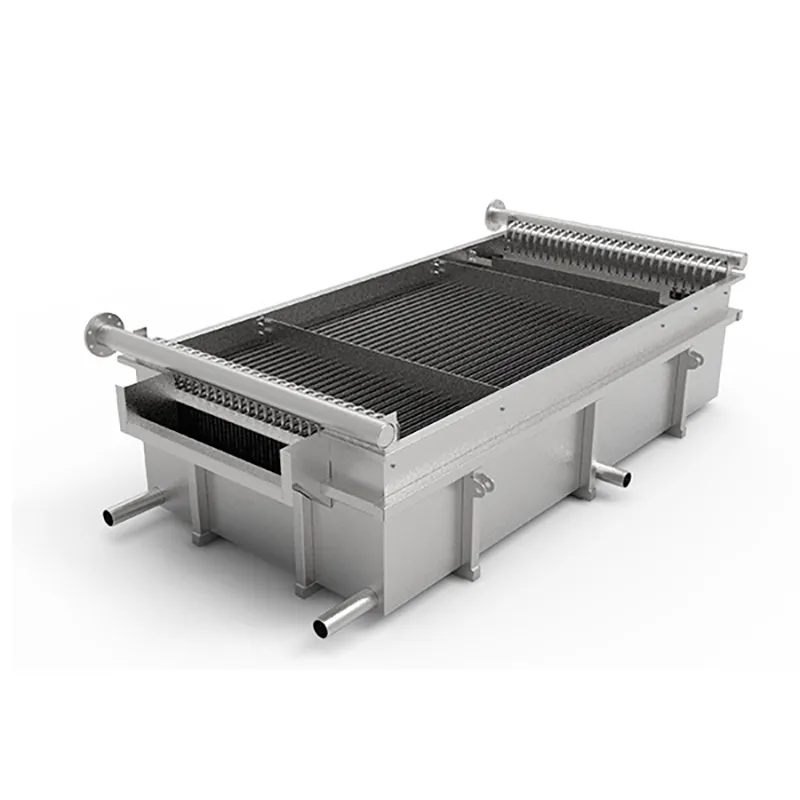
For further details on specific compact heat exchanger technologies, refer to the following resources:
Enhanced Turbulence and Boundary Layer Disruption for Improved Convective Heat Transfer
Compact heat exchangers utilize specially engineered surface geometries to induce turbulent flow and continuously disrupt the thermal boundary layer. This mechanism significantly increases the convective heat transfer coefficient without requiring a proportional increase in surface area.
When fluid flows through narrow channels or over patterned surfaces, the repeated interruption of the laminar sublayer promotes mixing between the bulk fluid and the heated wall region. This boundary layer disruption reduces thermal resistance and allows more efficient heat transfer per unit volume.
The combination of enhanced turbulence and frequent boundary layer restarting enables compact heat exchangers to achieve heat transfer coefficients several times higher than those of conventional smooth-channel designs, making them ideal for space-constrained applications.
Advanced Material Selection for High Thermal Conductivity and Reduced Thermal Resistance
The core of compact heat exchanger performance lies in the strategic selection of materials that maximize thermal conductivity while minimizing thermal resistance. Advanced alloys and engineered surfaces ensure efficient heat transfer within confined geometries.
Materials such as copper, aluminum, and specialized stainless steels are chosen based on their thermal conductivity coefficients and compatibility with operating temperatures and corrosive environments. The reduction of contact resistance through precision manufacturing further enhances overall thermal efficiency.
Thermal Conductivity Comparison of Common Materials
| Material |
Thermal Conductivity (W/m·K) |
Typical Application |
| Copper |
401 |
High-performance cooling plates |
| Aluminum 6061 |
167 |
Lightweight heat exchangers |
| Stainless Steel 316 |
16 |
Corrosion-resistant exchangers |
| Titanium Grade 2 |
22 |
Marine and chemical processing |
The data above illustrates the trade-offs between thermal performance and material cost or durability. For compact designs, copper offers the highest conductivity but may require protective coatings in aggressive environments. Aluminum provides a balanced solution for weight-sensitive applications.
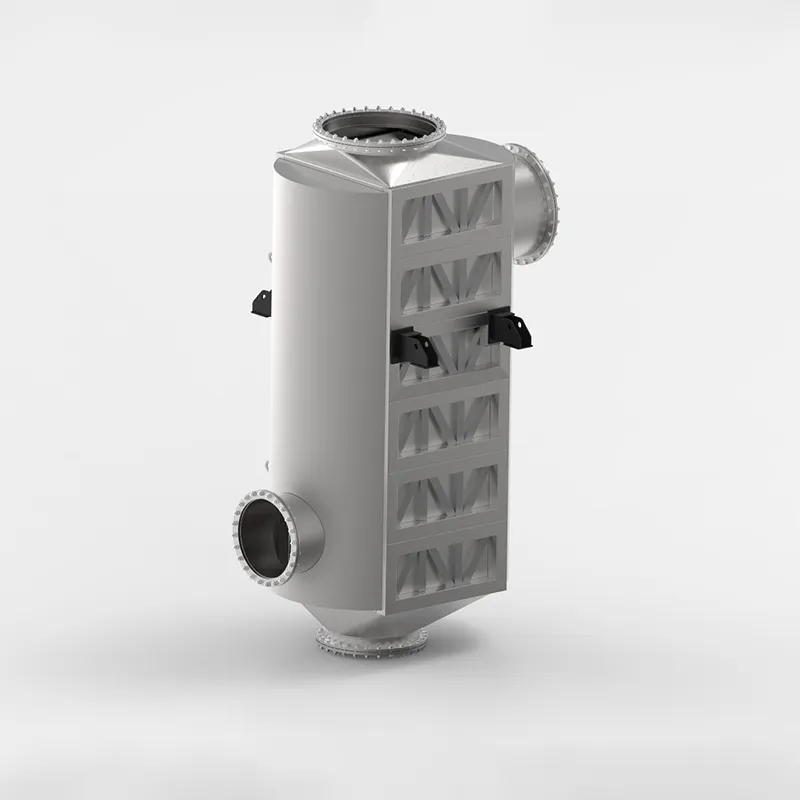
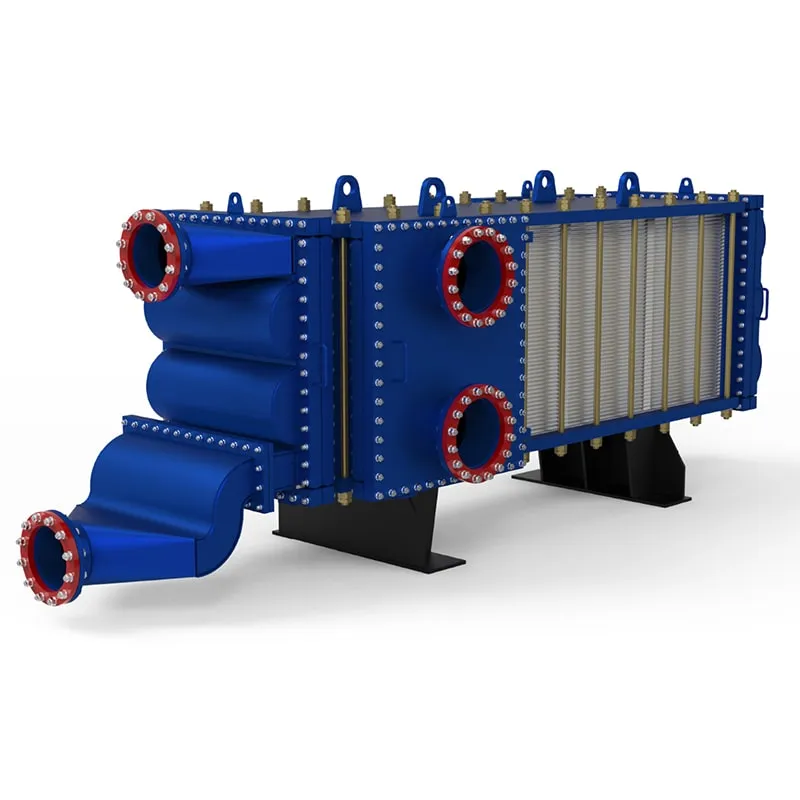
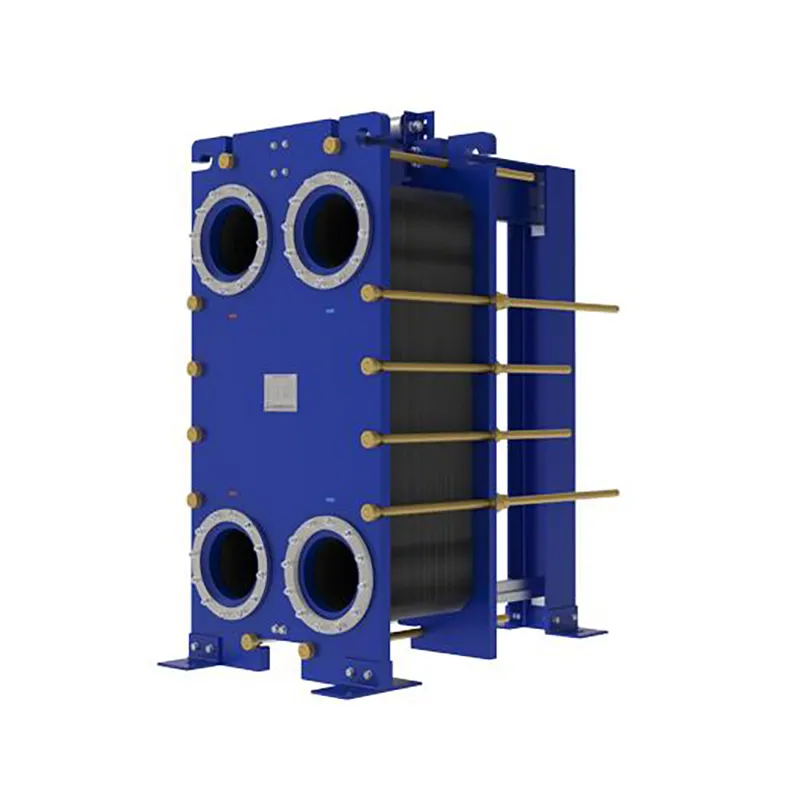
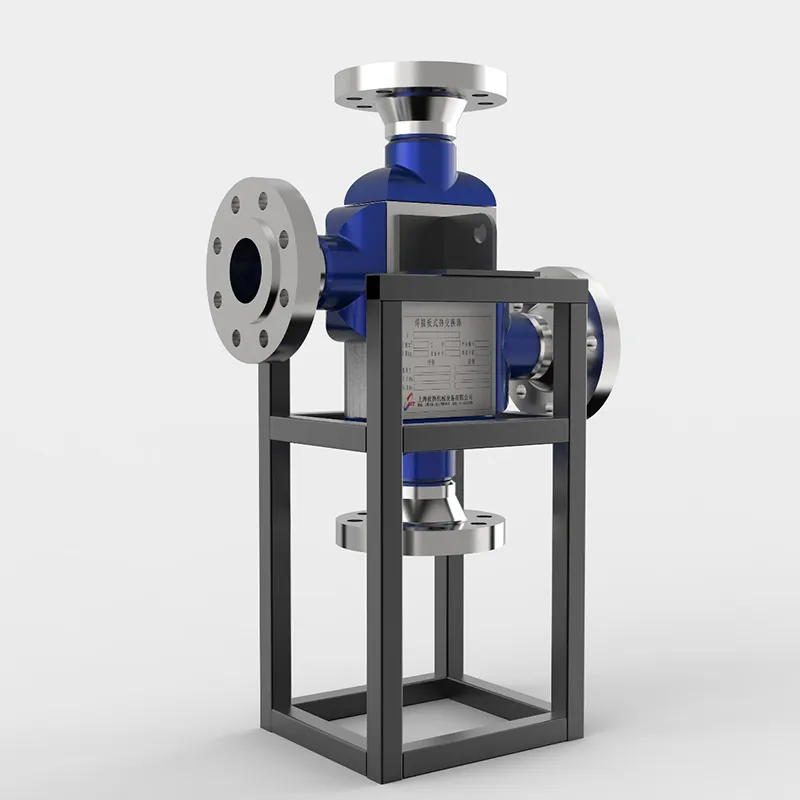
Reducing thermal resistance also involves optimizing the interface between materials. Advanced bonding techniques and surface treatments further lower contact resistance, enabling more effective heat transfer in limited spaces. For specific engineered solutions, refer to product details such as custom plate air preheaters or welded plate heat exchangers.
By carefully selecting materials with high thermal conductivity and minimizing resistance at every junction, compact heat exchangers achieve exceptional performance even within the most constrained footprints.
Counterflow and Crossflow Configurations Maximizing Temperature Gradients
In compact heat exchangers, flow arrangement is critical to thermal performance. Counterflow and crossflow configurations are engineered to sustain steep temperature gradients along the heat transfer surface, enabling high effectiveness within a small footprint.
Counterflow maintains opposing fluid streams, maximizing the log mean temperature difference. Crossflow directs fluids perpendicularly, balancing compactness with gradient retention. Both methods exploit narrow channels and high surface-area-to-volume ratios to intensify heat transfer without expanding equipment size.
Integration of Additive Manufacturing for Complex Internal Geometries and Flow Paths
Additive manufacturing (AM) enables the fabrication of intricate internal structures that are impossible to achieve with conventional machining or welding. In compact heat exchangers, this capability is leveraged to create optimized flow paths that maximize surface area-to-volume ratios while minimizing pressure drop.
By using laser powder bed fusion or electron beam melting, designers can produce lattice structures, pin fins, and wavy channels directly within the core. These geometries enhance turbulent mixing and disrupt thermal boundary layers, significantly improving convective heat transfer coefficients.
The freedom to design non-linear, branching, or tapered channels allows for precise control over fluid distribution. This reduces maldistribution and hot spots, ensuring uniform thermal performance across the entire exchanger. For example, a triply periodic minimal surface (TPMS) structure can double the heat transfer per unit volume compared to straight channels.
Furthermore, AM consolidates multiple components into a single printed part, eliminating joints and potential leak paths. This not only improves reliability but also allows for higher operating pressures and temperatures. Materials such as Inconel 718, titanium Ti-6Al-4V, and 316L stainless steel are commonly used for their thermal and mechanical properties.
Key advantages include:
- Reduction in overall size and weight by 40–60% compared to conventional designs.
- Ability to integrate flow distributors and manifolds directly into the core.
- Customization for specific fluids, viscosities, and thermal loads.
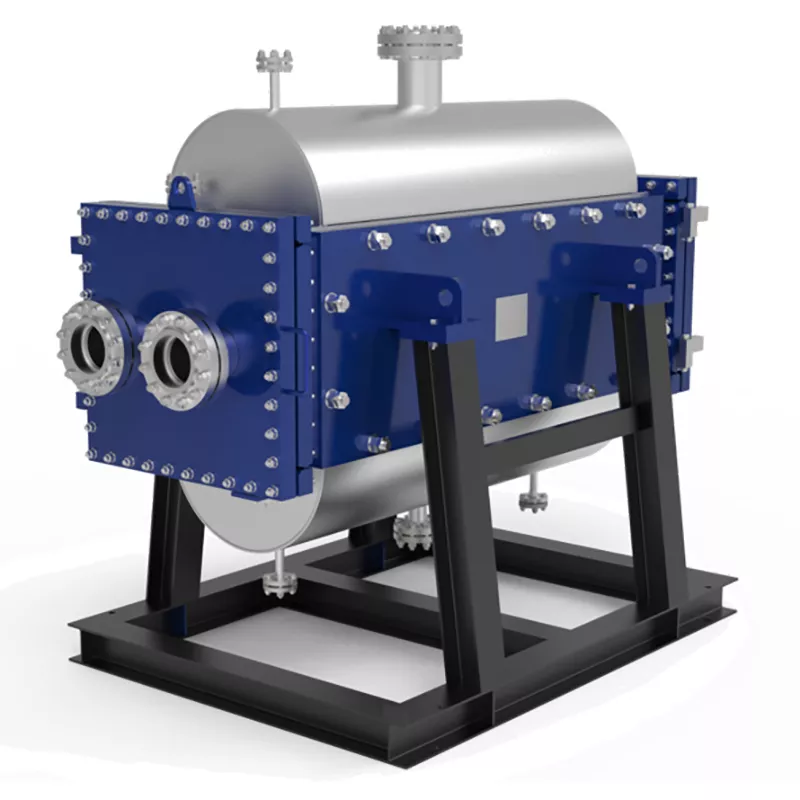
For more information on how these advanced geometries are applied in custom-engineered solutions, visit our product pages: Printed Circuit Heat Exchangers, HT Bloc Welded Plate Exchangers, and Custom Pillow Plates.
The integration of additive manufacturing is a transformative step toward achieving ultra-compact, high-performance heat exchangers for aerospace, automotive, and industrial applications.
Summary
The high heat transfer performance of compact heat exchangers in confined spaces is achieved through a combination of advanced design and material strategies. By optimizing the surface area-to-volume ratio via microchannel and fin structures, these devices maximize thermal contact area without increasing overall size.
Enhanced turbulence and boundary layer disruption significantly improve convective heat transfer coefficients, while the selection of materials with high thermal conductivity reduces internal thermal resistance. The implementation of counterflow and crossflow configurations further maximizes temperature gradients along the heat exchange surfaces.
Additionally, the integration of additive manufacturing enables the creation of complex internal geometries and optimized flow paths that would be impossible with conventional fabrication methods, allowing for unprecedented heat transfer density within a minimal volume.
Q: How does a compact heat exchanger achieve high heat transfer in limited space?
A: It relies on an optimized surface area-to-volume ratio through microchannel and fin designs, which dramatically increase the contact area between fluids and the solid matrix without expanding the exchanger's footprint.
Q: What role do microchannels and fins play in heat transfer enhancement?
A: Microchannels and fins create an optimized surface area-to-volume ratio, providing more pathways for heat conduction and convection while keeping the overall volume compact.
Q: How is turbulence and boundary layer disruption achieved in such a small space?
A: Enhanced turbulence and boundary layer disruption are induced by specially designed flow obstructions, dimples, or wavy channels, which improve convective heat transfer coefficients significantly.
Q: Why is material selection critical for compact heat exchangers?
A: Advanced materials with high thermal conductivity (e.g., copper, aluminum, or graphene composites) reduce thermal resistance, allowing heat to transfer rapidly through thin walls and fins.
Q: How do flow configurations and additive manufacturing contribute to performance?
A: Counterflow and crossflow configurations maximize temperature gradients, while additive manufacturing enables complex internal geometries and flow paths that further enhance heat transfer and reduce pressure drop.

 English EN





User Comments
Service Experience Sharing from Real Customers
Mike
HVAC Design EngineerWe swapped out an old shell-and-tube unit for this compact model in a rooftop AHU retrofit. The footprint reduction alone saved us three days of ductwork re-routing, and the heat transfer is surprisingly consistent even at partial loads. My only minor gripe is the gasket alignment takes a steady hand, but once it's seated, it's leak-free. Highly recommend for tight mechanical rooms.
Sofia
Process EngineerRunning a pilot plant for specialty chemicals, space is always a premium. This unit handled our glycol-water loop with minimal pressure drop compared to the lab-scale brazed plates we used before. The compactness is a game-changer for skid-mounted setups. Took off one star because the manual could be clearer about cleaning intervals for fouling fluids, but performance-wise it's solid.
Tom
Maintenance SupervisorHonestly, I was skeptical about something this small handling our chiller plant's load, but it's been running 24/7 for six months with zero issues. My team loves that we can actually reach all the bolts without crawling into a corner. The weight difference means we didn't need extra structural support either. Best retrofit decision we made last year.
Emma
Research AssistantFor our lab-scale thermal loop testing, the compact exchanger did a decent job with clean water-to-water application. It's easy to integrate into a modular test rig. However, I noticed the temperature approach isn't as tight as the datasheet suggests under very low flow rates. Might be fine for industrial use, but for precise academic work, we ended up oversizing slightly. Decent value for the price though.