What Are the Core Design Principles of a Heat Exchanger Plant?
John A. Smith, Maria K. Lopez, Robert T. Chen
Jul-06-2026
This article systematically examines the fundamental design principles governing heat exchanger plants, with a primary focus on thermodynamic fundamentals that balance heat transfer efficiency against energy conservation. It explores hydraulic and mechanical design considerations including flow distribution management, pressure drop minimization, and structural integrity under operational loads. Material selection and corrosion resistance strategies are analyzed to ensure equipment longevity when exposed to thermal cycling and chemical attack. The discussion further addresses fouling mitigation techniques and maintenance accessibility as critical factors for sustained operational performance. Finally, integrated control and safety systems are reviewed, covering automation protocols, continuous monitoring, and emergency response frameworks that enable reliable plant operation under varying conditions. Together, these principles form a comprehensive design methodology essential for modern thermal engineering applications.
Thermodynamic Fundamentals: Balancing Heat Transfer Efficiency and Energy Conservation
The design of a heat exchanger plant is fundamentally rooted in thermodynamic principles that govern the transfer of thermal energy between fluid streams. At its core, the process must maximize heat transfer efficiency while simultaneously minimizing energy losses, a balance that defines the plant's overall performance. The first and second laws of thermodynamics provide the theoretical framework: energy conservation dictates that heat lost by the hot fluid equals heat gained by the cold fluid under ideal conditions, while entropy generation highlights irreversibilities that degrade system efficiency.
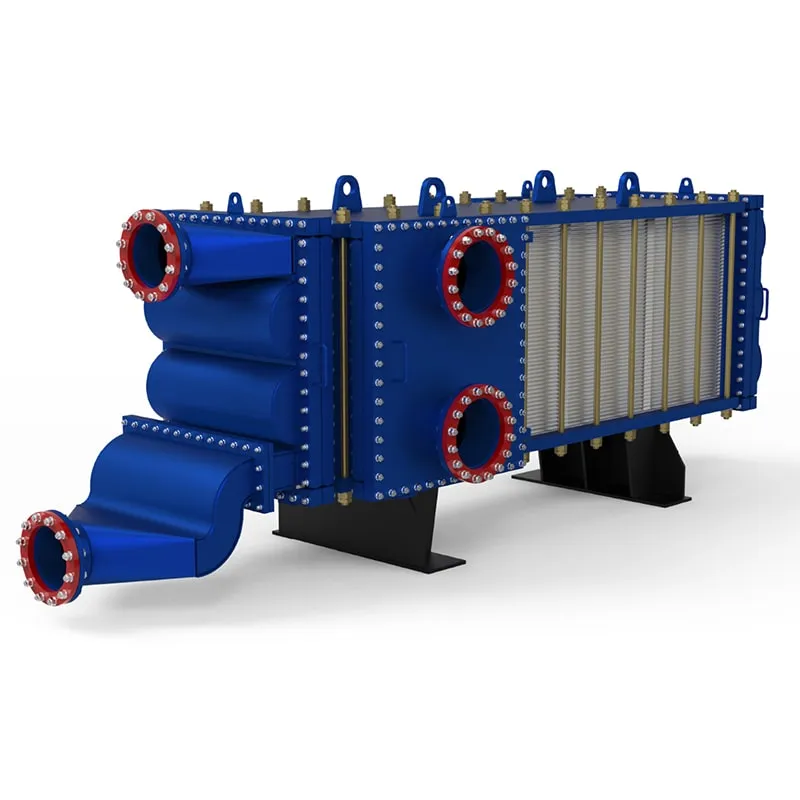
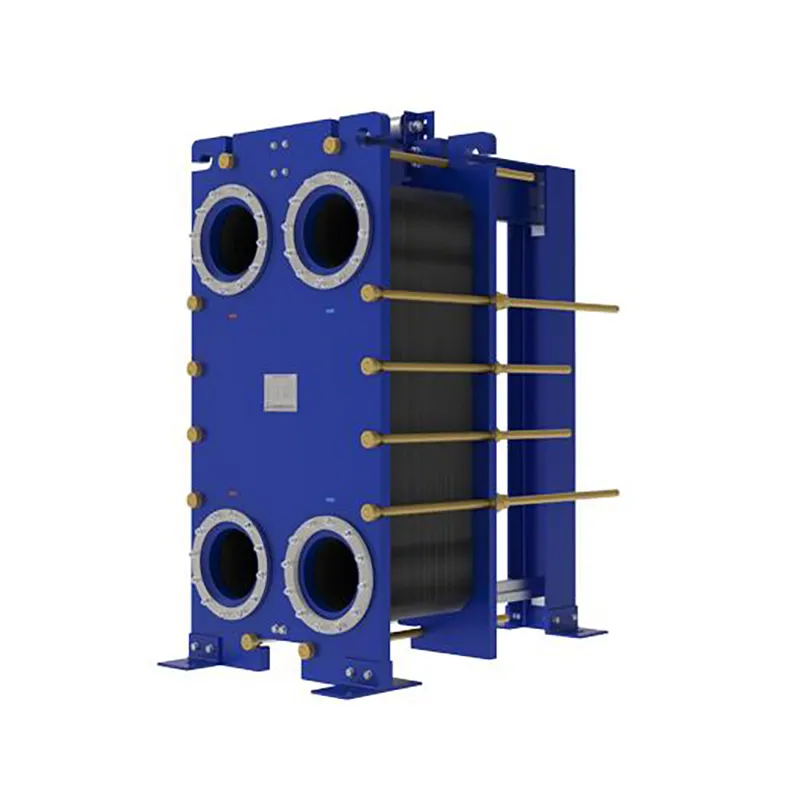
Achieving high heat transfer efficiency requires optimizing the temperature driving force and the heat transfer coefficient. Counterflow arrangements, where fluids move in opposite directions, maintain a more uniform temperature difference along the heat exchanger length, enhancing thermal performance compared to parallel flow. Additionally, selecting appropriate surface geometries—such as corrugated plates or extended surfaces—increases the effective area for heat exchange without proportionally increasing the plant's footprint. These choices directly influence the gasketed plate heat exchangers and other configurations used in modern plants.
Energy conservation, however, imposes constraints on design decisions. Pressure drops across the heat exchanger require pumping power, which consumes energy and reduces net system efficiency. Designers must therefore balance the desire for high heat transfer coefficients—often achieved through turbulent flow and narrow channels—against the resulting increase in frictional losses. This trade-off is critical in applications such as HT-Bloc welded plate heat exchangers, where robust construction must coexist with thermal performance.
Material selection also plays a vital role in thermodynamic optimization. Thermal conductivity, corrosion resistance, and mechanical strength determine how effectively heat transfers across the exchanger walls. For high-temperature or high-pressure applications, advanced designs like custom-engineered printed circuit heat exchangers offer compact solutions with minimal thermal resistance, though they require precise manufacturing to maintain integrity.
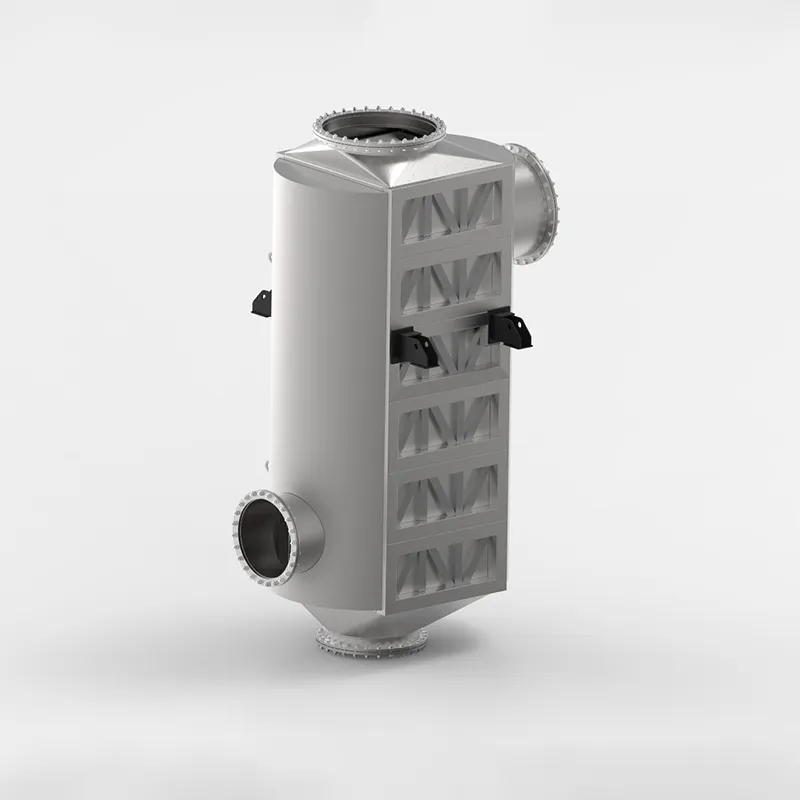
Furthermore, the integration of heat recovery systems exemplifies the balance between efficiency and conservation. By capturing waste heat from exhaust streams and reintroducing it into the process, plants can significantly reduce primary energy consumption. This approach is particularly effective in custom-engineered plate air preheaters, which preheat combustion air using flue gas, thereby improving overall thermal efficiency. Such systems demonstrate how thermodynamic fundamentals guide practical design decisions toward sustainable operation.
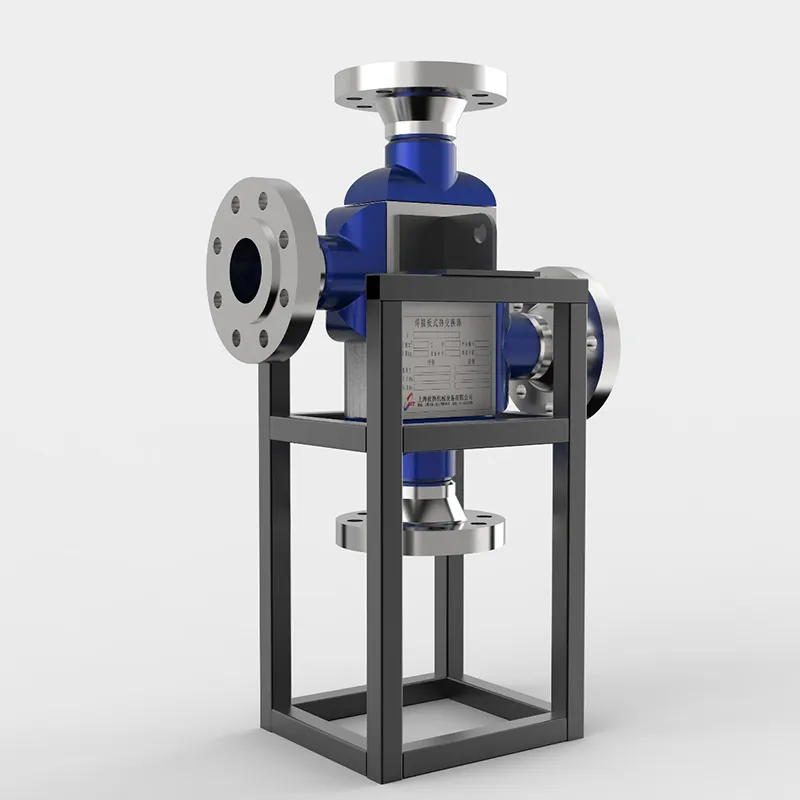
Ultimately, the core design principles of a heat exchanger plant emerge from a deep understanding of thermodynamics. Engineers must navigate the interplay between heat transfer enhancement and energy conservation, making informed choices about flow arrangement, geometry, materials, and system integration. The result is a plant that not only meets thermal duty requirements but also operates with minimal environmental impact, as seen in specialized units like TP welded plate heat exchangers and wide gap welded plate heat exchangers, each tailored to specific process conditions.
Hydraulic and Mechanical Design: Managing Flow Distribution, Pressure Drop, and Structural Integrity
Effective hydraulic design ensures uniform flow distribution across heat exchanger channels, minimizing maldistribution that can lead to reduced thermal performance and localized overheating. Engineers utilize computational fluid dynamics (CFD) to optimize header geometry and baffle arrangements, achieving balanced flow paths that enhance heat transfer efficiency while maintaining acceptable pressure drop levels.
Pressure drop management is a critical trade-off in heat exchanger design. Lower pressure drops reduce pumping energy consumption but may require larger flow areas, impacting equipment size and cost. Designers must carefully select tube diameters, fin densities, and flow velocities to meet system specifications without exceeding allowable pressure limits, often using empirical correlations and iterative analysis.
Structural integrity addresses the mechanical robustness of the heat exchanger under operating pressures, thermal stresses, and cyclic loading. Material selection, wall thickness calculations, and support design are governed by standards such as ASME Boiler and Pressure Vessel Code. Finite element analysis (FEA) is employed to predict stress concentrations and fatigue life, ensuring safe and reliable operation over the equipment's lifespan.
Integration of hydraulic and mechanical considerations is essential for achieving a balanced design. For instance, tube sheet thickness must accommodate both pressure retention and tube-to-tube sheet joint integrity, while flow distribution features like inlet diffusers must not compromise structural strength. A holistic approach, combining CFD and FEA, enables engineers to deliver heat exchangers that meet performance, safety, and durability targets.
Material Selection and Corrosion Resistance: Ensuring Longevity Under Thermal and Chemical Stress
The durability of a heat exchanger plant is fundamentally determined by the materials used in its construction. Exposure to high temperatures, pressure differentials, and aggressive chemical environments necessitates a rigorous selection process. Key factors include thermal conductivity, mechanical strength at elevated temperatures, and inherent resistance to corrosion mechanisms such as pitting, stress corrosion cracking, and galvanic corrosion.
Common materials range from carbon steels for general service to advanced alloys like stainless steel 316L, duplex stainless steels, and nickel-based alloys (e.g., Inconel, Hastelloy) for highly corrosive or high-temperature duties. The choice directly impacts the plant's operational lifespan, maintenance frequency, and overall cost-effectiveness.
Typical Material Selection Criteria
| Material |
Max Operating Temp (°C) |
Corrosion Resistance |
Typical Application |
| Carbon Steel (A516 Gr.70) |
450 |
Low (requires coating) |
Steam, water, oil |
| Stainless Steel 316L |
600 |
High (chloride limited) |
Chemical, pharmaceutical |
| Duplex Stainless Steel (2205) |
300 |
Very High (SCC resistant) |
Seawater, sour gas |
| Nickel Alloy (C276) |
800 |
Excellent (strong acids) |
Agrochemical, waste treatment |
| Titanium (Gr.2) |
400 |
Superior (chlorides) |
Brine, bleaching |
Selecting the appropriate material involves balancing initial cost against expected service life and maintenance requirements. For instance, while carbon steel is economical, it may require frequent inspection and protective linings in corrosive environments. In contrast, a higher initial investment in duplex stainless steel or nickel alloys often yields a significantly longer operational lifespan with reduced downtime.
Corrosion prevention strategies also include design features such as proper drainage to avoid stagnant zones, the use of corrosion allowances, and the application of protective coatings or cathodic protection systems. Regular monitoring through non-destructive testing (NDT) methods like ultrasonic thickness gauging and eddy current testing is essential to detect early signs of material degradation.
For detailed product specifications and engineered solutions tailored to specific thermal and chemical stress conditions, please refer to our product pages: Custom Engineered Plate Air Preheaters, HT Bloc Welded Plate Heat Exchanger, Custom Engineered Pillow Plates, TP Welded Plate Heat Exchanger, Gasketed Plate Heat Exchangers, Custom Engineered Printed Circuit Heat Exchanger, and Wide Gap Welded Plate Heat Exchanger.
Fouling Mitigation and Maintenance Accessibility: Strategies for Sustained Operational Performance
Effective fouling mitigation begins with selecting appropriate surface finishes and flow velocities to reduce deposit accumulation. Incorporating smooth tube surfaces and maintaining turbulent flow regimes can significantly lower fouling rates. Additionally, implementing chemical treatment programs and periodic cleaning protocols ensures long-term thermal efficiency.
Maintenance accessibility is a core design consideration that directly impacts operational uptime. Providing adequate space around tube bundles, using removable covers, and integrating quick-disconnect fittings allow for rapid inspection and cleaning. Designing for easy access reduces labor costs and minimizes downtime, ensuring sustained performance over the plant lifecycle.
Control and Safety Systems: Integrating Automation, Monitoring, and Emergency Response Protocols
Effective control and safety systems are fundamental to the reliable operation of a heat exchanger plant. These systems combine automation for process optimization, continuous monitoring for performance tracking, and emergency response protocols to mitigate risks. The integration ensures operational efficiency while safeguarding equipment and personnel.
Automation and Process Control
Automation systems regulate key parameters such as temperature, pressure, and flow rates through programmable logic controllers (PLCs) and distributed control systems (DCS). These systems adjust valve positions, pump speeds, and bypass flows in real time to maintain optimal heat transfer efficiency. Advanced control algorithms, including PID loops, ensure stable operation under varying load conditions. For detailed design considerations, refer to custom engineered plate air preheaters.
Monitoring and Data Acquisition
Continuous monitoring involves sensors for temperature, pressure differential, vibration, and corrosion detection. Data acquisition systems log operational metrics for trend analysis and predictive maintenance. Real-time dashboards display critical alarms and performance indicators, enabling operators to detect anomalies early. Integration with HT-Bloc welded plate heat exchangers demonstrates how monitoring supports long-term reliability.
Emergency Response Protocols
Emergency response systems include automatic shutdown sequences, pressure relief valves, and isolation mechanisms. In the event of a leak, overpressure, or temperature excursion, the control system triggers alarms and initiates safe shutdown procedures. Redundant safety layers, such as emergency shutdown (ESD) systems, prevent escalation. These protocols are critical for applications like custom engineered pillow plates where thermal stress management is essential.
Integration and Communication
Seamless integration between control, monitoring, and safety systems relies on robust communication protocols such as Modbus, Profibus, or OPC-UA. Centralized control rooms provide a unified interface for operators to manage all subsystems. Historical data from TP welded plate heat exchangers can be used to refine control strategies and improve safety response times.
Compliance and Standards
Designs must comply with international standards such as IEC 61511 for functional safety and ISO 13849 for control systems. Regular testing of emergency protocols and safety instrumented functions (SIF) ensures readiness. For gasketed plate heat exchangers, see gasketed plate heat exchangers for typical safety integration examples.
Human-Machine Interface (HMI)
The HMI provides operators with intuitive access to system status, alarm logs, and manual override controls. Clear visual hierarchies and alarm prioritization reduce cognitive load during emergencies. Touchscreen panels and mobile interfaces allow remote monitoring. Advanced HMI designs are often tailored for custom engineered printed circuit heat exchangers to handle complex process data.
Redundancy and Reliability
Critical control loops and safety systems incorporate redundancy through dual power supplies, backup controllers, and diverse sensor arrays. This architecture minimizes single points of failure and ensures continued operation during component faults. Reliability testing based on wide gap welded plate heat exchangers data helps validate system robustness under extreme conditions.
Thermodynamic Fundamentals
Balancing heat transfer efficiency with energy conservation requires precise thermal analysis, optimal temperature gradients, and minimal irreversible losses within the heat exchanger network.
Hydraulic and Mechanical Design
Managing flow distribution, pressure drop, and structural integrity ensures uniform thermal loading, reduces vibration risks, and maintains mechanical reliability under varying operating conditions.
Material Selection and Corrosion Resistance
Choosing materials that withstand thermal cycling and chemical attack extends equipment lifespan, reduces maintenance frequency, and preserves heat transfer performance over decades of service.
Fouling Mitigation and Maintenance Accessibility
Strategies such as proper flow velocities, surface coatings, and cleanable geometries sustain operational performance by minimizing deposit buildup and enabling efficient inspection and cleaning routines.
Control and Safety Systems
Integrating automation, real-time monitoring, and emergency response protocols safeguards plant operations, optimizes energy usage, and provides rapid intervention during abnormal process conditions.
A successful heat exchanger plant design integrates thermodynamic, hydraulic, mechanical, material, fouling, and control principles to achieve reliable, efficient, and safe long-term operation.
What Are the Core Design Principles of a Heat Exchanger Plant?
The core design principles revolve around maximizing thermal efficiency while minimizing energy consumption, ensuring uniform flow distribution, maintaining structural integrity under thermal stress, selecting corrosion-resistant materials, and incorporating systems for fouling control and safe operation.
Thermodynamic Fundamentals: Balancing Heat Transfer Efficiency and Energy Conservation
This principle focuses on optimizing the temperature gradient and heat transfer coefficients to achieve maximum heat exchange with minimal pressure drop, thereby reducing pumping power and overall energy usage.
Hydraulic and Mechanical Design: Managing Flow Distribution, Pressure Drop, and Structural Integrity
Proper hydraulic design ensures even flow across all channels to prevent hot spots, while mechanical design must withstand thermal expansion and high pressures without compromising safety or performance.
Material Selection and Corrosion Resistance: Ensuring Longevity Under Thermal and Chemical Stress
Materials must resist corrosion from process fluids and high temperatures; common choices include stainless steel, titanium, and specialized alloys to extend equipment life and reduce maintenance.
Fouling Mitigation and Maintenance Accessibility: Strategies for Sustained Operational Performance
Design features such as smooth surfaces, proper flow velocities, and easy access for cleaning are critical to minimize fouling and ensure that the plant maintains its efficiency over time.
Control and Safety Systems: Integrating Automation, Monitoring, and Emergency Response Protocols
Advanced control systems monitor temperature, pressure, and flow rates in real time, with automated shutdowns and alarms to prevent accidents, ensuring safe and reliable plant operation.

 English EN





User Comments
Service Experience Sharing from Real Customers
Marcus
Senior Process EngineerWe installed a new heat exchanger plant from this line last quarter to handle our glycol reboiler duty. The thermal performance numbers are spot-on with the spec sheet, and the vibration analysis during commissioning was impressively low. Saved us about 12% on steam consumption compared to the old bundle. Solid build quality.
Lena
Maintenance SupervisorNot gonna lie, I was skeptical about another 'high-efficiency' heat exchanger plant after dealing with fouling nightmares on our last unit. But this one has been running six months without a single tube leak. The clean-in-place ports are actually accessible, which makes my crew's life way easier. Only reason it's not 5 stars is the gasket material took a bit longer to seat during the initial pressure test.
Raj
Plant ManagerCame for a site visit to check out the new heat exchanger plant we ordered for our ammonia loop. The fabrication quality is top-tier — welds are clean, tube sheets are perfectly aligned. We pushed it to 110% design capacity during a trial run and the outlet temperatures stayed within 1°C of prediction. This thing is a workhorse. Definitely specifying this vendor for our next expansion.
Sophie
Project EngineerWe needed a compact heat exchanger plant for a retrofit in a tight space, and this one fit like a glove. The delivery was on time, which is rare these days. Documentation was thorough — thermal calculations, pressure drop curves, and even a 3D model for our piping team. Only minor hiccup was the control valve sizing on the bypass loop; we had to swap it out. But overall, a solid piece of equipment.