How to Select the Right Gasket Heat Exchanger for Your Process?
John Anderson, Senior Process Engineer
Jul-06-2026
Selecting the appropriate gasket heat exchanger for industrial processes requires a thorough understanding of key operational parameters and long-term performance goals. The selection process begins with evaluating critical process parameters such as operating temperature, pressure levels, flow rates, and the thermal properties of the fluids involved. Material compatibility between the heat exchanger components and the process fluids is essential to prevent corrosion, chemical degradation, or contamination. Gasket material selection must consider fluid aggressiveness, temperature extremes, and pressure fluctuations to ensure a reliable seal over the equipment's lifespan. Thermal performance evaluation involves analyzing heat transfer coefficients, required surface area, and allowable pressure drops to meet process specifications without excessive energy consumption. Maintenance and cleaning considerations, including accessibility of plate packs and gasket replacement procedures, directly impact operational downtime and service costs. A comprehensive cost-benefit analysis should account for initial capital investment, expected maintenance frequency, spare parts availability, and energy efficiency over the equipment's lifecycle. By systematically addressing these factors, engineers can select a gasket heat exchanger that delivers optimal thermal performance, operational reliability, and cost-effective long-term service for their specific process requirements.
Key Process Parameters That Influence Gasket Heat Exchanger Selection
Operating Temperature
The maximum and minimum process temperatures determine the gasket material compatibility and the overall thermal design. Standard gaskets typically handle up to 180°C, while special elastomers or compressed fiber may extend the range. Always verify the continuous and peak temperature limits against your fluid inlet and outlet conditions.
Operating Pressure
Both the working pressure and any pressure spikes affect the plate thickness, gasket groove design, and bolting requirements. Gasketed plate heat exchangers are generally suitable for pressures up to 25 bar, but higher pressures may require welded or semi-welded variants. Pressure drop across the unit also influences pumping costs.
Fluid Properties
Viscosity, density, specific heat capacity, and thermal conductivity directly impact heat transfer coefficients and pressure drop. Fluids with high viscosity or fouling tendencies may require wider plate gaps or special plate corrugation patterns. Chemical aggressiveness dictates the choice of plate material (e.g., stainless steel, titanium, or Hastelloy) and gasket elastomer (e.g., EPDM, NBR, or Viton).
Flow Rates and Velocity
The volumetric flow rate of each stream determines the number of channels and the plate size. Maintaining adequate fluid velocity (typically 0.3–1.0 m/s) is essential to promote turbulence and minimize fouling. Unequal flow ratios may require multiple passes or asymmetric plate designs to balance the thermal duty.
Fouling Tendency
Process fluids that deposit scale, sludge, or polymers require larger plate gaps, smooth surfaces, or special flow distribution areas. The fouling factor (typically 0.0001–0.0005 m²·K/W) is added to the overall heat transfer calculation to ensure the exchanger maintains performance over time. Easy access for cleaning is a key advantage of gasketed designs.
Thermal Duty and LMTD
The required heat transfer rate (kW) and the log mean temperature difference (LMTD) define the necessary heat transfer area. A larger LMTD reduces the required surface area, while a smaller LMTD demands more plates. Counter-current flow in plate heat exchangers maximizes the LMTD compared to shell-and-tube designs.
Allowable Pressure Drop
Each stream has a maximum allowable pressure drop, which constrains the number of plates, the plate gap, and the port size. Lower pressure drops require fewer plates or larger gaps, but may reduce thermal performance. Optimizing the balance between heat transfer and pressure drop is critical for energy-efficient operation.
Gasket Material Compatibility
The gasket must resist chemical attack, temperature extremes, and pressure cycling. Common materials include NBR (good for oils and moderate temperatures), EPDM (excellent for water and steam), and Viton (high temperature and aggressive chemicals). Always cross-reference the fluid composition with the gasket manufacturer's chemical resistance chart.
Maintenance and Cleaning Frequency
If the process requires frequent cleaning, a gasketed design with easy plate access is ideal. Consider the number of plates, the weight of the frame, and the space required for plate removal. For severe fouling, wide-gap or welded options may be more suitable, but they reduce the flexibility of mechanical cleaning.
Material Compatibility and Gasket Selection for Different Fluids
Selecting the correct gasket material is critical to ensuring long-term performance and preventing leaks in heat exchanger systems. The gasket must be compatible with the chemical properties, temperature range, and pressure conditions of the process fluid.
For aggressive chemicals such as strong acids or caustic solutions, PTFE or EPDM gaskets are often recommended due to their excellent chemical resistance. In high-temperature applications, materials like compressed fiber or graphite can withstand thermal stress without degradation.
When handling hydrocarbons or oils, NBR (nitrile) gaskets provide reliable sealing performance. It is essential to review the fluid's pH level, concentration, and operating temperature before finalizing the gasket material.
Always consult with the gasket manufacturer or refer to chemical compatibility charts to avoid material swelling, embrittlement, or corrosion. Proper gasket selection not only extends equipment life but also enhances process safety.
Evaluating Thermal Performance and Pressure Drop Requirements
Accurate evaluation of thermal performance and pressure drop is essential for selecting a gasket heat exchanger that meets process specifications. The following table outlines typical performance parameters for common gasket plate heat exchanger configurations under standard operating conditions.
| Parameter |
Unit |
Value Range |
Typical Application |
| Overall Heat Transfer Coefficient |
W/m²·K |
3000 – 7500 |
Liquid-liquid heating/cooling |
| Pressure Drop (per pass) |
kPa |
20 – 100 |
General process fluids |
| Maximum Operating Temperature |
°C |
180 – 250 |
Steam heating / hot oil |
| Maximum Working Pressure |
bar(g) |
10 – 25 |
High-pressure processes |
| Plate Gap (chevron angle) |
mm |
2.5 – 5.0 |
Viscous fluids / slurries |
When evaluating thermal performance, prioritize the overall heat transfer coefficient relative to your fluid properties and flow regime. Higher coefficients reduce required surface area but may increase pressure drop. For pressure drop, ensure that the selected exchanger operates within the allowable pump capacity and system constraints. Always verify performance curves with actual process conditions, including fouling factors and viscosity variations.
For detailed engineering support, refer to product documentation and consult with thermal specialists. Additional resources are available at gasketed plate heat exchanger product page and custom engineered printed circuit heat exchanger page.
Maintenance, Cleaning, and Serviceability Considerations
Proper maintenance and cleaning are critical to ensuring long-term performance and reliability of gasket heat exchangers. Regular inspection of gasket integrity and plate surfaces helps prevent leakage and fouling, which can significantly reduce thermal efficiency. The design should allow easy access to all plate packs for visual checks and pressure testing without extensive disassembly.
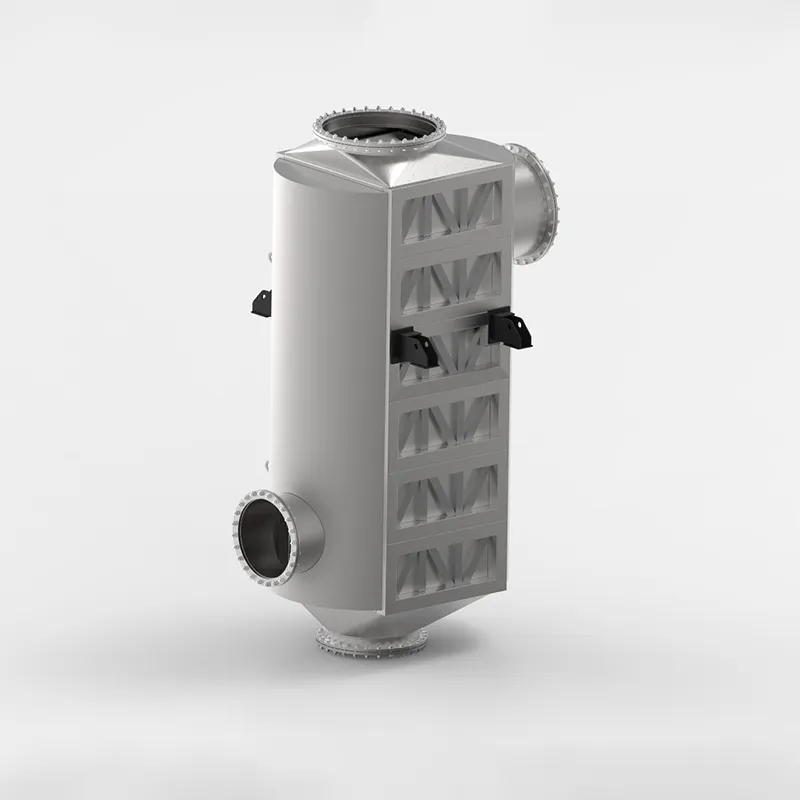
Serviceability considerations include the ease of gasket replacement, availability of spare parts, and the ability to perform on-site cleaning without removing the unit from the piping system. A well-designed gasket heat exchanger should feature a simple clamping mechanism that allows quick opening and closing of the plate pack, reducing downtime during routine maintenance. Additionally, selecting materials that resist corrosion and scaling will minimize cleaning frequency and extend service intervals.
For processes involving viscous fluids or particulates, wide-gap plate designs or special flow channels may be necessary to facilitate effective cleaning. Always consult the manufacturer's guidelines for recommended cleaning agents and procedures to avoid damaging gaskets or plates. Proper training for maintenance personnel is also essential to ensure safe and efficient servicing of the equipment.
Cost-Benefit Analysis and Long-Term Operational Efficiency
Evaluating the total cost of ownership for a gasket heat exchanger involves more than the initial purchase price. A comprehensive cost-benefit analysis must consider installation expenses, maintenance requirements, energy consumption, and expected service life. Units with higher upfront costs often deliver superior thermal performance and reduced fouling, leading to lower operational expenses over time.
Long-term operational efficiency depends on factors such as plate material, gasket durability, and design flexibility. Selecting a heat exchanger that minimizes pressure drop while maximizing heat transfer can significantly reduce pumping costs. Additionally, easy access for cleaning and gasket replacement extends equipment lifespan and minimizes downtime.
To achieve optimal lifecycle value, consider the following key aspects:
- Initial capital investment versus projected energy savings
- Maintenance frequency and replacement part costs
- Compatibility with process fluids and temperature ranges
- Scalability for future capacity changes
A detailed cost-benefit analysis ensures that the selected gasket heat exchanger delivers maximum return on investment. For more information on engineered solutions, visit gasketed plate heat exchangers or explore custom engineered pillow plates.
By prioritizing long-term efficiency over short-term savings, you can achieve sustainable operational performance and reduced total lifecycle costs.
Summary & Key Takeaways
Selecting the appropriate gasket heat exchanger requires a thorough evaluation of process parameters, material compatibility, and operational demands. The following points summarize the critical considerations discussed in this guide.
Key Process Parameters
Operating temperature, pressure, flow rates, and fluid properties directly influence gasket material selection and heat exchanger design. Always verify the maximum allowable working pressure and temperature range against your process conditions.
Material Compatibility & Gasket Selection
Different fluids require specific gasket materials to prevent chemical attack, swelling, or degradation. Common options include EPDM for water and mild chemicals, FKM for hydrocarbons, and PTFE for aggressive media. Cross-reference fluid compatibility charts before finalizing.
Thermal Performance & Pressure Drop
Evaluate the required heat transfer coefficient and allowable pressure drop across the exchanger. Plate geometry, number of plates, and flow arrangement (counter-current or parallel) must be optimized to balance thermal efficiency with pumping costs.
Maintenance & Serviceability
Gasket heat exchangers offer easy access for cleaning and plate replacement. Consider the frequency of cleaning cycles, availability of spare gaskets, and the ease of reassembly to minimize downtime and maintenance labor.
Cost-Benefit & Long-Term Efficiency
Initial purchase cost should be weighed against operational expenses including energy consumption, maintenance, and gasket replacement intervals. A higher-quality unit with durable gaskets often delivers lower total cost of ownership over the equipment lifespan.
Final Note: Always consult with the manufacturer or a process engineer to validate your selection against actual operating conditions. Proper sizing and material choice are essential to achieving reliable, efficient, and safe heat exchanger performance.
How to Select the Right Gasket Heat Exchanger for Your Process?
Key Process Parameters That Influence Gasket Heat Exchanger Selection
Operating temperature, pressure, flow rate, and fluid viscosity are primary parameters. Temperature determines gasket material limits, pressure affects plate thickness and gasket design, flow rate influences channel sizing, and viscosity impacts heat transfer coefficients and pressure drop calculations.
Material Compatibility and Gasket Selection for Different Fluids
For corrosive fluids, use stainless steel 316 or titanium plates with EPDM or FKM gaskets. For hydrocarbons, NBR gaskets are suitable. Always verify chemical resistance charts and avoid gasket swelling or degradation by matching elastomer properties to fluid composition.
Evaluating Thermal Performance and Pressure Drop Requirements
Calculate required heat transfer area using LMTD method and overall heat transfer coefficient. Pressure drop must stay within pump capacity—typically 0.5–1.5 bar for gasketed exchangers. Use simulation software to balance thermal duty with allowable pressure loss.
Maintenance, Cleaning, and Serviceability Considerations
Choose designs with easy access to plate packs and gaskets. CIP (clean-in-place) capability reduces downtime. For fouling fluids, consider larger gap plates and quick-release frames. Regular gasket inspection intervals of 12–24 months are recommended.
Cost-Benefit Analysis and Long-Term Operational Efficiency
Initial cost includes plates, gaskets, and frame. Long-term savings come from lower energy consumption, reduced maintenance, and extended gasket life. Compare total cost of ownership over 5–10 years, factoring in spare parts availability and supplier support.

 English EN





User Comments
Service Experience Sharing from Real Customers
Mike
Maintenance SupervisorWe switched to these gasket heat exchangers six months ago for our plant’s cooling loop. The old ones always leaked after a year, but these are still tight as a drum. Cleaning them is a breeze too—just pop the gasket and scrape. Huge time saver.
Sarah
Process EngineerHad to spec a replacement unit for a tricky dairy pasteurization line. These exchangers handled the thermal cycling well, no warping on the plates. Only gripe is the gasket material took a bit longer to arrive than quoted, but worth the wait for the durability.
Tom
HVAC TechnicianBeen installing these in commercial boiler systems for a couple of years now. They fit perfectly with standard flange patterns, and I haven't had a callback on a single one. The gasket seal holds up even with dirty water on the secondary side. Solid product.
Emma
Senior Reliability EngineerWe put one of these in a pilot plant for solvent recovery. The pressure drop was slightly higher than the datasheet suggested, but the thermal performance exceeded expectations. After six months of heavy use, no signs of gasket degradation. Would recommend for aggressive fluids.