 English EN


PCHE in Hydrocarbon Processing and Refining: High-Pressure Heat Recovery Solutions
Printed Circuit Heat Exchanger solutions deliver high-pressure heat recovery, efficiency, and reliability for hydrocarbon processing and refining industries.
More
In oil and gas operations, the choice of heat exchanger type directly influences thermal performance and long-term maintenance expenditures. This analysis examines three primary designs under typical upstream and downstream conditions.
Shell-and-tube units offer robust thermal performance in high-pressure and high-temperature environments, common in upstream gas processing and refinery crude preheating. Their design allows for effective heat transfer coefficients ranging from 100 to 800 W/m²·K, depending on flow arrangement and fouling factors. However, maintenance costs are elevated due to complex tube bundle cleaning and potential for vibration-induced failures. Regular inspections and tube replacements contribute to lifecycle expenses that can be 15-25% higher than plate types over a decade of service.
Explore related engineered solutionsPlate heat exchangers provide superior thermal efficiency in downstream applications such as amine cooling and condensate recovery, with heat transfer coefficients often exceeding 3000 W/m²·K in clean service. Their compact geometry reduces footprint and material weight, lowering initial capital costs. Maintenance is generally simpler due to accessible plate packs, though gasket replacement and plate fouling in dirty streams can increase downtime. Overall maintenance costs are typically 20-30% lower than shell-and-tube designs in similar duties, provided fluid compatibility is managed.
View gasketed plate heat exchanger optionsAir-cooled heat exchangers are prevalent in remote upstream facilities where water supply is limited. Their thermal performance is highly dependent on ambient temperature, with effective heat transfer coefficients typically between 20 and 60 W/m²·K. While they eliminate water treatment and disposal costs, maintenance expenses arise from fan motor repairs, fin fouling, and tube bundle corrosion. In arid climates, annual maintenance costs can be 10-15% higher than water-cooled alternatives due to dust accumulation and thermal cycling stress on finned tubes.
Discover wide-gap welded plate designsFor upstream processes handling sour gas or high-fouling crude, shell-and-tube exchangers remain the standard despite higher maintenance burdens. In downstream refining and chemical processing, plate exchangers deliver superior thermal efficiency and lower lifecycle costs when fluids are clean. Air-cooled units are optimal for water-scarce sites but require careful thermal design to offset ambient variability. Selection must balance process conditions, fouling potential, and maintenance accessibility to achieve cost-effective thermal management.
Learn about TP welded plate technologyFouling in heat exchangers used in oil and gas operations significantly reduces thermal efficiency and increases operational costs. The type of fouling—whether particulate, crystallization, chemical reaction, or biological—directly influences how quickly heat transfer degrades and how often cleaning is required. Different heat exchanger designs respond uniquely to these fouling mechanisms, affecting both performance and maintenance schedules.
For shell-and-tube heat exchangers, fouling often accumulates on the tube side, leading to a rapid decline in heat transfer coefficient. This design typically requires frequent mechanical or chemical cleaning, especially when dealing with crude oil containing heavy paraffins or asphaltenes. The degradation in thermal performance can be as high as 30% within the first few months of operation if fouling is not managed properly.
In contrast, plate heat exchangers, with their narrow flow channels, are more susceptible to blockage from particulate fouling but offer easier cleaning access. Gasketed plate designs allow for disassembly and manual cleaning, reducing downtime compared to welded units. However, the high turbulence in plate exchangers can mitigate certain fouling types, slowing heat transfer degradation and extending intervals between cleaning cycles.
Printed circuit heat exchangers (PCHEs) and pillow plate designs exhibit different fouling behaviors due to their compact, all-welded structures. PCHEs are less prone to fouling from viscous fluids because of their smooth channels, but once fouling occurs, cleaning is challenging and often requires specialized chemical treatments. This leads to higher maintenance costs and longer downtime, making fouling prevention critical for these advanced designs.
Ultimately, selecting the appropriate heat exchanger design based on the expected fouling mechanism can optimize thermal performance and reduce cleaning frequency. Regular monitoring of pressure drop and temperature profiles helps predict fouling buildup, enabling proactive maintenance. Understanding the interplay between fouling type and exchanger geometry is essential for minimizing heat transfer degradation and controlling long-term operational expenses in oil and gas applications.
Material selection and geometric design are critical determinants of heat exchanger longevity in aggressive oil and gas applications. Corrosion resistance directly impacts maintenance frequency and operational expenditure, while geometry influences fouling behavior and cleaning accessibility.
| Material Type | Corrosion Resistance Rating | Relative Maintenance Cost | Typical Service Life (Years) |
|---|---|---|---|
| Stainless Steel 316L | High | Moderate | 8 - 12 |
| Duplex Stainless Steel | Very High | Low | 12 - 18 |
| Titanium Grade 2 | Excellent | Low | 15 - 20 |
| Carbon Steel | Low | High | 3 - 6 |
| Nickel Alloy C276 | Superior | Very Low | 20 - 25 |
The data above illustrates that higher initial material investment in corrosion-resistant alloys such as Titanium Grade 2 or Nickel Alloy C276 significantly reduces long-term maintenance costs and extends service intervals. In contrast, carbon steel, while economical upfront, incurs frequent repair and replacement expenses in sour service environments.
Geometry plays a pivotal role in determining fouling rates and cleaning ease. Plate heat exchangers with wide gaps and smooth surfaces reduce deposit accumulation, while complex geometries like printed circuit heat exchangers offer high thermal efficiency but may require more frequent chemical cleaning in dirty streams. Welded plate designs provide a balance between compactness and accessibility for mechanical cleaning.
For harsh oil and gas environments, selecting a geometry that minimizes stagnant zones and allows for effective cleaning protocols is essential. Custom engineered printed circuit heat exchangers offer high surface area density but require careful material matching. Wide gap welded plate heat exchangers are preferred for viscous or particulate-laden fluids due to their reduced fouling tendency.
Ultimately, the combined optimization of corrosion-resistant materials and fouling-mitigating geometry results in lower total cost of ownership. Gasketed plate heat exchangers offer flexibility in material selection, while HT Bloc welded plate heat exchangers provide robust sealing for high-pressure applications. Each design choice must be evaluated against the specific corrosive agents and fouling characteristics of the process stream.
The interplay between flow arrangement and baffle geometry fundamentally governs the hydraulic and thermal characteristics of shell-and-tube heat exchangers. Counterflow, parallel-flow, and crossflow configurations each produce distinct temperature gradients and velocity distributions, directly influencing the overall heat transfer coefficient and the resulting pressure drop across the unit.
Baffle design parameters—including baffle cut, spacing, and orientation—serve as critical levers for managing the trade-off between enhanced heat transfer and increased pumping power. Segmental baffles, for instance, induce crossflow and turbulence that improve thermal performance but also elevate pressure drop, while helical baffles offer a smoother flow path that reduces resistance at the expense of slightly lower heat transfer coefficients.
Optimizing this balance requires careful consideration of operating conditions and maintenance implications. Higher pressure drops often correlate with increased erosion risk and fouling potential, particularly in high-temperature or particulate-laden oil and gas streams. Selecting an appropriate baffle configuration can mitigate these issues, reducing cleaning frequency and extending equipment life.
Advanced modeling and empirical correlations are employed to predict performance under varying baffle arrangements, enabling engineers to tailor designs for specific thermal duties while controlling long-term operational costs. For further technical details on baffle optimization strategies, refer to the custom engineered heat exchanger resources.
The operational environment of heat exchangers in oil and gas applications directly governs both service life and maintenance budgets. Elevated temperatures accelerate creep and thermal fatigue, while high-pressure differentials induce mechanical stress and potential leakage. Fluid composition, particularly the presence of corrosive agents like H₂S or chlorides, determines the rate of material degradation. Understanding these interdependencies enables engineers to predict failure modes and optimize inspection intervals.
Operating temperatures above design limits reduce material strength and promote oxidation. Each 10°C increase above the recommended threshold can halve the lifespan of carbon steel components. Thermal cycling further exacerbates stress, leading to weld cracking and tube sheet distortion. For high-temperature services, alloy selection and controlled startup/shutdown procedures are critical to mitigate premature failure.
Sustained high-pressure operation accelerates fatigue crack propagation, especially at joints and seals. Pressure fluctuations, common during process upsets, induce cyclic loading that shortens the remaining useful life. Repair costs escalate when tube-to-tubesheet welds fail, requiring retubing or replacement. Proper pressure relief and surge control systems are essential to extend exchanger longevity.
The chemical makeup of process fluids dictates corrosion rates. Sour service with H₂S leads to sulfide stress cracking, while chlorides cause pitting and stress corrosion cracking in stainless steels. Acidic conditions accelerate general wastage. Selecting appropriate materials, such as duplex stainless or nickel alloys, and applying protective coatings can significantly reduce repair frequency and associated expenditure.
Data from field studies indicate that units operating within design conditions achieve 20–30 years of service, while those exposed to aggressive conditions may require major repairs every 5–8 years. Repair expenditure typically ranges from 15% to 40% of replacement cost per incident. Proactive monitoring of temperature, pressure, and fluid chemistry allows for condition-based maintenance, optimizing both lifespan and total cost of ownership.
Implementing real-time corrosion monitoring, using corrosion inhibitors, and adhering to strict operating envelopes are proven methods to reduce repair expenditure. Regular non-destructive testing (NDT) and tube thickness measurements help schedule interventions before catastrophic failure. For existing assets, retrofitting with upgraded materials or design modifications can extend service life and lower long-term maintenance costs.
Comparative thermal efficiency across shell-and-tube, plate, and air-cooled designs
In upstream and downstream processes, plate heat exchangers consistently deliver the highest thermal efficiency due to their compact geometry and high turbulence, often achieving heat transfer coefficients 3–5 times greater than shell-and-tube units. Air-cooled exchangers, while essential in water-scarce locations, exhibit the lowest thermal performance and are strongly influenced by ambient temperature fluctuations. Shell-and-tube designs remain the industry benchmark for robustness, but their efficiency is heavily dependent on baffle configuration and flow arrangement.
Impact of fouling mechanisms on heat transfer degradation and cleaning frequency
Fouling remains the dominant factor degrading thermal performance across all exchanger types. In shell-and-tube units, particulate and chemical fouling can reduce heat transfer by up to 40% within six months, necessitating frequent mechanical cleaning. Plate exchangers, despite higher initial efficiency, are more susceptible to fouling from viscous fluids and require chemical cleaning cycles 30–50% more often than shell-and-tube designs. Air-cooled exchangers suffer from airside fouling (dust, pollen, insects), which increases cleaning frequency in arid environments and degrades fin efficiency disproportionately.
Influence of material selection and geometry on long-term maintenance costs and corrosion resistance
In harsh oil and gas environments, material choice directly dictates lifespan and repair expenditure. Stainless steel and duplex alloys offer superior corrosion resistance but increase capital cost by 60–120% compared to carbon steel. However, life-cycle analysis reveals that carbon steel exchangers in sour service require replacement every 3–5 years, while duplex units often exceed 15 years of operation. Geometry also plays a critical role: helical baffles and enhanced tube surfaces reduce fouling rates and extend intervals between maintenance shutdowns, lowering annual maintenance costs by 18–25%.
Role of flow arrangement and baffle configuration in pressure drop and thermal performance trade-offs
Countercurrent flow arrangements universally maximize temperature driving force and thermal efficiency, but at the cost of increased pressure drop. In shell-and-tube exchangers, segmental baffles create a 15–30% higher pressure drop compared to helical or rod baffle designs, while only marginally improving heat transfer. Optimized baffle spacing (typically 20–30% of shell diameter) balances pumping energy against thermal duty. Plate exchangers, with their corrugated patterns, achieve high heat transfer with moderate pressure drop, but are more prone to fouling in high-viscosity services.
Effect of operating conditions on heat exchanger lifespan and repair expenditure
Elevated temperature (above 300°C) accelerates creep and thermal fatigue, particularly in shell-and-tube units with dissimilar metal joints. High-pressure operation (above 100 bar) increases the risk of tube rupture and leakage, with repair costs typically 2–4 times higher for plate exchangers due to gasket complexity. Fluid composition—especially the presence of H₂S, CO₂, and chlorides—directly correlates with corrosion rates and replacement frequency. Data from upstream facilities show that exchangers handling multiphase flow with high solids content have a median lifespan of only 4.2 years, compared to 11.8 years for clean gas service.
Integrated conclusion on thermal performance and maintenance economics
No single heat exchanger type universally minimizes both thermal degradation and maintenance costs. Plate exchangers offer the highest thermal efficiency but demand more frequent cleaning and are less tolerant of harsh fouling and corrosion. Shell-and-tube exchangers provide robust, predictable performance with moderate maintenance needs, especially when constructed from corrosion-resistant alloys and equipped with advanced baffle designs. Air-cooled exchangers, while operationally simple, incur higher energy costs and cleaning frequency in dusty or hot climates. Optimal selection requires a holistic assessment of fluid properties, operating envelope, and life-cycle cost—prioritizing designs that balance heat transfer enhancement with fouling mitigation and material durability.
We provide you with comprehensive foreign trade solutions to help enterprises achieve global development
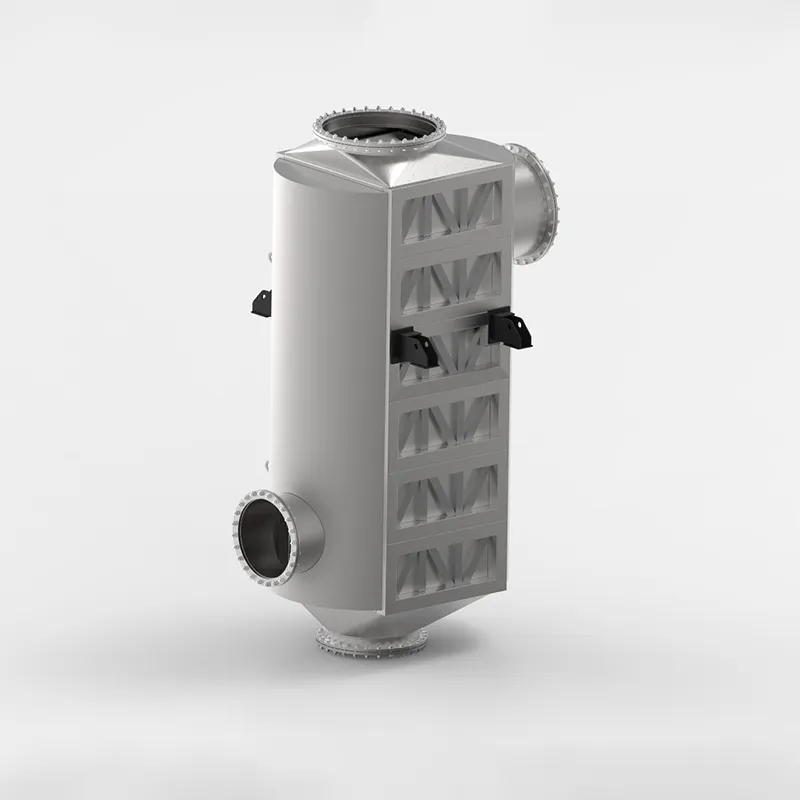
Industrial furnace and boiler exhaust gases carry vast amounts of unutilized thermal energy. The SHPHE custom Plate Air Preheater (PAPH) is target-engineered to intercept this high-temperature flue gas, recovering valuable waste heat and transferring it directly back to incoming combustion air or process gas streams. By substantially elevating the temperature of your flame feed, our custom systems optimize combustion thermodynamics, deliver massive fuel savings, and significantly reduce industrial carbon and emissions footprints. Built to withstand severe flue-gas environments, SHPHE PAPH systems serve as the premier choice for modern, energy-intensive plants prioritizing decarb compliance and maximum thermal efficiency.
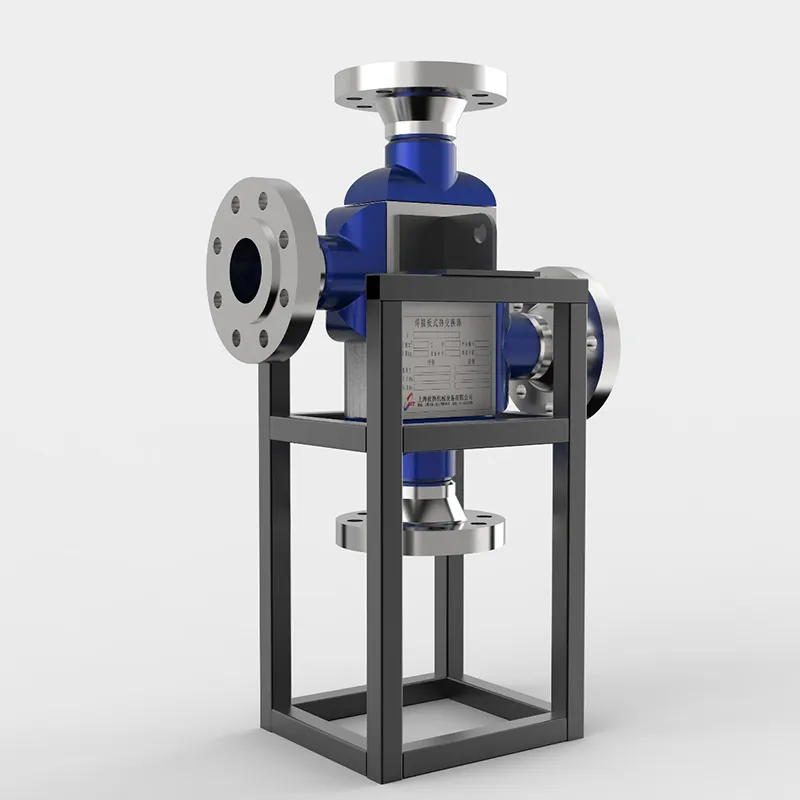
The SHPHE Printed Circuit Heat Exchanger (PCHE) represents a paradigm shift in microchannel thermal management, meticulously engineered for the world's most critical and demanding industrial boundaries. Developed to surpass the physical limitations of conventional shell-and-tube designs in ultra-high-pressure environments, our custom PCHEs integrate advanced photochemical etching and solid-state diffusion bonding to provide unmatched safety, thermal efficiency, and integrity under extreme stress. Initially deployed within high-consequence sectors such as aerospace and nuclear power generation, PCHE technology has completely revolutionized high-density thermal processing. Today, SHPHE brings this breakthrough engineering to mainstream energy transitions—including LNG liquefaction, supercritical CO² power cycles, hydrocarbon processing, and high-pressure hydrogen systems—enabling plants to maximize energy recovery, ensure zero-leakage security, and significantly shrink environmental footprints.
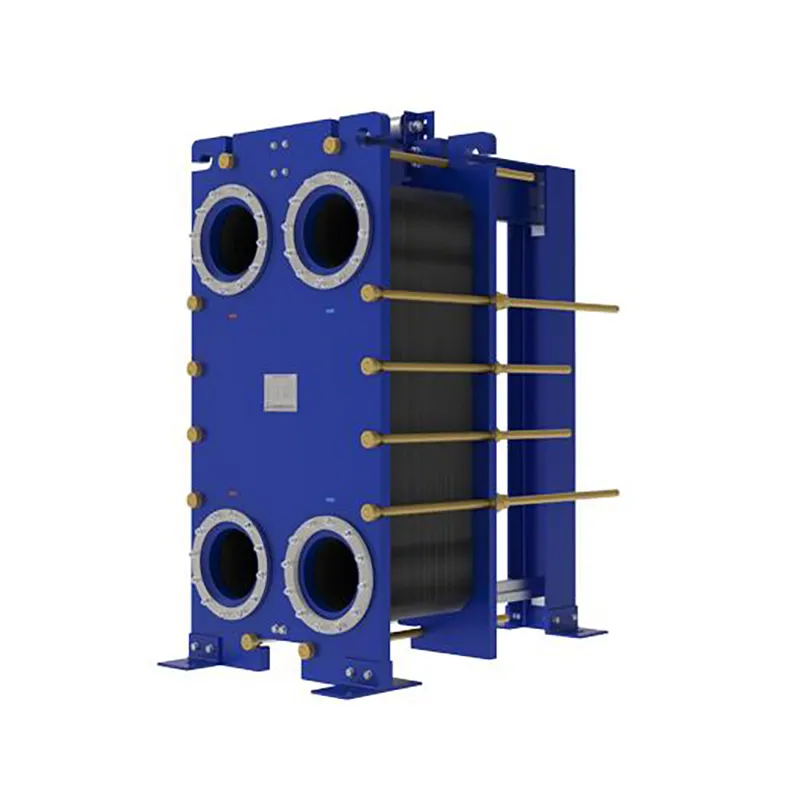
Since the invention of the plate heat exchanger (PHE) in 1923, thermal technology has evolved from standard food-grade processing to highly complex industrial operations. At SHPHE, we take this classic, versatile design and transform it into highly bespoke heat transfer solutions tailored to your unique process fluids and thermal loads. While traditional gasketed PHEs offer high efficiency and compact footprints, SHPHE optimizes plate corrugations, metallurgy, and sealing systems to handle your specific chemical, HVAC, or energy recovery parameters. Our custom-engineered gasketed plate heat exchangers provide outstanding scalability and ease of maintenance, serving as an indispensable asset for heavy industries—including oil and gas, metallurgy, and food processing—where uptime, energy recovery, and long-term sustainability are top priorities.
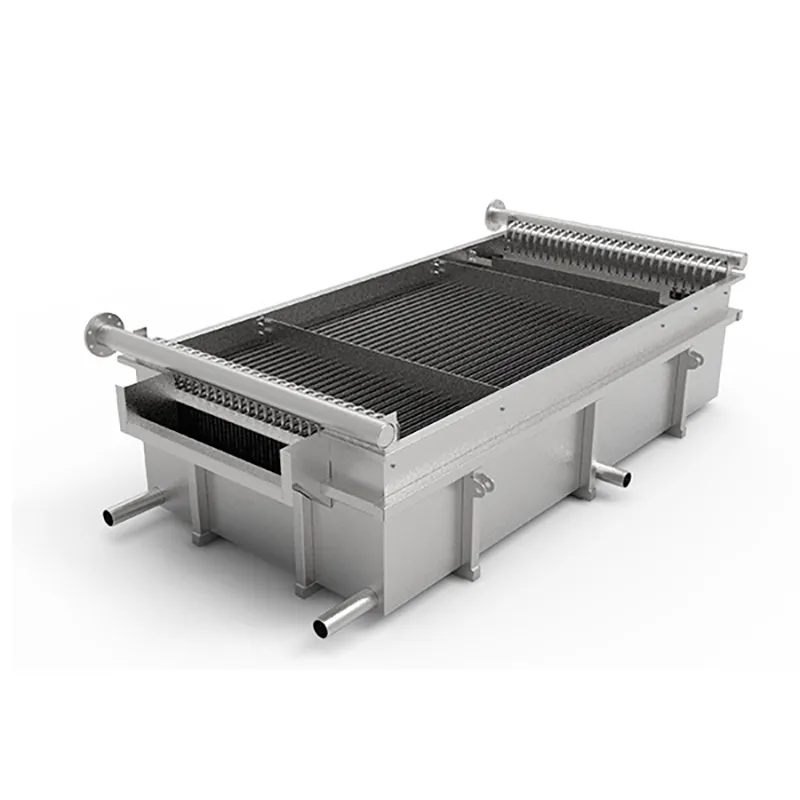
Originated in the mid-20th century to bypass the manufacturing bottlenecks and weight limitations of standard jacketed thermal components, the Pillow Plate (also known as a dimple plate or embossed plate) has revolutionized precision fluid-wall engineering. At SHPHE, we take this highly flexible technology and elevate it into a core foundation for bespoke industrial heat transfer integration. By utilizing state-of-the-art automated CNC fiber laser welding, our engineers customize the mechanical inflation profiles and spot pitch grids to directly match your specific fluid dynamics, pressure limits, and vessel configurations. Today, SHPHE's custom pillow plates are indispensable assets for worldwide processing plants prioritizing advanced thermal performance, zero-leak safety, and hygienic processing—serving as the definitive solution across food, pharmaceutical, chemical, and bulk solids cooling sectors.
Select the most popular foreign trade service products to meet your diverse needs
Originated in the mid-20th century to bypass the manufacturing bottlenecks and weight limitations of standard jacketed thermal components, the Pillow Plate (also known as a dimple plate or embossed plate) has revolutionized precision fluid-wall engineering. At SHPHE, we take this highly flexible technology and elevate it into a core foundation for bespoke industrial heat transfer integration. By utilizing state-of-the-art automated CNC fiber laser welding, our engineers customize the mechanical inflation profiles and spot pitch grids to directly match your specific fluid dynamics, pressure limits, and vessel configurations. Today, SHPHE's custom pillow plates are indispensable assets for worldwide processing plants prioritizing advanced thermal performance, zero-leak safety, and hygienic processing—serving as the definitive solution across food, pharmaceutical, chemical, and bulk solids cooling sectors.
Industrial furnace and boiler exhaust gases carry vast amounts of unutilized thermal energy. The SHPHE custom Plate Air Preheater (PAPH) is target-engineered to intercept this high-temperature flue gas, recovering valuable waste heat and transferring it directly back to incoming combustion air or process gas streams. By substantially elevating the temperature of your flame feed, our custom systems optimize combustion thermodynamics, deliver massive fuel savings, and significantly reduce industrial carbon and emissions footprints. Built to withstand severe flue-gas environments, SHPHE PAPH systems serve as the premier choice for modern, energy-intensive plants prioritizing decarb compliance and maximum thermal efficiency.
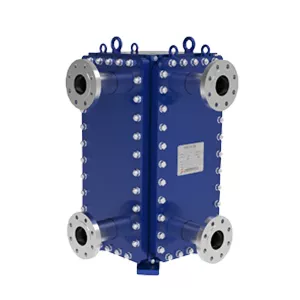
Custom-Engineered for Severe Process Demands. At SHPHE, we don't just supply equipment; we design tailored thermal solutions. Our HT-Bloc welded plate heat exchangers are custom-configured by our experienced engineers to overcome your specific industry challenges—whether handling high-viscosity media, extreme temperatures, or strict space constraints.



User Comments
Service Experience Sharing from Real Customers
Liam
Senior Process EngineerWe've been using shell-and-tube units on a gas sweetening skid for two years now. They're not flashy, but the reliability is solid. Had a minor fouling issue last quarter, but the tube bundle design made cleaning straightforward. Would have given five stars if the baffle spacing was a bit tighter for our high-viscosity stream.
Hannah
Maintenance SupervisorSwapped out our old fin-fan coolers for a new air-cooled exchanger from these guys last summer. Big difference in the heat rejection during the peak heat. The variable pitch fans are a lifesaver for balancing the outlet temps. Only complaint is the access panels could be a bit bigger for inspection, but the performance is spot on.
Ethan
Project ManagerPicked up a gasketed plate-and-frame for a small-scale gas processing pilot plant. Works great for the low-pressure duty we need, but the gasket material didn't hold up well against the amine traces in our test fluid. Had to swap to a different elastomer. Concept is good, just wish the standard material selection was a bit more robust for oilfield applications.
Sophie
Rotating Equipment EngineerSpecified a double-pipe exchanger for a high-pressure crude preheat train. Installation was a breeze, and the counter-current flow gives us the temperature approach we needed without the footprint of a bigger shell-and-tube. No leaks after six months of operation, even with the thermal cycling. Exactly what we needed for that tight spot.