 English EN


Why 35% of Conventional Heat Exchanger Failures Go Undetected: The Case for PCHE
Conventional heat exchangers miss 35% of failures. PCHE technology enables better detection, reliability, and predictive maintenance for safer operations.
More
The flow channel geometry in plate coil designs is a critical factor that directly influences thermal performance. By optimizing the shape, spacing, and surface patterns of the channels, engineers can significantly enhance heat transfer rates while minimizing pressure drop.
Key geometric features include chevron or herringbone patterns, which create turbulence and disrupt boundary layers. This turbulence increases the effective heat transfer coefficient by promoting better mixing of the fluid. Additionally, variable channel depths and widths allow for tailored flow distribution, reducing dead zones and ensuring uniform thermal exchange across the entire plate surface.
The impact on heat transfer efficiency is measurable: optimized channel geometry can improve overall heat transfer coefficients by 20-40% compared to standard flat or smooth channels. This is achieved without a proportional increase in pumping power, making the system more energy-efficient. For applications requiring precise temperature control, such as in chemical processing or HVAC systems, these design enhancements provide reliable and consistent performance.
Furthermore, the geometry can be customized for specific fluid properties, such as high viscosity or particulate content, ensuring long-term operational stability. Learn more about advanced plate coil designs at TP Welded Plate Heat Exchanger or explore Custom Engineered Pillow Plates for specialized solutions.
In summary, the strategic design of flow channel geometry is a cornerstone of modern plate coil technology, delivering measurable gains in heat transfer efficiency and operational reliability.
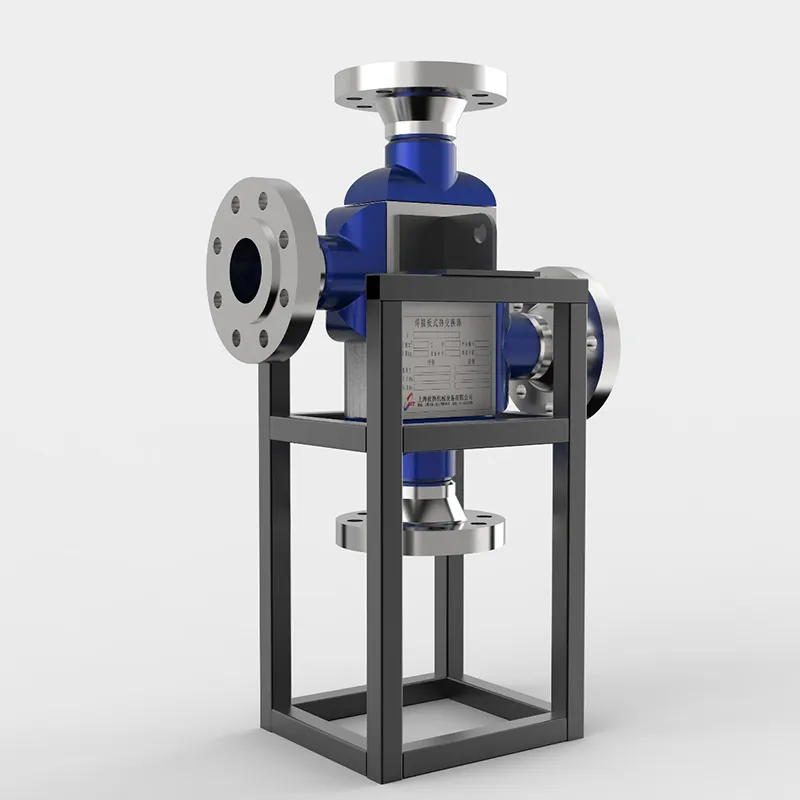
The selection of materials for plate coil construction directly influences both thermal performance and long-term durability. High-grade stainless steel alloys, such as 316L or 904L, are commonly employed to provide superior resistance to corrosive media while maintaining excellent heat transfer coefficients. These materials ensure that the coil can withstand aggressive chemical environments without degradation, thereby extending service life and reducing maintenance frequency.
Surface texture plays a critical role in enhancing thermal conductivity. A controlled micro-roughness on the plate surface increases the effective heat transfer area and promotes turbulent flow, which disrupts the boundary layer and improves convective heat exchange. This texturing is achieved through precision embossing or etching processes, resulting in a surface that maximizes energy transfer efficiency without compromising structural integrity.
Corrosion resistance is further augmented by passivation treatments and the application of protective coatings that seal microscopic pores. These surface modifications prevent localized corrosion, such as pitting or crevice attack, which is particularly important in applications involving chlorides or acidic solutions. The combination of robust material choice and optimized surface texture ensures that plate coils deliver consistent performance under demanding thermal and chemical conditions.
By integrating these design features, plate coils achieve higher heat flux densities and improved resistance to fouling. The enhanced thermal conductivity reduces the required surface area for a given duty, leading to more compact and cost-effective heat exchanger systems. Simultaneously, the corrosion-resistant properties ensure reliable operation in harsh environments, making plate coils a preferred solution for industries such as chemical processing, food and beverage, and pharmaceutical manufacturing.
Plate coil heat exchangers are engineered with modular building blocks that allow precise thermal and hydraulic adjustment. The core design flexibility comes from interchangeable plate patterns and channel geometries, enabling engineers to match exact process requirements without over-engineering.
By selecting from various corrugation angles, pitch distances, and flow path configurations, the heat transfer coefficient and pressure drop can be optimized for viscous fluids, high-temperature applications, or sanitary processes. This modularity reduces material waste and improves energy efficiency across diverse industries.
| Pattern Type | Heat Transfer Coefficient (W/m²K) | Pressure Drop (kPa) | Best Application |
|---|---|---|---|
| Herringbone (60°) | 4500 | 85 | High viscosity fluids |
| Low Chevron (30°) | 3200 | 45 | Low pressure drop systems |
| Washboard (90°) | 5200 | 120 | High heat flux duties |
| Dimpled | 2800 | 30 | Sanitary / food processing |
The table above demonstrates how different corrugation patterns directly influence thermal and hydraulic performance. Selecting the right pattern allows for precise tuning of the plate coil to meet specific process constraints, whether the goal is maximizing heat recovery or minimizing pumping energy.
Modular plate coil designs also support easy scalability. Multiple coil sections can be combined in series or parallel to handle larger flow rates or higher thermal loads without redesigning the entire system. This approach reduces engineering time and allows for future capacity expansions.
For detailed technical specifications and custom pattern options, refer to the product documentation: TP Welded Plate Heat Exchanger, Custom Engineered Plate Air Preheaters, and HT Bloc Welded Plate Heat Exchanger.
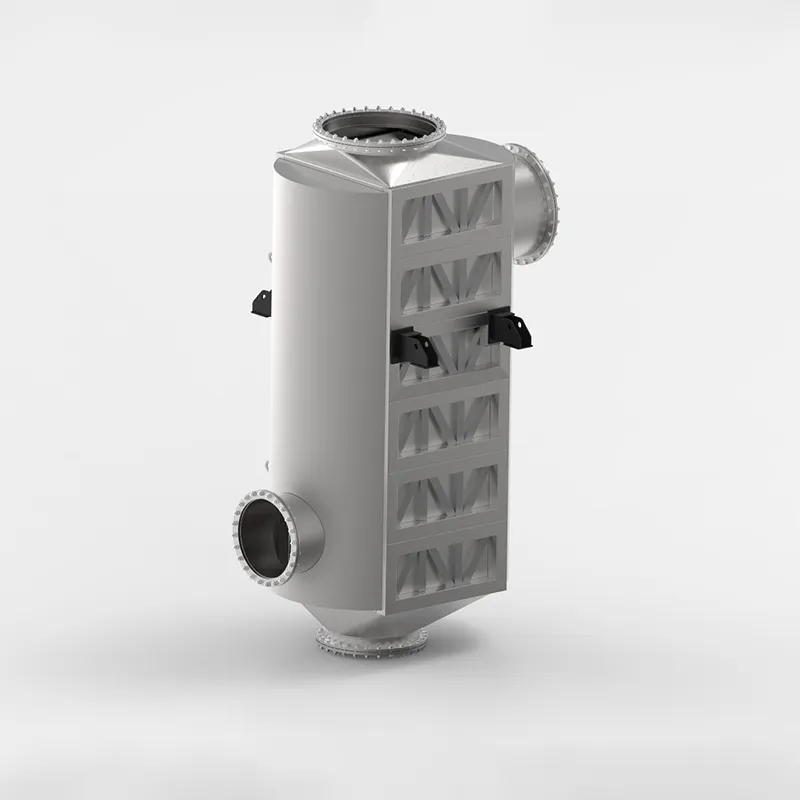
The internal geometry of plate coil heat exchangers is engineered with smooth, continuous flow channels that minimize abrupt changes in direction. This streamlined passage design significantly reduces fluid turbulence and frictional losses, resulting in a lower overall pressure drop compared to conventional tubular or shell-and-tube configurations.
By maintaining a consistent cross-sectional area along the flow path, the plate coil eliminates sharp edges and dead zones that typically cause energy dissipation. This characteristic is particularly beneficial for applications involving viscous fluids or systems where pump energy consumption must be minimized.
Furthermore, the reduced pressure drop directly translates to lower operating costs and improved system efficiency. The design allows for higher flow rates without exceeding pressure limitations, enabling more compact heat exchanger installations while maintaining thermal performance targets.
The plate coil design incorporates reinforced support ribs and welded brackets that distribute mechanical stress evenly across the surface. This structural integration minimizes vibration fatigue and thermal expansion damage, extending operational lifespan in high-pressure applications.
Maintenance access is enhanced through modular support frames that allow quick detachment of coil sections without disturbing adjacent components. Hinged access panels and tool-free locking mechanisms reduce downtime during inspection and cleaning cycles.
Key durability benefits include corrosion-resistant support materials and sealed joint interfaces that prevent fluid ingress into structural cavities. These features collectively improve heat transfer consistency by maintaining precise plate alignment under variable load conditions.
We provide you with comprehensive foreign trade solutions to help enterprises achieve global development
Industrial furnace and boiler exhaust gases carry vast amounts of unutilized thermal energy. The SHPHE custom Plate Air Preheater (PAPH) is target-engineered to intercept this high-temperature flue gas, recovering valuable waste heat and transferring it directly back to incoming combustion air or process gas streams. By substantially elevating the temperature of your flame feed, our custom systems optimize combustion thermodynamics, deliver massive fuel savings, and significantly reduce industrial carbon and emissions footprints. Built to withstand severe flue-gas environments, SHPHE PAPH systems serve as the premier choice for modern, energy-intensive plants prioritizing decarb compliance and maximum thermal efficiency.
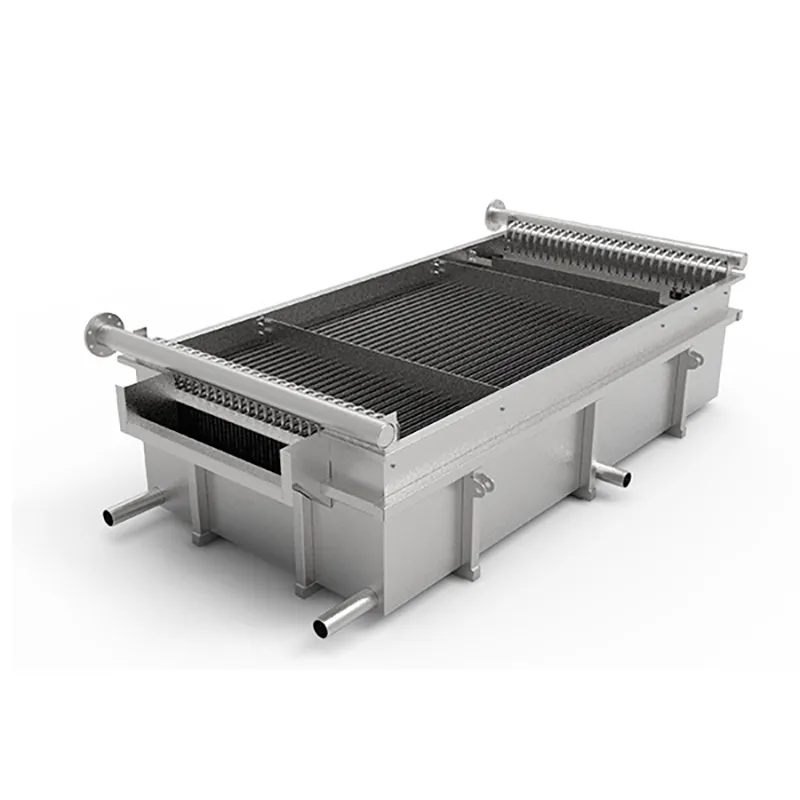
Originated in the mid-20th century to bypass the manufacturing bottlenecks and weight limitations of standard jacketed thermal components, the Pillow Plate (also known as a dimple plate or embossed plate) has revolutionized precision fluid-wall engineering. At SHPHE, we take this highly flexible technology and elevate it into a core foundation for bespoke industrial heat transfer integration. By utilizing state-of-the-art automated CNC fiber laser welding, our engineers customize the mechanical inflation profiles and spot pitch grids to directly match your specific fluid dynamics, pressure limits, and vessel configurations. Today, SHPHE's custom pillow plates are indispensable assets for worldwide processing plants prioritizing advanced thermal performance, zero-leak safety, and hygienic processing—serving as the definitive solution across food, pharmaceutical, chemical, and bulk solids cooling sectors.
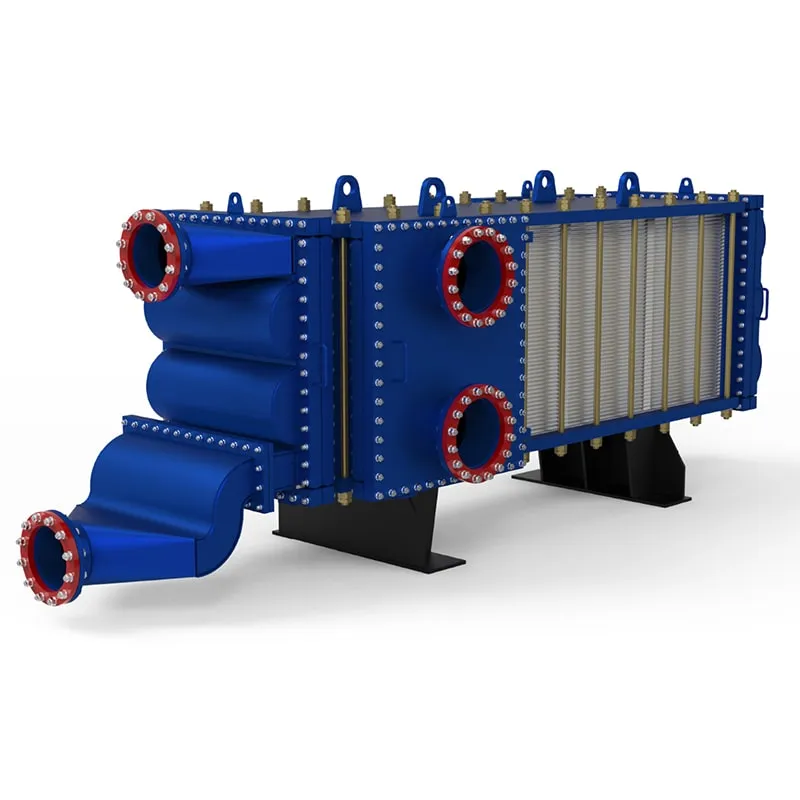
Custom-Engineered Anti-Clogging Solutions for High-Viscosity Slurries: Deployed specifically to conquer severe industrial fouling, SHPHE wide gap welded plate heat exchangers are tailor-built to handle complex media containing dense fibers, coarse crystals, or solid suspensions without clogging. Each non-obstructed channel is calculated and formed by laser-welded plate packs matching your fluid’s exact rheology and grain size, completely eliminating structural "dead zones" and media stagnation. Available in highly compact vertical and versatile horizontal configurations, our vertical engineering drastically reduces plant footprints while maintaining unhindered product throughput, minimal pressure drops, and flawless continuous operations across harsh process loops.
The SHPHE Printed Circuit Heat Exchanger (PCHE) represents a paradigm shift in microchannel thermal management, meticulously engineered for the world's most critical and demanding industrial boundaries. Developed to surpass the physical limitations of conventional shell-and-tube designs in ultra-high-pressure environments, our custom PCHEs integrate advanced photochemical etching and solid-state diffusion bonding to provide unmatched safety, thermal efficiency, and integrity under extreme stress. Initially deployed within high-consequence sectors such as aerospace and nuclear power generation, PCHE technology has completely revolutionized high-density thermal processing. Today, SHPHE brings this breakthrough engineering to mainstream energy transitions—including LNG liquefaction, supercritical CO² power cycles, hydrocarbon processing, and high-pressure hydrogen systems—enabling plants to maximize energy recovery, ensure zero-leakage security, and significantly shrink environmental footprints.
Select the most popular foreign trade service products to meet your diverse needs
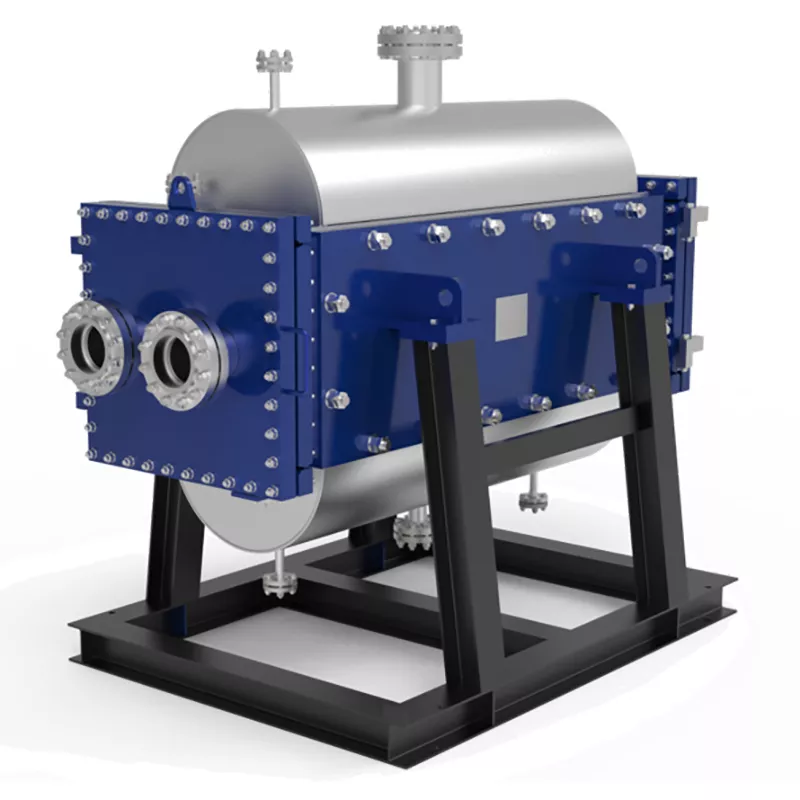
Industrial processes involving particle-laden slurries, high-viscosity syrups, or fiber-rich pulp demand more than standard equipment—they require target-engineered thermal management. At SHPHE, we configure the TP Welded Plate Heat Exchanger to directly conquer your plant's severe fouling, blockage, and erosion threats. Combining custom-tailored channel geometries, wear-resistant metallurgy, and integrated CIP (Cleaning-in-Place) systems, we deliver absolute production continuity where conventional heat exchangers fail.
Originated in the mid-20th century to bypass the manufacturing bottlenecks and weight limitations of standard jacketed thermal components, the Pillow Plate (also known as a dimple plate or embossed plate) has revolutionized precision fluid-wall engineering. At SHPHE, we take this highly flexible technology and elevate it into a core foundation for bespoke industrial heat transfer integration. By utilizing state-of-the-art automated CNC fiber laser welding, our engineers customize the mechanical inflation profiles and spot pitch grids to directly match your specific fluid dynamics, pressure limits, and vessel configurations. Today, SHPHE's custom pillow plates are indispensable assets for worldwide processing plants prioritizing advanced thermal performance, zero-leak safety, and hygienic processing—serving as the definitive solution across food, pharmaceutical, chemical, and bulk solids cooling sectors.
The SHPHE Printed Circuit Heat Exchanger (PCHE) represents a paradigm shift in microchannel thermal management, meticulously engineered for the world's most critical and demanding industrial boundaries. Developed to surpass the physical limitations of conventional shell-and-tube designs in ultra-high-pressure environments, our custom PCHEs integrate advanced photochemical etching and solid-state diffusion bonding to provide unmatched safety, thermal efficiency, and integrity under extreme stress. Initially deployed within high-consequence sectors such as aerospace and nuclear power generation, PCHE technology has completely revolutionized high-density thermal processing. Today, SHPHE brings this breakthrough engineering to mainstream energy transitions—including LNG liquefaction, supercritical CO² power cycles, hydrocarbon processing, and high-pressure hydrogen systems—enabling plants to maximize energy recovery, ensure zero-leakage security, and significantly shrink environmental footprints.



User Comments
Service Experience Sharing from Real Customers
Mike
Senior HVAC EngineerWe’ve been using these plate coils for a custom heat recovery setup in our commercial building. The thermal transfer is noticeably better than the old shell-and-tube units we had. No leaks after three months of constant cycling. Solid build quality.
Samantha
Production Line TechnicianI work on a dairy pasteurization line and these coils handle the high flow rates really well. Only reason I didn’t give 5 stars is because the gaskets felt a little stiff when we first installed them, but once they warmed up everything sealed fine. Great value for the price.
Ethan
R&D Lab ManagerNeeded a compact heat exchanger for a pilot-scale chemical reactor. This plate coil fit perfectly in a tight space and gave us precise temperature control during exothermic reactions. No fouling issues so far. Will definitely order more for future projects.
Linda
Maintenance SupervisorWe installed a bank of these plate coils in a large hydraulic oil cooling loop. They do the job, but the pressure drop was a bit higher than we expected from the spec sheet. Had to tweak our pump sizing. Otherwise, they’re holding up fine in a dirty environment.