 English EN


How to Choose the Right Printed Circuit Heat Exchanger for Your Process
Select the right printed circuit heat exchanger by matching process needs, pressure, temperature, and fluid compatibility for optimal efficiency and safety.
More
A pillow plate is constructed by welding two thin metal sheets along a predefined pattern. The welding process creates a series of interconnected channels between the sheets, which are then inflated to form a pillow-like structure. This design allows for efficient heat transfer by directing fluid flow through the patterned channels.
The patterned flow channels increase turbulence and surface area, enhancing thermal performance. The welded construction ensures durability and leak-proof operation, making pillow plates ideal for applications requiring high efficiency and reliability. For more details, visit custom engineered pillow plates.
The efficiency of pillow plates in heat transfer is attributed to the thin metal walls and the ability to handle high pressures. The welded pattern can be customized to optimize flow distribution, reducing thermal resistance. Learn about related products like TP welded plate heat exchangers or wide gap welded plate heat exchangers.
Additional resources include custom engineered plate air preheaters and printed circuit heat exchangers. For other heat exchanger types, see HT Bloc welded plate heat exchangers or gasketed plate heat exchangers.
The inflation process is a critical step in manufacturing pillow plates, where controlled pressure is applied to expand the metal sheets into structured cavities. This deformation creates internal channels that induce turbulent flow, significantly improving heat transfer performance compared to smooth surfaces.
During inflation, the pillow plate's surface develops raised dimples and interconnected flow passages. These geometric features disrupt the boundary layer of the fluid, promoting mixing and reducing thermal resistance. The turbulence generated by the inflation-induced patterns allows for higher heat transfer coefficients, making pillow plates highly efficient for applications in heating, cooling, and thermal processing.
The design flexibility achieved through the inflation process enables customization of channel depth, pitch, and arrangement, optimizing the plate for specific fluid properties and operating conditions. This results in compact heat exchangers with superior performance and reduced material usage.
Spot welding patterns are strategically arranged to create discrete flow channels within the pillow plate structure. These patterns force the heat transfer fluid to follow a defined path, eliminating stagnant zones and promoting turbulence. The resulting increase in effective surface area directly enhances thermal exchange efficiency, making the design highly effective for demanding industrial applications.
The arrangement of weld points determines the hydraulic diameter of the flow passages. Closer spacing generates more but narrower channels, increasing surface area but also pressure drop. Wider spacing reduces resistance but may leave some areas underutilized. Engineers balance these factors to optimize performance for specific fluid properties and flow rates.
| Pattern Type | Weld Spacing (mm) | Surface Area Increase (%) | Typical Application |
|---|---|---|---|
| Diamond | 30 | 22 | High viscosity fluids |
| Staggered | 45 | 18 | General heating/cooling |
| Parallel | 60 | 14 | Low pressure drop systems |
Data shown above illustrates how different spot welding patterns affect both surface area and flow characteristics. The diamond pattern offers the highest surface area gain, making it suitable for viscous media where heat transfer is otherwise poor. Staggered patterns provide a balanced solution for most common fluids, while parallel patterns minimize pumping energy requirements.
For more detailed engineering information on pillow plate design and customization options, please refer to our product pages: custom engineered pillow plates and TP welded plate heat exchangers.
The performance of a pillow plate in heat transfer applications is heavily influenced by the choice of material and its thickness. Engineers must carefully balance the need for high thermal conductivity against the structural requirements for pressure resistance. Common materials include stainless steel, titanium, and nickel alloys, each offering distinct advantages in thermal performance and corrosion resistance.
Thinner plates enhance heat transfer efficiency by reducing thermal resistance, but they may compromise the ability to withstand high operating pressures. Conversely, thicker plates offer greater mechanical strength and durability under pressure but can impede heat flow. The optimal design involves selecting a material with suitable conductivity and a thickness that meets both thermal and mechanical demands for the specific application.
Advanced manufacturing techniques allow for precise control over plate thickness, enabling customized solutions that maximize heat transfer while ensuring structural integrity. This balance is critical in industries such as chemical processing, food and beverage, and HVAC systems, where efficiency and reliability are paramount.
In dairy pasteurization, brewing, and sauce production, pillow plate heat exchangers provide superior hygiene and gentle thermal treatment. Their smooth, crevice-free surfaces prevent bacterial growth and allow easy cleaning, while the uniform flow distribution minimizes fouling and product degradation. Traditional shell-and-tube or gasketed plate designs often struggle with viscous or particulate-laden fluids, but pillow plates handle them efficiently without clogging.
Learn more about food-grade pillow plate solutionsFor reactors, storage tanks, and crystallizers requiring precise temperature control, pillow plate jackets outperform conventional dimple jackets or half-pipe coils. The embossed channels create turbulent flow even at low velocities, enhancing heat transfer coefficients by 30-50%. This design also withstands higher pressures and thermal cycling without weld fatigue, making it ideal for aggressive solvents and sterile pharmaceutical processes.
Explore chemical-grade pillow plate heat exchangersIn district cooling, heat pumps, and industrial chillers, pillow plate evaporators and condensers offer compactness and high efficiency. Their all-welded construction eliminates gasket leaks and reduces refrigerant charge by up to 40% compared to traditional brazed plate heat exchangers. The pillow plate geometry also provides better drainage and freeze resistance, critical for low-temperature applications.
View HVAC pillow plate product detailsBiogas plants, solar thermal systems, and industrial waste heat recovery units benefit from pillow plate heat exchangers due to their high surface-area-to-volume ratio and corrosion resistance. They can be custom-engineered to fit into existing ductwork or tank geometries, outperforming traditional finned-tube or plate-fin designs in dusty or humid environments where cleaning access is limited.
Check custom heat recovery optionsFor crude oil heating, gas cooling, and produced water treatment, pillow plate heat exchangers offer robust performance under high pressure and fouling conditions. Their welded design eliminates gasket failures common in traditional plate heat exchangers, while the wide-gap channels handle solids and viscous fluids without blockage. This results in longer maintenance intervals and lower lifecycle costs in remote or offshore installations.
See wide-gap pillow plate for oil & gasThe Core Structure: Two Metal Sheets Welded Together to Form a Patterned Flow Channel
Pillow plates are constructed by welding two thin metal sheets along a precise pattern, then inflating the assembly to create hollow, pillow-like channels. This design forms a continuous flow path that maximizes heat exchange surface area while maintaining a compact footprint.
How the Inflation Process Creates Turbulence for Enhanced Heat Transfer Efficiency
During inflation, the metal sheets deform into rounded, pillow-shaped cells. These undulations force the fluid to constantly change direction and velocity, generating turbulent flow. Turbulence disrupts the thermal boundary layer, significantly improving convective heat transfer coefficients compared to smooth, straight channels.
The Role of Spot Welding Patterns in Directing Fluid Flow and Maximizing Surface Area
Spot welds are arranged in staggered or linear arrays to define the flow path and prevent the sheets from separating under pressure. The welding pattern also acts as internal baffling, guiding the fluid evenly across the entire plate. This ensures that nearly all available metal surface contributes to heat transfer, minimizing stagnant zones.
Material Selection and Thickness: Balancing Thermal Conductivity with Pressure Resistance
Stainless steel, titanium, or nickel alloys are commonly chosen for their corrosion resistance and strength. Sheet thickness typically ranges from 0.5 mm to 1.5 mm — thin enough to keep thermal resistance low, yet thick enough to withstand operating pressures up to 30 bar. This balance allows pillow plates to handle demanding thermal and mechanical loads simultaneously.
Common Industrial Applications Where Pillow Plate Heat Exchangers Outperform Traditional Designs
Pillow plate exchangers excel in food processing (pasteurization, cooling of viscous products), chemical reactors (jacketed heating/cooling), pharmaceutical production, and HVAC systems. Their ability to handle high fouling fluids, operate under moderate pressure, and provide uniform temperature distribution makes them more efficient than shell-and-tube or traditional dimpled jackets in many continuous and batch processes.
In summary, the pillow plate construction combines welded metal sheets, inflation‑induced turbulence, and optimized spot‑weld patterns to deliver high heat transfer efficiency, compact design, and reliable pressure resistance — a versatile solution that consistently outperforms conventional heat exchangers in demanding industrial environments.
We provide you with comprehensive foreign trade solutions to help enterprises achieve global development
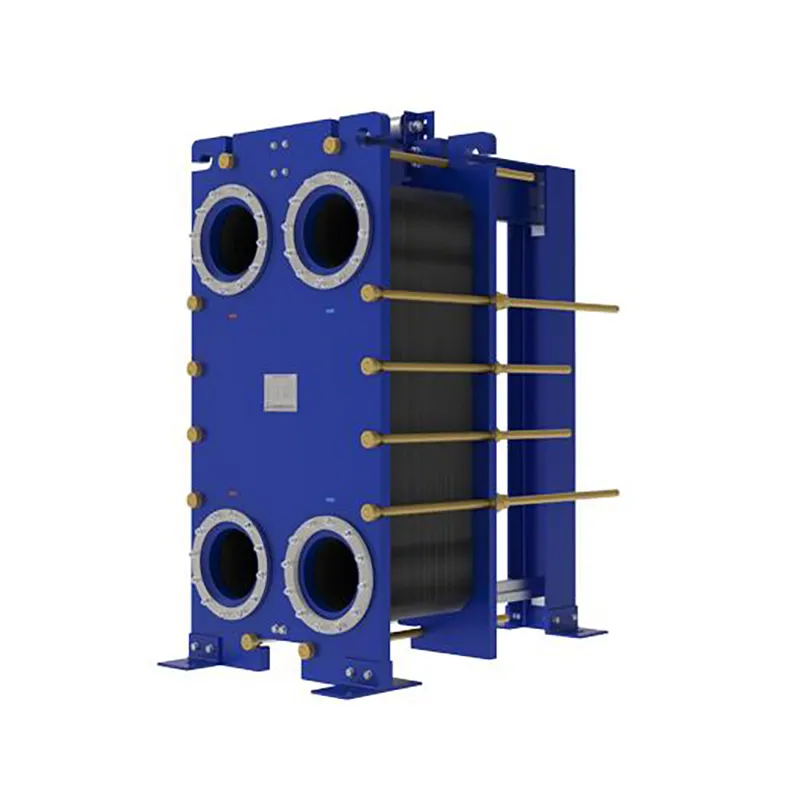
Since the invention of the plate heat exchanger (PHE) in 1923, thermal technology has evolved from standard food-grade processing to highly complex industrial operations. At SHPHE, we take this classic, versatile design and transform it into highly bespoke heat transfer solutions tailored to your unique process fluids and thermal loads. While traditional gasketed PHEs offer high efficiency and compact footprints, SHPHE optimizes plate corrugations, metallurgy, and sealing systems to handle your specific chemical, HVAC, or energy recovery parameters. Our custom-engineered gasketed plate heat exchangers provide outstanding scalability and ease of maintenance, serving as an indispensable asset for heavy industries—including oil and gas, metallurgy, and food processing—where uptime, energy recovery, and long-term sustainability are top priorities.
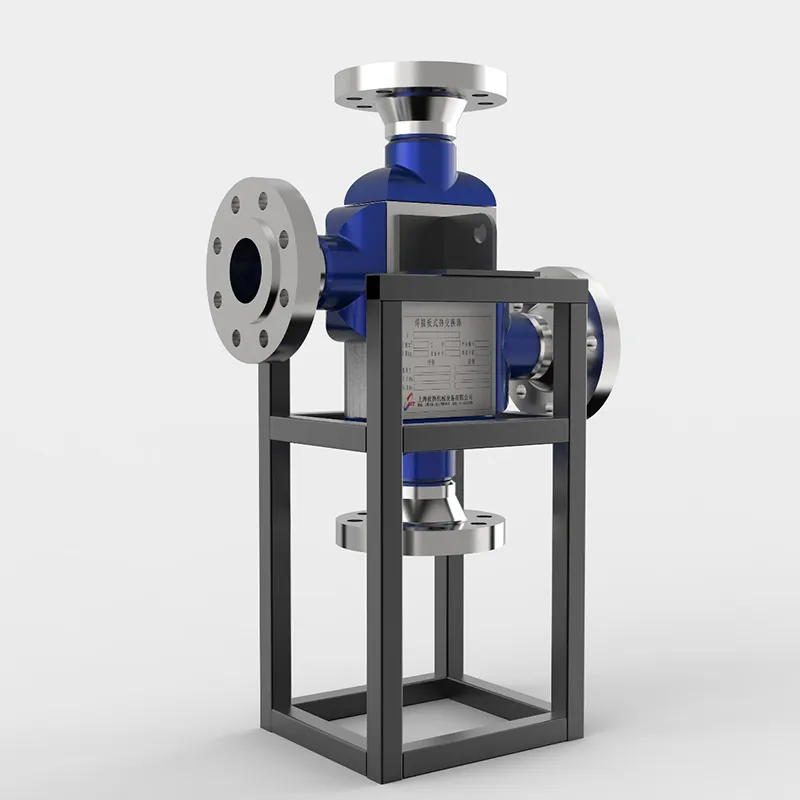
The SHPHE Printed Circuit Heat Exchanger (PCHE) represents a paradigm shift in microchannel thermal management, meticulously engineered for the world's most critical and demanding industrial boundaries. Developed to surpass the physical limitations of conventional shell-and-tube designs in ultra-high-pressure environments, our custom PCHEs integrate advanced photochemical etching and solid-state diffusion bonding to provide unmatched safety, thermal efficiency, and integrity under extreme stress. Initially deployed within high-consequence sectors such as aerospace and nuclear power generation, PCHE technology has completely revolutionized high-density thermal processing. Today, SHPHE brings this breakthrough engineering to mainstream energy transitions—including LNG liquefaction, supercritical CO² power cycles, hydrocarbon processing, and high-pressure hydrogen systems—enabling plants to maximize energy recovery, ensure zero-leakage security, and significantly shrink environmental footprints.
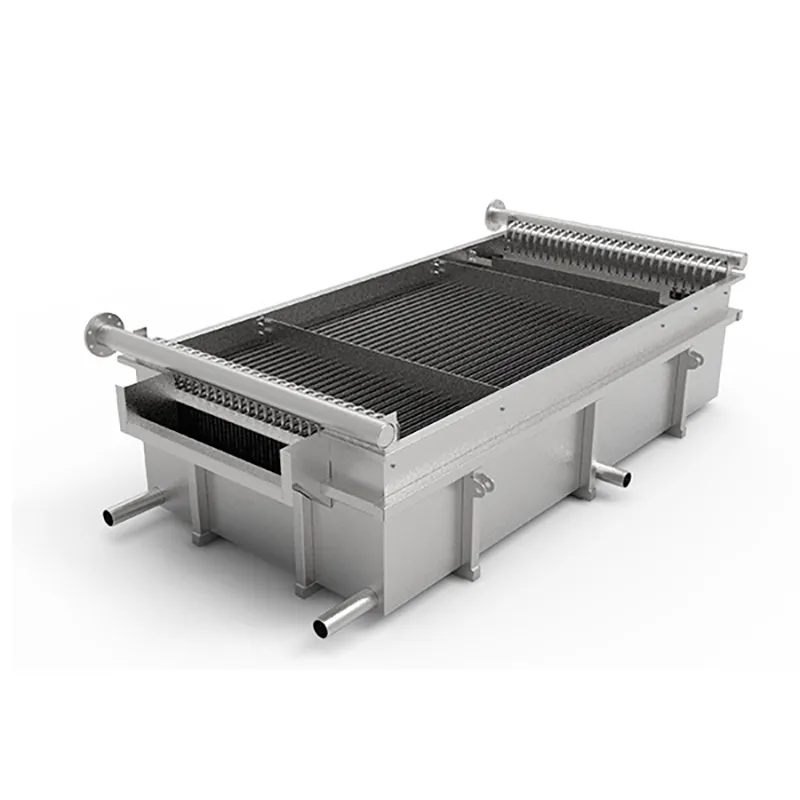
Originated in the mid-20th century to bypass the manufacturing bottlenecks and weight limitations of standard jacketed thermal components, the Pillow Plate (also known as a dimple plate or embossed plate) has revolutionized precision fluid-wall engineering. At SHPHE, we take this highly flexible technology and elevate it into a core foundation for bespoke industrial heat transfer integration. By utilizing state-of-the-art automated CNC fiber laser welding, our engineers customize the mechanical inflation profiles and spot pitch grids to directly match your specific fluid dynamics, pressure limits, and vessel configurations. Today, SHPHE's custom pillow plates are indispensable assets for worldwide processing plants prioritizing advanced thermal performance, zero-leak safety, and hygienic processing—serving as the definitive solution across food, pharmaceutical, chemical, and bulk solids cooling sectors.
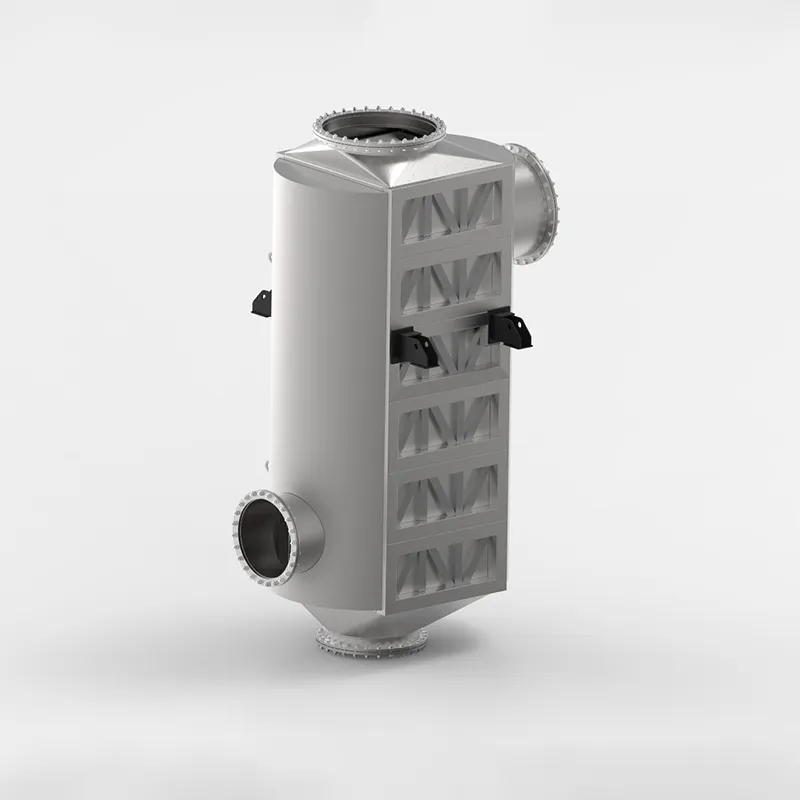
Industrial furnace and boiler exhaust gases carry vast amounts of unutilized thermal energy. The SHPHE custom Plate Air Preheater (PAPH) is target-engineered to intercept this high-temperature flue gas, recovering valuable waste heat and transferring it directly back to incoming combustion air or process gas streams. By substantially elevating the temperature of your flame feed, our custom systems optimize combustion thermodynamics, deliver massive fuel savings, and significantly reduce industrial carbon and emissions footprints. Built to withstand severe flue-gas environments, SHPHE PAPH systems serve as the premier choice for modern, energy-intensive plants prioritizing decarb compliance and maximum thermal efficiency.
Select the most popular foreign trade service products to meet your diverse needs
Originated in the mid-20th century to bypass the manufacturing bottlenecks and weight limitations of standard jacketed thermal components, the Pillow Plate (also known as a dimple plate or embossed plate) has revolutionized precision fluid-wall engineering. At SHPHE, we take this highly flexible technology and elevate it into a core foundation for bespoke industrial heat transfer integration. By utilizing state-of-the-art automated CNC fiber laser welding, our engineers customize the mechanical inflation profiles and spot pitch grids to directly match your specific fluid dynamics, pressure limits, and vessel configurations. Today, SHPHE's custom pillow plates are indispensable assets for worldwide processing plants prioritizing advanced thermal performance, zero-leak safety, and hygienic processing—serving as the definitive solution across food, pharmaceutical, chemical, and bulk solids cooling sectors.
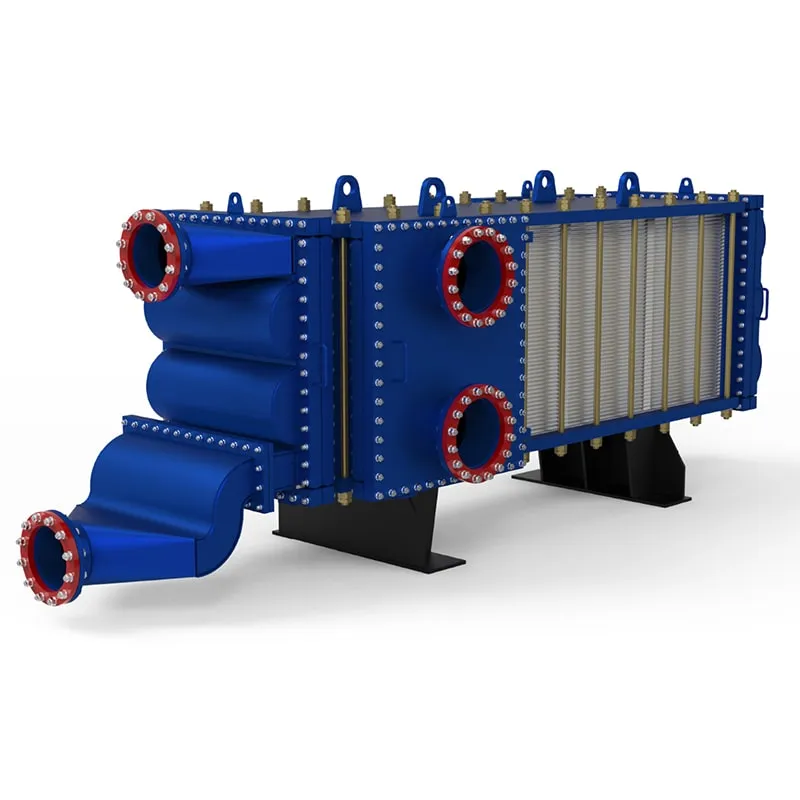
Custom-Engineered Anti-Clogging Solutions for High-Viscosity Slurries: Deployed specifically to conquer severe industrial fouling, SHPHE wide gap welded plate heat exchangers are tailor-built to handle complex media containing dense fibers, coarse crystals, or solid suspensions without clogging. Each non-obstructed channel is calculated and formed by laser-welded plate packs matching your fluid’s exact rheology and grain size, completely eliminating structural "dead zones" and media stagnation. Available in highly compact vertical and versatile horizontal configurations, our vertical engineering drastically reduces plant footprints while maintaining unhindered product throughput, minimal pressure drops, and flawless continuous operations across harsh process loops.
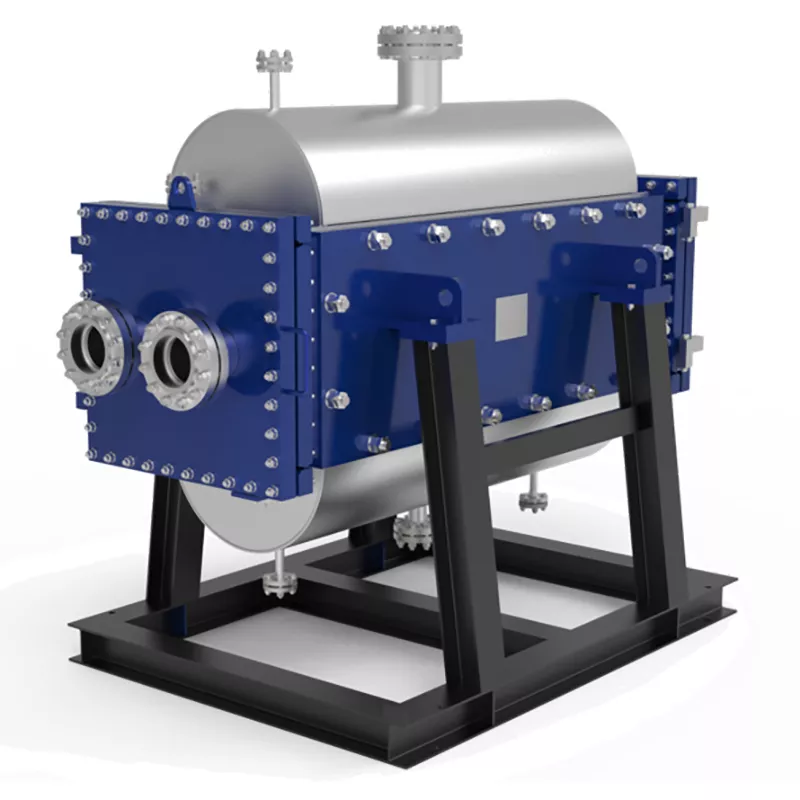
Industrial processes involving particle-laden slurries, high-viscosity syrups, or fiber-rich pulp demand more than standard equipment—they require target-engineered thermal management. At SHPHE, we configure the TP Welded Plate Heat Exchanger to directly conquer your plant's severe fouling, blockage, and erosion threats. Combining custom-tailored channel geometries, wear-resistant metallurgy, and integrated CIP (Cleaning-in-Place) systems, we deliver absolute production continuity where conventional heat exchangers fail.



User Comments
Service Experience Sharing from Real Customers
Ethan
Industrial Maintenance TechnicianI was skeptical about switching from a standard plate to a pillow plate for our heat exchanger, but the efficiency gain is undeniable. We've been running it for three months straight on a high-temp dairy pasteurizer, and the pressure drop is way lower than I expected. Cleanup is a breeze too—no more scraping gunk out of tight corners. Solid build quality.
Liam
Process EngineerSpec'd these for a pilot-scale bioreactor jacket at my last startup. The thermal transfer is remarkably uniform compared to dimpled plates, which was critical for our sensitive yeast cultures. Only reason I'm not giving 5 stars is that the weld seams on one panel had a tiny pinhole—we caught it during pressure test, but it was a minor headache. Overall, great value for the price point.
Mia
Distillery OwnerReplaced our old copper worm with a custom pillow plate setup for stripping runs. The mash doesn't scorch nearly as easily, and our run times dropped by about 20%. My stillman said he actually enjoys cleaning the plates now because they don't trap grain solids. Best upgrade we've made to the equipment this year.
Noah
HVAC Service ManagerOrdered a batch for a custom geothermal loop project. They work fine as a ground-source heat exchanger—good heat transfer overall. But the lead time was double what was quoted, and the edges weren't deburred perfectly, so I had to file them down to avoid cutting the insulation. Decent product, but the logistics side needs work.