Top 10 Plate Heat Exchanger Manufacturers: Leading Global Suppliers for Industrial and Commercial Use
Selecting a reliable plate heat exchanger manufacturer is critical for process efficiency, energy savings, and long-term equipment reliability. Whether you are managing a chemical plant, a food processing facility, or a commercial HVAC system, the right supplier can make the difference between seamless operations and costly downtime. This article reviews the top 10 global plate heat exchanger manufacturers, with a focus on technical capabilities, product range, and industry certifications. We also highlight SHPHE, a Shanghai-based manufacturer founded in 2005, known for its ISO9001 and ASME U certified products and free thermal design service. From gasketed and welded plate heat exchangers to PCHE and plate air preheaters, this guide helps process engineers and purchasing managers make informed decisions.
What Makes a Plate Heat Exchanger Manufacturer Stand Out?
A top-tier plate heat exchanger manufacturer must combine engineering expertise, manufacturing precision, and responsive customer support. Key differentiators include:
- ISO9001 quality management and ASME U stamp certification for pressure vessels
- In-house thermal design and free selection service for custom applications
- Broad product portfolio covering gasketed, welded, wide gap, and printed circuit heat exchangers
- Global export experience with proven installations in 20+ countries
- Compliance with international standards such as PED, ASME, and GB/T
SHPHE, founded in 2005 in Shanghai, meets all these criteria. The company offers six core product lines: HT-Bloc and TP Welded Plate Heat Exchangers, Wide Gap Welded Plate Heat Exchangers, Gasketed Plate Heat Exchangers, PCHE (Printed Circuit Heat Exchangers), Plate Air Preheaters, and Pillow Plates. All units are designed with real thermal data, not generic estimates.
How Do Plate Heat Exchangers Work in Industrial Processes?
Plate heat exchangers transfer heat between two fluids using a series of corrugated metal plates. The plates create narrow channels where hot and cold fluids flow in alternating paths, maximizing surface area for heat transfer while minimizing fluid volume. This design offers high thermal efficiency, compact footprint, and easy maintenance compared to shell-and-tube exchangers.
Typical operating parameters for industrial plate heat exchangers include:
| Parameter |
Common Range |
| Operating pressure |
Up to 30 bar (gasketed), up to 100 bar (welded) |
| Operating temperature |
-40°C to 250°C (gasketed), up to 900°C (welded/air preheaters) |
| Flow rate |
1 m³/h to 5,000 m³/h per unit |
| Heat transfer coefficient |
3,000–7,000 W/m²·K (water-to-water) |
| Plate material |
SS304, SS316L, titanium, Hastelloy, nickel alloys |
Which Applications Benefit Most from Plate Heat Exchangers?
Plate heat exchangers are used across diverse industries. Common applications include:
- Chemical processing: Heating/cooling of corrosive fluids, solvent recovery, and reactor temperature control
- Food and beverage: Pasteurization, CIP heating, and product cooling with hygienic gaskets
- HVAC and refrigeration: Chiller systems, heat pumps, and district heating networks
- Oil and gas: Crude oil heating, gas cooling, and offshore platform thermal management
- Power generation: Turbine lube oil cooling, condensate preheating, and flue gas heat recovery
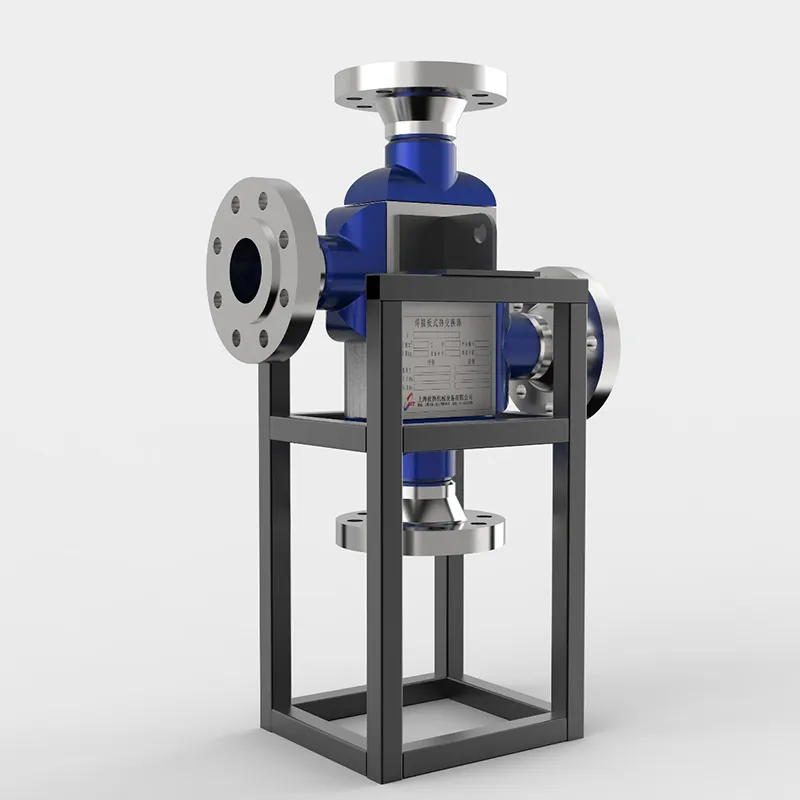
For high-temperature or high-pressure duties, welded plate heat exchangers such as the HT-Bloc Welded Plate Heat Exchanger offer a robust alternative to traditional gasketed units. These fully welded designs eliminate gasket failure risks and handle aggressive media.
What Are the Key Product Categories from Leading Manufacturers?
The global market includes several established brands such as Alfa Laval, GEA, and Kelvion. However, many buyers now seek cost-effective alternatives that maintain quality. SHPHE offers products compatible with these major brands while providing free thermal design and selection services. The main categories include:
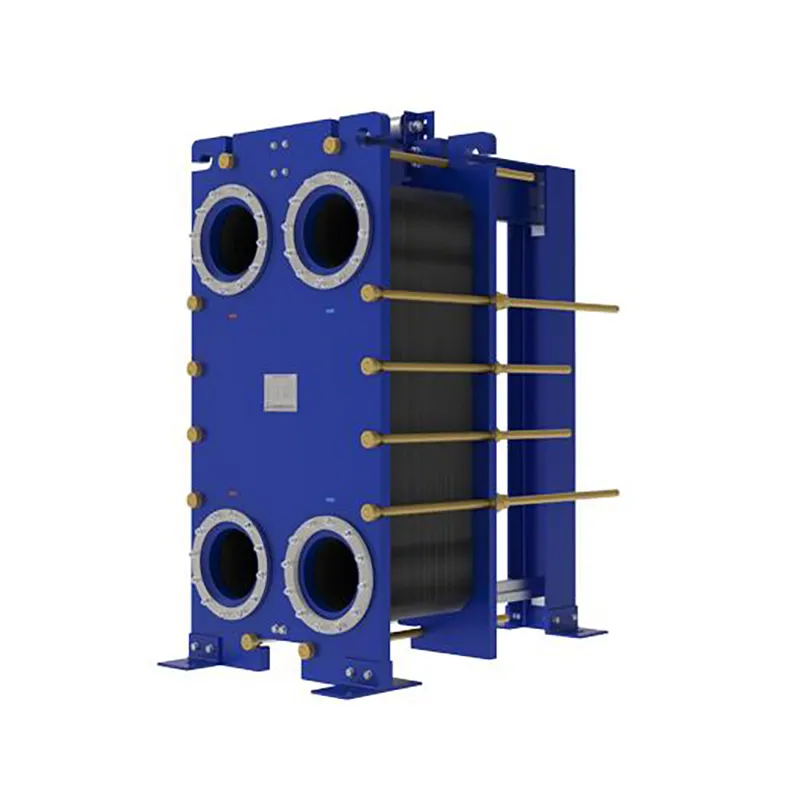
- Gasketed Plate Heat Exchangers: Suitable for clean fluids, easy to disassemble for cleaning. SHPHE gasketed units are available in multiple frame sizes and plate patterns.
- Welded Plate Heat Exchangers (HT-Bloc/TP): For high-temperature and high-pressure applications where gaskets cannot be used. The TP Welded Plate Heat Exchanger is designed for extreme conditions.
- Wide Gap Welded Plate Heat Exchangers: Ideal for fluids with fibers, particles, or high viscosity. Wide gap designs prevent clogging and reduce maintenance.
- PCHE (Printed Circuit Heat Exchangers): Compact units for high-pressure gas processing and supercritical CO2 cycles. SHPHE PCHE offers high integrity in demanding environments.
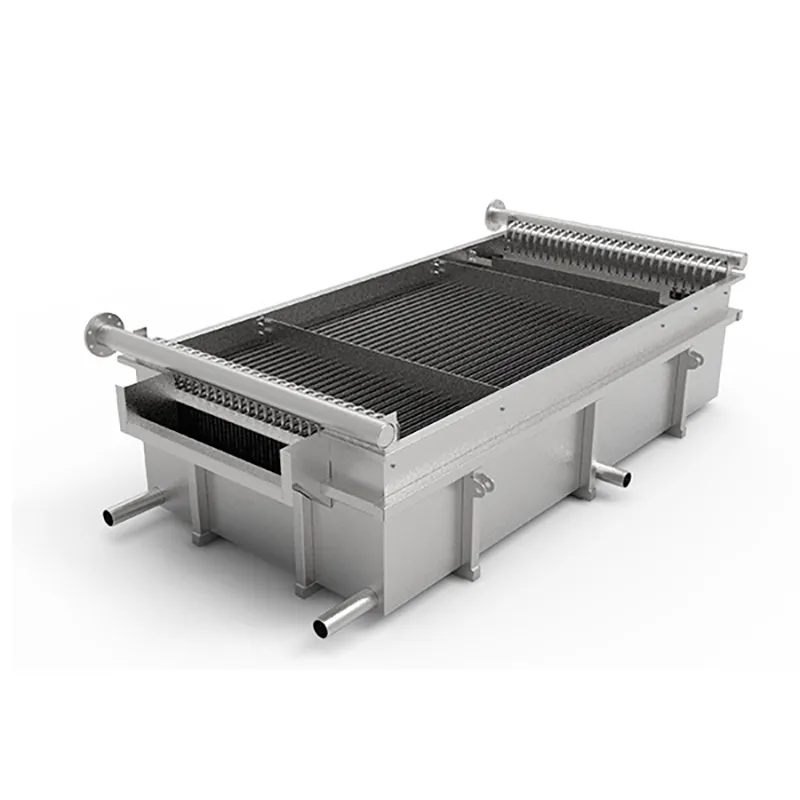
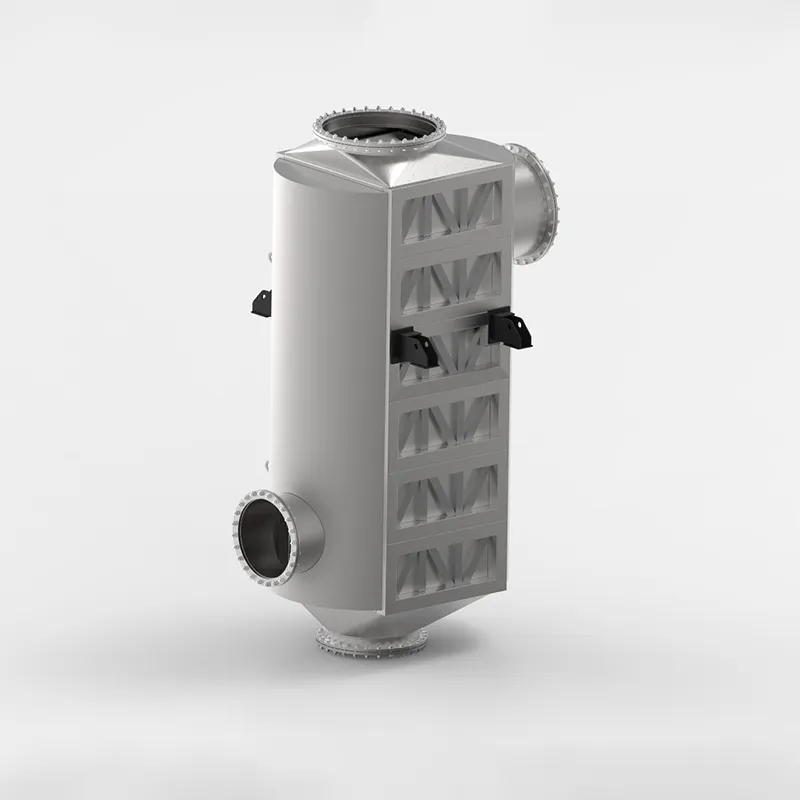
- Plate Air Preheaters: Used in boiler flue gas heat recovery to improve thermal efficiency. Custom-engineered plate air preheaters are available for various fuel types.
- Pillow Plates: Used for tank heating/cooling, immersion applications, and solar thermal systems. SHPHE pillow plates are fabricated to customer specifications.
Why Choose SHPHE as Your Plate Heat Exchanger Manufacturer?
SHPHE has been a dedicated plate heat exchanger manufacturer since 2005. The company holds ISO9001 and ASME U certifications, ensuring that every unit meets international quality and safety standards. SHPHE exports to more than 20 countries across Europe, Southeast Asia, the Middle East, and the Americas.
One of the key advantages is the free thermal design and selection service. Customers provide process parameters such as flow rate, inlet/outlet temperatures, allowable pressure drop, and media properties. The engineering team then recommends the optimal model, plate pattern, and material. This service reduces the risk of undersizing or oversizing, saving both capital and operating costs.
SHPHE also offers replacement plates and gaskets compatible with Alfa Laval, Compabloc, GEA, and other major brands. This makes it a practical alternative for maintenance and retrofit projects.
Frequently Asked Questions About Plate Heat Exchanger Manufacturers
What certifications should a reliable plate heat exchanger manufacturer have?
A reliable manufacturer should hold ISO9001 for quality management and ASME U stamp for pressure vessel design. Additional certifications like PED (CE) or GB/T may be required depending on the destination market. SHPHE holds both ISO9001 and ASME U certifications.
Can I get a custom-designed plate heat exchanger for a specific application?
Yes, many manufacturers offer custom thermal design. SHPHE provides free thermal design and selection based on your process data. You only need to provide flow rate, temperature, pressure, and media details to receive a tailored recommendation.
What is the difference between gasketed and welded plate heat exchangers?
Gasketed units use elastomer gaskets to seal plates, allowing easy disassembly for cleaning. Welded units have plates permanently joined, eliminating gasket failure. Welded designs handle higher temperatures and pressures but cannot be opened for mechanical cleaning.
How do I select the right plate material for corrosive fluids?
Material selection depends on fluid chemistry, temperature, and chloride content. Common options include SS304 for general use, SS316L for higher corrosion resistance, titanium for seawater, and Hastelloy for strong acids. Consult with the manufacturer for a material compatibility chart.
Are SHPHE heat exchangers compatible with Alfa Laval or GEA frames?
Yes, SHPHE supplies replacement plates and gaskets compatible with Alfa Laval, Compabloc, GEA, and other major brands. This allows customers to maintain existing installations without replacing the entire frame.
What is the typical lead time for a custom plate heat exchanger?
Lead time varies by complexity and material availability. Standard gasketed units may ship in 4–6 weeks. Custom welded units or PCHE typically require 8–12 weeks. SHPHE provides estimated delivery dates during the quotation phase.
Request a Quote for Your Plate Heat Exchanger Project
Choosing the right plate heat exchanger manufacturer is essential for achieving optimal thermal performance and operational reliability. SHPHE combines 20 years of manufacturing experience, ISO9001 and ASME U certifications, and a full product range from gasketed to welded and PCHE units. The free thermal design service helps you get the right solution the first time.
To receive a tailored recommendation, please provide the following details in your inquiry: flow rate, inlet and outlet temperatures, operating pressure, allowable pressure drop, and media type (including any corrosive or viscous properties). The engineering team at SHPHE will respond with a complete thermal design, model selection, and quotation. As a trusted plate heat exchanger manufacturer, SHPHE is ready to support your next project.

 English EN





User Comments
Service Experience Sharing from Real Customers
Tommy V.
Maintenance Shift LeadWe swapped our old units for Alfa Laval M15s last quarter. The thermal efficiency is noticeably better and cleaning is way easier—the plate pack slides out without a fight. Only gripe is the gasket material on the first batch was a bit stiff, but the supplier swapped them fast. Solid buy for a high-temp dairy line.
Priya R.
Senior Process EngineerI've spec'd GEA and Kelvion for a few chemical plants now. GEA's frame design handles the thermal shock from our batch cycles better than I expected. Kelvion gave us a better price point for a less aggressive application. Both have responsive tech support, which is huge when you're troubleshooting on the fly. Not perfect, but reliable.
Elena S.
HVAC Project ManagerDanfoss Micro Plate units are my go-to for district cooling substations. The compact footprint saved us almost 20% on cabinet space in a tight mechanical room. Pressure drop was a little higher than the old shell-and-tubes, but the heat recovery gain more than makes up for it. Zero leaks after two seasons.
Jake M.
Plant OperatorWe installed a Tranter Superchanger on a glycol loop for a cold storage expansion. It works fine when it's running, but we had to replace the gaskets after only 14 months—started weeping under the standard pressure. Not bad for the price, but I expected better longevity. Customer service was polite but slow on the warranty claim.