How to Identify the Best Plate Heat Exchanger Manufacturers for Your Application
Selecting a reliable plate heat exchanger manufacturer is critical for process efficiency, long-term reliability, and total cost of ownership. With dozens of suppliers on the market, process engineers and purchasing managers need a clear framework to evaluate technical capability, product range, and certification. This guide walks you through the key selection criteria, common pitfalls, and how to match a manufacturer to your specific thermal duty — whether you need gasketed, welded, or specialized plate heat exchangers.
What Makes a Plate Heat Exchanger Manufacturer Reliable?
A trustworthy manufacturer should demonstrate proven experience, robust quality management, and a clear understanding of your application. Look for ISO9001 certification and ASME U stamp as baseline credentials. For example, SHPHE, a Shanghai-based plate heat exchanger manufacturer founded in 2005, holds both certifications and exports to over 20 countries. Beyond paperwork, evaluate their engineering support — can they offer free thermal design and selection? Do they have in-house simulation tools? A manufacturer that invests in design capability is more likely to deliver a unit that matches your process parameters.
Also check their production capacity and lead times. If you need custom plate patterns or exotic materials like titanium or Hastelloy, confirm they can source and fabricate them. A reliable partner will be transparent about material traceability and testing protocols.
Key Product Lines to Look For
Not all plate heat exchanger manufacturers offer the same breadth. For a wide range of industrial applications, you want a supplier that provides multiple technologies under one roof. Here are the main types you should expect:
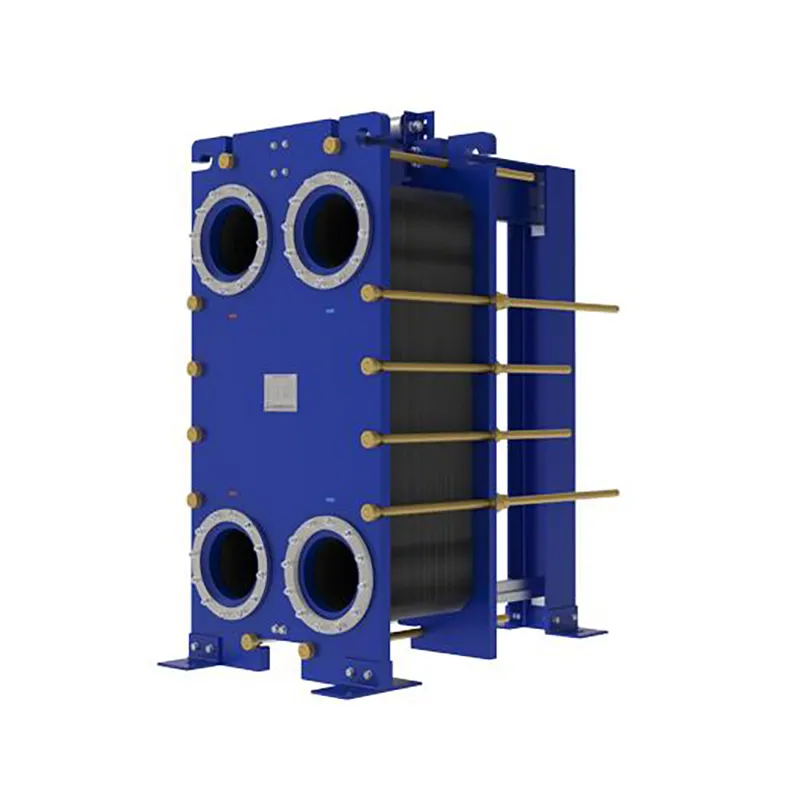
- Gasketed Plate Heat Exchangers — Most common for HVAC, food processing, and chemical duties. Easy to maintain and expand. Compatible with Alfa Laval and GEA gasket patterns.
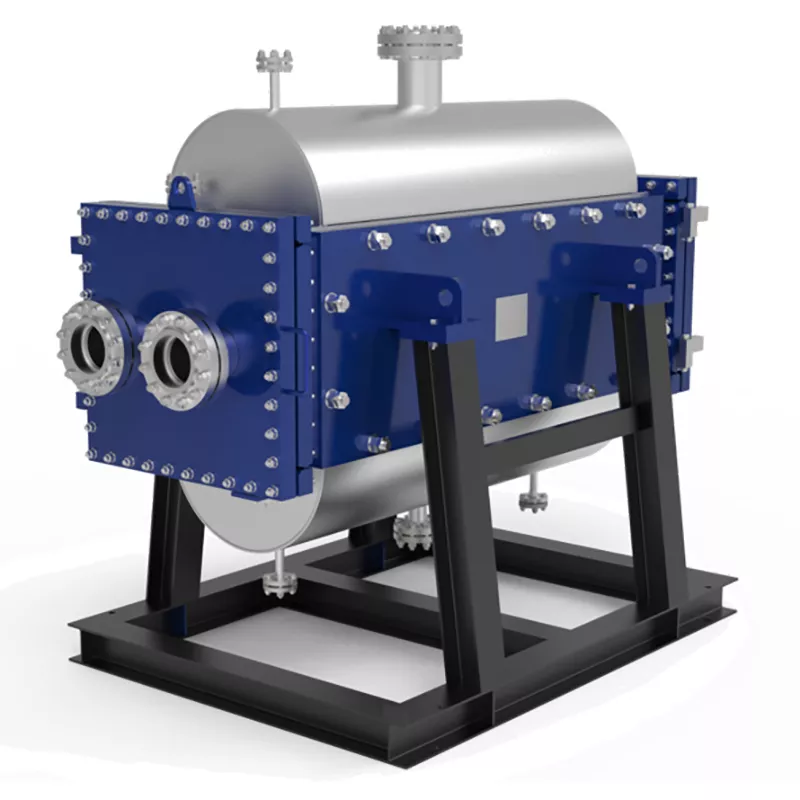
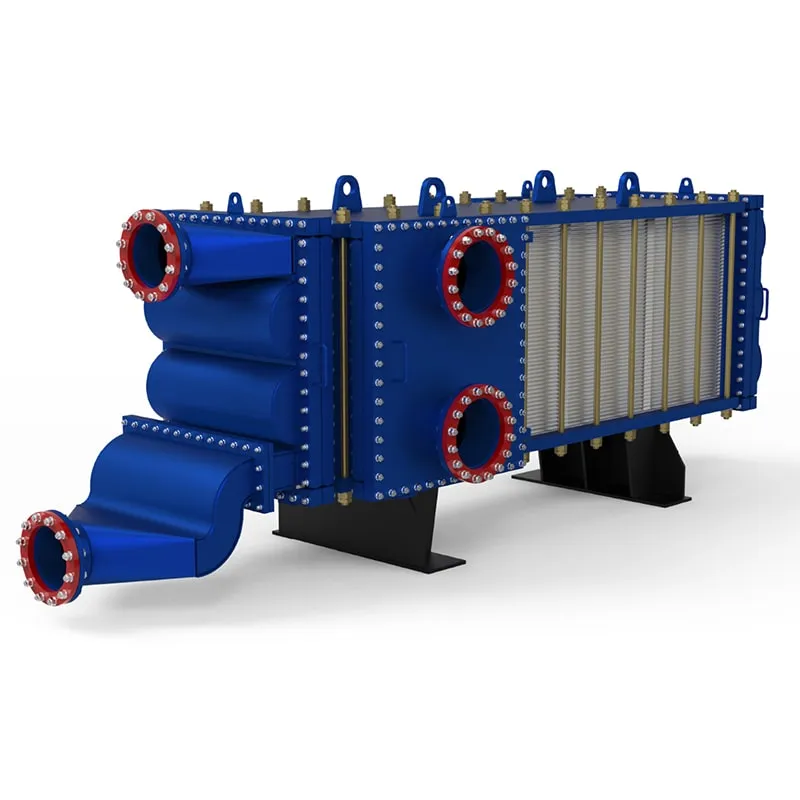
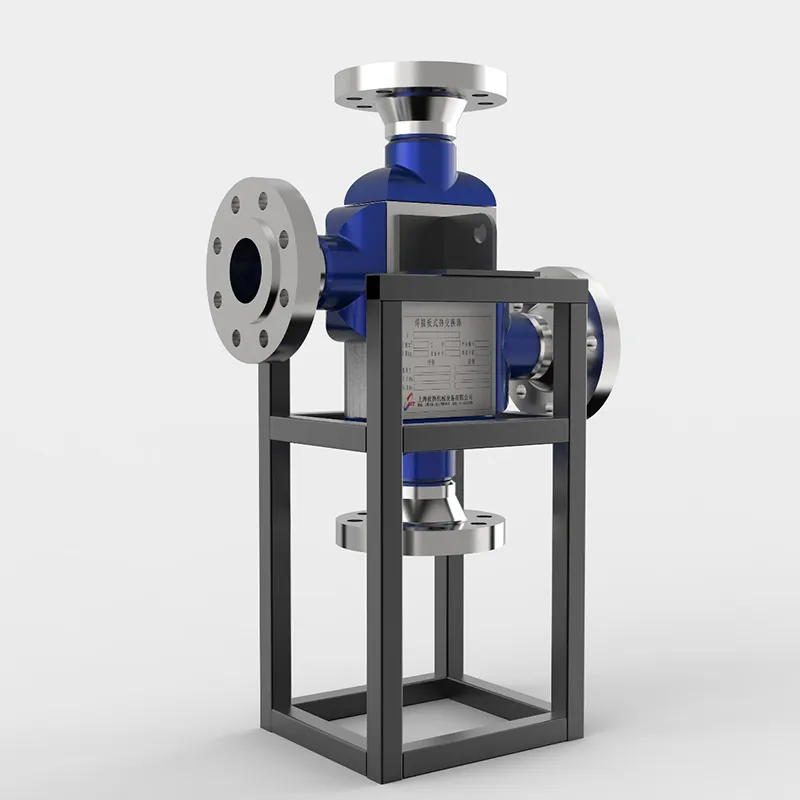
- HT-Bloc / TP Welded Plate Heat Exchangers — Fully welded construction for high-temperature and high-pressure applications. No gaskets, ideal for aggressive media.
- Wide Gap Welded Plate Heat Exchangers — Designed for fluids with fibers, particles, or high viscosity. Wide channel spacing prevents clogging.
- PCHE (Printed Circuit Heat Exchanger) — Compact, high-integrity units for extreme pressures and temperatures, often used in offshore and hydrogen applications.
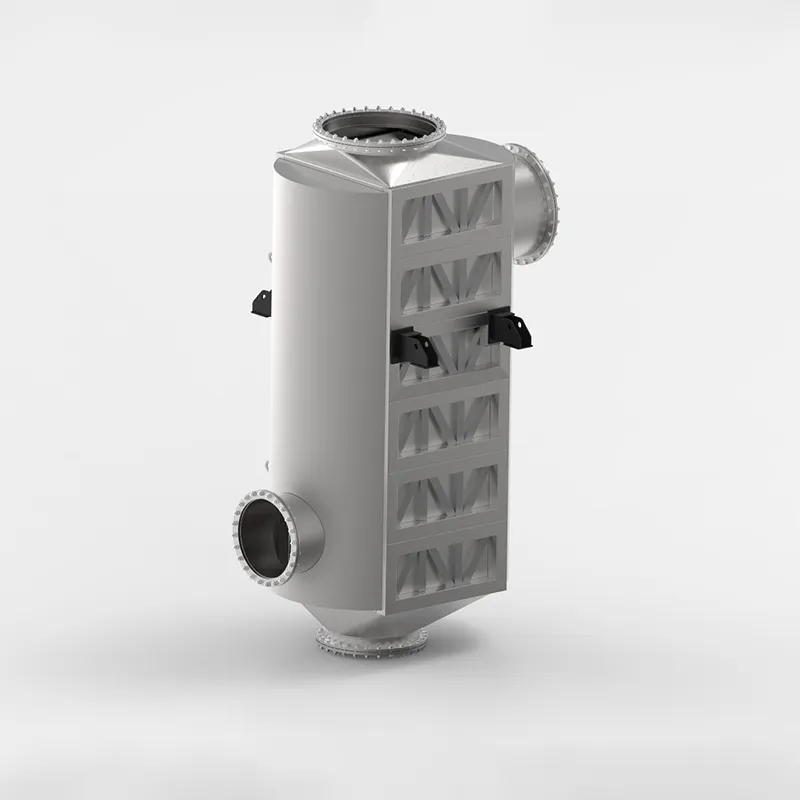
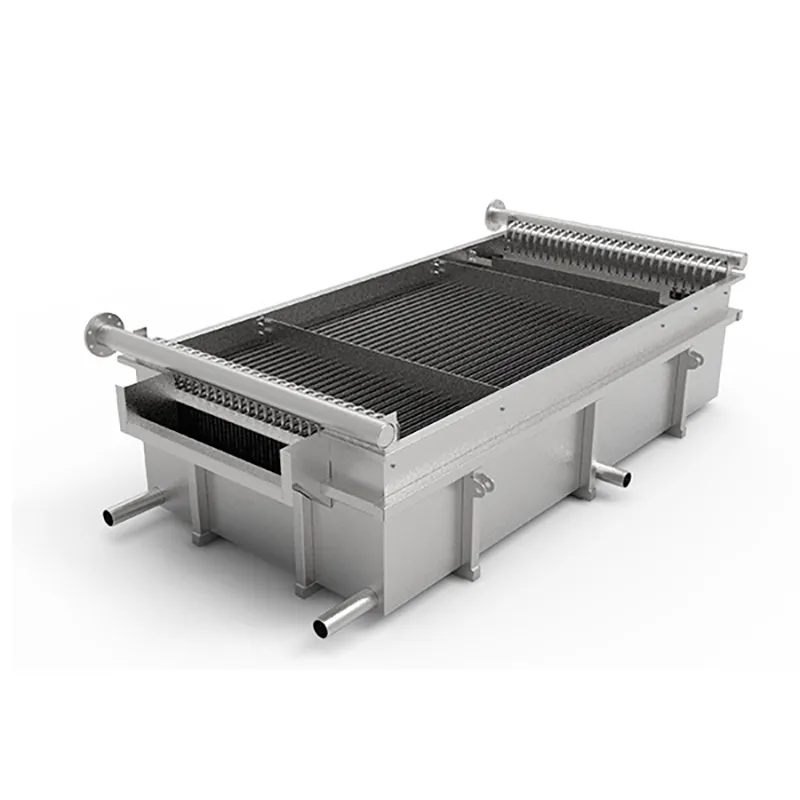
- Plate Air Preheaters — Custom-engineered for waste heat recovery in power plants and industrial furnaces.
- Pillow Plates — Used for tank heating/cooling, often as internal panels or clamp-on jackets.
A manufacturer like SHPHE covers all these lines, allowing you to standardize suppliers and simplify qualification.
How Do You Evaluate Thermal Design Capability?
The best plate heat exchanger manufacturers offer free thermal design and selection as part of their pre-sales service. This is not just a courtesy — it demonstrates their engineering depth. When you provide flow rate, inlet/outlet temperatures, operating pressure, and media properties, a competent manufacturer will run simulations to determine the optimal plate pattern, number of plates, and frame size.
Common parameter ranges for gasketed units include: design pressures up to 30 bar, temperatures from -30°C to 200°C, and flow rates from 1 m³/h to 2000 m³/h. For welded units, pressure ratings can exceed 100 bar and temperatures up to 500°C. Always ask for a detailed thermal datasheet and pressure drop calculations before committing.
What Applications Require Specialized Plate Heat Exchangers?
Standard gasketed units work well for clean fluids, but many processes demand specialized designs. For example, if your media contains solids or fibers, a wide gap welded plate heat exchanger is the right choice. For high-temperature heat recovery in boilers or furnaces, consider a custom-engineered plate air preheater. In cryogenic or high-pressure gas processing, a PCHE offers unmatched compactness and safety.
For tank heating or cooling, custom-engineered pillow plates provide uniform heat transfer and easy retrofit. If you need a fully welded alternative to Compabloc-style units, the HT-Bloc welded plate heat exchanger is a robust solution. Matching the product type to your process conditions is the most important step in selecting a plate heat exchanger manufacturer.
Why SHPHE Stands Out Among Plate Heat Exchanger Manufacturers
SHPHE has been manufacturing plate heat exchangers in Shanghai since 2005. With ISO9001 and ASME U certifications, they supply to industries including chemical, petrochemical, power generation, food & beverage, and HVAC. Their product portfolio covers all major types: gasketed, welded (HT-Bloc, TP, wide gap), PCHE, plate air preheaters, and pillow plates. They also provide free thermal design and selection, helping you avoid oversizing or undersizing.
Unlike many generic suppliers, SHPHE offers compatibility with major brands like Alfa Laval and GEA, making them a strong alternative for replacement or retrofit projects. Their engineering team can customize plate patterns, gasket materials, and frame coatings to match your specific media and environment.
Frequently Asked Questions
What certifications should a reliable plate heat exchanger manufacturer have?
At minimum, look for ISO9001 quality management certification. For high-pressure or critical applications, ASME U stamp is essential. SHPHE holds both, ensuring their designs meet international standards for safety and performance.
How long does it take to get a custom plate heat exchanger?
Lead times vary by complexity. Standard gasketed units typically ship in 4–6 weeks. Custom welded or PCHE units may take 8–12 weeks including design and material procurement. Always confirm lead time during the quotation phase.
Can I use a plate heat exchanger for fluids with particles?
Yes, but you need a wide gap welded plate heat exchanger. Standard gasketed units have narrow channels that clog easily. Wide gap designs offer channel spacing up to 12 mm, suitable for slurries, pulp, and wastewater.
What is the difference between HT-Bloc and TP welded plate heat exchangers?
HT-Bloc units use a fully welded plate pack with a single gasket at the connections, ideal for high temperatures up to 500°C. TP (Twin Plate) welded units have a similar construction but are optimized for higher pressures and more aggressive chemical duties.
Do you offer free thermal design for my application?
Yes, SHPHE provides free thermal design and selection. Simply submit your process parameters — flow rate, temperatures, pressure, and media — and their engineering team will recommend the optimal model and configuration.
Are SHPHE units compatible with Alfa Laval or GEA frames?
Many SHPHE gasketed plate heat exchangers are designed as compatible alternatives to Alfa Laval and GEA products. They use standard port sizes and bolt patterns, making them suitable for direct replacement or expansion of existing installations.
Ready to Select Your Plate Heat Exchanger Manufacturer?
Choosing the right plate heat exchanger manufacturer comes down to technical fit, certification, and service support. SHPHE combines 20 years of manufacturing experience with a full product range and free engineering assistance. To get an accurate quotation, please provide your process details: flow rate, inlet and outlet temperatures, operating pressure, and media type (including any solids or viscosity information). This allows our team to deliver a tailored thermal design and selection at no cost.
Contact SHPHE today to discuss your project requirements and receive a competitive proposal from a trusted plate heat exchanger manufacturer.

 English EN





User Comments
Service Experience Sharing from Real Customers
Tommy
Maintenance SupervisorWe’ve been using a unit from one of the top best plate heat exchanger manufacturers for our dairy pasteurization line, and it’s been a game-changer. The thermal efficiency is noticeably better than our old brazed unit, and cleaning is way easier. No leaks after six months of daily CIP cycles. Solid build quality.
Sandra
HVAC Systems EngineerSpec’d a gasketed plate heat exchanger from a leading manufacturer for a new office building’s chilled water loop. Installation was straightforward, and the pressure drop was right on target. Only reason I’m not giving 5 stars is the gasket replacement instructions could be clearer, but overall a reliable piece of equipment.
Raj
Process EngineerI’ve worked with a lot of plate heat exchangers over the years, and the ones from the best manufacturers really stand out. The titanium plates we ordered for a corrosive chemical application have held up perfectly. Zero corrosion issues, and the thermal performance exceeded our design spec. Worth every penny.
Emma
Facilities ManagerWe replaced an old shell-and-tube with a plate heat exchanger from a top-tier brand for our district heating system. The compact size freed up a ton of floor space, and the heat recovery is noticeably better. Had a small issue with the tightening bolts on delivery, but customer service sorted it out fast. Happy with the purchase.