 English EN


PCHE in Hydrocarbon Processing and Refining: High-Pressure Heat Recovery Solutions
Printed Circuit Heat Exchanger solutions deliver high-pressure heat recovery, efficiency, and reliability for hydrocarbon processing and refining industries.
More
When sourcing thermal equipment for chemical, petrochemical, or food processing plants, the choice of plate heat exchanger manufacturers in China can directly impact your project budget and operational uptime. A poorly designed unit leads to fouling, leakage, and excessive pressure drop. Professional manufacturers combine decades of fabrication experience with rigorous quality standards to deliver units that match or exceed European and American benchmarks.
A plate heat exchanger (PHE) transfers heat between two fluids using a stack of corrugated metal plates. Each plate creates a narrow channel, and the fluids flow in alternating passages. The corrugation pattern induces turbulence even at low velocities, which significantly improves the heat transfer coefficient compared to shell-and-tube designs. Typical thermal performance ranges from 3,000 to 12,000 W/m²·K for water-to-water applications, depending on plate geometry and flow conditions.
In a typical process scenario, a hot stream enters the exchanger at 120°C and exits at 60°C, while a cold stream rises from 25°C to 85°C. The close temperature approach—often as low as 1–2°C—makes plate designs ideal for heat recovery and precise temperature control. Professional plate heat exchanger manufacturers in China use advanced simulation software to optimize plate patterns for your specific viscosity, fouling tendency, and pressure limits.
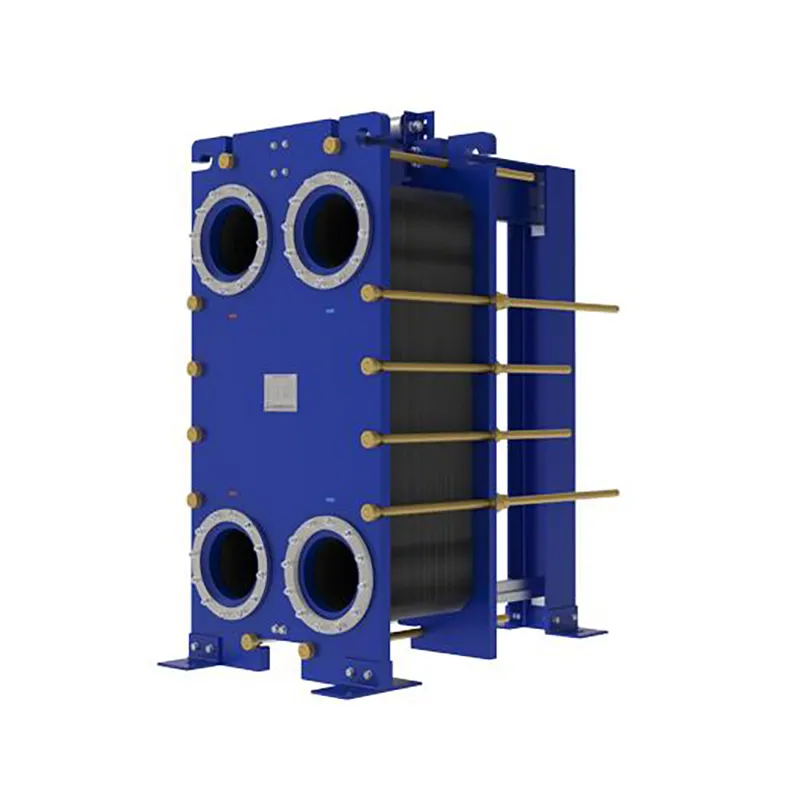
Regardless of the manufacturer, most industrial plate heat exchangers share these characteristics:
When evaluating plate heat exchanger manufacturers in China, always request the certified design pressure, plate material (304/316L, titanium, or Hastelloy), and gasket compound compatibility with your process media.
Different industries require different plate exchanger configurations:
For air preheating in boilers and furnaces, custom-engineered plate air preheaters recover flue gas heat with minimal corrosion risk. SHPHE also supplies pillow plates for tank heating and cooling applications where traditional plate packs are impractical.
SHPHE, founded in Shanghai in 2005, has supplied plate heat exchangers to over 20 countries. Our factory holds ISO9001 and ASME U certifications, ensuring every unit meets international pressure vessel codes. We do not simply copy generic designs—each heat exchanger is thermally sized using proprietary software based on your flow rate, inlet/outlet temperatures, allowable pressure drop, and fluid properties.
Our product portfolio includes:
Every inquiry includes free thermal design and selection—no upfront engineering fees. This service helps you verify that the proposed unit will meet your duty before committing to production. For overseas buyers, this transparency is a key reason to choose professional plate heat exchanger manufacturers in China like SHPHE.
Q: What is the typical lead time for a custom plate heat exchanger from a Chinese manufacturer?
Standard gasketed units ship in 4–6 weeks after design approval. Welded and PCHE models require 8–12 weeks depending on material availability and testing requirements. SHPHE provides a confirmed schedule with each quotation.
Q: Can I use a gasketed plate heat exchanger for steam heating?
Yes, but only with proper condensate drainage and a steam-specific plate pattern. Standard gaskets limit steam temperature to 160°C. For higher temperatures, consider a welded plate heat exchanger or a brazed unit.
Q: How do I know if my fluid requires a wide gap design?
If your process fluid contains fibers, particles larger than 1 mm, or has a viscosity above 500 cP, a wide gap welded plate heat exchanger is recommended. The wider channel reduces clogging and simplifies cleaning.
Q: Are Chinese plate heat exchangers compatible with Alfa Laval or GEA frames?
Many Chinese manufacturers, including SHPHE, produce plates and gaskets that are dimensionally compatible with Alfa Laval M-series and GEA NT-series frames. Always verify port size, plate thickness, and gasket groove geometry before ordering.
Q: What certifications should I look for when importing from China?
Minimum requirements are ISO9001 quality management and a third-party pressure test certificate. For ASME U-stamped vessels, confirm the manufacturer holds a valid ASME certificate. SHPHE provides both ISO9001 and ASME U documentation.
Q: Do you offer thermal design services for free?
Yes. SHPHE provides free thermal design and selection for all inquiries. You only need to supply flow rates, inlet/outlet temperatures, operating pressure, and fluid composition. We return a datasheet with model, area, and pressure drop.
To receive an accurate proposal from professional plate heat exchanger manufacturers in China, please prepare the following operating parameters:
Send these details to SHPHE, and our engineering team will respond with a thermal design, dimensional drawing, and commercial offer within two working days. We help you select the most cost-effective solution without compromising on safety or performance.
We provide you with comprehensive foreign trade solutions to help enterprises achieve global development
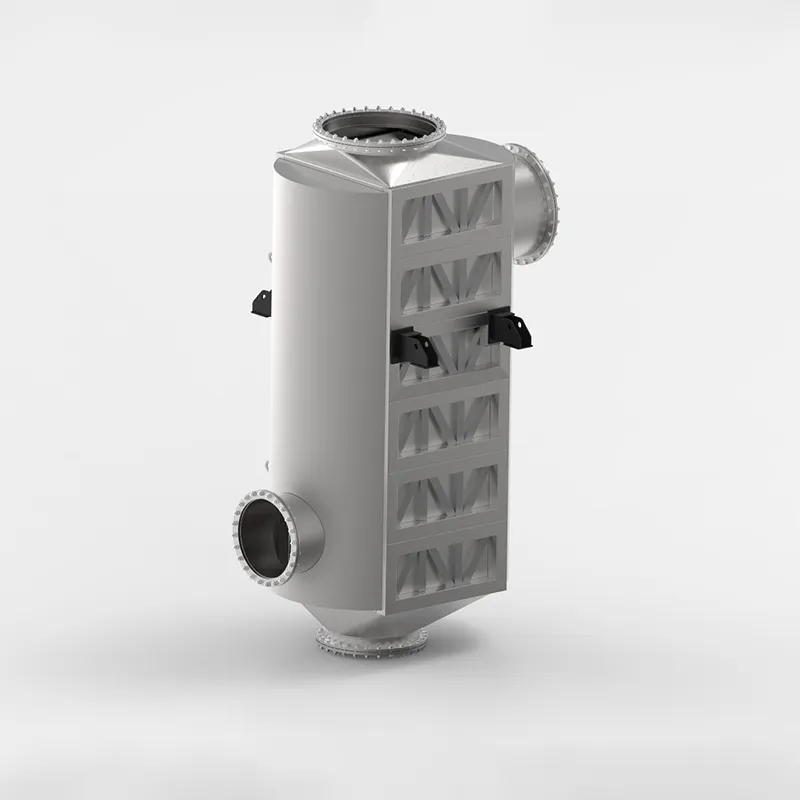
Industrial furnace and boiler exhaust gases carry vast amounts of unutilized thermal energy. The SHPHE custom Plate Air Preheater (PAPH) is target-engineered to intercept this high-temperature flue gas, recovering valuable waste heat and transferring it directly back to incoming combustion air or process gas streams. By substantially elevating the temperature of your flame feed, our custom systems optimize combustion thermodynamics, deliver massive fuel savings, and significantly reduce industrial carbon and emissions footprints. Built to withstand severe flue-gas environments, SHPHE PAPH systems serve as the premier choice for modern, energy-intensive plants prioritizing decarb compliance and maximum thermal efficiency.
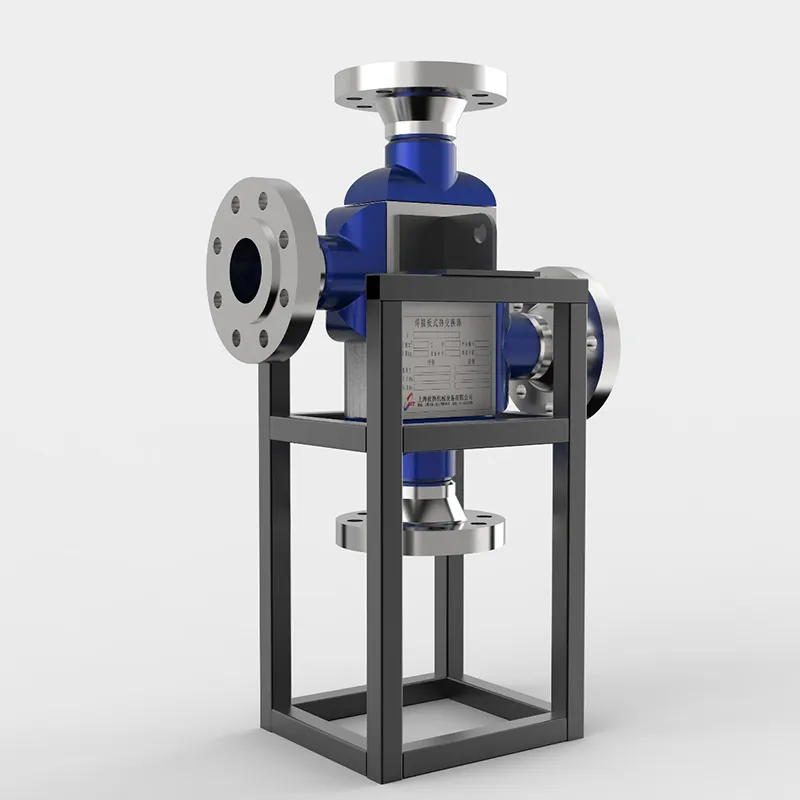
The SHPHE Printed Circuit Heat Exchanger (PCHE) is an advanced diffusion bonded microchannel heat exchanger engineered for demanding high-pressure and high-temperature thermal duties. Compared with conventional shell-and-tube equipment, its chemically etched microchannel structure provides exceptionally high heat-transfer surface density within a compact core. Combined with solid-state diffusion bonding, the design delivers high thermal effectiveness, mechanical integrity, and reliable containment under extreme operating conditions.
Designed as a compact high pressure heat exchanger, the SHPHE PCHE supports critical thermal processes across LNG, natural gas processing, offshore energy systems, supercritical CO₂ power cycles, hydrocarbon processing, and high-pressure hydrogen applications. Its combination of compact size, high pressure capability, low fluid inventory, and efficient heat recovery makes PCHE technology particularly suitable for applications where equipment footprint, weight, safety, and thermal performance are equally important.
Since the invention of the plate heat exchanger (PHE) in 1923, thermal technology has evolved from standard food-grade processing to highly complex industrial operations. At SHPHE, we take this classic, versatile design and transform it into highly bespoke heat transfer solutions tailored to your unique process fluids and thermal loads. While traditional gasketed PHEs offer high efficiency and compact footprints, SHPHE optimizes plate corrugations, metallurgy, and sealing systems to handle your specific chemical, HVAC, or energy recovery parameters. Our custom-engineered gasketed plate heat exchangers provide outstanding scalability and ease of maintenance, serving as an indispensable asset for heavy industries—including oil and gas, metallurgy, and food processing—where uptime, energy recovery, and long-term sustainability are top priorities.
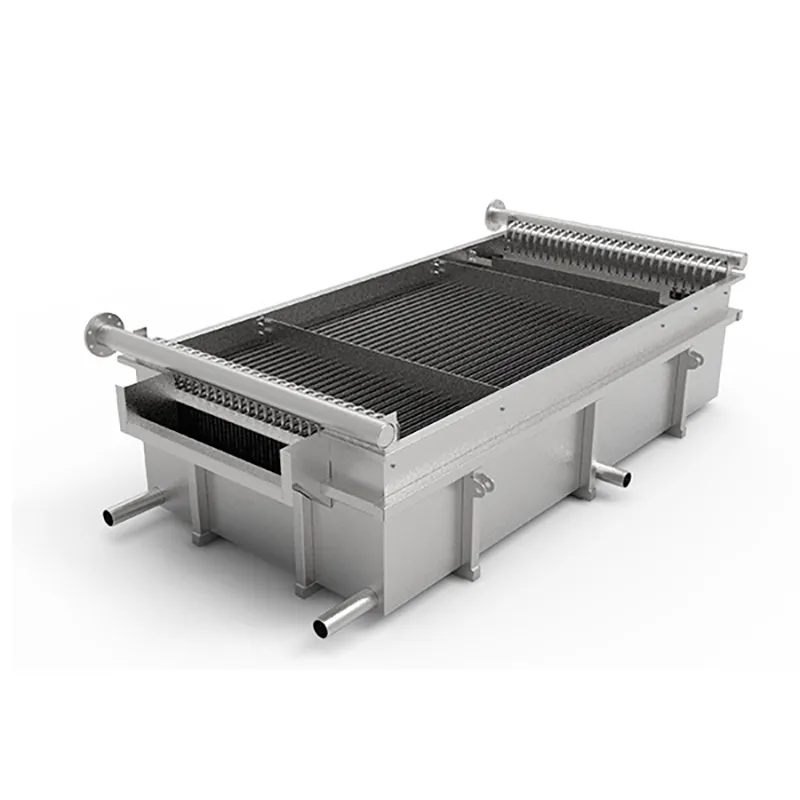
Originated in the mid-20th century to bypass the manufacturing bottlenecks and weight limitations of standard jacketed thermal components, the Pillow Plate (also known as a dimple plate or embossed plate) has revolutionized precision fluid-wall engineering. At SHPHE, we take this highly flexible technology and elevate it into a core foundation for bespoke industrial heat transfer integration. By utilizing state-of-the-art automated CNC fiber laser welding, our engineers customize the mechanical inflation profiles and spot pitch grids to directly match your specific fluid dynamics, pressure limits, and vessel configurations. Today, SHPHE's custom pillow plates are indispensable assets for worldwide processing plants prioritizing advanced thermal performance, zero-leak safety, and hygienic processing—serving as the definitive solution across food, pharmaceutical, chemical, and bulk solids cooling sectors.
Select the most popular foreign trade service products to meet your diverse needs
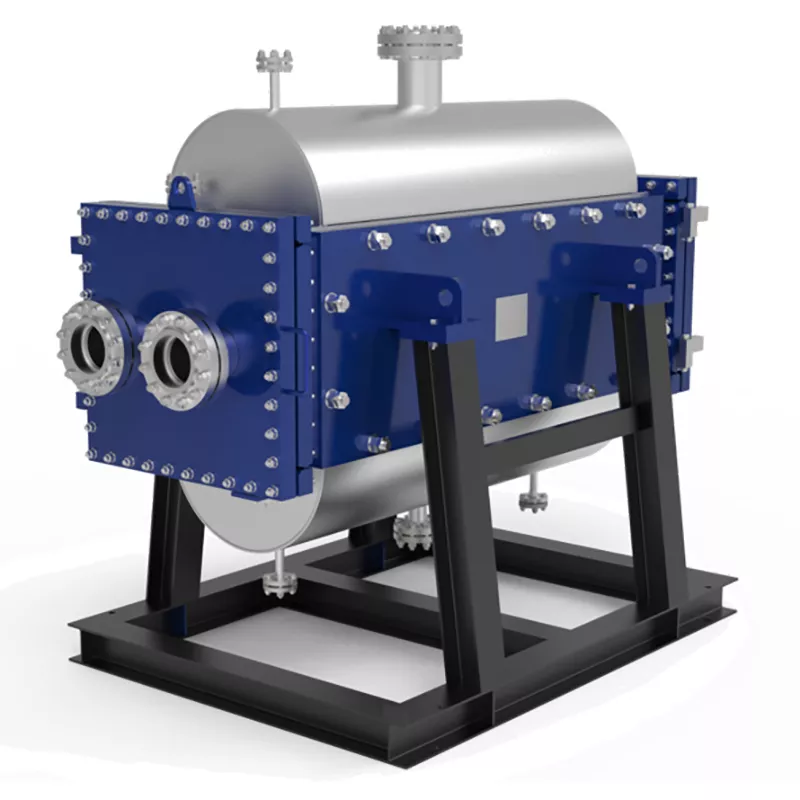
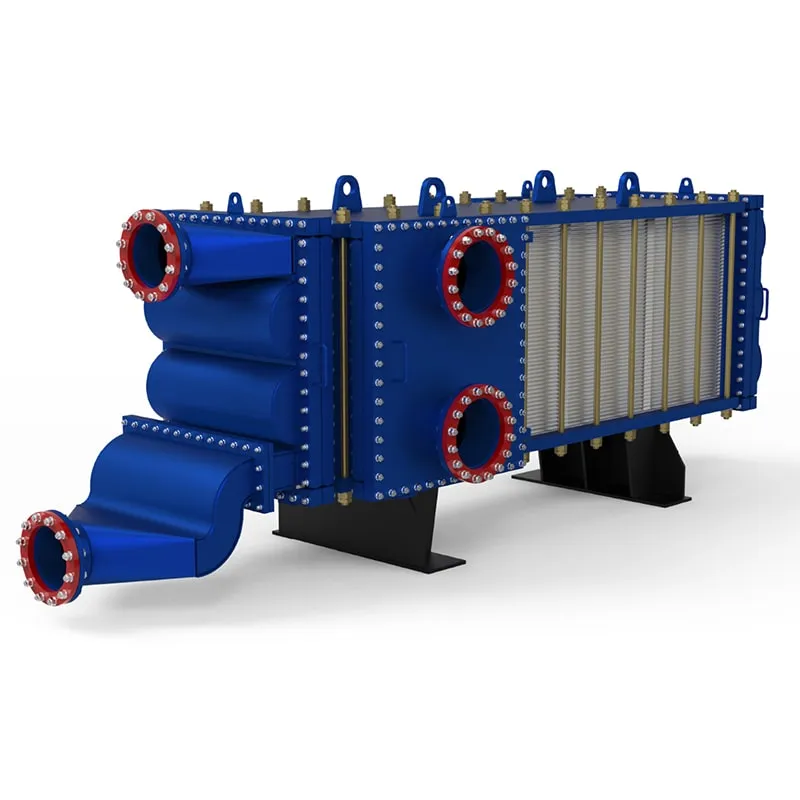
Industrial processes involving particle-laden slurries, high-viscosity syrups, or fiber-rich pulp demand more than standard equipment—they require target-engineered thermal management. At SHPHE, we configure the TP Welded Plate Heat Exchanger to directly conquer your plant's severe fouling, blockage, and erosion threats. Combining custom-tailored channel geometries, wear-resistant metallurgy, and integrated CIP (Cleaning-in-Place) systems, we deliver absolute production continuity where conventional heat exchangers fail.
Originated in the mid-20th century to bypass the manufacturing bottlenecks and weight limitations of standard jacketed thermal components, the Pillow Plate (also known as a dimple plate or embossed plate) has revolutionized precision fluid-wall engineering. At SHPHE, we take this highly flexible technology and elevate it into a core foundation for bespoke industrial heat transfer integration. By utilizing state-of-the-art automated CNC fiber laser welding, our engineers customize the mechanical inflation profiles and spot pitch grids to directly match your specific fluid dynamics, pressure limits, and vessel configurations. Today, SHPHE's custom pillow plates are indispensable assets for worldwide processing plants prioritizing advanced thermal performance, zero-leak safety, and hygienic processing—serving as the definitive solution across food, pharmaceutical, chemical, and bulk solids cooling sectors.
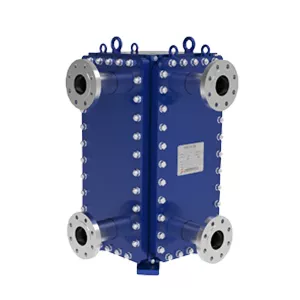
Custom-Engineered for Severe Process Demands. At SHPHE, we don't just supply equipment; we design tailored thermal solutions. Our HT-Bloc welded plate heat exchangers are custom-configured by our experienced engineers to overcome your specific industry challenges—whether handling high-viscosity media, extreme temperatures, or strict space constraints.



User Comments
Service Experience Sharing from Real Customers
Mike Torres
Maintenance SupervisorWe swapped our old gasketed units for a set from a Chinese supplier last quarter, and I gotta say—the fit and finish surprised me. No leaks, easy to pull apart for cleaning. Our production line runs 24/7, so reliability is everything. These guys nailed it.
Liam Chen
Procurement ManagerI was skeptical about going direct to a Chinese manufacturer for plate heat exchangers, but the pricing was too good to ignore. Communication was a bit slow at first, but once we got past the time zone gap, they were pretty responsive. The units arrived well-packed and matched the specs. Would order again.
Sophia Hart
Senior Process EngineerWe needed custom plate counts and specific port sizes for a tricky HVAC retrofit. These guys delivered in three weeks, no drama. The thermal performance is spot on—our energy bills dropped noticeably. Definitely recommend for anyone needing non-standard configurations.
Ethan Park
Plant OperatorOrdered a set for our brewery's wort cooling loop. They work fine—no complaints about heat transfer—but the gasket material had a slight chemical smell for the first few runs. It faded after a week. Not a deal breaker, but something to note if you're sensitive to that sort of thing.