Understanding Plate Heat Exchanger Fouling and Its Impact on System Performance
Plate heat exchanger fouling is a gradual accumulation of unwanted deposits on heat transfer surfaces, which reduces thermal efficiency, increases pressure drop, and drives up energy and maintenance costs. For process engineers and purchasing managers, understanding fouling mechanisms and selecting the right equipment—such as gasketed or welded plate heat exchangers—can significantly extend service intervals and lower total cost of ownership. This article covers common fouling types, performance impacts, design solutions, and practical selection criteria.
What Is Plate Heat Exchanger Fouling?
Fouling refers to the deposition of solids, scale, biological matter, or chemical reaction byproducts onto the plate surfaces of a heat exchanger. Over time, these layers act as an insulating barrier, reducing the overall heat transfer coefficient (U-value) and restricting fluid flow. Common fouling categories include:
- Crystallization fouling – precipitation of dissolved salts (e.g., calcium carbonate) when temperature or concentration exceeds saturation limits.
- Particulate fouling – accumulation of suspended solids like sand, rust, or process debris.
- Biological fouling – growth of microorganisms in cooling water or food processing streams.
- Chemical reaction fouling – polymerization or coking of organic fluids at high temperatures.
- Corrosion fouling – formation of oxide layers from metal degradation.
Each type demands a different mitigation strategy, from material selection to cleaning protocols.
How Does Fouling Affect System Performance?
Even a thin fouling layer can cause measurable performance degradation. Key impacts include:
- Reduced heat transfer efficiency – a 0.5 mm fouling layer can cut U-value by 20–40%, forcing longer run times or higher utility consumption.
- Increased pressure drop – narrowed flow channels raise pumping energy by 15–30%.
- Higher maintenance frequency – unscheduled cleaning or replacement disrupts production schedules.
- Shortened equipment life – localized overheating or corrosion accelerates plate degradation.
For example, in a dairy pasteurization line, protein fouling can reduce thermal performance by 25% within a single shift, requiring daily cleaning. In chemical plants, polymer fouling may necessitate weekly mechanical cleaning.
Which Plate Heat Exchanger Designs Minimize Fouling?
The choice of plate heat exchanger design directly influences fouling tendency. Here are common configurations and their fouling resistance:
| Design Type |
Fouling Resistance |
Typical Application |
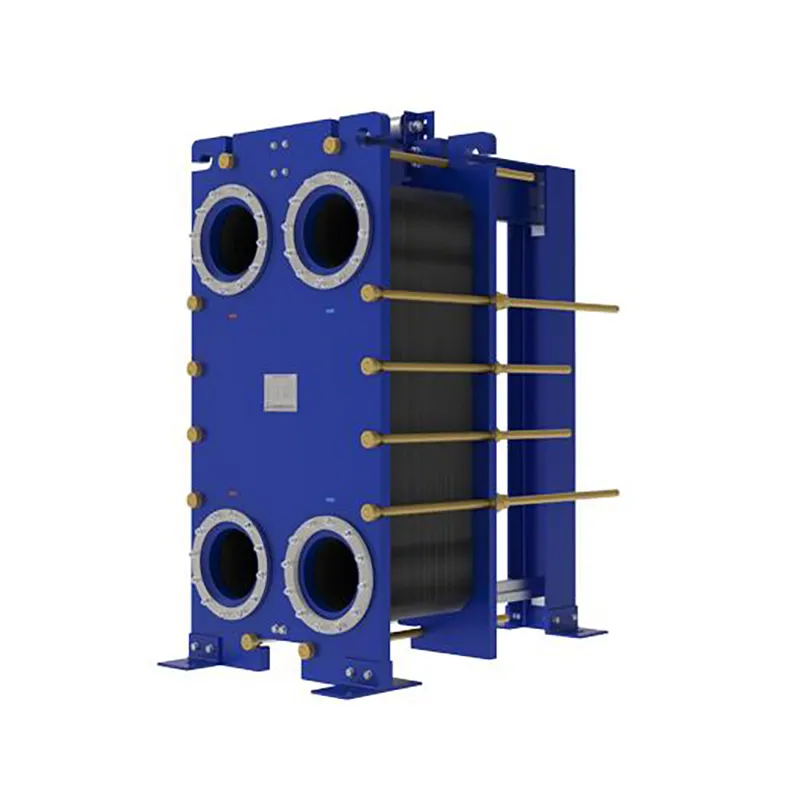
| Gasketed Plate Heat Exchanger |
Moderate – easy to disassemble for cleaning |
HVAC, food processing, general industrial |
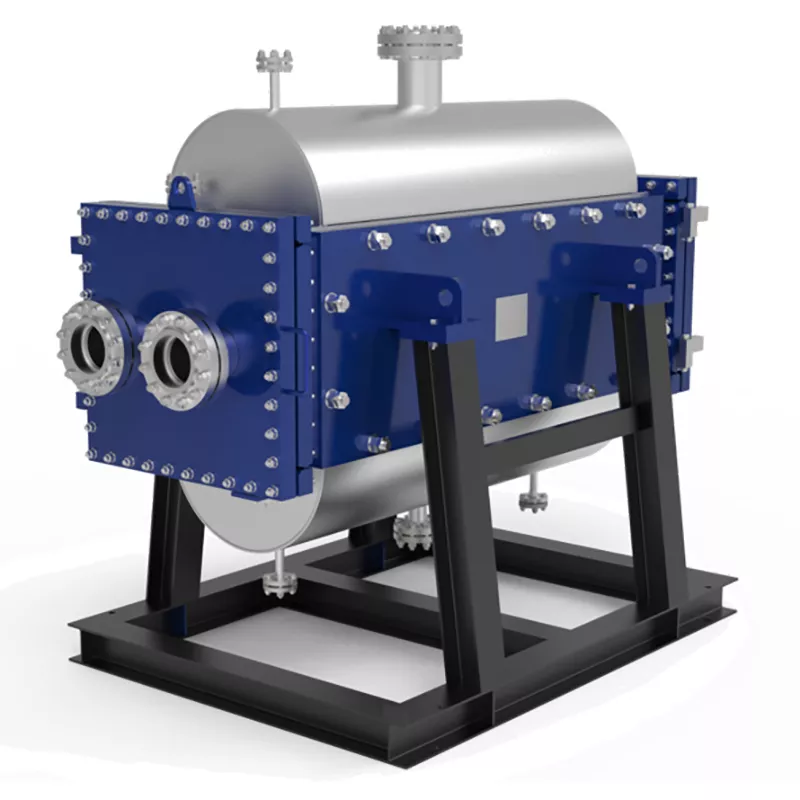
| Wide Gap Welded Plate Heat Exchanger |
High – wide channels handle fibrous or viscous fluids |
Pulp & paper, wastewater, heavy slurries |
| HT-Bloc / TP Welded Plate Heat Exchanger |
Very high – all-welded construction, no gaskets |
High-temperature, high-pressure, aggressive media |
| Printed Circuit Heat Exchanger (PCHE) |
Very high – compact, smooth microchannels |
Oil & gas, cryogenic, offshore |
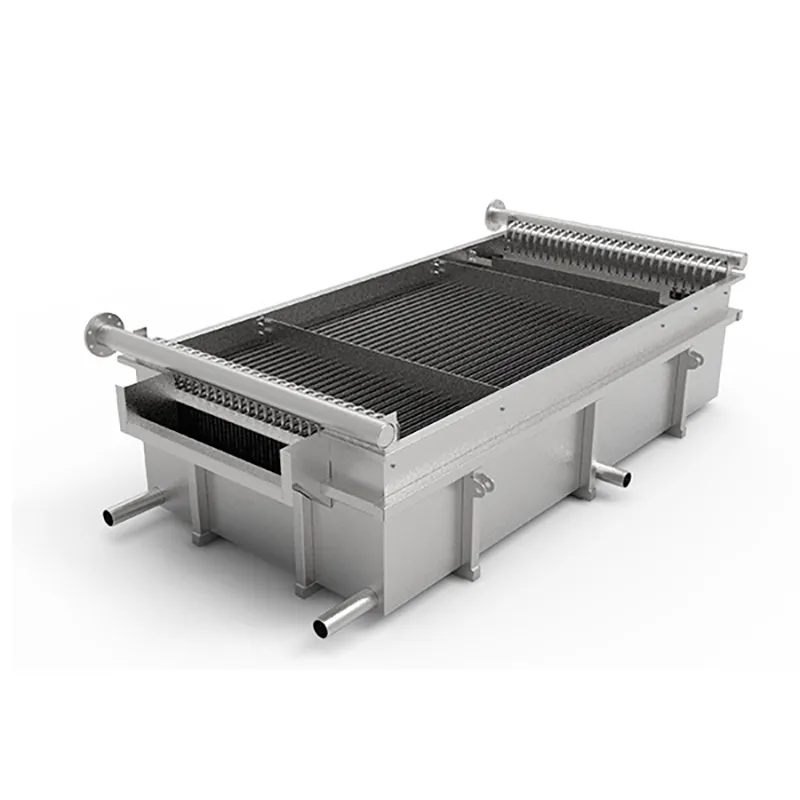
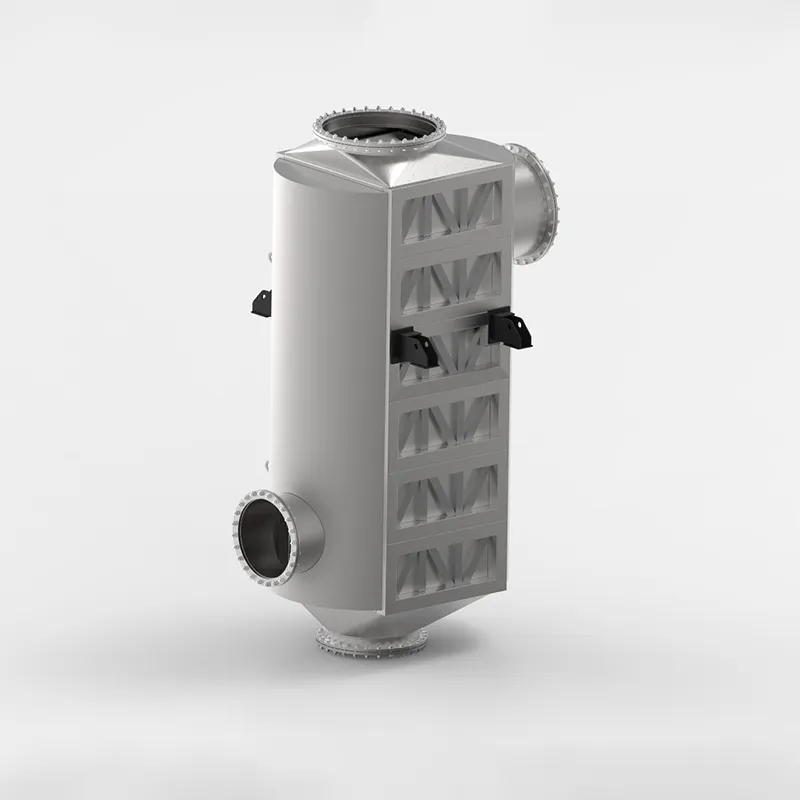
| Plate Air Preheater |
Moderate – designed for gas-side fouling |
Power plants, industrial boilers |
For severe fouling scenarios, wide gap or welded designs are often recommended because they allow larger flow passages and eliminate gasket crevices where deposits accumulate.
How Can You Prevent or Mitigate Plate Heat Exchanger Fouling?
Prevention starts with proper system design and operation. Practical measures include:
- Select compatible materials – use stainless steel 316L or titanium for corrosive or scaling fluids.
- Control fluid velocity – maintain 0.5–2.0 m/s to reduce deposition while avoiding erosion.
- Install upstream filtration – remove particles larger than 0.5 mm before the heat exchanger.
- Apply anti-fouling coatings – PTFE or epoxy coatings reduce adhesion on plate surfaces.
- Schedule regular cleaning – CIP (clean-in-place) cycles with appropriate chemicals (e.g., nitric acid for scale, caustic for organics).
In many cases, switching from a gasketed design to a wide gap welded plate heat exchanger can reduce cleaning frequency by 50% or more for fibrous or high-solids streams.
What Are Typical Parameter Ranges for Fouling-Resistant Plate Heat Exchangers?
Industry-standard design parameters for plate heat exchangers in fouling-prone applications include:
| Parameter |
Typical Range |
| Operating temperature |
-40°C to 250°C (gasketed); up to 600°C (welded) |
| Operating pressure |
Up to 30 bar (gasketed); up to 100 bar (welded/PCHE) |
| Plate gap |
2–5 mm (standard); 5–15 mm (wide gap) |
| Heat transfer coefficient |
3,000–7,000 W/m²·K (clean); drops 20–50% with fouling |
| Fouling factor (design allowance) |
0.00005–0.0005 m²·K/W (depending on fluid) |
These values are commonly accepted across the industry and should be verified with the manufacturer for specific process conditions.
Why Choose SHPHE for Fouling-Prone Applications?
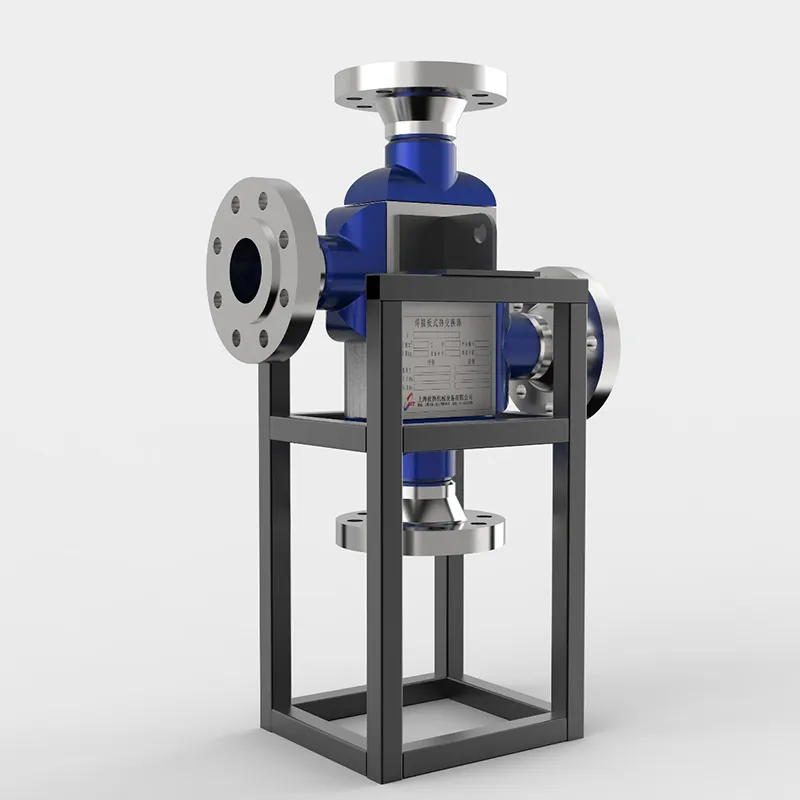
SHPHE, a Shanghai-based manufacturer founded in 2005, specializes in plate heat exchangers designed to handle challenging fouling conditions. With ISO9001 and ASME U certifications, the company exports to over 20 countries and offers a full range of products including gasketed plate heat exchangers, HT-Bloc and TP welded units, wide gap designs, PCHE, plate air preheaters, and pillow plates. Their free thermal design and selection service helps engineers specify the optimal configuration—whether you need a standard unit or a custom-engineered solution for extreme fouling. For example, their HT-Bloc welded plate heat exchanger is widely used in chemical processes where gasketed units would fail due to high temperature or aggressive media.
Frequently Asked Questions About Plate Heat Exchanger Fouling
Q1: How often should I clean a plate heat exchanger to prevent fouling?
Cleaning frequency depends on fluid type and operating conditions. For clean water systems, cleaning every 6–12 months is typical. For dairy or chemical processes with high fouling potential, weekly or even daily CIP may be needed. Monitoring pressure drop and temperature approach is the best way to schedule cleaning.
Q2: Can I retrofit a gasketed plate heat exchanger with wider plates to reduce fouling?
Yes, many manufacturers offer wide gap or deep corrugation plates that fit existing frames. This modification increases channel spacing, allowing larger particles to pass through without depositing. SHPHE provides retrofit plate sets compatible with major brands like Alfa Laval and GEA.
Q3: What is the best material for plate heat exchangers in fouling environments?
Stainless steel 316L is the most common choice for general fouling resistance. For highly corrosive or scaling fluids, titanium or Hastelloy alloys provide superior performance. SHPHE can supply plates in these materials for both new units and replacement applications.
Q4: How does fouling affect the pressure drop in a plate heat exchanger?
Fouling narrows the flow channels, increasing fluid velocity and friction. A 10% reduction in channel cross-section can raise pressure drop by 20–30%. This leads to higher pumping costs and may require system redesign if not accounted for during selection.
Q5: Are welded plate heat exchangers completely immune to fouling?
No, welded units still experience fouling, but they offer better resistance because they have no gaskets or crevices where deposits can accumulate. They also withstand higher temperatures and pressures, making chemical cleaning more effective. For extreme fouling, wide gap welded designs are recommended.
Q6: Can I use a plate air preheater for fouling-prone gas streams?
Yes, plate air preheaters are designed for gas-to-gas heat recovery and can handle moderate fouling from flue gas or combustion air. SHPHE offers custom-engineered plate air preheaters with wide spacing and easy-access cleaning ports for such applications.
Request a Quote for Your Plate Heat Exchanger Needs
To ensure optimal performance and minimize plate heat exchanger fouling in your system, provide the following details when requesting a quotation:
- Flow rate (m³/h or GPM) for both hot and cold sides
- Inlet and outlet temperatures (°C or °F)
- Operating pressure (bar or psi)
- Fluid media and composition (including potential fouling agents)
- Preferred material and connection type
SHPHE offers free thermal design and selection services to help you choose the right plate heat exchanger—whether gasketed, welded, wide gap, or PCHE—for your specific fouling challenges. Contact our engineering team today for a customized solution.

 English EN





User Comments
Service Experience Sharing from Real Customers
Liam
Maintenance SupervisorWe've been battling fouling in our plate heat exchangers for years. Switched to a different gasket material and adjusted the cleaning cycle based on some tips from this forum. Not a miracle cure, but the downtime between cleanings has definitely stretched. Worth the trial and error.
Maria
Process EngineerHonestly, fouling was the bane of my existence until I started logging the pressure drop data religiously. Caught a scaling issue early last month before it baked on. Saved us a two-day shutdown. If you're in dairy, watch your calcium levels like a hawk.
Ethan
Plant OperatorNot gonna lie, the fouling on our unit is still a headache. We tried a new anti-foulant coating on the plates last quarter. It helped a bit with the organic gunk but didn't do much for the hard water scale. Guess you can't fix everything with a spray can. Still searching for a better solution.
Sophie
Utilities ManagerAfter a full year of tracking our plate heat exchanger performance, the biggest win was switching to a reverse-flow cleaning protocol during CIP. The fouling layer used to be rock solid in the dead zones. Now it flushes out way easier. My team is happy, and the energy bills are down. Highly recommend rethinking your cleaning approach before blaming the hardware.