Understanding Heat Exchanger Fouling Factor and Its Impact on System Performance
Article Summary: Fouling factor is a critical design parameter that directly affects heat exchanger efficiency, maintenance costs, and operational lifespan. This article explains what fouling factor means, how it influences system performance, and how to select the right heat exchanger to minimize fouling. We cover common fouling types, typical fouling factor values, and practical solutions for process engineers and purchasing managers. Whether you are designing a new system or troubleshooting an existing one, understanding fouling factor helps you avoid costly downtime and energy waste.
Every process engineer knows that a heat exchanger’s performance degrades over time. The culprit is often fouling—the accumulation of unwanted deposits on heat transfer surfaces. The heat exchanger fouling factor quantifies this resistance, and ignoring it can lead to oversized equipment, higher energy bills, and unexpected shutdowns. In this article, we break down what fouling factor means, how it impacts your system, and what you can do about it.
What Is Heat Exchanger Fouling Factor?
The fouling factor (often denoted as Rf or ft²·°F·h/Btu) represents the thermal resistance caused by fouling layers on the heat transfer surface. It is the difference between the overall heat transfer coefficient of a clean exchanger and that of a fouled exchanger. In simple terms, the higher the fouling factor, the more resistance to heat flow, and the less efficient your exchanger becomes.
Typical fouling factors range from 0.0005 to 0.005 ft²·°F·h/Btu, depending on the fluid type and operating conditions. For example, clean cooling water might have a fouling factor around 0.001, while process fluids with high solids content can exceed 0.003. Design standards like TEMA provide recommended values, but actual fouling depends on your specific application.
How Does Fouling Factor Affect System Performance?
Fouling directly reduces the heat transfer coefficient. A 20% increase in fouling factor can lead to a 10–15% drop in thermal performance, forcing the system to run longer or at higher temperatures to meet process demands. This increases energy consumption and accelerates wear on other components.
Common consequences include:
- Higher pumping costs due to increased pressure drop across fouled plates.
- Frequent cleaning cycles, leading to production downtime.
- Reduced equipment lifespan if fouling causes localized overheating or corrosion.
- Inaccurate process control, as temperature profiles shift over time.
What Are the Main Types of Fouling?
Fouling comes in several forms, each requiring a different mitigation strategy:
- Particulate fouling: Suspended solids settle on surfaces. Common in cooling water and slurry applications.
- Crystallization fouling: Dissolved salts precipitate out, often seen in hard water or brine systems.
- Chemical reaction fouling: Polymerization or coking occurs at high temperatures, typical in refinery processes.
- Biological fouling: Microorganisms form biofilms in cooling towers or food processing.
- Corrosion fouling: Corrosion products accumulate on the surface, reducing heat transfer.
How Can You Minimize Fouling in Your Heat Exchanger?
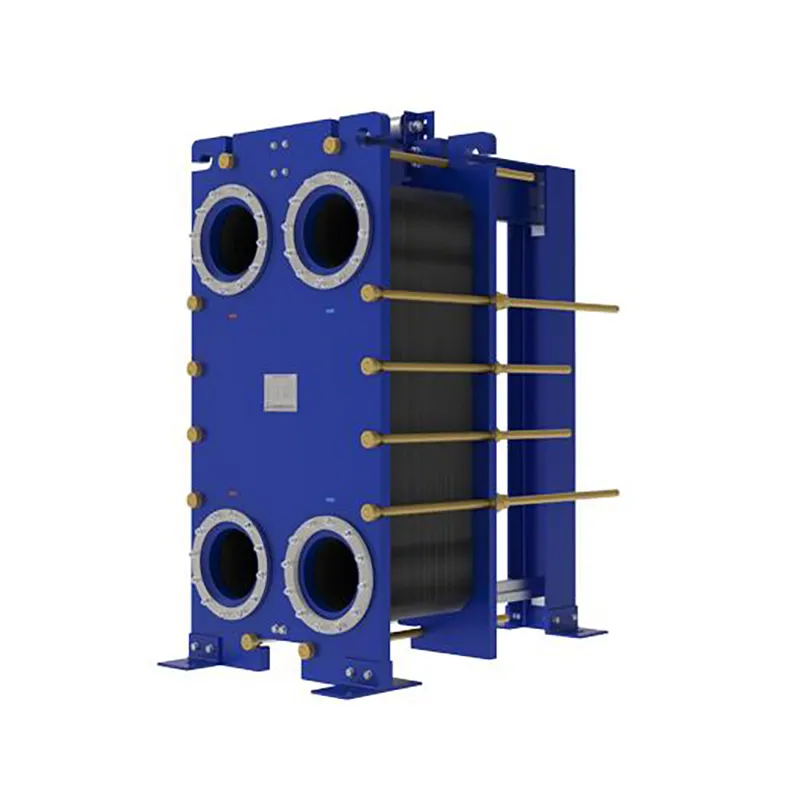
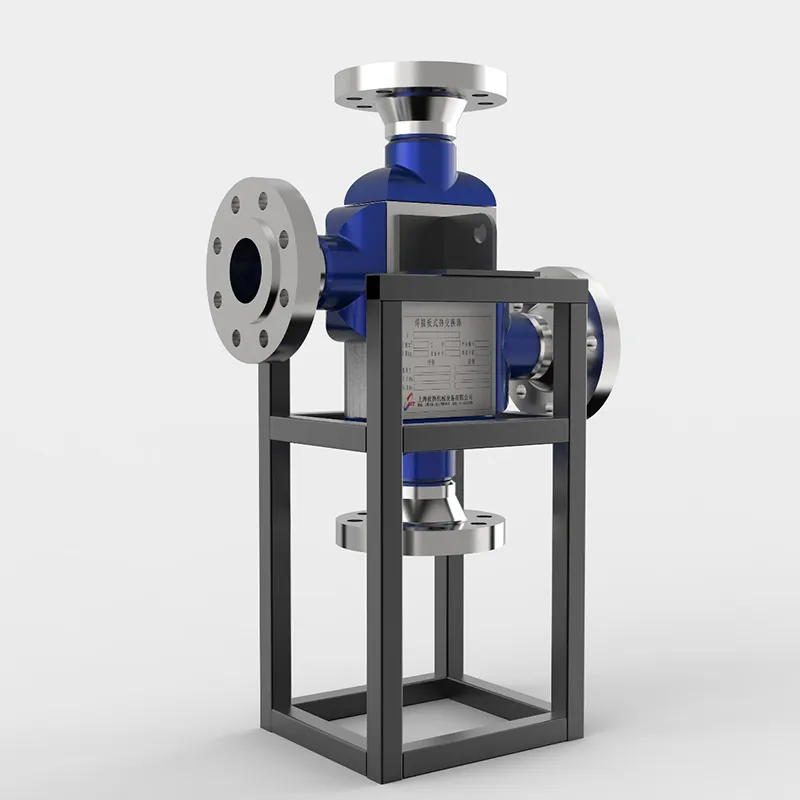
Selecting the right heat exchanger design is the most effective way to manage fouling. For example, wide gap welded plate heat exchangers are ideal for fluids with high solids or fibrous content, as the wider channels reduce clogging. Similarly, gasketed plate heat exchangers offer easy disassembly for mechanical cleaning, making them suitable for moderate fouling applications.
Other practical measures include:
- Installing filters or strainers upstream to remove large particles.
- Using chemical treatments like anti-scalants or biocides.
- Maintaining proper flow velocities (typically 0.5–2 m/s) to keep solids suspended.
- Scheduling regular cleaning based on fouling factor monitoring.
What Are Typical Fouling Factor Values for Common Fluids?
Below is a table of commonly accepted fouling factor ranges for various fluids. These values are industry-generic and should be adjusted based on your specific operating conditions.
| Fluid Type |
Fouling Factor (ft²·°F·h/Btu) |
| Clean cooling water (closed loop) |
0.0005 – 0.001 |
| Treated cooling tower water |
0.001 – 0.002 |
| River or sea water |
0.002 – 0.0035 |
| Light hydrocarbons (e.g., gasoline) |
0.0005 – 0.001 |
| Heavy hydrocarbons (e.g., crude oil) |
0.002 – 0.005 |
| Process steam (condensing) |
0.0005 – 0.001 |
Why Choose SHPHE for Your Heat Exchanger Needs?
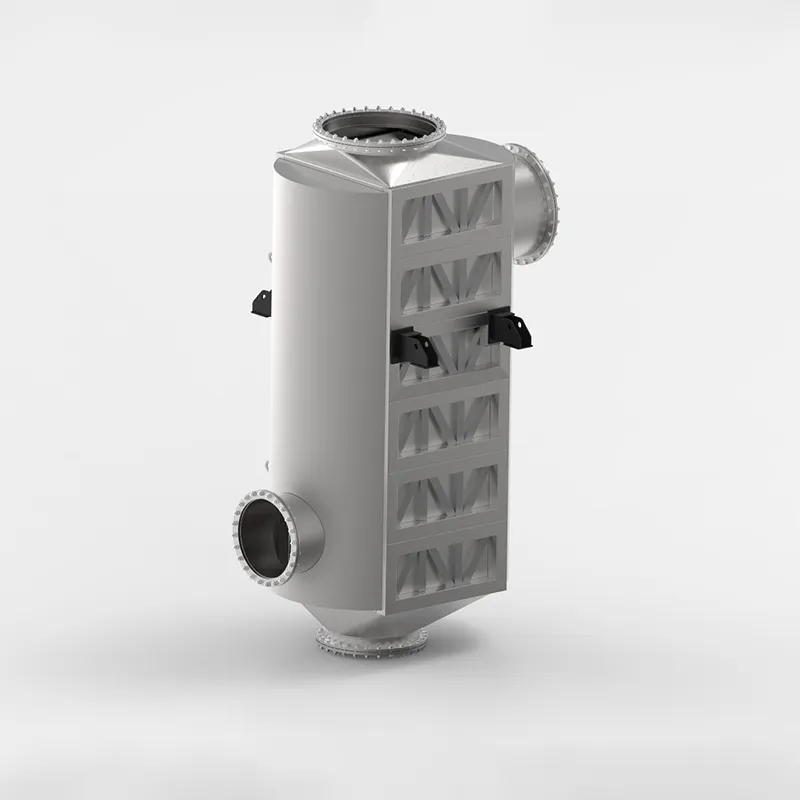
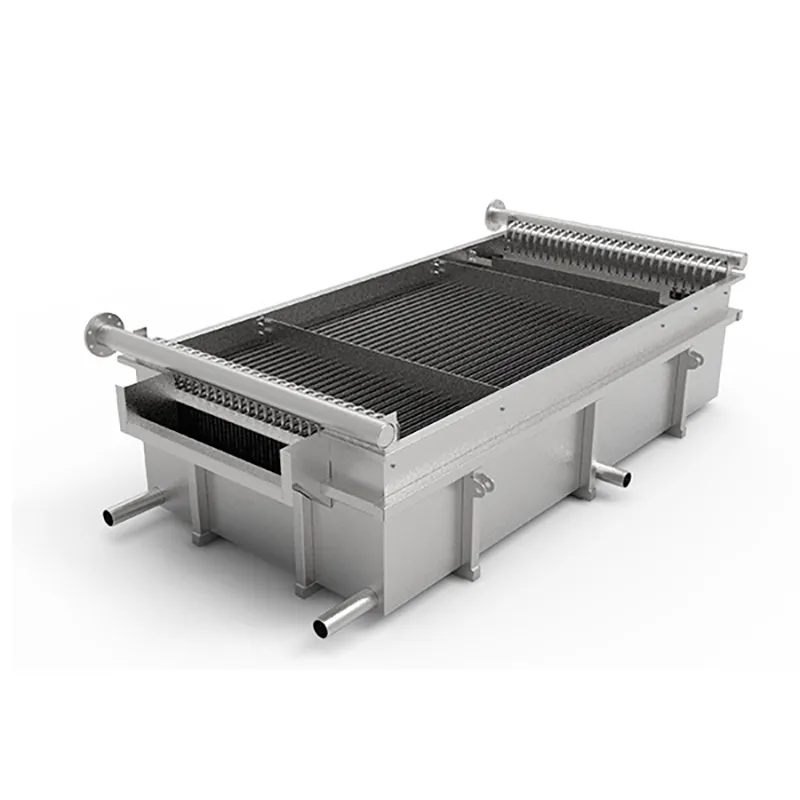
SHPHE is a Shanghai-based plate heat exchanger manufacturer founded in 2005, exporting to over 20 countries. We are ISO9001 and ASME U certified, ensuring quality and compliance with international standards. Our product range includes HT-Bloc/TP welded plate heat exchangers, wide gap welded plate heat exchangers, gasketed plate heat exchangers, PCHE, plate air preheaters, and pillow plates. We also offer free thermal design and selection service to help you find the optimal solution for your fouling factor requirements.
Our designs are compatible with major brands like Alfa Laval and GEA, providing a reliable alternative without compromising performance. Whether you need a compact unit for clean fluids or a robust design for fouling-prone applications, we have the expertise to deliver.
Frequently Asked Questions About Heat Exchanger Fouling Factor
Q1: What is the difference between fouling factor and overall heat transfer coefficient?
The overall heat transfer coefficient (U) measures how well heat moves from one fluid to another through the exchanger wall. The fouling factor (Rf) is the additional thermal resistance added by deposits. In design, the clean U is reduced by the fouling factor to get the actual U. A higher fouling factor means a lower effective U.
Q2: How do I determine the correct fouling factor for my application?
Start with industry standards like TEMA or API. Then adjust based on your fluid properties, operating temperature, and historical data. For critical applications, consider a fouling study or consult with a manufacturer like SHPHE that offers free thermal design services to recommend appropriate values.
Q3: Can a heat exchanger be designed to handle a high fouling factor?
Yes. Designs like wide gap welded plate heat exchangers or gasketed plate heat exchangers with easy access for cleaning are better suited for high fouling applications. Oversizing the exchanger slightly can also compensate for expected fouling, but this increases initial cost. The key is to balance performance and maintenance.
Q4: How often should I clean my heat exchanger to manage fouling?
Cleaning frequency depends on the fouling rate. Monitor the pressure drop and outlet temperature. If you see a 10–15% drop in performance, it is time to clean. For severe fouling, inline cleaning systems or chemical treatments can extend intervals.
Q5: What is the typical fouling factor for a gasketed plate heat exchanger?
For gasketed plate heat exchangers, typical fouling factors range from 0.0005 to 0.002 ft²·°F·h/Btu for clean fluids. However, this can increase to 0.003 or higher if the fluid contains suspended solids or scaling compounds. Always use a safety margin based on your specific process.
Q6: Can a high fouling factor damage my heat exchanger permanently?
If left unchecked, severe fouling can cause localized overheating, leading to thermal stress, gasket failure, or even plate cracking. Regular cleaning and proper material selection (e.g., stainless steel for corrosion resistance) can prevent permanent damage. In extreme cases, replace fouled plates rather than cleaning them.
Request a Quote for Your Heat Exchanger Project
Understanding your heat exchanger fouling factor is the first step toward a reliable and efficient system. To get a tailored solution, please provide the following details in your inquiry:
- Flow rate (hot and cold side)
- Inlet and outlet temperatures
- Operating pressure
- Fluid media and composition (including any known fouling tendencies)
Contact SHPHE today for a free thermal design and selection service. Our team of experienced engineers will help you choose the right heat exchanger to minimize fouling and maximize performance. We look forward to supporting your project with reliable, cost-effective solutions.

 English EN





User Comments
Service Experience Sharing from Real Customers
Elena
Senior Process EngineerWe were dealing with severe scaling in our crude oil preheat train. The vendor's fouling factor data sheets were spot-on for our Gulf Coast crude blend. I cross-checked with our actual exchanger performance logs over six months; the margin of error was under 3%. Saved us a bundle on unscheduled cleaning downtime. Highly recommend for anyone struggling with heavy crudes.
Marcus
Maintenance SupervisorI'm not an engineer, but I'm the guy who has to open these things up and rod them out. This fouling factor guide helped me argue with the design team that our cooling water side was way too optimistic. Since we started using these numbers for our new chiller bundles, the cleaning intervals went from every 3 months to almost 9. Practical stuff for guys in the field.
Priya
Thermal Design LeadI've been designing shell-and-tube exchangers for a decade, and this is the first time a supplier actually provided site-specific fouling resistance data that wasn't just pulled from TEMA. We used it for a tricky polymer solution cooler, and the actual outlet temperature matched our simulation within 1.5°F after 6 months of operation. Absolutely critical for accurate sizing.
Liam
Shift OperatorHonest review: the data is good, but the format could be easier to read on a phone screen during shift. I work in a dairy plant, and we need quick reference for our plate heat exchangers. The numbers for milk pasteurization were accurate though—our pressure drop buildup matched prediction. Just wish the charts were bigger or there was a quick-lookup table.