What Are The Different Types of Plate Heat Exchangers
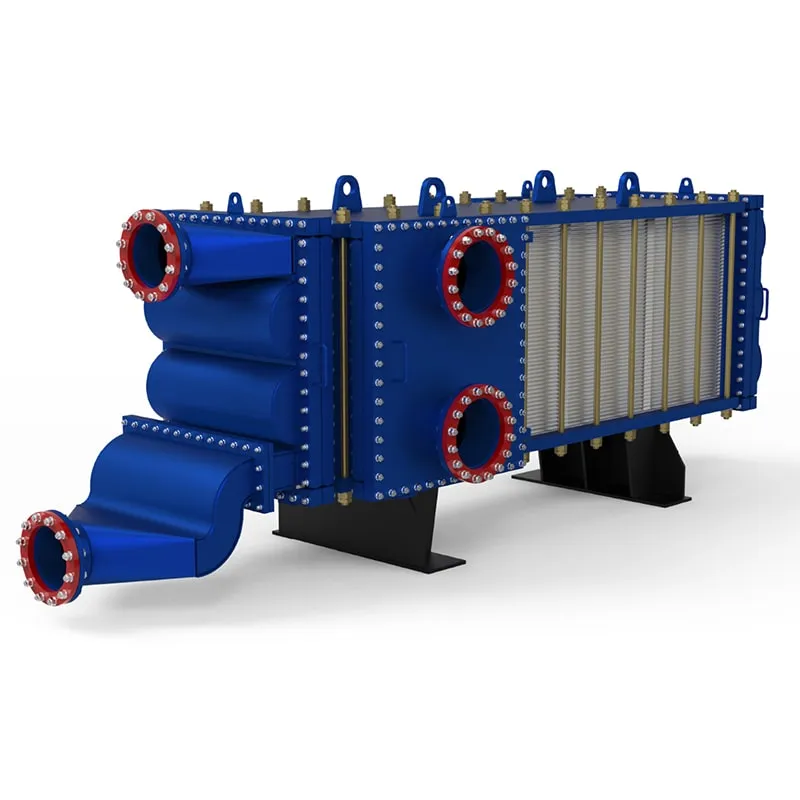
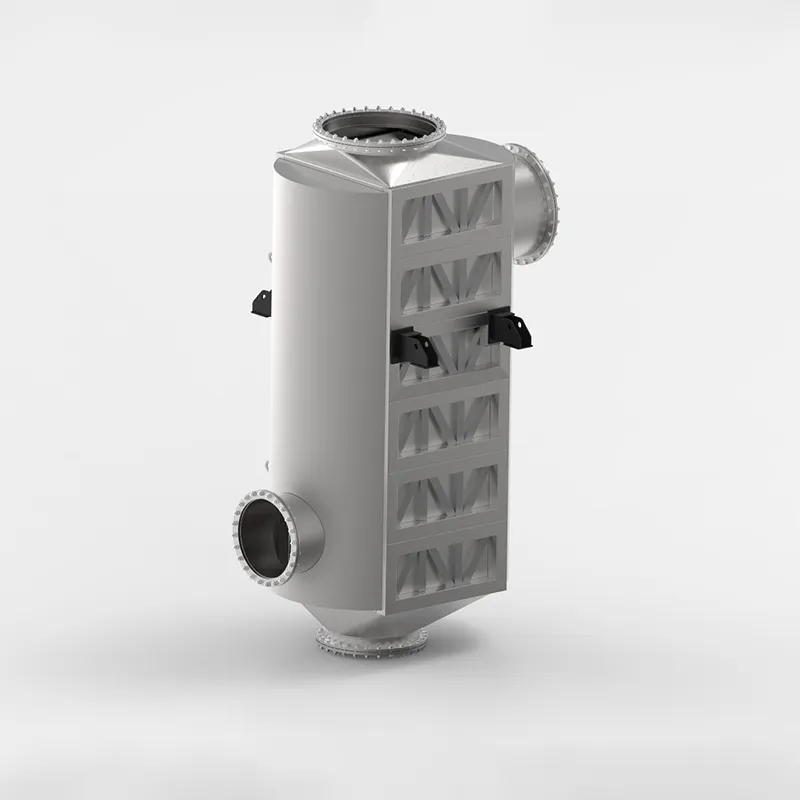
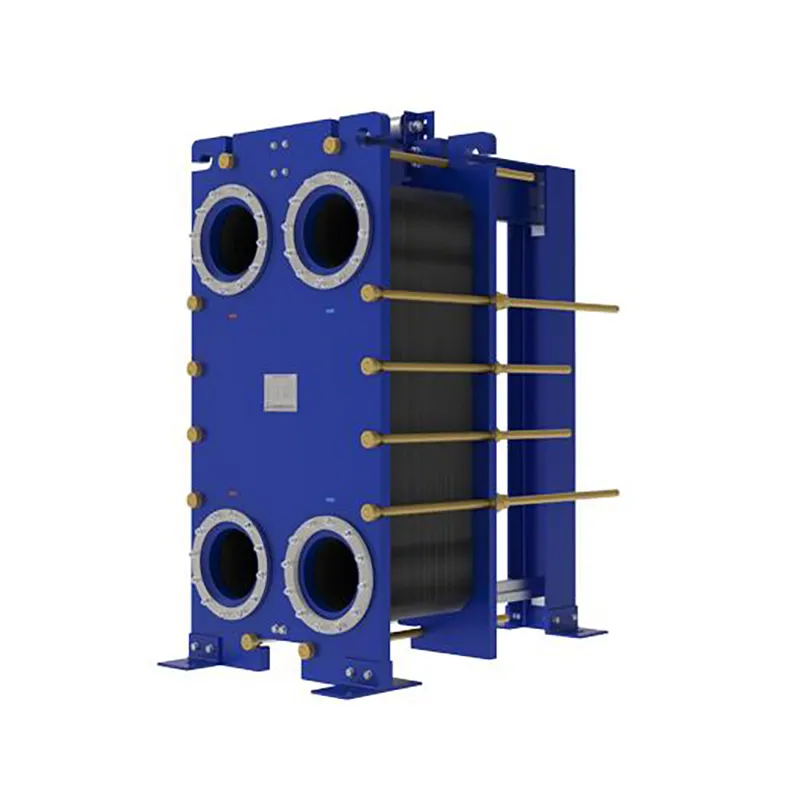
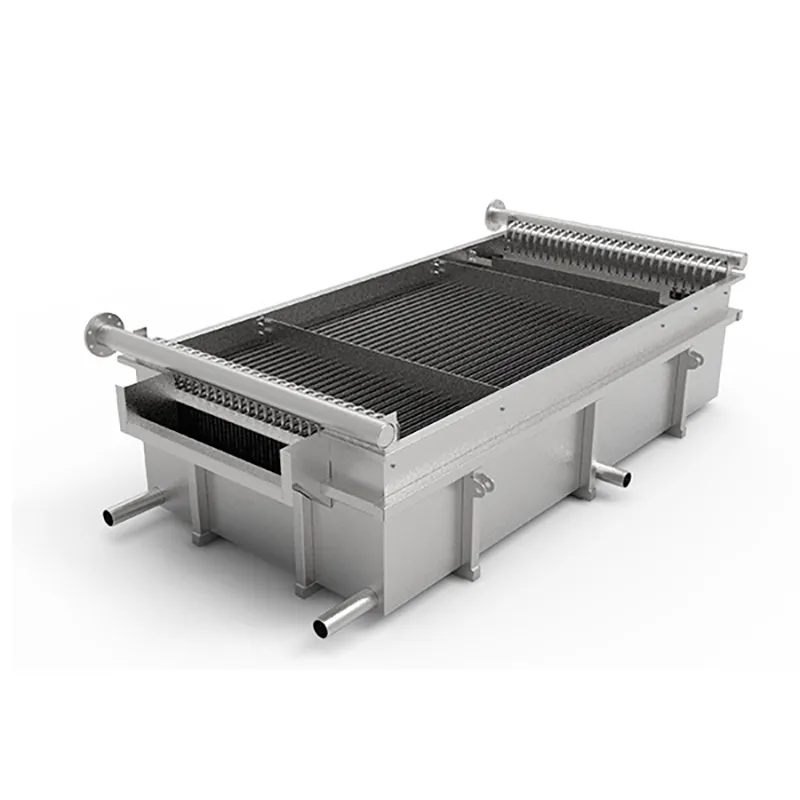
Plate Heat Exchangers include gasketed, brazed, welded, semi-welded, shell and plate, and specialty types for varied industrial uses.
MoreThe fundamental principle behind compact heat exchangers lies in dramatically increasing the surface area available for heat transfer within a given volume. By employing intricate internal structures such as corrugated plates, small-diameter channels, or extended surfaces, these devices achieve heat transfer coefficients that are significantly higher than those of conventional shell-and-tube designs.
This geometric intensification allows the same thermal duty to be accomplished using a fraction of the physical space. For example, a plate heat exchanger can offer up to five times the surface area per unit volume compared to a traditional tubular unit, directly translating to a smaller footprint and reduced material usage.
The enhanced surface density also promotes better fluid distribution and turbulence, which improves thermal performance without requiring higher flow rates or larger pressure drops. This balance of compactness and efficiency is critical for applications where space is constrained, such as in offshore platforms, automotive cooling systems, and aerospace thermal management.
For more detailed technical insights, explore our resources on custom plate air preheaters and welded plate heat exchangers.
The key metric is the specific surface area, measured in square meters per cubic meter. Compact heat exchangers typically exceed 700 m²/m³, whereas conventional designs often fall below 300 m²/m³. This higher density is achieved through features like herringbone corrugations in gasketed plates or micro-channels in printed circuit heat exchangers.
These geometries not only increase area but also create secondary flow patterns that enhance convective heat transfer. The result is a unit that can be 50-80% smaller than a conventional exchanger for the same duty, while maintaining or improving thermal effectiveness.
Learn more about specific designs like gasketed plate heat exchangers and TP welded plate heat exchangers.
Because compact heat exchangers require less material to achieve the same heat transfer, they are often lighter and more cost-effective. This is especially important in weight-sensitive applications such as aerospace or portable cooling systems. The reduced material volume also lowers manufacturing costs and energy consumption during production.
Furthermore, the compact form factor simplifies installation and maintenance, as the units can be placed in tight spaces and accessed more easily. This operational advantage adds to the overall system efficiency and reliability.
Explore advanced options such as wide gap welded plate heat exchangers and printed circuit heat exchangers.
A common concern is that reducing size might lead to higher pressure drops or lower heat transfer rates. However, compact heat exchangers are designed to optimize fluid flow paths, minimizing pressure loss while maximizing thermal contact. Advanced computational fluid dynamics (CFD) modeling ensures that the internal geometry is tailored to the specific fluid properties and operating conditions.
Field data consistently shows that these units achieve temperature approaches as low as 1-2°C, matching or exceeding the performance of much larger conventional exchangers. This makes them ideal for heat recovery, process heating, and cooling applications where space and efficiency are both critical.
For specialized applications, consider custom engineered pillow plates and other tailored solutions.
Compact heat exchangers achieve size reduction through advanced surface geometries that intensify heat transfer. Enhanced fin patterns, microchannels, and corrugated plates increase the surface area-to-volume ratio, enabling higher thermal effectiveness within a smaller footprint.
Maintaining performance requires careful pressure drop management. Optimized flow distribution and minimized flow resistance ensure that the gains in heat transfer do not come at the cost of excessive pumping power. Computational fluid dynamics (CFD) is employed to refine channel designs, balancing turbulence for heat transfer with frictional losses.
The result is a heat exchanger that delivers equivalent or superior thermal performance compared to larger units, while reducing material usage and overall system volume. This balance is critical for applications in aerospace, automotive, and industrial processes where space is at a premium.
Compact heat exchangers achieve space savings through three primary geometric configurations, each optimizing thermal transfer within reduced volumes.
Corrugated plates create high-turbulence flow channels, increasing surface area density up to 500 m²/m³. The gasketed and welded variants (e.g., gasketed plate, TP welded plate) eliminate bulky shell-and-tube bundles, reducing footprint by 40–60% while maintaining equivalent duty.
Single-channel spiral wraps generate self-cleaning flow paths with high heat transfer coefficients. The compact coiled geometry eliminates dead zones, enabling 30–50% size reduction versus straight-tube designs. Applications include fouling fluids where wide-gap welded plates are also used.
Hydraulic diameters below 1 mm create extreme surface-to-volume ratios exceeding 2000 m²/m³. Diffusion-bonded printed circuit heat exchangers and pillow plates achieve 80% volume reduction while handling high pressures up to 600 bar.
| Parameter | Plate Design | Spiral Design | Microchannel Design |
|---|---|---|---|
| Surface area density (m²/m³) | 400–600 | 200–400 | 1500–2500 |
| Typical size reduction vs shell-tube | 40–60% | 30–50% | 70–85% |
| Max operating pressure (bar) | 25–40 | 30–50 | 200–600 |
| Heat transfer coefficient (W/m²K) | 3000–7000 | 2500–5500 | 5000–15000 |
The table demonstrates that microchannel designs offer the highest surface area density and pressure capacity, while plate exchangers provide a balanced solution for moderate-pressure applications. Spiral designs excel in fouling resistance with their self-cleaning geometry. Additional engineered variants such as custom plate air preheaters and HT bloc welded plates further optimize specific industrial requirements.
The pursuit of compact heat exchanger design relies heavily on material innovation and precision joining techniques. Advanced metals such as high-strength stainless steels, titanium alloys, and nickel-based superalloys enable thinner walls and finer channel geometries, directly reducing core volume while maintaining pressure containment and thermal conductivity. These materials resist corrosion and fatigue in demanding environments, allowing engineers to push the limits of surface area density without compromising reliability.
Welding processes have evolved in parallel, with techniques like laser welding, electron beam welding, and diffusion bonding now enabling leak-tight joints in ultra-thin plates and intricate core stacks. These methods minimize heat-affected zones, reduce distortion, and allow for complex flow paths that maximize heat transfer within a minimal envelope. The synergy between advanced alloys and modern welding technologies is a cornerstone of compact heat exchanger performance, delivering high efficiency and durability in a fraction of the space traditionally required.
In aerospace, compact heat exchangers enable up to 40% volume reduction in environmental control systems while maintaining thermal efficiency. For example, plate-fin designs replace bulky shell-and-tube units in aircraft bleed air systems, reducing weight by 30% and improving heat transfer coefficients by 25%.
Automotive applications demonstrate similar benefits: welded plate heat exchangers in electric vehicle battery cooling loops achieve 50% smaller footprint compared to conventional radiators, with equivalent heat rejection. This allows tighter packaging within battery packs and contributes to overall vehicle range optimization.
A leading turbofan manufacturer replaced a traditional shell-and-tube oil cooler with a custom-engineered printed circuit heat exchanger (PCHE). The PCHE reduced core volume by 60% and mass by 45%, while maintaining oil outlet temperature within ±1°C of specification. The compact design also lowered pressure drop by 15%, improving overall engine efficiency.
Key metrics: 80% reduction in installation space, 50% fewer welded joints, and 30% lower lifecycle cost due to reduced maintenance access requirements. Learn more about PCHE technology.
A major automotive OEM integrated a gasketed plate heat exchanger into a hybrid transmission oil circuit. The unit replaced a multi-pass tube bundle, achieving 55% less volume and 40% weight savings. Despite the size reduction, heat transfer performance improved by 20% due to enhanced turbulence from plate corrugation patterns.
The compact design allowed direct mounting on the transmission housing, eliminating 2 meters of piping and reducing assembly time by 35%. Explore gasketed plate options.
An aircraft supplier adopted a welded plate heat exchanger for the air conditioning pack, replacing a brazed aluminum plate-fin core. The welded design eliminated brazing flux residues and improved corrosion resistance, while reducing core depth by 50%. The unit maintained the same cooling capacity (25 kW) with a 35% reduction in frontal area.
This allowed the pack to fit into a previously unusable wing root cavity, saving 12 kg per aircraft. See TP welded plate details.
For a hydrogen fuel cell vehicle, a wide-gap welded plate heat exchanger was used for coolant and deionized water circuits. The wide-gap design handled particulates and flow fluctuations, while reducing heat exchanger volume by 45% compared to a plate-and-frame unit. The system achieved a 10% improvement in thermal conductivity due to optimized plate spacing.
The compact unit fit within the fuel cell stack enclosure, eliminating external piping and reducing coolant volume by 20%. Learn about wide-gap designs.
A military aircraft program utilized a custom-engineered pillow plate heat exchanger for hydraulic oil cooling. The pillow plate design, formed by spot-welding two thin sheets, created a lightweight yet strong channel. This reduced heat exchanger thickness by 70% compared to a conventional tube bundle, while maintaining the same heat dissipation (15 kW) at full flow.
The unit weighed only 1.8 kg versus 5.2 kg for the previous design, contributing to overall aircraft payload improvement. Explore pillow plate solutions.
A high-performance automotive engine adopted a custom-engineered plate air preheater design for the intercooler. The compact plate core replaced a tube-and-fin intercooler, reducing volume by 50% and pressure drop by 30%. The unit achieved 95% effectiveness in cooling charge air from 180°C to 60°C at peak boost, matching the performance of a unit twice its size.
The reduced size allowed packaging within the intake manifold, shortening air path and improving throttle response by 8%. See air preheater applications.
We provide you with comprehensive foreign trade solutions to help enterprises achieve global development
Select the most popular foreign trade service products to meet your diverse needs
Custom-Engineered for Severe Process Demands. At SHPHE, we don't just supply equipment; we design tailored thermal solutions. Our HT-Bloc welded plate heat exchangers are custom-configured by our experienced engineers to overcome your specific industry challenges—whether handling high-viscosity media, extreme temperatures, or strict space constraints.
Industrial processes involving particle-laden slurries, high-viscosity syrups, or fiber-rich pulp demand more than standard equipment—they require target-engineered thermal management. At SHPHE, we configure the TP Welded Plate Heat Exchanger to directly conquer your plant's severe fouling, blockage, and erosion threats. Combining custom-tailored channel geometries, wear-resistant metallurgy, and integrated CIP (Cleaning-in-Place) systems, we deliver absolute production continuity where conventional heat exchangers fail.
Originated in the mid-20th century to bypass the manufacturing bottlenecks and weight limitations of standard jacketed thermal components, the Pillow Plate (also known as a dimple plate or embossed plate) has revolutionized precision fluid-wall engineering. At SHPHE, we take this highly flexible technology and elevate it into a core foundation for bespoke industrial heat transfer integration. By utilizing state-of-the-art automated CNC fiber laser welding, our engineers customize the mechanical inflation profiles and spot pitch grids to directly match your specific fluid dynamics, pressure limits, and vessel configurations. Today, SHPHE's custom pillow plates are indispensable assets for worldwide processing plants prioritizing advanced thermal performance, zero-leak safety, and hygienic processing—serving as the definitive solution across food, pharmaceutical, chemical, and bulk solids cooling sectors.
User Comments
Service Experience Sharing from Real Customers
Marcus
HVAC Design EngineerWe swapped out our old shell-and-tube units for these compact exchangers in a rooftop retrofit. The pressure drop was way lower than I expected for the footprint. Installation was straightforward, and the energy savings are already showing in our monthly reports. Solid build quality.
Leila
Process TechnicianI’ve been running these on a dairy pasteurization line for about six months. They clean up nicely with CIP cycles and haven’t fouled as badly as the plate-and-frame units we used before. Only gripe is the gasket replacement is a bit fiddly, but the heat recovery is excellent for the space.
Ethan
Maintenance SupervisorWe installed a couple of these in a chemical plant cooling loop. They handle the thermal cycling like champs—no leaks after a year of constant start-stop. The compact design freed up floor space for a new pump skid. My crew actually likes working on them because the access panels are smart.
Priya
Senior Research EngineerTested these in a lab-scale ORC system for waste heat recovery. The thermal performance matched our CFD models within 3%, which is impressive for a brazed unit this size. Would love to see a version with higher temp rating for exhaust gas applications, but for low-grade heat it’s a winner.