Maximizing Energy Savings with a Waste Heat Recovery Heat Exchanger
For process engineers and purchasing managers in energy-intensive industries, recovering waste heat is one of the most direct ways to cut operating costs and reduce carbon footprint. A waste heat recovery heat exchanger captures thermal energy from exhaust gases, hot liquids, or steam condensate and transfers it to a usable process stream. This article explains how these systems work, what performance ranges to expect, and how SHPHE's plate heat exchanger designs deliver reliable, long-term savings. We cover key specifications, application scenarios, and answer common buyer questions to help you make an informed selection.
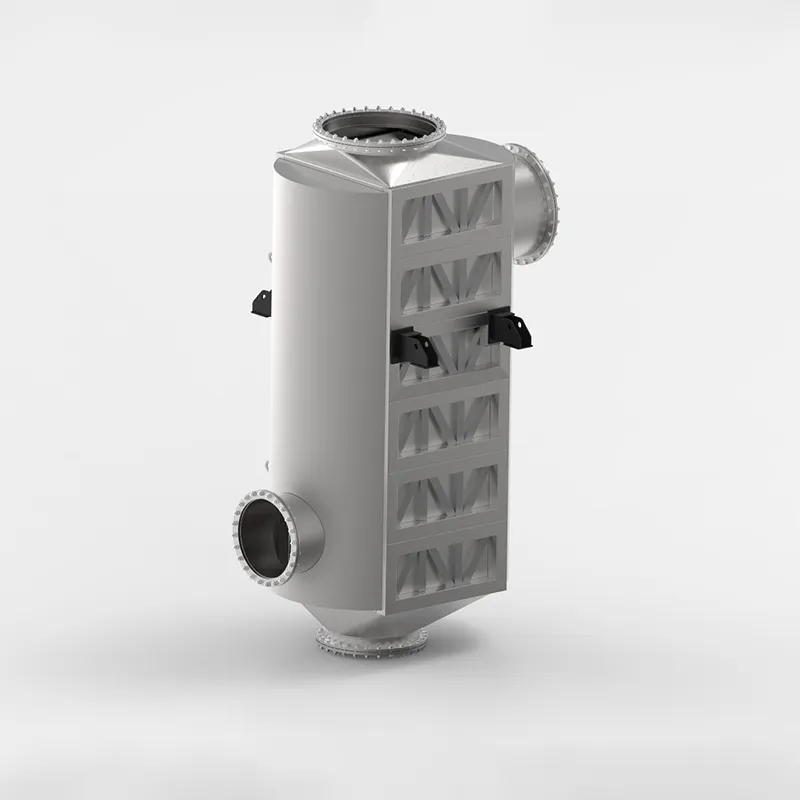
What Is a Waste Heat Recovery Heat Exchanger and Why Does It Matter?
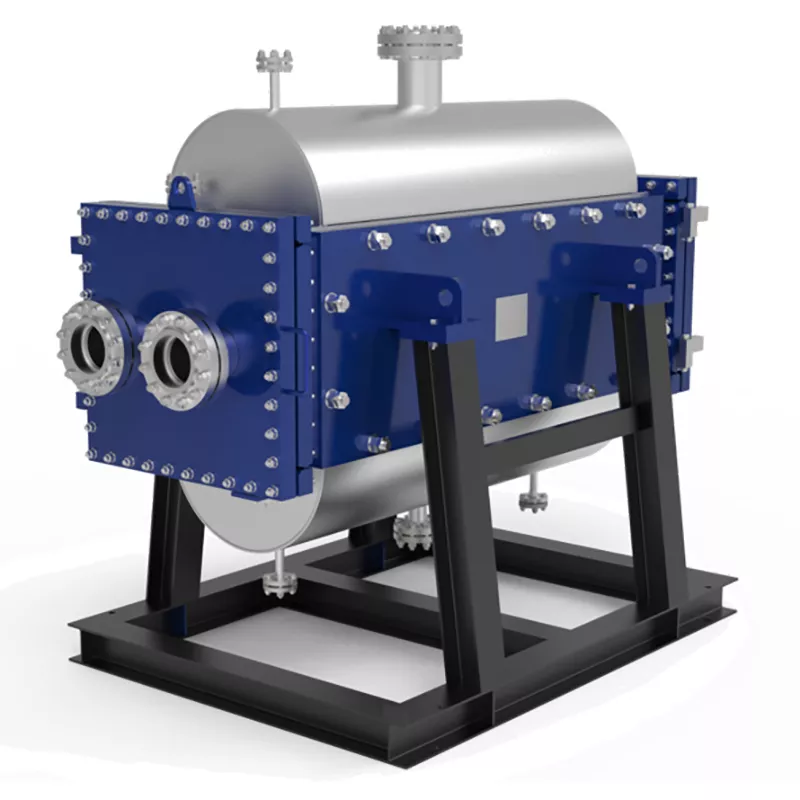
A waste heat recovery heat exchanger is a device that reclaims thermal energy from hot exhaust streams—such as flue gas, hot oil, or process water—that would otherwise be vented or drained. By transferring this heat to a cooler fluid (air, water, or thermal oil), you can preheat combustion air, boiler feedwater, or process fluids. This directly reduces fuel consumption and lowers greenhouse gas emissions.
In many plants, 20% to 50% of input energy is lost as waste heat. Installing a properly sized waste heat recovery heat exchanger can recover 60%–90% of that heat, depending on temperature and flow conditions. For a mid-sized chemical plant, this often translates to annual fuel savings in the range of hundreds of thousands of dollars.
SHPHE, a Shanghai-based plate heat exchanger manufacturer founded in 2005, has supplied waste heat recovery solutions to over 20 countries. Our units are ISO9001 and ASME U certified, ensuring compliance with international quality and safety standards.
How Does a Waste Heat Recovery Heat Exchanger Work in Practice?
The core principle is straightforward: two fluid streams flow through separate channels within the heat exchanger, and heat passes through the plate walls without mixing. In a typical industrial setup, hot exhaust gas at 300°C–600°C enters one side, while cooler combustion air or water enters the other. The plates are designed with corrugated patterns to create turbulence, which significantly improves heat transfer efficiency.
For example, a TP Welded Plate Heat Exchanger from SHPHE can handle temperatures up to 450°C and pressures up to 40 bar, making it suitable for recovering heat from engine exhaust or furnace flue gas. The welded construction eliminates gasket failure risks, which is critical when dealing with aggressive or high-temperature media.
Key process parameters to consider include inlet and outlet temperatures, flow rates, allowable pressure drop, and the chemical composition of the streams. SHPHE offers free thermal design and selection service to match the exchanger geometry to your specific conditions.
Key Features and Typical Parameter Ranges
When evaluating a waste heat recovery heat exchanger, focus on these performance characteristics:
- Operating temperature: Typically 200°C to 600°C for gas-to-liquid applications; higher with specialized alloys.
- Design pressure: From 10 bar to 40 bar for welded plate units; gasketed designs up to 25 bar.
- Heat transfer coefficient: 200–800 W/m²·K for gas-liquid, and up to 3000 W/m²·K for liquid-liquid.
- Recovery efficiency: Commonly 60%–90%, depending on approach temperature and surface area.
- Materials: Stainless steel 316L, duplex, or Hastelloy for corrosive or high-temperature streams.
SHPHE's product lines—including HT-Bloc Welded Plate Heat Exchangers and Wide Gap Welded Plate Heat Exchangers—are designed to handle fouling fluids and high particulate loads, which are common in waste heat recovery applications.
What Are the Most Common Applications for Waste Heat Recovery?
Waste heat recovery heat exchangers are used across many industries. Here are the most frequent scenarios:
- Preheating combustion air: In boilers, furnaces, and kilns, preheating air with flue gas can improve overall thermal efficiency by 10%–15%.
- Heating boiler feedwater: Recovering heat from blowdown or condensate reduces the energy needed to bring feedwater to saturation temperature.
- Drying processes: In food processing, textiles, and paper mills, hot exhaust can be used to preheat drying air or heat transfer fluids.
- Power generation: In combined heat and power (CHP) systems, waste heat from engine jackets or exhaust is recovered for district heating or additional steam generation.
For each application, the choice between a gasketed, welded, or printed circuit heat exchanger depends on temperature, pressure, and fluid compatibility. SHPHE's PCHE (Printed Circuit Heat Exchanger) is an excellent option for high-pressure, high-temperature gas streams where compactness is critical.
Why Choose SHPHE for Your Waste Heat Recovery Heat Exchanger?
SHPHE has been engineering plate heat exchangers since 2005, with a focus on thermal efficiency and long service life. Our waste heat recovery heat exchangers are designed to handle the demanding conditions of continuous industrial operation.
- Certified quality: ISO9001 and ASME U certified, ensuring compliance with international standards.
- Broad product range: From Gasketed Plate Heat Exchangers to fully welded HT-Bloc and TP units, plus Plate Air Preheaters and Pillow Plates for special geometries.
- Free engineering service: Our team provides thermal design and selection at no cost, helping you avoid oversizing or undersizing.
- Global experience: Units exported to more than 20 countries, with references in chemical, petrochemical, power, and food industries.
We do not claim unrealistic performance figures. Instead, we work with your actual process data to deliver a waste heat recovery heat exchanger that meets your efficiency targets within your budget.
Frequently Asked Questions About Waste Heat Recovery Heat Exchangers
1. What temperature range can a waste heat recovery heat exchanger handle?
Standard welded plate units handle up to 450°C, while specialized designs with high-temperature alloys can reach 600°C or more. For exhaust streams above 600°C, a PCHE or radiant recuperator may be required. Always specify your maximum inlet temperature when requesting a quote.
2. How much energy can I realistically save with waste heat recovery?
Savings depend on flow rate, temperature difference, and heat exchanger efficiency. In typical industrial applications, recovering 60%–80% of available waste heat is realistic. For a 10 MW furnace, this can mean fuel savings of 15%–25%, often paying back the equipment cost within 12–24 months.
3. Is a gasketed or welded plate heat exchanger better for waste heat recovery?
Welded plate heat exchangers are preferred for high-temperature, high-pressure, or corrosive streams because they eliminate gasket failure risks. Gasketed units are more economical for lower-temperature, clean fluids. SHPHE offers both types, so the choice depends on your specific media and operating conditions.
4. Can I use a waste heat recovery heat exchanger with dirty or fouling exhaust gas?
Yes, but you need a design that handles particulates. SHPHE's Wide Gap Welded Plate Heat Exchangers have wider plate gaps (up to 12 mm) to allow solids to pass through without clogging. For heavy fouling, consider installing a soot blower or pre-filter upstream.
5. How does SHPHE compare to brands like Alfa Laval or GEA?
SHPHE units are compatible with and serve as a cost-effective alternative to Alfa Laval Compabloc or GEA welded plate designs. We focus on providing similar thermal performance with shorter lead times and competitive pricing, backed by free engineering support.
6. What information do I need to provide for a waste heat recovery heat exchanger quote?
To size a waste heat recovery heat exchanger accurately, we need the hot and cold fluid types, inlet and outlet temperatures, flow rates (mass or volumetric), operating pressure, allowable pressure drop, and any special requirements like material compatibility or fouling factors. Our team will then provide a thermal design and selection free of charge.
Request a Quote for Your Waste Heat Recovery Heat Exchanger
Every plant has unique heat recovery opportunities. To get a precise recommendation for a waste heat recovery heat exchanger, please provide the following details in your inquiry:
- Flow rate of the hot stream (kg/h or m³/h)
- Inlet and desired outlet temperatures
- Operating pressure and allowable pressure drop
- Media composition (e.g., flue gas, hot water, thermal oil)
- Any special requirements (material, fouling, space constraints)
SHPHE's engineering team will review your data and respond with a thermal design, selection, and budget proposal. With over 15 years of experience in plate heat exchanger manufacturing, we are ready to help you maximize energy savings with a reliable waste heat recovery heat exchanger.

 English EN





User Comments
Service Experience Sharing from Real Customers
Ethan
Senior Process EngineerWe installed this waste heat recovery heat exchanger in our ethylene plant six months ago. The pressure drop is lower than our old unit, and the heat transfer efficiency is exactly what we needed to meet our energy reduction targets. Maintenance access is straightforward, which is a huge plus for our shift team.
Priya
Facilities ManagerWe retrofit this into an older boiler stack at a mid-sized hotel. Took a bit of finagling with the ductwork, but once operational, the preheat on our feed water cut gas usage by about 12%. Not bad for a piece of kit that didn't require a total system redesign. Only wish the mounting brackets were a bit more adjustable.
Liam
Maintenance TechnicianI've been working with heat exchangers for over 15 years, and this one is a beast. The tube bundle is solid, and the gaskets held up perfectly through a full season of high-temp operation. We had a small leak on a flange after install, but their tech support walked us through the torque sequence and it's been dry ever since. Very reliable.
Sofia
Energy ConsultantDecent unit for the price point, but don't expect it to be a plug-and-play miracle. The thermal performance data on the spec sheet is a bit optimistic; we saw about 8% less recovery than advertised in a low-temp exhaust stream. Works fine for medium-duty applications, though. I'd recommend oversizing by one model if your delta T is tight.