Optimizing Thermal Performance with a Sugar Mill Heat Exchanger
In sugar milling, every degree of heat recovered directly cuts fuel costs and boosts throughput. This article explores how a purpose-designed sugar mill heat exchanger — specifically plate-type units from SHPHE — handles viscous juice, scaling juices, and fluctuating steam loads. Process engineers and procurement managers will find practical guidance on selection, sizing, and long-term reliability.
A sugar mill heat exchanger must withstand aggressive fouling, high solids content, and frequent thermal cycling. Traditional shell-and-tube units often suffer from poor heat transfer coefficients and difficult cleaning in cane or beet sugar processing. Plate heat exchangers, especially welded and wide-gap variants, have become the preferred alternative for heating raw juice, evaporator feed, and syrup. SHPHE, a Shanghai-based manufacturer founded in 2005 with ISO9001 and ASME U certifications, offers a complete range of plate heat exchangers engineered for the sugar industry. Their free thermal design and selection service helps customers match the exact heat duty without over-specifying.
How Does a Sugar Mill Heat Exchanger Work in a Typical Process?
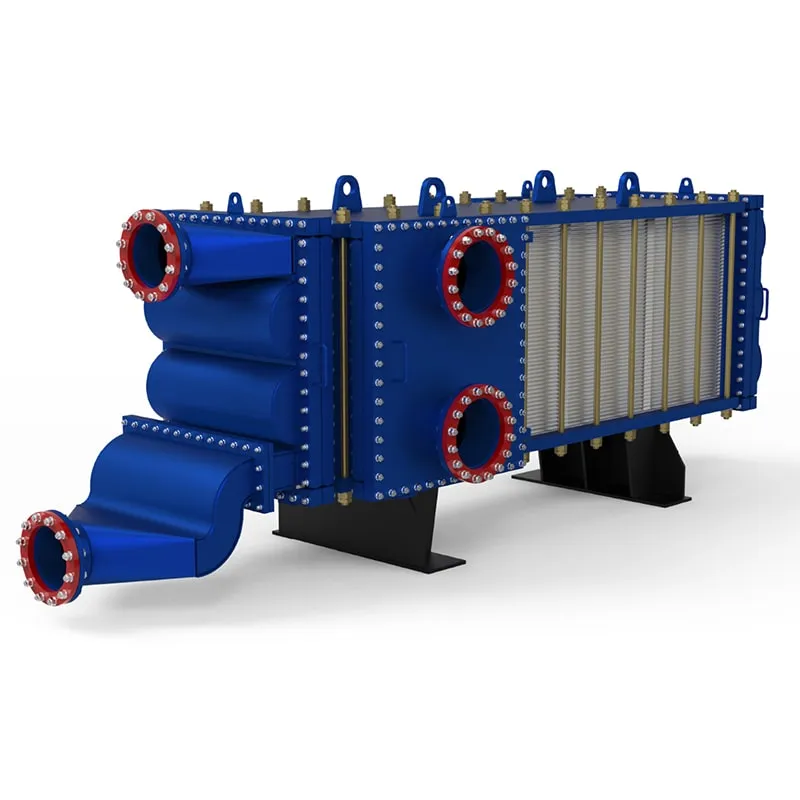
In a sugar mill, the heat exchanger typically preheats mixed juice from around 30°C to 70–80°C before it enters the clarification stage. Hot condensate or low-pressure steam (2–4 bar) flows on the service side, while raw juice passes through the product channels. The counter-current flow in a plate heat exchanger achieves temperature approaches as low as 2–5°C, significantly better than shell-and-tube designs. For high-fiber juices or those containing bagasse particles, a wide gap welded plate heat exchanger is recommended to prevent blockages. SHPHE’s Wide Gap Welded Plate Heat Exchanger features channel gaps of 8–16 mm, allowing fibrous solids to pass through without clogging.
Key Features and Typical Parameter Ranges
When selecting a sugar mill heat exchanger, focus on these performance parameters:
- Operating pressure: Up to 25 bar for gasketed units; up to 40 bar for fully welded designs.
- Temperature range: -20°C to 200°C for gasketed; up to 350°C for welded plate heat exchangers.
- Heat transfer coefficient: Typically 3,000–6,000 W/m²·K for juice-to-water duties, depending on viscosity and fouling.
- Plate material: AISI 316L or 904L for corrosion resistance against acidic juices; titanium for aggressive cleaning chemicals.
- Gasket materials: EPDM or NBR for standard duties; Viton for high-temperature or aggressive media.
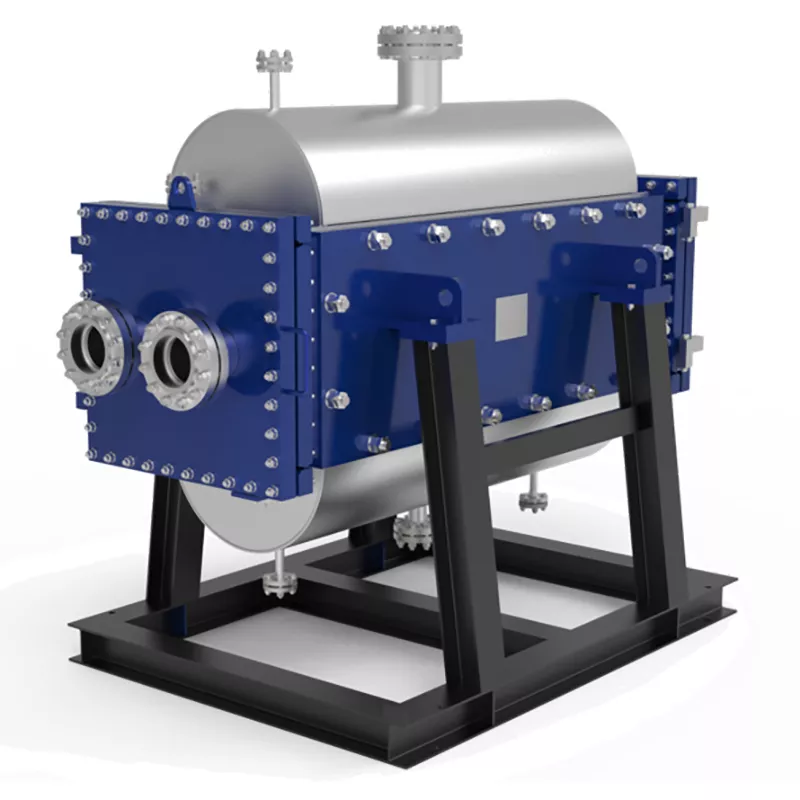
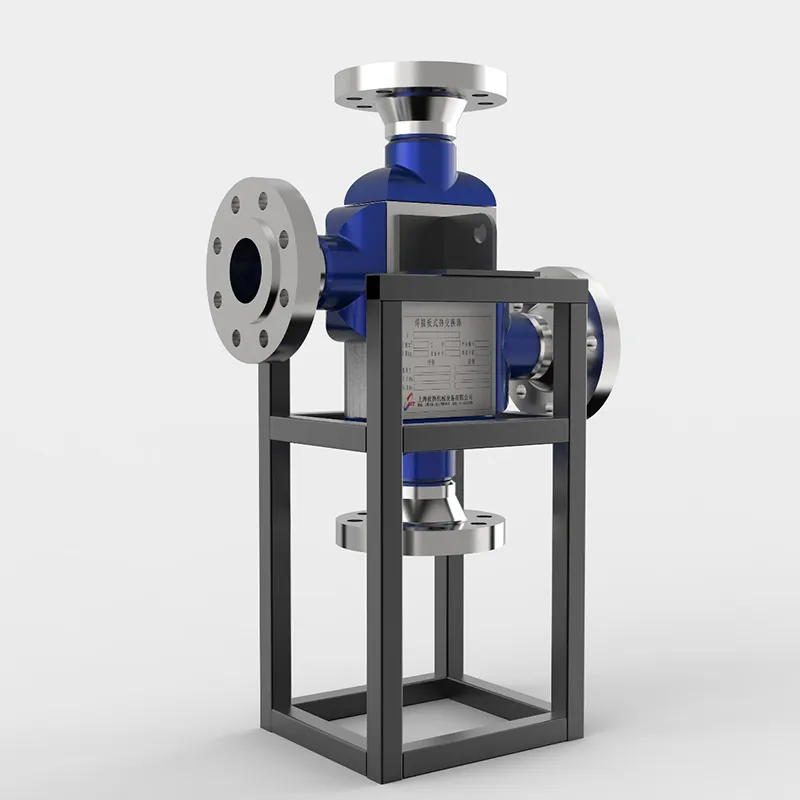
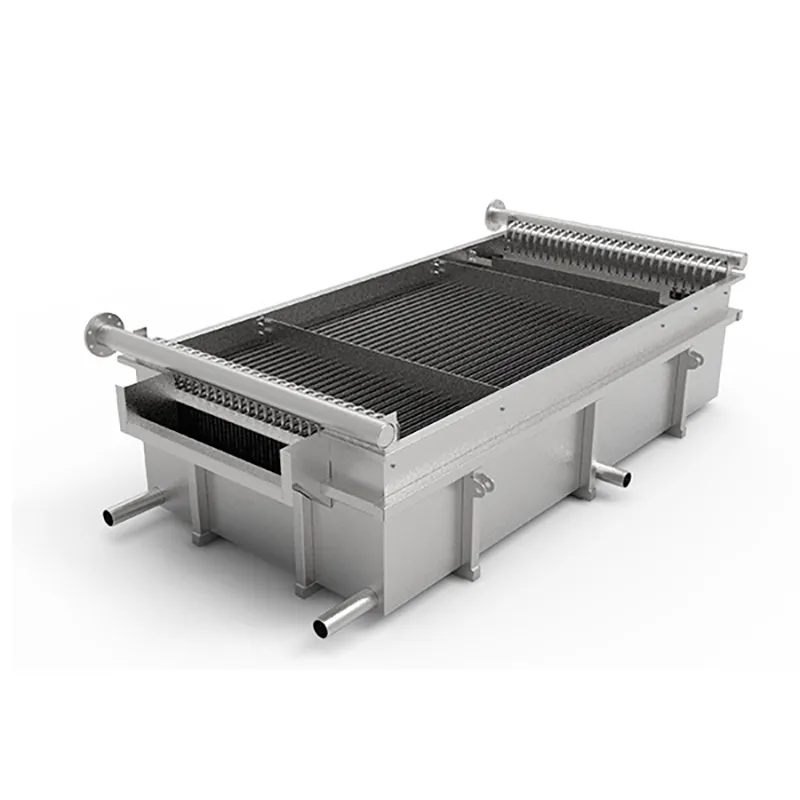
SHPHE’s HT-Bloc Welded Plate Heat Exchanger is a compact alternative to shell-and-tube units, offering 40–60% space savings while delivering equivalent or better thermal performance. For evaporator stations where high vapor temperatures are involved, the TP Welded Plate Heat Exchanger handles up to 350°C without gasket failures.
Applications and Recommended Solutions
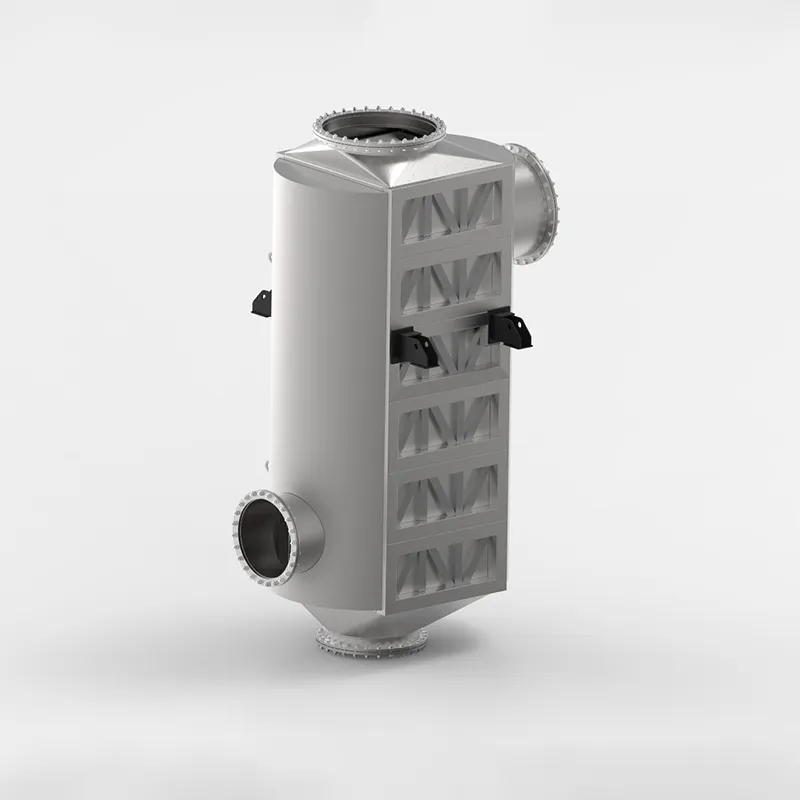
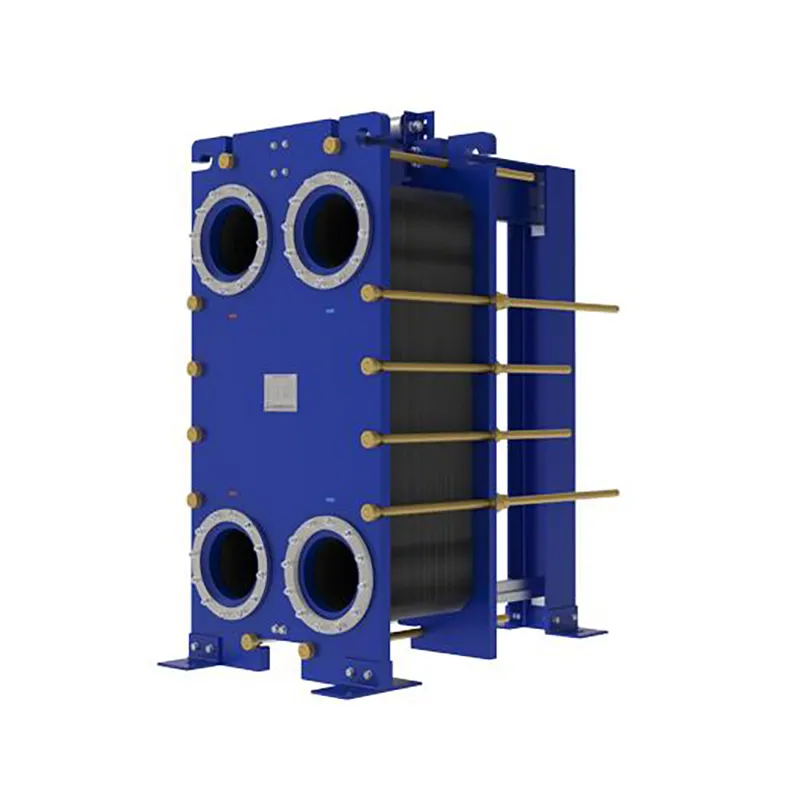
Sugar mills use heat exchangers in multiple stages: raw juice heating, clear juice heating, syrup heating, and condensate cooling. Each application has unique fouling and viscosity characteristics. For raw juice with high suspended solids, a wide gap design is essential. For clear juice and syrup, standard gasketed plate heat exchangers work well when cleaned regularly. SHPHE’s Gasketed Plate Heat Exchangers are compatible with Alfa Laval and GEA frames, making retrofit straightforward. In evaporator stations, the TP Welded Plate Heat Exchanger serves as a reliable alternative to Compabloc units, offering all-welded construction that eliminates gasket leaks.
Why SHPHE for Your Sugar Mill Heat Exchanger Needs?
SHPHE brings 18 years of plate heat exchanger manufacturing experience to the sugar industry. Their product lines include HT-Bloc and TP Welded Plate Heat Exchangers, Wide Gap Welded Plate Heat Exchangers, Gasketed Plate Heat Exchangers, PCHE, Plate Air Preheaters, and Pillow Plates. All units are designed and manufactured under ISO9001 and ASME U standards, with exports to over 20 countries. The free thermal design service ensures the selected sugar mill heat exchanger meets your exact flow rate, temperature, and pressure requirements without oversizing. This reduces capital expenditure and operating costs. SHPHE also offers custom-engineered solutions for non-standard media or extreme conditions, such as Pillow Plates for tank heating or cooling applications.
Frequently Asked Questions
What is the typical lifespan of a sugar mill heat exchanger?
With proper maintenance and cleaning, a well-designed plate heat exchanger in sugar service lasts 10–15 years. Gasketed units require gasket replacement every 3–5 years, while welded units have longer intervals between major overhauls.
Can I replace my existing shell-and-tube unit with a plate heat exchanger?
Yes, in most cases. Plate heat exchangers offer 2–4 times higher heat transfer coefficients and require less floor space. SHPHE provides retrofit frames and connection kits that match existing piping layouts, minimizing downtime during replacement.
How do I prevent fouling in a sugar mill heat exchanger?
Use a wide gap design for raw juice with high solids. Install strainers upstream to remove large particles. Schedule daily CIP (clean-in-place) cycles with caustic and acid solutions. SHPHE units are designed for easy access to plate packs for mechanical cleaning when needed.
What materials are best for juice heating?
AISI 316L stainless steel is standard for most sugar juice applications. For highly acidic juices or when using aggressive cleaning chemicals, 904L or titanium plates are recommended. SHPHE offers all three options based on your specific media analysis.
Is a welded plate heat exchanger better than a gasketed one for sugar mills?
Welded units eliminate gasket leaks and can handle higher temperatures and pressures. They are ideal for steam-to-juice duties and evaporator stations. Gasketed units are more economical for low-pressure, low-temperature duties and allow easy plate replacement or capacity changes.
How do I get a thermal design for my specific sugar mill heat exchanger?
Contact SHPHE with your process parameters: flow rate, inlet/outlet temperatures, operating pressure, and media composition. Their engineering team provides a free thermal design and selection within 24–48 hours, including a detailed datasheet and dimensional drawing.
Request a Quote for Your Sugar Mill Heat Exchanger
To get an accurate quotation for your sugar mill heat exchanger, please provide the following details: flow rate (m³/h or GPM), inlet and outlet temperatures on both sides, operating pressure (bar or psi), media type and composition (e.g., mixed juice, clear juice, syrup, steam, condensate), and any special requirements such as material grade or connection size. SHPHE’s team will respond with a complete proposal including thermal performance, dimensions, weight, and price. Their free engineering support ensures you select the most cost-effective solution for your mill’s heat recovery needs. Optimize your thermal performance today with a reliable sugar mill heat exchanger from SHPHE.

 English EN





User Comments
Service Experience Sharing from Real Customers
Lena
Process EngineerWe retrofitted our old evaporator station with one of these last season, and the difference in thermal efficiency is night and day. Scraping build-up off the old plates was a weekly nightmare; this unit actually sheds fouling way better than I expected. The only hiccup was the gasket material on the first batch—swapped to a different compound and it's been smooth sailing ever since. Solid investment for anyone running continuous crystallization.
Marcus
Shift SupervisorHonestly, I was skeptical about spending the extra cash on a new heat exchanger, but our mill's output per shift has definitely bumped up. The juice heats more evenly now, so we're not fighting cold spots in the clarifier. It's not magic—you still have to keep an eye on the pressure drop—but maintenance is way less of a headache. My only gripe is the flange bolts are a weird metric size that my tool kit didn't have. Worth it though.
Priya
Maintenance TechnicianI've been wrenching on sugar mill gear for fifteen years, and this is the first heat exchanger I've worked on where the tube bundle actually slides out without a fight. Cleaning cycles used to take half a day; now I'm done in under two hours. The corrosion resistance on the tube sheet is holding up way better than the old carbon steel units we had. If you're tired of patching leaks every other week, get this one.
Tomás
Operations ManagerWe pushed this unit hard through the entire harvest crush and it didn't skip a beat. Steam consumption dropped about 8% compared to our previous setup, which adds up fast when you're running 24/7. The only reason I'm not giving a perfect score is the initial installation manual was a bit vague on the condensate return piping—we had to call tech support to sort it out. Once it was dialed in, though, it's been rock solid.