What Are the Key Applications of a Gas to Gas Heat Exchanger in Industrial Systems?
Dr. Elena Voss, P.E.
|
Jul-06-2026
Gas-to-gas heat exchangers play a pivotal role in modern industrial systems by enabling efficient thermal energy recovery from high-temperature exhaust streams, which directly reduces fuel consumption and operational costs. In boiler and furnace applications, preheating combustion air with recovered heat improves flame stability and overall thermal efficiency, often achieving 10–20% energy savings while lowering carbon emissions. These exchangers also manage flue gas temperature to meet stringent pollution control regulations, facilitating the removal of pollutants such as NOx and SOx through optimized temperature windows. Within chemical and petrochemical reactors, they enhance thermal stability by moderating inlet gas temperatures, preventing hot spots and runaway reactions that compromise safety. Furthermore, by reducing thermal shock and corrosive condensation in gas streams, heat exchangers extend the lifespan of downstream equipment, including ducts, fans, and stack liners. Their versatility across cement, steel, refining, and power generation industries underscores their value in both energy optimization and environmental compliance. As industries pursue net-zero targets, the strategic deployment of gas-to-gas heat exchangers remains a cornerstone of sustainable process intensification.
Optimizing Energy Recovery and Reducing Operational Costs in High-Temperature Processes
In high-temperature industrial systems, gas-to-gas heat exchangers play a critical role in capturing waste heat and reusing it to preheat incoming process gases. This direct energy recovery reduces fuel consumption and lowers operational expenses significantly.
Enhanced Thermal Efficiency
By transferring heat from exhaust streams to incoming air or gas, these exchangers improve overall system thermal efficiency. Industries such as steel, cement, and chemical processing benefit from reduced energy input while maintaining required process temperatures.
Lower Fuel and Maintenance Costs
Recovered heat directly decreases the demand for primary fuel sources, leading to substantial cost savings. Additionally, modern gas-to-gas heat exchangers are designed for durability and easy cleaning, minimizing downtime and maintenance expenses over the equipment lifecycle.
Applications in Preheating and Process Integration
Common applications include combustion air preheating, waste heat recovery from flue gases, and inter-stage gas heating in multi-step processes. These systems are often integrated with existing plant infrastructure to maximize energy recovery without major redesign.
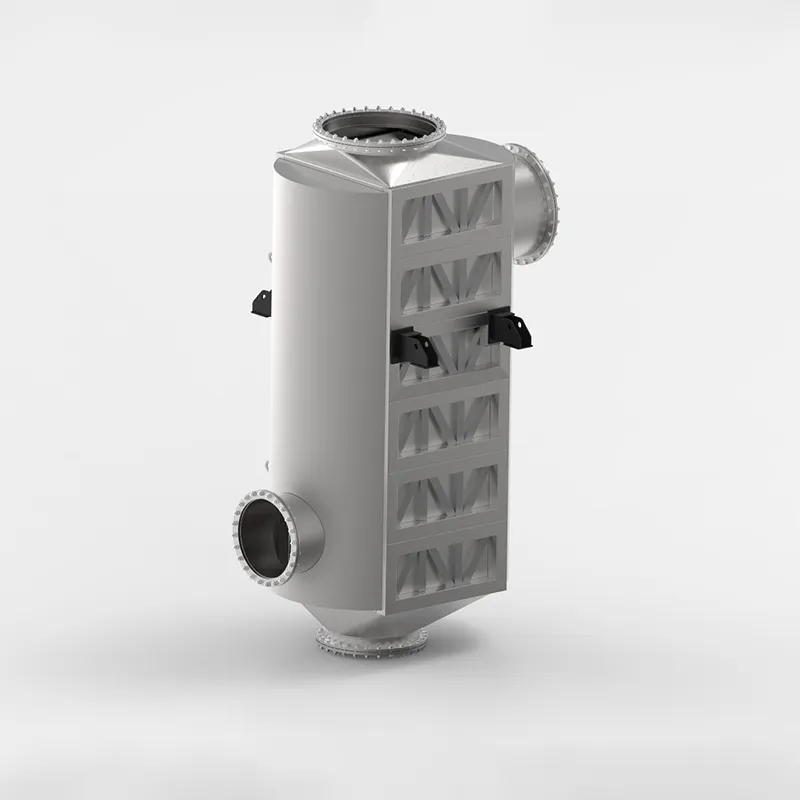
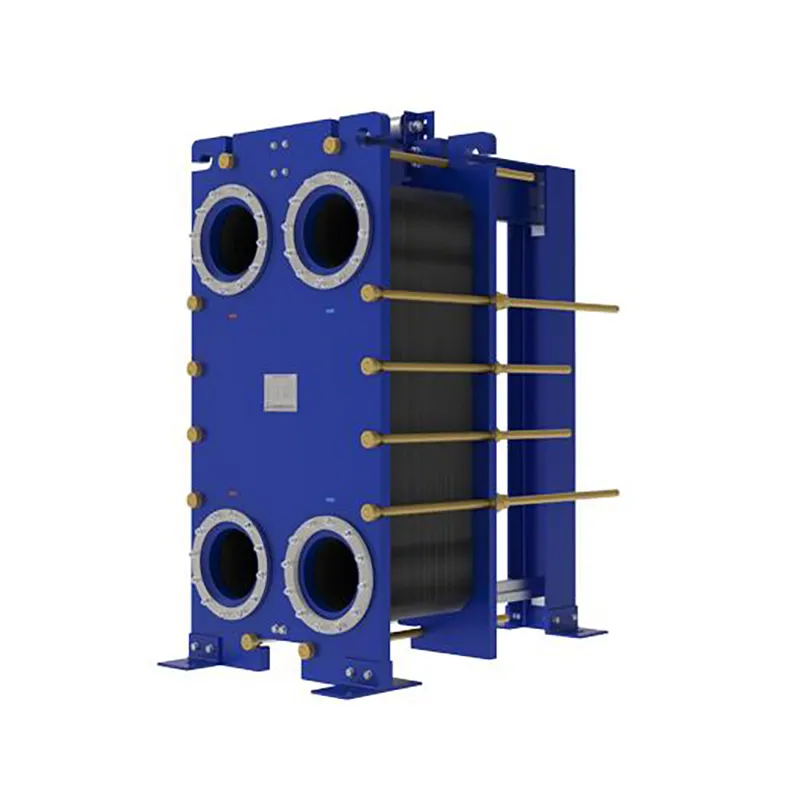
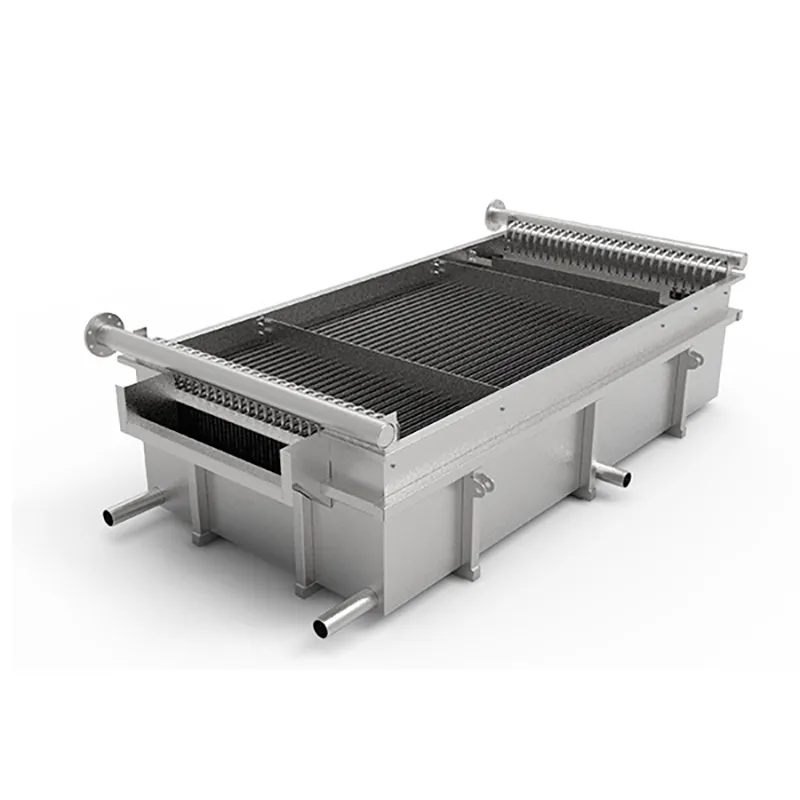
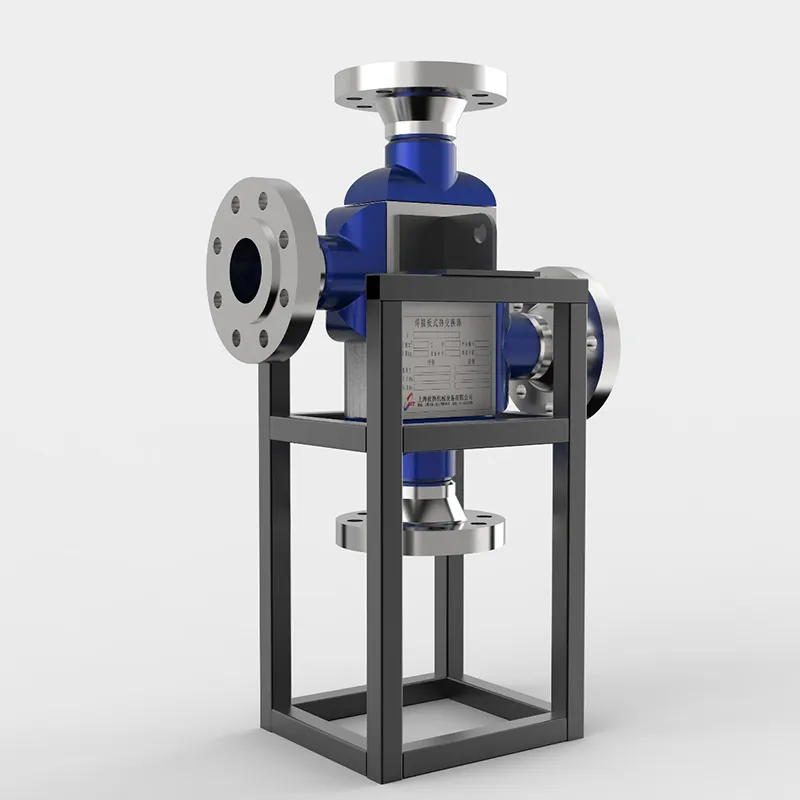
For more detailed product information, please visit: Custom Engineered Plate Air Preheaters, Gasketed Plate Heat Exchangers, or HT Bloc Welded Plate Heat Exchangers.
Enhancing System Efficiency Through Preheating Combustion Air in Boilers and Furnaces
In industrial boilers and furnaces, preheating combustion air using a gas-to-gas heat exchanger significantly improves overall thermal efficiency. By recovering waste heat from flue gases and transferring it to incoming cold air, the system reduces fuel consumption and lowers operational costs.
This process not only enhances energy utilization but also minimizes environmental impact by decreasing CO₂ emissions. The heat exchanger operates without cross-contamination between gas streams, ensuring safe and reliable performance in demanding industrial environments.
Key benefits include increased burner efficiency, extended equipment lifespan, and reduced maintenance requirements. Industries such as petrochemical, power generation, and manufacturing widely adopt this technology to meet stringent energy regulations and sustainability goals.
Learn more about gas-to-gas heat exchanger applications
Managing Flue Gas Temperature for Pollution Control and Compliance with Emission Standards
Effective temperature management of flue gases is critical for industrial systems to meet stringent environmental regulations. Gas to gas heat exchangers enable precise cooling or heating of exhaust streams, directly supporting the removal of pollutants such as SOx, NOx, and particulate matter. By recovering thermal energy, these systems also improve overall plant efficiency while ensuring compliance with local and international emission limits.
Key Temperature Control Benefits
- Optimizes flue gas temperature for downstream scrubbers and filters, enhancing pollutant capture rates.
- Prevents condensation of corrosive acids, extending equipment life and reducing maintenance costs.
- Recovers waste heat to preheat combustion air, reducing fuel consumption and greenhouse gas emissions.
- Ensures consistent outlet temperatures within regulatory limits (e.g., 150–180°C for dioxin/furan control).
Typical Performance Data
| Parameter |
Typical Value |
Compliance Impact |
| Flue gas inlet temperature |
280–400°C |
Requires reduction for scrubber efficiency |
| Outlet temperature after heat exchanger |
150–200°C |
Meets EU & EPA acid gas control limits |
| Heat recovery efficiency |
60–85% |
Reduces fuel use and CO₂ emissions |
| Pressure drop (gas side) |
200–600 Pa |
Minimal impact on system fan load |
Table: Typical operating parameters for a gas to gas heat exchanger in flue gas treatment applications. Values may vary based on system design and fuel type.
Industries such as power generation, cement, and chemical processing rely on these exchangers to maintain flue gas temperatures within optimal windows. For example, custom engineered plate air preheaters are widely used to preheat combustion air while cooling exhaust gases. Similarly, gasketed plate heat exchangers offer flexible temperature control for moderate temperature streams. In high-fouling applications, wide gap welded plate heat exchangers provide reliable performance with minimal clogging. For extreme conditions, custom engineered printed circuit heat exchangers deliver high efficiency in compact footprints. Additional solutions include HT Bloc welded plate heat exchangers and TP welded plate heat exchangers, both designed for durability under thermal cycling. Custom engineered pillow plates are also employed for specialized temperature management in corrosive environments.
Proper temperature control directly supports compliance with emission standards such as the Industrial Emissions Directive (IED) and Clean Air Act. By integrating gas to gas heat exchangers, facilities can achieve lower pollutant concentrations, reduce opacity, and avoid penalties while improving energy recovery.
Improving Thermal Stability and Safety in Chemical and Petrochemical Reactors
In chemical and petrochemical processing, reactors operate under extreme temperatures and pressures. A gas to gas heat exchanger plays a critical role in maintaining thermal stability by preheating feed gases or cooling effluent streams. This controlled heat transfer prevents dangerous temperature spikes that could lead to runaway reactions or equipment failure.
By recovering waste heat from hot exhaust gases and using it to preheat incoming reactants, the system reduces thermal stress on reactor walls and internal components. This not only extends the lifespan of the reactor but also minimizes the risk of hot spots that can cause localized degradation or catalytic deactivation.
Safety is further enhanced through precise temperature control. The heat exchanger ensures that the reactor inlet and outlet temperatures remain within safe operating limits, reducing the likelihood of thermal excursions. In the event of a process upset, the exchanger acts as a buffer, absorbing excess heat and protecting downstream equipment.
Advanced materials and design features, such as corrosion-resistant alloys and optimized flow paths, make these exchangers suitable for handling aggressive chemical streams. This reliability is essential for maintaining continuous operation and preventing unplanned shutdowns that could compromise safety.
Ultimately, integrating a gas to gas heat exchanger into reactor systems is a proven strategy for improving both thermal stability and operational safety. It enables higher process efficiency while mitigating risks associated with high-temperature chemical reactions.
Extending Equipment Lifespan by Mitigating Thermal Stress and Corrosion in Gas Streams
In industrial systems, gas-to-gas heat exchangers play a critical role in reducing thermal fatigue and corrosive damage. By moderating extreme temperature gradients, these units minimize expansion and contraction cycles that cause material stress. This directly extends the operational life of downstream components such as ducts, fans, and scrubbers.
Furthermore, when gas streams contain acidic compounds or moisture, controlled heat exchange prevents condensation on metal surfaces. This reduces the risk of acid dew point corrosion, a common cause of premature failure in gas handling equipment. The result is fewer unplanned shutdowns and lower maintenance costs over the system's lifetime.
For applications requiring robust thermal management, engineered plate designs offer enhanced durability. Explore solutions such as custom engineered plate air preheaters or gasketed plate heat exchangers to address specific thermal and corrosion challenges. Additionally, custom engineered pillow plates and printed circuit heat exchangers provide advanced options for high-performance gas streams.
For heavy-duty industrial environments, HT Bloc welded plate heat exchangers and TP welded plate heat exchangers offer reliable resistance to thermal stress. The wide gap welded plate heat exchanger is also ideal for gas streams with particulates or fouling tendencies, ensuring sustained performance and equipment longevity.
Summary
Gas to gas heat exchangers play a critical role in industrial systems by optimizing energy recovery and reducing operational costs in high-temperature processes. They enhance system efficiency through preheating combustion air in boilers and furnaces, significantly lowering fuel consumption and improving thermal performance.
These exchangers also manage flue gas temperature for pollution control and compliance with emission standards, contributing to cleaner industrial operations. In chemical and petrochemical reactors, they improve thermal stability and safety by maintaining precise temperature control and reducing the risk of thermal runaway.
Furthermore, by mitigating thermal stress and corrosion in gas streams, gas to gas heat exchangers extend equipment lifespan, reduce maintenance frequency, and enhance overall system reliability. Their integration is essential for achieving energy-efficient, safe, and cost-effective industrial processes.
What Are the Key Applications of a Gas to Gas Heat Exchanger in Industrial Systems?
Gas to gas heat exchangers are widely used to recover waste heat from exhaust streams, preheat combustion air, control process temperatures, and reduce energy consumption in industries such as power generation, petrochemicals, and manufacturing.
Optimizing Energy Recovery and Reducing Operational Costs in High-Temperature Processes
By capturing and reusing heat from high-temperature exhaust gases, these exchangers significantly lower fuel usage and operational expenses, improving overall energy efficiency in furnaces, kilns, and reactors.
Enhancing System Efficiency Through Preheating Combustion Air in Boilers and Furnaces
Preheating combustion air using a gas to gas heat exchanger increases flame temperature and thermal efficiency, reducing fuel demand and improving combustion stability in industrial boilers and furnaces.
Managing Flue Gas Temperature for Pollution Control and Compliance with Emission Standards
These exchangers help cool flue gases to optimal temperatures for scrubbers, filters, and catalytic converters, ensuring compliance with environmental regulations and reducing harmful emissions.
Improving Thermal Stability and Safety in Chemical and Petrochemical Reactors
Gas to gas heat exchangers maintain precise temperature control in reactors, preventing thermal runaway and enhancing process safety while improving product yield and consistency.

 English EN





User Comments
Service Experience Sharing from Real Customers
Mike Torres
Senior Process EngineerWe installed this gas to gas heat exchanger in our hydrogen preheating loop six months ago. The thermal efficiency gain over our old shell-and-tube unit is around 12%, and the pressure drop is noticeably lower. Maintenance access is a breeze compared to what we had before. Solid build quality.
Linda Chen
Maintenance SupervisorFor a retrofit on an older furnace, this unit did exactly what we needed. Installation was straightforward, and the compact design saved us floor space. Only reason I'm not giving five stars is that the gasket kit was a bit tricky to source locally, but the unit itself has been running clean for eight months now.
Raj Patel
Plant ManagerWe needed a reliable solution to preheat combustion air for our drying ovens. This exchanger dropped our natural gas consumption by about 8% immediately. The stainless steel core handles the thermal cycling like a champ. No leaks, no fouling issues. Worth every penny for the ROI we're seeing.
Tommy O'Brien
HVAC TechnicianUsed this in a large commercial heat recovery system for a hospital. The build quality is impressive—welds look clean, and the casing is solid. It's been running for almost a year without any hiccups. My only minor gripe is the documentation could be a bit clearer on the max operating temp limits for different gas compositions.