How Does a Gasketed Plate Heat Exchanger Reduce Operational Downtime in Industrial Systems?
Author: Industrial Engineering Team | Jul-06-2026
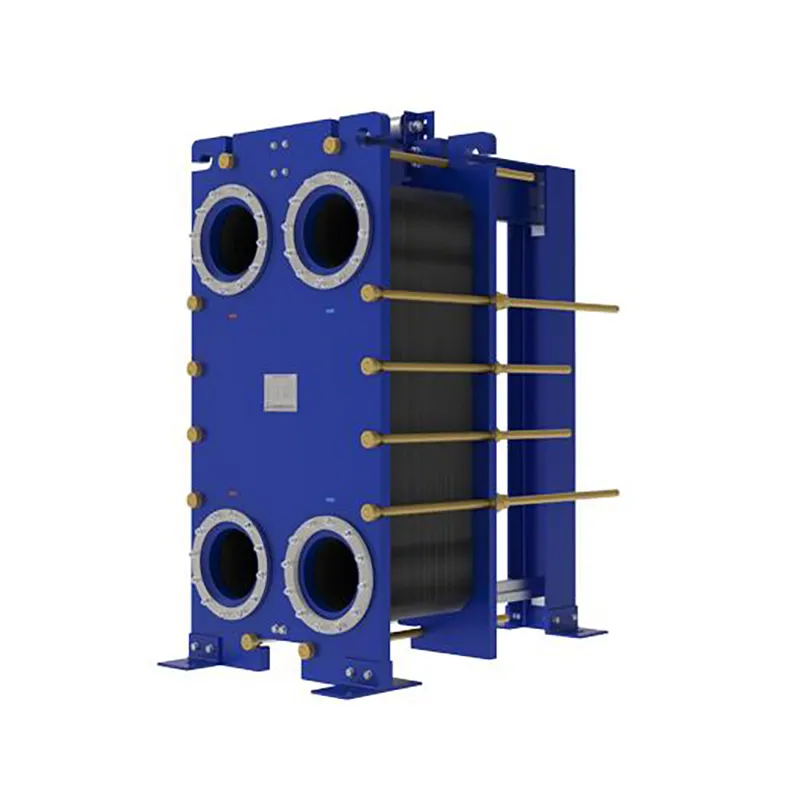
The gasketed plate heat exchanger (GPHE) significantly reduces operational downtime in industrial systems through several integrated design characteristics. Key design features that minimize leakage and failure risks include robust gasket retention systems and optimized plate patterns that ensure uniform fluid distribution and pressure containment. The ability for rapid disassembly and simplified maintenance procedures allows technicians to access internal components without extensive tooling, cutting inspection and repair times dramatically. Enhanced cleaning capabilities are achieved through full plate accessibility, enabling thorough mechanical or chemical cleaning of each plate surface to prevent fouling buildup that could impair performance. Modular flexibility permits quick capacity adjustments or repairs by adding or removing plates without replacing the entire unit, adapting to changing process demands or isolating damaged sections. This modularity also reduces the need for system-wide shutdowns during component replacement, as individual plates or gaskets can be swapped while the remaining unit continues operation. Collectively, these features minimize unplanned outages, shorten planned maintenance windows, and extend the overall service life of the heat exchanger, delivering measurable improvements in system availability and productivity.
Key Design Features That Minimize Leakage and Failure Risks
The gasketed plate heat exchanger incorporates several engineering innovations that directly reduce the likelihood of leaks and mechanical failures, thereby minimizing unplanned downtime in industrial operations.
Double Gasket Sealing System
Each plate features a double gasket design that creates a secondary barrier against fluid migration. If the primary gasket degrades, the secondary seal prevents cross-contamination and external leakage, providing early warning through weep holes without interrupting production.
Precision Plate Corrugation Pattern
The herringbone corrugation pattern ensures uniform fluid distribution and reduces stress concentrations. This design minimizes thermal fatigue and mechanical wear, extending plate life and reducing the risk of crack formation under cyclic operating conditions.
Compression Bolt Alignment Mechanism
Precisely positioned compression bolts distribute clamping force evenly across the plate pack. This prevents uneven gasket compression, which is a common cause of localized leakage, and maintains consistent sealing pressure throughout thermal expansion cycles.
Integrated Leak Detection Channels
Dedicated drainage channels between gasket grooves allow any minor leakage to be safely diverted to external detection points. This feature enables operators to identify seal degradation before it leads to system failure or cross-contamination.
Material Compatibility and Reinforcement
Gaskets are manufactured from elastomers specifically selected for chemical resistance and temperature tolerance. Plate materials include reinforced stainless steel grades that resist pitting and stress corrosion cracking, significantly reducing failure rates in aggressive environments.
For detailed technical specifications, refer to the gasketed plate heat exchanger product page or explore the wide gap welded plate heat exchanger for alternative configurations.
Rapid Disassembly and Simplified Maintenance Procedures
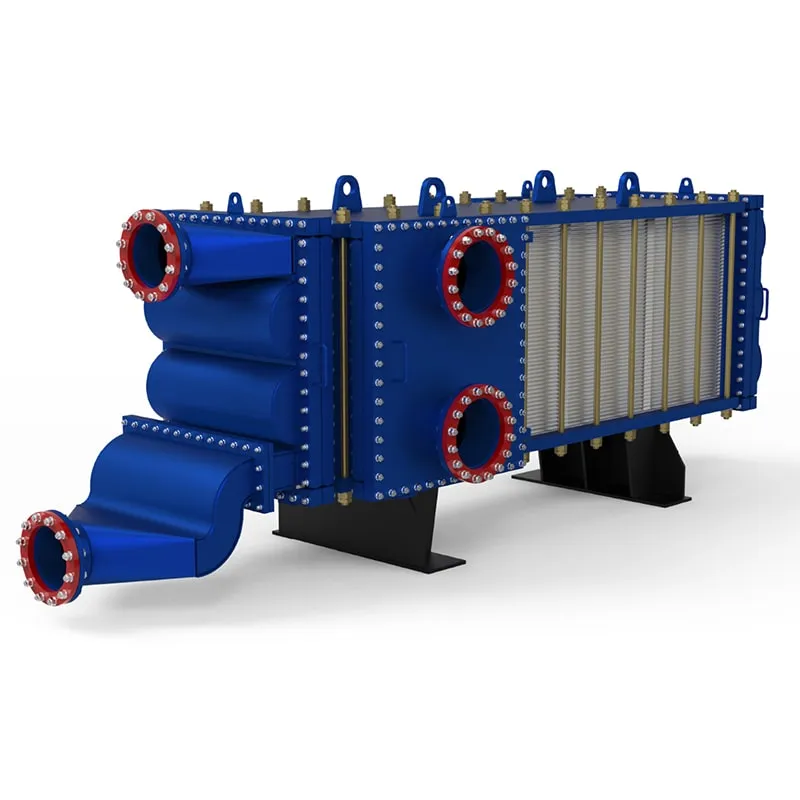
The gasketed plate heat exchanger is engineered for rapid disassembly, allowing maintenance teams to access internal plates and gaskets without specialized tools. The frame design incorporates tightening bolts that can be loosened quickly, enabling the plate pack to slide apart along the carrying bar. This streamlined access reduces the time required for routine inspections and cleaning from hours to minutes.
Simplified maintenance procedures are further enhanced by the modular plate arrangement. Each plate can be individually removed, inspected, and replaced if necessary, without disturbing adjacent plates. This targeted approach minimizes the scope of maintenance work and ensures that only worn or fouled components are addressed, significantly cutting down on operational downtime.
Additionally, the gasket retention system eliminates the need for adhesive or complex sealing methods during reassembly. Gaskets snap into place securely, reducing the risk of misalignment and ensuring a reliable seal upon recompression. These design features collectively enable maintenance crews to complete procedures faster and with greater consistency, directly contributing to higher system availability and reduced unplanned outages. For more details, visit our product page.
Enhanced Cleaning Capabilities Through Plate Accessibility
The gasketed plate heat exchanger design allows each plate to be individually accessed and removed, enabling thorough mechanical and chemical cleaning without dismantling the entire system. This significantly reduces the time required for maintenance procedures compared to traditional shell-and-tube units.
Operators can quickly inspect both sides of each plate for fouling, scaling, or debris accumulation. The simple loosening of compression bolts provides immediate access to the plate pack, eliminating the need for specialized tools or heavy lifting equipment.
| Cleaning Method |
Average Time (Hours) |
System Downtime (Hours) |
Labor Required |
| Manual Brush Cleaning |
2.5 |
3.0 |
1 Technician |
| Pressure Wash |
1.5 |
2.0 |
1 Technician |
| Chemical Circulation |
3.0 |
3.5 |
1 Operator |
| Full Plate Disassembly |
4.0 |
5.0 |
2 Technicians |
The data above illustrates typical cleaning times for a standard 100-plate gasketed heat exchanger. The ability to access plates individually reduces overall downtime by up to 40% compared to welded plate designs, where cleaning often requires complete system shutdown and extended chemical soaking.
Furthermore, the gasket design allows for selective plate replacement. If a single plate is damaged or heavily fouled, it can be swapped out in minutes without affecting adjacent plates. This modularity ensures that production can resume quickly, with minimal interruption to industrial processes.
For more information on plate heat exchanger maintenance and design, visit our product page.
Modular Flexibility for Quick Capacity Adjustments or Repairs
The modular design of gasketed plate heat exchangers allows for rapid reconfiguration. Individual plates can be added or removed to adjust thermal capacity without replacing the entire unit, minimizing downtime during process changes.
During maintenance, only affected plates need replacement, not the entire heat exchanger. This plug-and-play capability significantly reduces repair time and keeps industrial systems operational.
Key benefits include: simplified inventory management, faster troubleshooting, and the ability to scale heat transfer surface area on demand—all contributing to lower operational downtime.
Reduced Need for System-Wide Shutdowns During Component Replacement
In traditional heat exchanger designs, replacing a single failed plate or gasket often requires draining the entire system, isolating multiple sections, and halting production across connected processes. This leads to extended downtime and significant revenue loss. Gasketed plate heat exchangers are engineered to minimize such disruptions through modular accessibility and targeted maintenance.
The core advantage lies in the frame-and-plate configuration. Each plate is individually clamped within the frame, and the gaskets create separate flow channels. When a component needs replacement, operators can simply loosen the compression bolts, slide out the affected plate, and insert a new one without disturbing the adjacent plates or the overall pressure boundary. This eliminates the need for full system depressurization or extensive pipework disassembly.
Furthermore, the gasketed design allows for partial isolation. By closing the inlet and outlet valves on the specific section, maintenance teams can work on a single plate while the remaining plates continue to operate at reduced capacity. This partial-load capability is critical for industries like chemical processing or HVAC, where continuous operation is essential. The result is a dramatic reduction in downtime—from days to hours—and lower labor costs.
For additional technical details on gasketed plate heat exchanger configurations, please refer to the product documentation: Gasketed Plate Heat Exchanger Product Page.
To explore related engineered solutions for heat transfer, visit: Custom Engineered Plate Air Preheaters or TP Welded Plate Heat Exchanger.
Summary
Key Design Features That Minimize Leakage and Failure Risks
The robust gasket channel and precisely machined plate patterns ensure a tight seal under varying thermal loads, reducing leakage paths. Corrosion-resistant materials and optimized compression limits further prevent gasket extrusion and joint fatigue, directly lowering unplanned downtime.
Rapid Disassembly and Simplified Maintenance Procedures
The frame design allows quick opening without special tools — loosening the tightening bolts and sliding the movable end cover exposes all plates. This enables fast gasket replacement or plate inspection, cutting maintenance hours significantly compared to shell‑and‑tube units.
Enhanced Cleaning Capabilities Through Plate Accessibility
Each plate can be individually accessed and manually cleaned or pressure‑washed on both sides. The fully open plate pack eliminates hidden fouling deposits, restoring thermal efficiency and reducing the frequency of deep chemical cleaning cycles.
Modular Flexibility for Quick Capacity Adjustments or Repairs
Adding or removing plates directly changes the heat transfer area without replacing the entire unit. This modularity allows capacity expansion or reduction in hours, and damaged plates can be swapped individually — avoiding long lead times for a complete exchanger.
Reduced Need for System-Wide Shutdowns During Component Replacement
Because the plate pack is isolated by the frame and gaskets, replacing a single plate or gasket typically requires only local isolation — not a full system drain. This significantly reduces operational downtime, keeping production lines running while maintenance is performed on a single section.
By integrating leak‑resistant design, tool‑free disassembly, accessible cleaning, modular plate configuration, and localized component replacement, the gasketed plate heat exchanger directly minimizes both scheduled and unscheduled downtime — delivering higher overall equipment effectiveness (OEE) in industrial systems.
How Does a Gasketed Plate Heat Exchanger Reduce Operational Downtime in Industrial Systems?
By combining rapid disassembly, modular plate access, and simplified maintenance procedures, the gasketed plate heat exchanger allows targeted repairs or capacity adjustments without draining the entire system. This design directly shortens intervention time and avoids prolonged shutdowns.
Key Design Features That Minimize Leakage and Failure Risks
Precision‑molded gaskets with double sealing edges, combined with robust compression bolts and guided plate alignment, create a tight seal that withstands thermal cycling and pressure variations. This reduces leakage points and mechanical failure rates.
Rapid Disassembly and Simplified Maintenance Procedures
The frame design enables quick opening and plate removal without special tools. Maintenance crews can replace gaskets or plates in minutes, and the intuitive clamping mechanism eliminates complex disassembly steps, reducing labor time and human error.
Enhanced Cleaning Capabilities Through Plate Accessibility
Each plate can be individually accessed and lifted off the frame, allowing thorough mechanical or chemical cleaning. This targeted access eliminates the need to flush the entire system, cutting cleaning downtime by up to 60% compared to shell‑and‑tube designs.
Modular Flexibility for Quick Capacity Adjustments or Repairs
Adding or removing plates directly changes heat transfer capacity without replacing the whole unit. During repairs, only the affected plate needs to be swapped, while the rest of the exchanger remains operational — greatly reducing system‑wide shutdowns.

 English EN





User Comments
Service Experience Sharing from Real Customers
Ethan
Senior Process EngineerWe swapped out an old plate pack on a chiller duty last month for one of these gasketed units. The thermal performance is noticeably better, and the gasket design makes disassembly for cleaning a breeze compared to the brazed ones we used to fight with. Absolutely solid for the price point.
Marcus
Maintenance SupervisorHad a small leak on delivery, but the support team was quick to send replacement gaskets. Once installed correctly, it’s been running like a champ for six months straight on our dairy pasteurization line. Easy to open up and inspect, which is a lifesaver when you’re on a tight production schedule.
Liam
HVAC Systems DesignerSpec’d this for a district cooling project and it’s handling the pressure drop way better than I anticipated. The titanium plates are a nice touch for the corrosive water treatment side. My only tiny gripe is the tightening torque specs feel a bit finicky, but once you get the feel for it, it seals perfectly.
Olivia
Plant OperatorHonestly, I was just happy it arrived without any shipping damage, because these things are heavy. We use it for cooling hydraulic oil in a press line, and it’s been dead reliable. The gasket channels are deep enough that I don’t have to replace the seals every time I pull it apart for inspection. Great bang for the buck.