When you are evaluating heat transfer equipment for a chemical plant, refinery, or HVAC system, the choice between a welded vs gasketed plate heat exchanger is rarely straightforward. Both designs use corrugated plates to create turbulent flow and achieve high heat transfer coefficients, but their construction differences lead to very different operating envelopes and maintenance routines. Understanding these differences helps you avoid costly downtime and ensures your system runs efficiently over its full lifecycle.
What Is the Core Difference Between Welded and Gasketed Plate Heat Exchangers?
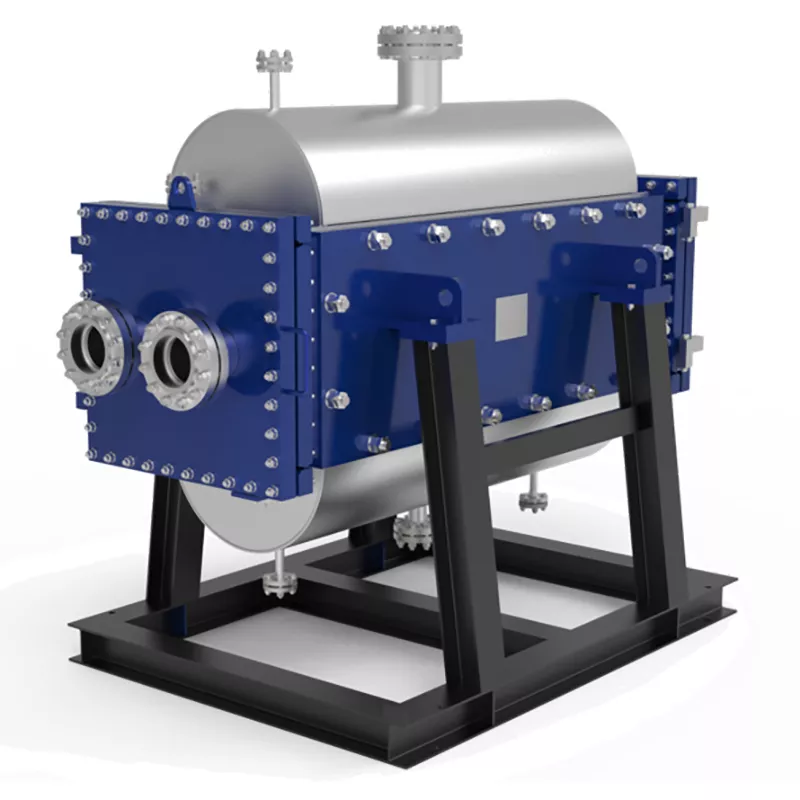
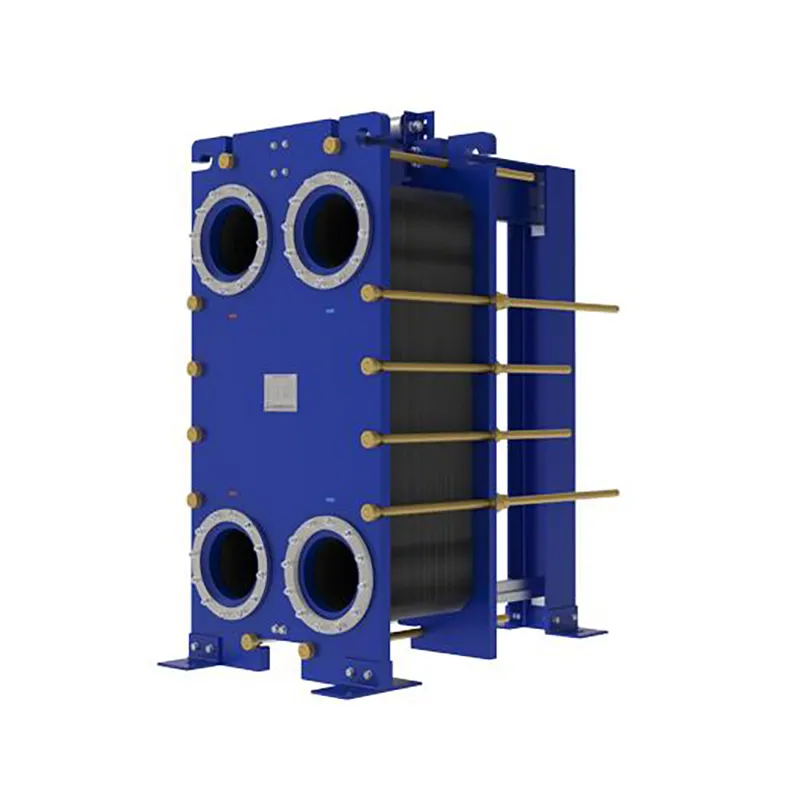
The fundamental difference lies in how the plate pack is sealed. A gasketed plate heat exchanger (GPHE) uses elastomeric gaskets between each plate to contain the fluids. These gaskets allow the plate pack to be opened for cleaning, inspection, or plate replacement. In contrast, a welded plate heat exchanger (WPHE) has its plates permanently joined — typically by laser welding or diffusion bonding — eliminating gaskets entirely. This makes the welded design more robust for high-pressure and high-temperature services, but it also means the unit cannot be mechanically cleaned or serviced without cutting the welds.
From a performance standpoint, welded vs gasketed plate heat exchanger designs both deliver excellent thermal efficiency, but the welded version can handle pressures up to 40 bar (580 psi) and temperatures up to 400°C (752°F), while standard gasketed units are typically limited to 25 bar (363 psi) and 180°C (356°F). For extreme conditions, such as those found in ammonia plants or high-temperature chemical processes, the welded option is often the only viable choice.
How Does Maintenance Compare Between the Two Designs?
Maintenance is where the trade-offs become most apparent. Gasketed units offer full access to all heat transfer surfaces. You can open the frame, slide out the plate pack, and inspect or clean each plate individually. Gasket replacement is a routine procedure, typically required every 3–5 years depending on fluid temperature and chemical compatibility. This makes GPHEs ideal for processes with fouling fluids or where frequent cleaning is expected.
Welded plate heat exchangers, on the other hand, cannot be opened for mechanical cleaning. If fouling occurs, the only options are chemical cleaning-in-place (CIP) or, in severe cases, replacement of the entire plate pack. However, because welded units have no gaskets, they eliminate the risk of gasket blowout and external leakage. For clean fluids or closed-loop systems, this can mean years of uninterrupted operation with minimal maintenance. The welded vs gasketed plate heat exchanger decision often hinges on whether you prioritize ease of cleaning or long-term leak-free operation.
Performance Parameters: A Side-by-Side Comparison
To help you make an informed choice, here is a comparison of typical performance ranges for both designs. These values represent industry-standard capabilities and should be verified against your specific process conditions.
| Parameter |
Gasketed Plate Heat Exchanger |
Welded Plate Heat Exchanger |
| Maximum pressure |
25 bar (363 psi) |
40 bar (580 psi) |
| Maximum temperature |
180°C (356°F) |
400°C (752°F) |
| Heat transfer coefficient |
3,000–7,000 W/m²·K |
3,000–7,000 W/m²·K |
| Fouling resistance |
Moderate (gaskets limit chemical cleaning) |
Low (CIP only, no mechanical cleaning) |
| Leakage risk |
Higher (gasket aging) |
Very low (no gaskets) |
| Maintenance frequency |
Every 3–5 years (gasket replacement) |
Minimal (chemical cleaning as needed) |
As the table shows, the welded vs gasketed plate heat exchanger choice is not about which is "better" overall — it is about which design matches your process conditions. For example, if your system operates above 25 bar or 180°C, a welded unit is your only option. If you handle fluids with high fouling potential, a gasketed unit gives you the flexibility to clean mechanically.
Typical Applications for Each Design
Gasketed plate heat exchangers are widely used in HVAC, food and beverage processing, pharmaceutical manufacturing, and general industrial heating and cooling. They are also common in district energy systems and as alternatives to shell-and-tube units where space is limited. Their ability to be opened and cleaned makes them suitable for processes involving milk, juice, beer, and other products where hygiene is critical.
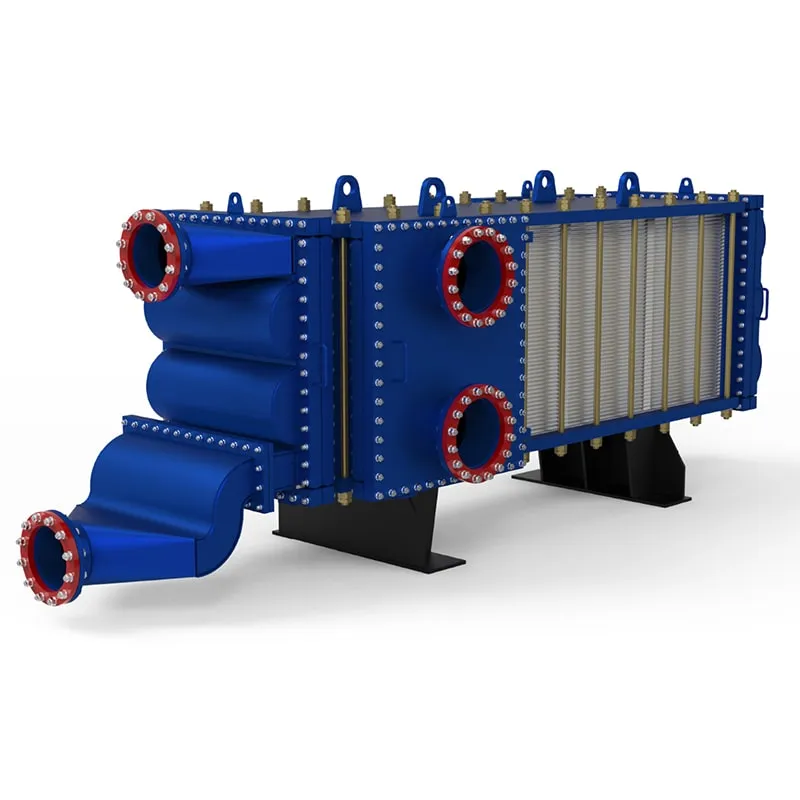
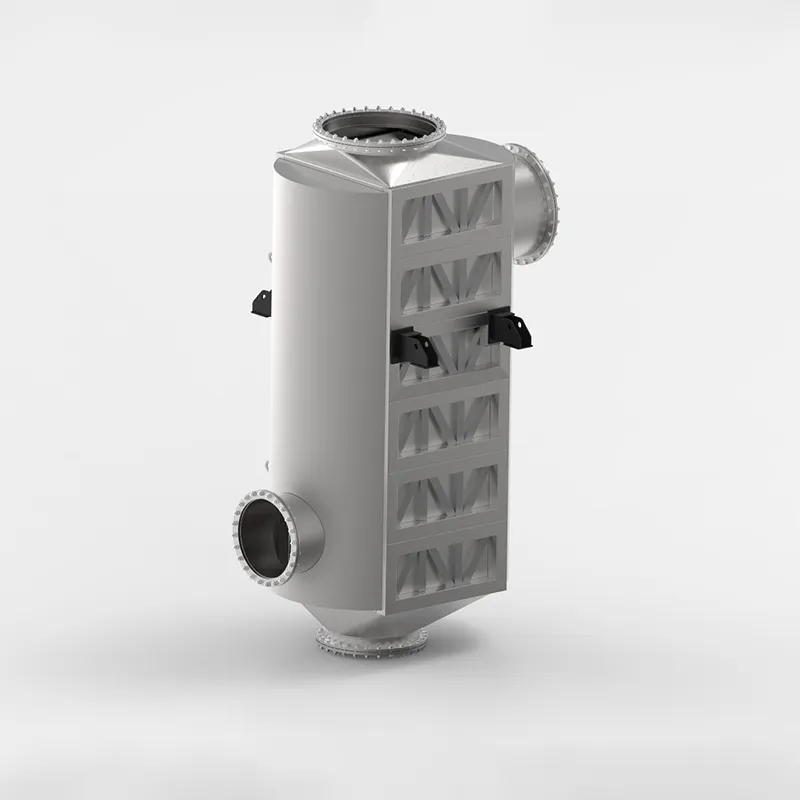
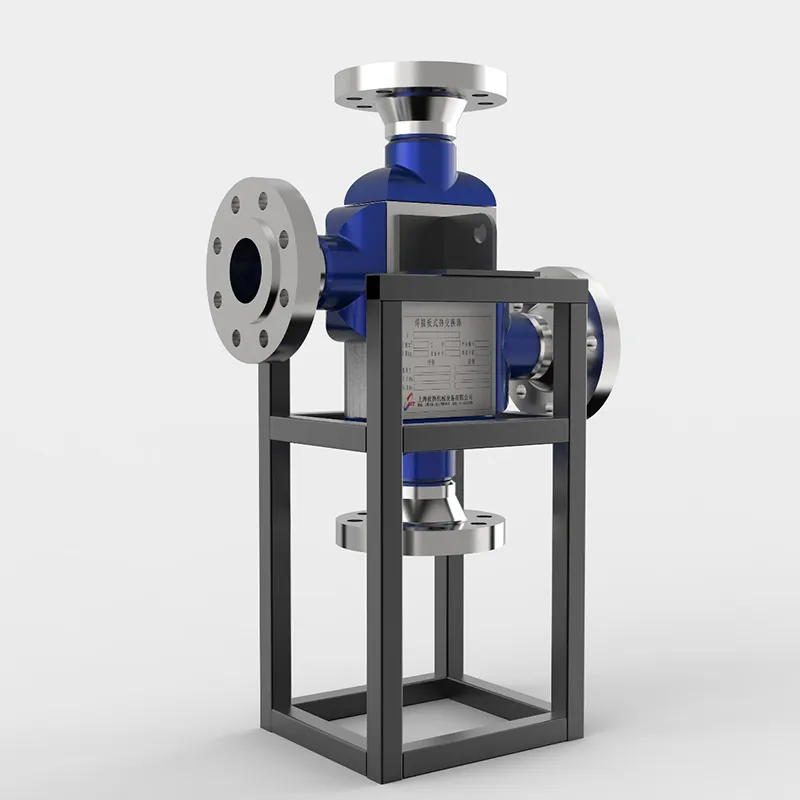
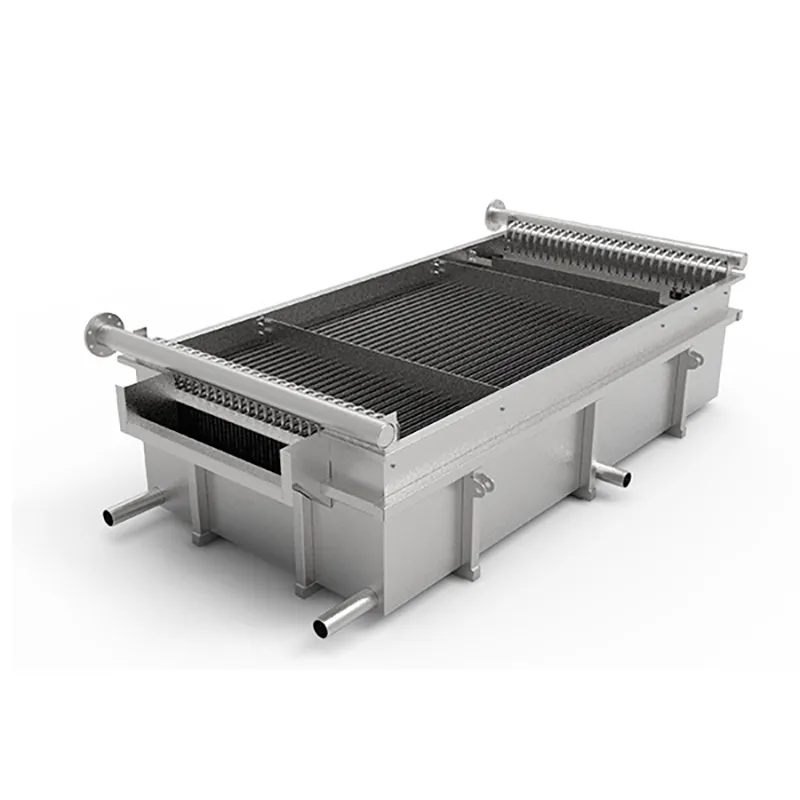
Welded plate heat exchangers, including fully welded and semi-welded variants, are preferred in chemical processing, oil and gas, petrochemicals, and power generation. They handle aggressive media like acids, solvents, and high-temperature oils without the risk of gasket failure. SHPHE's HT-Bloc welded plate heat exchanger and wide gap welded plate heat exchanger are designed for such demanding environments, offering robust construction and long service life.
For applications where both high pressure and fouling fluids are present, a semi-welded design can be a good compromise. In this configuration, one fluid path is welded and the other is gasketed, allowing the corrosive or high-pressure fluid to stay in the welded side while the fouling side remains accessible for cleaning. This approach is common in the ammonia and refrigeration industries.
Why Choose SHPHE for Your Plate Heat Exchanger Needs?
SHPHE is a Shanghai-based manufacturer with over 18 years of experience in plate heat exchanger design and production. Since 2005, we have supplied equipment to more than 20 countries, and our manufacturing facility holds ISO9001 and ASME U certifications. Our product range includes gasketed plate heat exchangers, fully welded units, wide gap designs, and specialized products like printed circuit heat exchangers (PCHE) and plate air preheaters.
When you compare welded vs gasketed plate heat exchanger options, SHPHE offers both, so you get unbiased technical recommendations. We provide free thermal design and selection services — our engineers calculate the exact plate configuration, number of passes, and material selection based on your process data. This ensures the unit you receive is optimized for your specific flow rates, temperatures, and pressure drops.
We also understand that budget and lead time matter. Our gasketed units are cost-effective for standard applications, while our welded series — including the TP welded plate heat exchanger — is built for longevity in harsh services. Whether you need a replacement for an existing Alfa Laval or Compabloc unit, or a custom solution for a new project, SHPHE can deliver.
Frequently Asked Questions About Welded vs Gasketed Plate Heat Exchangers
Q: Can a gasketed plate heat exchanger handle high-pressure steam?
A: No, standard gasketed units are not suitable for high-pressure steam. The gaskets degrade quickly at temperatures above 180°C, and the pressure rating is limited to around 25 bar. For steam applications, a welded plate heat exchanger is recommended, as it can handle higher temperatures and pressures without leakage.
Q: How often do gaskets need to be replaced in a GPHE?
A: Typically every 3 to 5 years, depending on the fluid temperature, chemical compatibility, and operating cycles. If you notice external leaks or a drop in thermal performance, it is time to inspect and replace the gaskets. Using high-quality elastomers like EPDM or Viton can extend service life.
Q: What is the main disadvantage of a welded plate heat exchanger?
A: The main disadvantage is the inability to mechanically clean the plates. If fouling occurs, chemical cleaning-in-place is the only option. In severe cases, the entire plate pack may need replacement. This makes welded units less suitable for heavily fouling fluids unless a wide gap design is used.
Q: Are welded plate heat exchangers compatible with existing gasketed frames?
A: Generally no. Welded units have a different plate pack construction and cannot be retrofitted into a gasketed frame. However, SHPHE can design a welded unit with similar footprint and connection sizes to simplify replacement of an existing GPHE in a skid or piping system.
Q: Which design is more cost-effective for a clean fluid application?
A: For clean fluids like closed-loop cooling water or glycol, a gasketed unit is usually more cost-effective upfront. However, if the system operates at high pressure or temperature, a welded unit may have a lower total cost of ownership due to reduced maintenance and longer service intervals.
Q: Can SHPHE provide a unit that is compatible with an Alfa Laval or Compabloc design?
A: Yes, SHPHE offers replacement plate packs and complete units that are compatible with many major brands, including Alfa Laval and Compabloc. We can match the thermal performance and connection dimensions, so you can upgrade or replace without modifying your existing piping.
Request a Quote for Your Welded vs Gasketed Plate Heat Exchanger
Choosing between a welded vs gasketed plate heat exchanger depends on your specific process parameters. To get an accurate recommendation and a tailored thermal design, please provide the following details when you reach out:
- Flow rate for both hot and cold fluids (m³/h or GPM)
- Inlet and outlet temperatures (°C or °F)
- Operating pressure (bar or psi)
- Fluid type and composition (including any fouling or corrosive elements)
- Acceptable pressure drop
- Preferred material (stainless steel, titanium, etc.)
Once we receive your data, our engineering team will prepare a free thermal selection and a detailed quotation. Whether you need a gasketed unit for a food plant or a fully welded exchanger for a chemical reactor, SHPHE has the experience and product range to deliver. Contact us today to start your project.
In summary, the welded vs gasketed plate heat exchanger decision should be driven by your operating conditions, maintenance capabilities, and long-term cost goals. Both designs offer excellent heat transfer, but their strengths lie in different areas. By understanding the performance and maintenance trade-offs, you can select the right unit for your process and avoid unexpected downtime.

 English EN





User Comments
Service Experience Sharing from Real Customers
MikeRodriguez
Maintenance SupervisorSwitched from a gasketed unit to a welded one for our ammonia cooling loop six months ago. The gasketed was constantly leaking after thermal cycling, and I was spending every weekend retorquing bolts. The welded version has been zero-maintenance so far. Only downside is you can't clean the plates, but for a clean fluid service, it's a no-brainer.
SarahK.
Process EngineerWe use gasketed units for our dairy pasteurization because we have to open them up for CIP inspections every night. Gasketed is the only way to go for food-grade hygiene. I've seen welded ones in our HVAC system, and they're great for closed loops, but for anything that needs regular mechanical cleaning, gasketed wins hands down. Different tools for different jobs.
TomH
Plant ManagerWe had a nightmare with gasketed exchangers in our refinery's lube oil system. The high temps kept degrading the gaskets, and we had to shut down every three months for replacements. Installed a fully welded unit last year, and it's been running 24/7 without a single drip. The initial cost was higher, but the downtime savings paid for itself in under a year.
EmilyChen
Facilities TechnicianI've worked with both types in our university's district heating system. The gasketed ones are easier to troubleshoot when you suspect fouling, but they're a pain to get spare gaskets for older models. The welded units are bulletproof but if something goes wrong inside, you're basically buying a new core. I'd pick welded for reliability, but keep a spare on the shelf.