When process conditions push beyond the limits of traditional gasketed designs, the all welded plate heat exchanger steps in as the workhorse solution. This article explores how its robust construction handles high temperatures, aggressive media, and pressure differentials that would compromise conventional units. We will look at real-world applications, design principles, and what makes this technology a long-term investment for demanding industries.
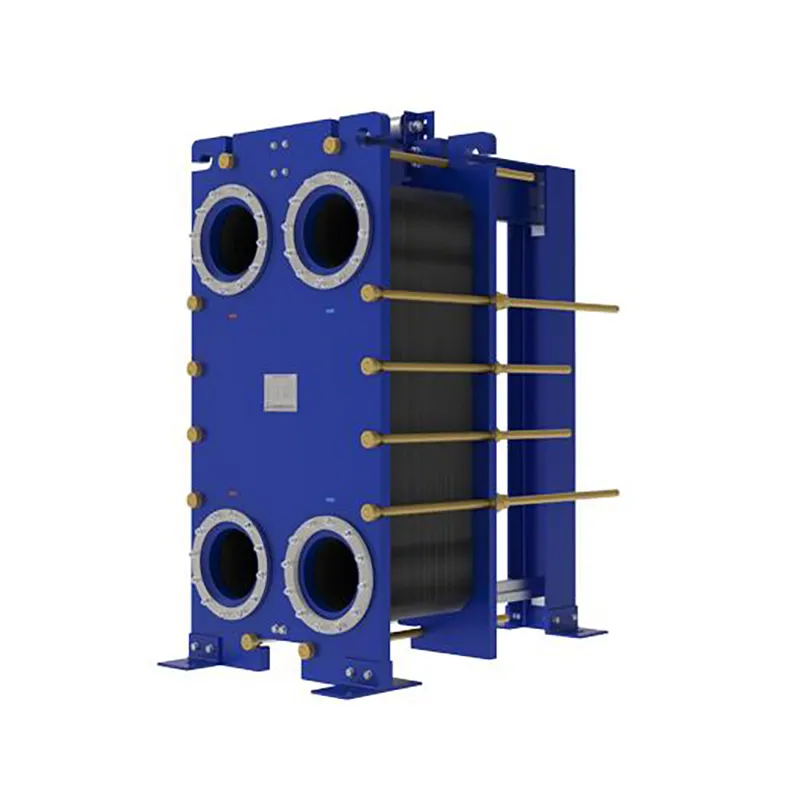
If you have ever dealt with leaking gaskets, frequent maintenance shutdowns, or fluids that simply cannot be contained by elastomeric seals, you already understand the appeal of a fully welded construction. The all welded plate heat exchanger eliminates the weakest link in traditional plate-and-frame units—the gasket. By fusing the plates together through laser or TIG welding, manufacturers create a sealed, leak-proof channel system that withstands far more aggressive operating environments. This design is not just a minor upgrade; it is a fundamental shift in how heat transfer equipment handles extreme conditions.
Why Choose a Fully Welded Construction?
The primary advantage of an all welded plate heat exchanger lies in its ability to handle fluids that would otherwise destroy or degrade gasketed seals. Hydrocarbons, aromatic solvents, heat transfer oils, and refrigerants often contain chemicals that attack elastomers. In a welded unit, there are no gaskets to worry about, which means no swelling, hardening, or cracking over time. This translates directly into reduced downtime and lower maintenance costs over the equipment's lifespan.
Another significant benefit is the ability to operate at higher temperatures and pressures. While a standard gasketed plate heat exchanger might be limited to around 180°C and 16 bar, welded versions can comfortably handle temperatures up to 400°C and pressures exceeding 40 bar, depending on the specific design and materials used. This opens up applications in processes where steam, thermal fluids, or high-pressure gases are involved.
Design Features That Make a Difference
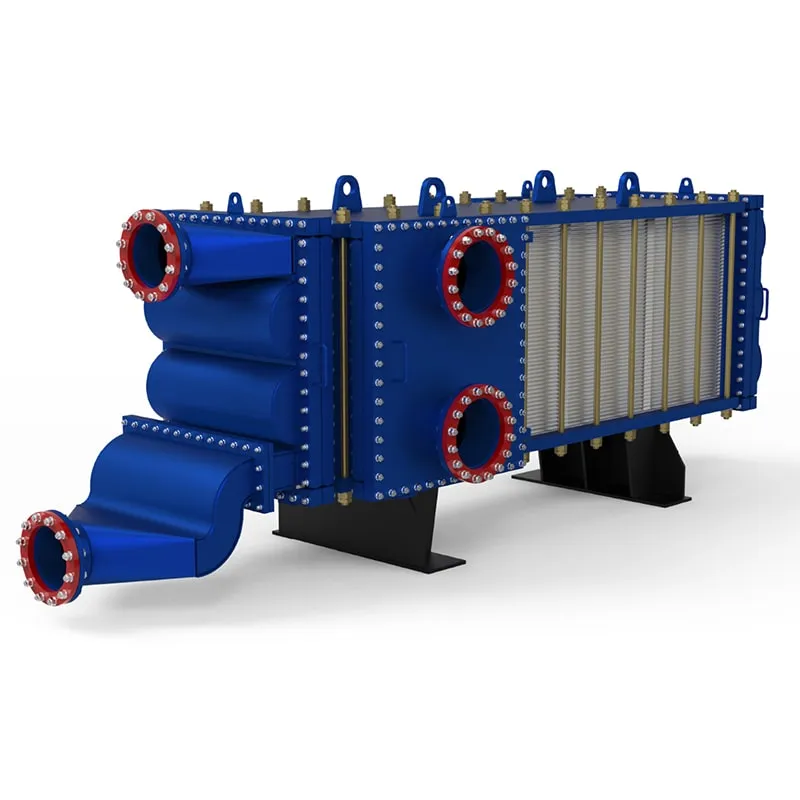
The plates in a welded heat exchanger are typically made from stainless steel, titanium, or nickel alloys, chosen based on the corrosiveness of the process media. The corrugated pattern on each plate creates turbulence in the fluid flow, which enhances heat transfer coefficients significantly compared to smooth tubes. This means that for the same duty, a welded plate unit can be much more compact than a shell-and-tube exchanger.
One of the clever aspects of this design is how it handles thermal expansion. Because the plates are welded together in a cassette or cartridge arrangement, the bundle can expand and contract freely within the outer frame. This prevents the kind of thermal stress that can crack welds or distort the plate pack in less thoughtfully designed equipment. The result is a unit that maintains its integrity even through thousands of thermal cycles.
Applications in Harsh Industrial Environments
In the chemical processing industry, these exchangers are often found handling sulfuric acid, caustic soda, and various organic intermediates. The pharmaceutical sector uses them for solvent recovery and for heating or cooling sensitive reaction mixtures where contamination from gasket material is unacceptable. Offshore oil and gas platforms rely on welded plate exchangers for cooling hydraulic systems and for processing seawater, where the combination of high pressure and corrosive saltwater would quickly destroy a gasketed unit.
The food and beverage industry also benefits, particularly in processes requiring frequent cleaning and sterilization. The smooth, crevice-free surfaces of welded channels are easier to clean in place (CIP) and do not harbor bacteria as readily as gasketed designs. This makes them a preferred choice for pasteurizers and for cooling viscous products like chocolate or margarine.
Comparing Welded Plate Designs to Other Technologies
When compared to shell-and-tube exchangers, the welded plate unit offers a much smaller footprint and higher thermal efficiency. The turbulent flow induced by the corrugated plates means that fouling is less likely to build up, and when it does, the unit can often be cleaned chemically without disassembly. This is a major advantage in processes where downtime is extremely costly.
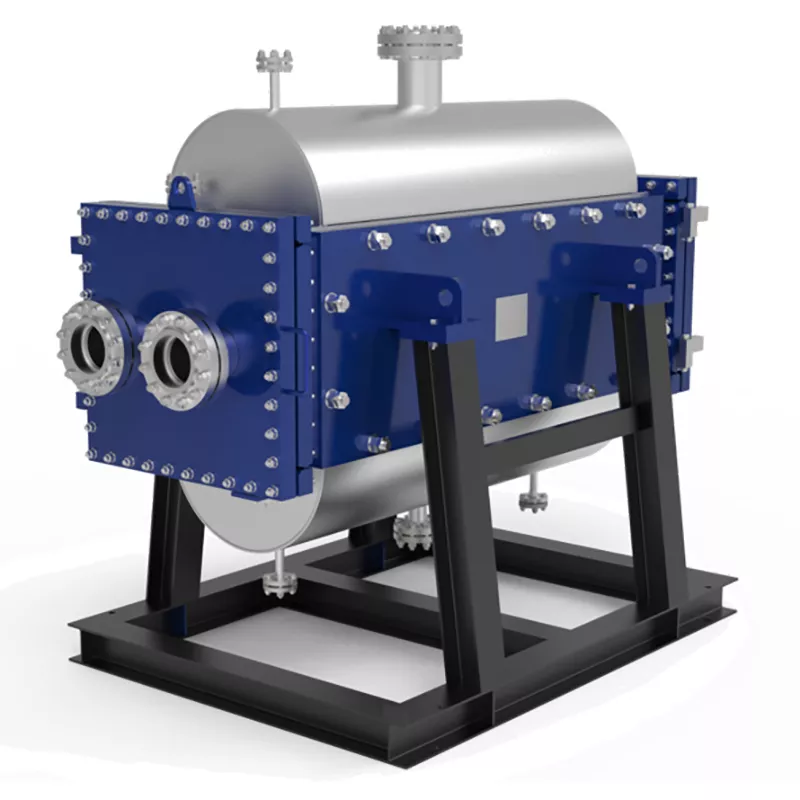
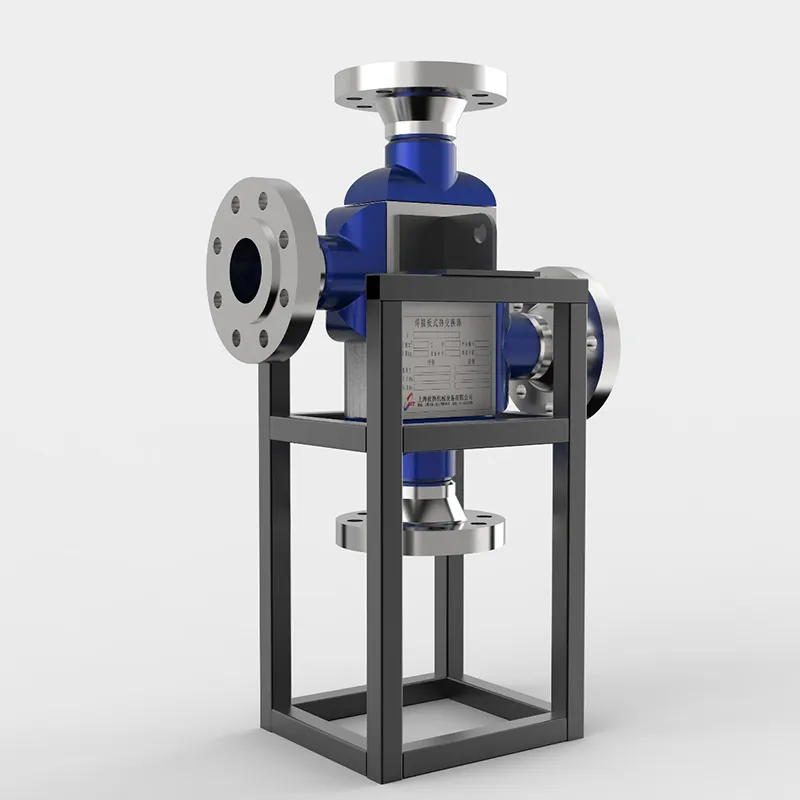
For those considering a TP welded plate heat exchanger, the design offers a unique balance between serviceability and robustness. Unlike fully welded units that cannot be opened for mechanical cleaning, the TP design allows access to one side of the plate pack while keeping the other side hermetically sealed. This is particularly useful when one fluid is prone to fouling while the other is hazardous or requires absolute containment.
Another variant worth mentioning is the wide gap welded plate heat exchanger, which is designed for fluids containing fibers, particles, or high-viscosity media. The wider channel spacing prevents clogging and allows for the processing of slurries and pulps that would quickly block a standard plate unit. This makes it a popular choice in pulp and paper mills, wastewater treatment plants, and food processing lines handling chunky products.
Maintenance Considerations and Long-Term Reliability
One of the common misconceptions about welded plate exchangers is that they cannot be repaired if a leak develops. While it is true that the plate pack cannot be opened like a gasketed unit, modern designs often incorporate a removable cassette. This allows the entire plate bundle to be extracted and either repaired or replaced without moving the pressure vessel shell. In practice, this means that a unit can be back in service within a day, rather than the weeks required for a full replacement.
Preventive maintenance is largely focused on monitoring pressure drop and temperature approach. An increase in pressure drop across the unit typically indicates fouling, which can often be addressed through chemical cleaning without opening the unit. For processes where the product is extremely viscous or prone to polymerization, some operators choose to install a standby unit that can be swapped in while the primary unit is being cleaned, ensuring uninterrupted production.
Material Selection and Corrosion Resistance
The choice of plate material is critical to the long-term performance of a welded heat exchanger. Stainless steel grades like 316L are suitable for many general applications, but for highly corrosive media, alloys such as Hastelloy C-276, Inconel 625, or titanium are often specified. The welding process itself must be carefully controlled to preserve the corrosion resistance of the base material, particularly in the heat-affected zone around the welds.
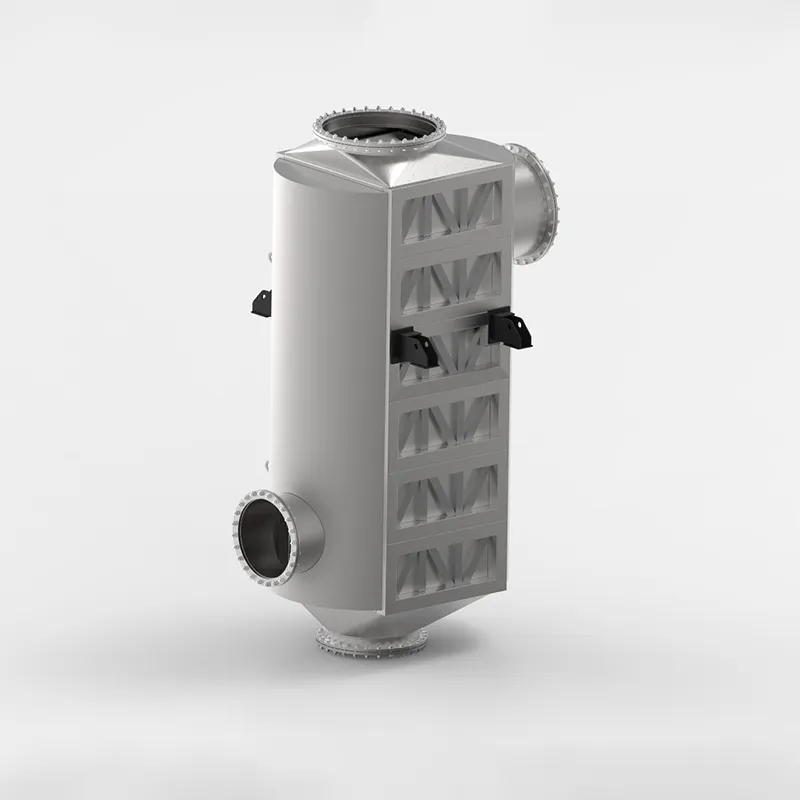
For applications involving custom engineered plate air preheaters, the ability to use thin plates (typically 0.4 to 0.8 mm) while maintaining structural integrity is a key advantage. The thin material allows for excellent heat transfer, while the welded construction provides the strength needed to handle the pressure differential between the flue gas and the combustion air. This is a classic example of how welded plate technology enables energy recovery in processes that would be impossible with other heat exchanger types.
Economic Considerations: Initial Cost vs. Lifetime Value
It is fair to say that an all welded plate heat exchanger carries a higher upfront cost than a comparable gasketed unit. However, when you factor in the reduced maintenance, the elimination of gasket replacement costs, and the extended service life, the total cost of ownership often favors the welded design. In industries where unplanned downtime can cost tens of thousands of dollars per hour, the reliability of a welded unit quickly pays for itself.
Another economic benefit is the compact footprint. Because welded plate exchangers are significantly smaller and lighter than shell-and-tube units for the same duty, they require less structural support and occupy less valuable floor space. In offshore platforms or skid-mounted process packages, this space saving can be a decisive factor in the equipment selection process.
Working with a Custom Manufacturer
Not all welded plate heat exchangers are created equal. The quality of the welding, the precision of the plate pressing, and the attention to detail in the frame design all contribute to the final performance and reliability. When selecting a supplier, it is worth looking for a manufacturer with a proven track record in your specific industry. A partner who understands the nuances of your process fluids, operating pressures, and cleaning protocols can help you specify a unit that will deliver optimal performance for decades.
For those exploring options, the gasketed plate heat exchangers page provides a useful comparison point, while the custom engineered printed circuit heat exchanger offers an alternative for ultra-high-pressure applications. Each technology has its place, and the right choice depends on your specific process requirements.
Final Thoughts on Welded Plate Technology
The all welded plate heat exchanger represents a mature, proven technology that continues to evolve. Modern manufacturing techniques, including laser welding and advanced plate pressing, have made these units more affordable and more reliable than ever before. Whether you are dealing with high temperatures, corrosive chemicals, or simply want to eliminate the hassle of gasket maintenance, a welded plate unit is worth serious consideration.
If you are evaluating a new heat transfer application or looking to replace an aging exchanger, take the time to discuss your requirements with a knowledgeable engineer. The right equipment choice can have a profound impact on your process efficiency, maintenance workload, and bottom line. With the robust design and proven track record of welded plate technology, it is a solution that deserves a place in your engineering toolkit.

 English EN





User Comments
Service Experience Sharing from Real Customers
Sarah
Maintenance SupervisorWe switched to an all welded plate heat exchanger for our cooling loop last quarter. The lack of gaskets is a huge plus—no more leak headaches during peak season. Performance has been rock solid even with the abrasive slurry we run. Definitely a workhorse.
Mike
Senior Process EngineerSpec’d this for a high-pressure steam recovery application. It took a bit more upfront engineering to get the sizing right, but once installed, the thermal efficiency is exactly what we needed. Only gripe is that cleaning access is trickier compared to a plate-and-frame, but for the reliability gain it's worth it.
Emily
Plant Operations ManagerHad a nightmare with frequent gasket failures on our old units. This all welded design eliminated that issue completely. We’ve been running it 24/7 for eight months now without a single hiccup. Installation was straightforward, and the team appreciated not having to torque gaskets every shutdown.
Tom
HVAC Systems TechnicianReplaced a shell-and-tube on a district cooling skid with one of these. The compact footprint freed up space for other equipment. It handles the temperature swings well, and I haven't had to touch it since commissioning. Only reason it’s not a 5 is that the initial price tag made the boss wince.