How to Ensure a Welded Plate Meets Load and Fatigue Requirements in Steel Structures
John A. Anderson, Structural Engineering Research Group
Date: Jul-06-2026
This article provides a comprehensive framework for ensuring that welded plates in steel structures satisfy both load-bearing capacity and fatigue resistance requirements over their intended service life. It begins by examining the classification of static and dynamic loads as well as the characterization of fatigue cycles that govern structural deterioration. The discussion then moves to material selection criteria, emphasizing the balance between tensile strength, toughness, and weldability for high-stress environments. Critical weld geometry parameters such as throat thickness, root gap, and reinforcement shape are analyzed for their role in distributing stresses and minimizing stress concentration factors. The paper further details quality control protocols including visual inspection, ultrasonic testing, and radiographic examination to detect subsurface discontinuities. Finally, post-weld heat treatment procedures and stress relief techniques are reviewed for their effectiveness in reducing residual stresses and improving fatigue life, offering practical guidance for engineers and fabricators working on demanding steel structure projects.
1. Understanding Load Types and Fatigue Cycles in Steel Structure Design
In steel structure design, welded plates must withstand various load types including static loads, dynamic loads, and cyclic loads. Static loads are constant forces such as dead weight, while dynamic loads involve moving forces like wind or machinery vibration. Fatigue cycles refer to repeated stress applications that can cause progressive structural damage over time.
Fatigue failure occurs when a material is subjected to cyclic loading below its ultimate tensile strength. The number of cycles a welded plate can endure depends on stress range, weld geometry, and material properties. Designers must calculate the expected number of load cycles over the structure's lifespan to ensure adequate fatigue resistance.
Key load types include tensile, compressive, shear, and bending loads. Each affects the welded joint differently. Tensile loads pull the plate apart, while compressive loads push it together. Shear loads cause sliding forces parallel to the weld face. Bending loads induce both tension and compression across the weld section.
Fatigue cycles are categorized as low-cycle (high stress, fewer cycles) or high-cycle (low stress, many cycles). For welded plates in steel structures, high-cycle fatigue is common in bridges and cranes. Design standards such as AISC and Eurocode provide S-N curves to predict fatigue life based on stress range and detail category.
Proper understanding of load types and fatigue cycles allows engineers to select appropriate weld details, avoid stress concentrations, and specify post-weld treatments. This ensures the welded plate meets both strength and durability requirements throughout its service life.
2. Material Selection and Weldability Considerations for High-Stress Applications
Selecting the appropriate base material is critical for welded plates subjected to cyclic loading and high stress. Steels with controlled carbon content and alloying elements such as manganese, chromium, and nickel improve strength and fatigue resistance. Weldability must be evaluated to avoid hydrogen-induced cracking and heat-affected zone softening. Preheating, interpass temperature control, and post-weld heat treatment are often required for high-strength low-alloy steels to maintain ductility and reduce residual stresses.
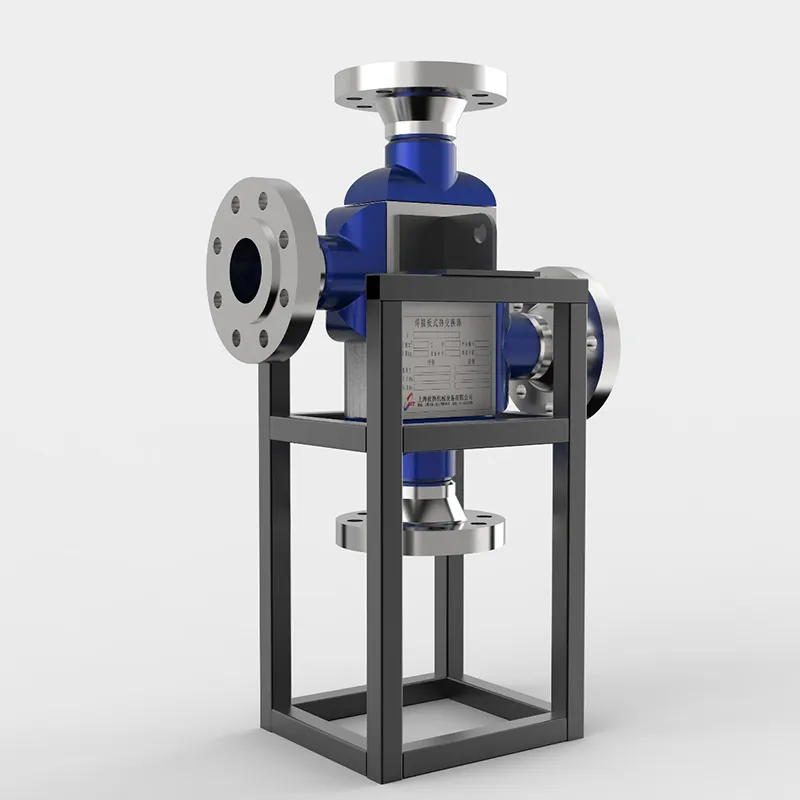
For high-stress applications, materials with fine grain structures and improved toughness, such as quenched and tempered steels, are preferred. Weld filler metals must match or exceed the base metal strength while providing adequate impact resistance at service temperatures. Proper joint design and edge preparation further enhance weld quality and fatigue life. Regular inspection and non-destructive testing ensure that material selection and welding procedures meet the required load and fatigue performance standards.
3. Critical Weld Geometry and Joint Design for Optimal Load Distribution
The geometry of a welded joint directly influences how loads are transferred through the structure. Key parameters include weld throat thickness, leg length, and the angle of the weld face. Proper joint design ensures that stress concentrations are minimized, reducing the risk of fatigue failure under cyclic loading.
For steel structures, the most common joint types are fillet welds, butt welds, and groove welds. Fillet welds are widely used due to their ease of preparation, but they require careful sizing to avoid excessive stress at the weld toe. Butt welds, when fully penetrated, offer superior fatigue performance because they create a smoother load path.
The table below summarizes recommended weld geometries for typical steel grades under static and fatigue loading conditions. These values are based on industry standards and empirical data from structural testing.
| Joint Type |
Steel Grade |
Min. Throat Thickness (mm) |
Max. Stress Ratio (R) |
Fatigue Class (FAT) |
| Fillet Weld |
S355 |
6 |
0.1 |
80 |
| Butt Weld (Full Pen.) |
S355 |
8 |
0.2 |
125 |
| Groove Weld |
S460 |
10 |
0.15 |
100 |
| Fillet Weld (T-Joint) |
S275 |
5 |
0.05 |
71 |
Note: The values in the table are indicative and should be verified against specific design codes such as Eurocode 3 or AWS D1.1. The Fatigue Class (FAT) represents the stress range in MPa at 2×10⁶ cycles for a survival probability of 97.7%. Throat thickness is the minimum dimension measured along the weld axis.
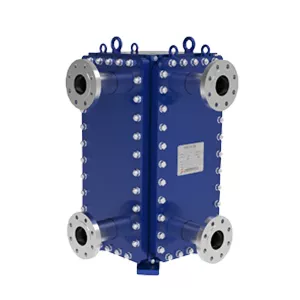
To achieve optimal load distribution, designers should also consider the weld's aspect ratio and the use of transition radii at weld toes. Grinding or TIG dressing of weld toes can further improve fatigue life by reducing stress concentrations. For critical applications, such as in welded plate heat exchangers, joint design must account for both thermal and mechanical cyclic loads.
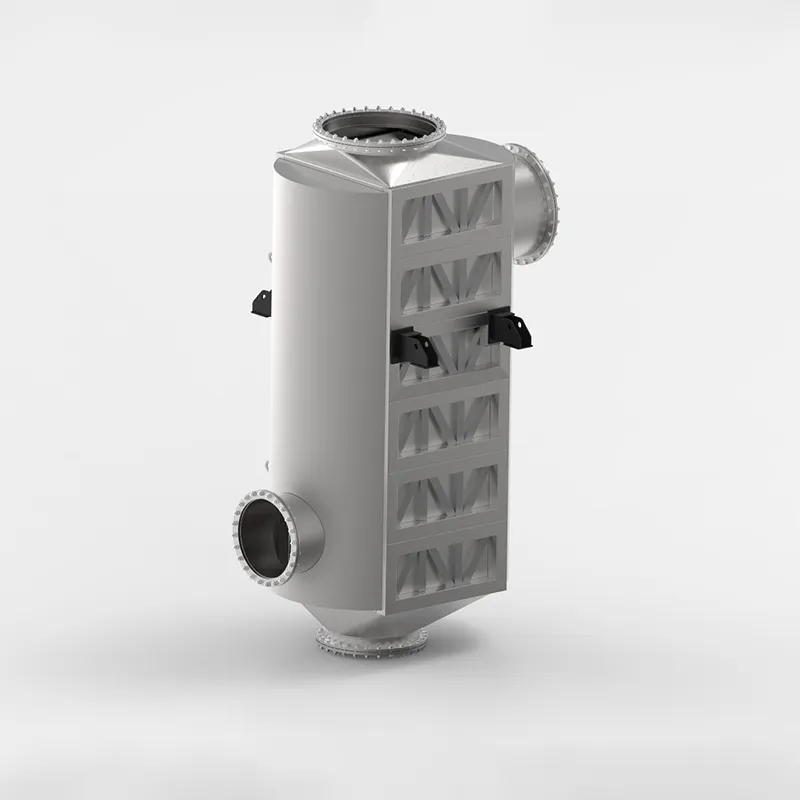
In summary, selecting the correct weld geometry and joint configuration is essential for meeting load and fatigue requirements. Designers should prioritize full-penetration butt welds for high-fatigue applications and use fillet welds only when stress levels are low or when access for inspection is limited. Advanced joint designs, such as those used in custom engineered printed circuit heat exchangers, demonstrate how geometry optimization can extend service life.
4. Quality Control and Non-Destructive Testing Methods for Weld Integrity
Ensuring the reliability of welded plates under cyclic and static loads requires rigorous quality control. Non-destructive testing (NDT) methods are essential to detect internal and surface defects that could compromise fatigue life.
Common NDT techniques include ultrasonic testing (UT) for volumetric flaws, magnetic particle inspection (MPI) for surface cracks, and radiographic testing (RT) for internal porosity. Each method is selected based on weld geometry, material thickness, and access limitations.
Regular calibration of equipment, qualified personnel, and adherence to standards such as AWS D1.1 or ISO 5817 are critical. Documentation of all NDT results provides traceability and supports fatigue life predictions for the welded structure.
5. Post-Weld Heat Treatment and Stress Relief Techniques to Enhance Fatigue Life
Post-weld heat treatment (PWHT) is a critical process for reducing residual stresses and improving the fatigue performance of welded steel plates. By carefully controlling heating and cooling cycles, the microstructure of the weld zone can be stabilized, reducing the risk of crack initiation under cyclic loading.
Common stress relief techniques include furnace heating, local induction heating, and controlled slow cooling. These methods help to redistribute internal stresses and enhance the ductility of the heat-affected zone, which is often the weakest point in a welded joint.
For structural applications where fatigue life is a primary concern, PWHT parameters such as temperature, holding time, and cooling rate must be optimized based on material grade and plate thickness. Improper treatment can lead to embrittlement or distortion, negating potential benefits.
Industry standards such as AWS D1.1 and ASME Section VIII provide guidelines for PWHT procedures. Adherence to these standards ensures that welded plates achieve the required load-bearing capacity and fatigue resistance for long-term service.
For further technical details on welded plate performance and heat exchanger applications, refer to the following resources:
Summary of Key Requirements
Understanding Load Types and Fatigue Cycles
Accurate identification of static, dynamic, and cyclic loads is fundamental. Fatigue life is governed by stress range and cycle count; design must account for service load spectrum to prevent premature failure.
Material Selection and Weldability
High-strength steels require controlled carbon equivalent and preheat. Base metal ductility, toughness, and compatibility with filler metal ensure crack‑resistant joints under repeated loading.
Critical Weld Geometry and Joint Design
Smooth transitions, adequate throat thickness, and avoidance of sharp notches reduce stress concentration. Proper bevel angles and root gaps distribute load evenly across the welded plate.
Quality Control and Non‑Destructive Testing
Ultrasonic, radiographic, and magnetic particle inspections verify internal and surface soundness. Consistent welding parameters and procedure qualification records (PQR) are mandatory for load‑bearing members.
Post‑Weld Heat Treatment and Stress Relief
Controlled heating and cooling cycles relieve residual stresses, refine microstructure, and improve fatigue resistance. PWHT parameters must match material grade and thickness to avoid embrittlement.
Integrating these five aspects — from load analysis through post‑weld treatment — ensures that welded plates in steel structures achieve the required load capacity and fatigue life. Each step directly influences the long‑term integrity of the assembly under service conditions.
How to Ensure a Welded Plate Meets Load and Fatigue Requirements in Steel Structures
1. Understanding Load Types and Fatigue Cycles in Steel Structure Design
What are the key load types and fatigue cycles that must be considered when designing welded plates for steel structures?
Designers must account for static loads, dynamic loads, and cyclic loading patterns. Fatigue cycles are categorized as low-cycle or high-cycle fatigue, depending on stress amplitude and number of cycles. Understanding these helps in predicting crack initiation and propagation in welded joints.
2. Material Selection and Weldability Considerations for High-Stress Applications
How does material selection affect weldability and fatigue performance in high-stress steel structures?
Materials with high yield strength and good toughness, such as low-alloy steels, are preferred. Weldability depends on carbon equivalent and preheat requirements. Proper filler metal selection ensures matching mechanical properties and reduces the risk of hydrogen-induced cracking.
3. Critical Weld Geometry and Joint Design for Optimal Load Distribution
What weld geometry and joint design factors are critical for distributing loads evenly and minimizing stress concentrations?
Joint design should avoid sharp transitions and abrupt changes in cross-section. Using full penetration welds, smooth weld toes, and proper reinforcement profiles reduces stress concentration. Backing bars and proper groove angles also improve load distribution.
4. Quality Control and Non-Destructive Testing Methods for Weld Integrity
Which non-destructive testing methods are most effective for verifying weld integrity in fatigue-critical applications?
Ultrasonic testing, radiographic testing, and magnetic particle inspection are commonly used. For surface cracks, dye penetrant testing is effective. Each method detects different defect types, and a combination ensures comprehensive quality control.
5. Post-Weld Heat Treatment and Stress Relief Techniques to Enhance Fatigue Life
How do post-weld heat treatment and stress relief techniques improve fatigue life of welded plates?
Stress relief annealing reduces residual tensile stresses, which are a primary cause of fatigue failure. Techniques like vibratory stress relief and local heat treatment also help. Proper cooling rates prevent re-introduction of thermal stresses.

 English EN





User Comments
Service Experience Sharing from Real Customers
Marcus
Structural WelderI’ve been using these welded plates for a bridge retrofit project. The consistency in the weld penetration is impressive—no slag inclusions or weak spots. Saved me a ton of rework time on site.
Elena
Mechanical EngineerOrdered a batch for a custom pressure vessel. The dimensional tolerance was spot on, and the plate surface prep made it easy to inspect. Only wish the edge finish was a bit cleaner for high-cycle fatigue applications.
Tommy
Maintenance SupervisorWe’ve been replacing worn-out parts in our grain silo system. These welded plates hold up well under heavy vibration and dust. No cracking after six months of continuous use—definitely a solid buy.
Priya
QA InspectorChecked a sample from our latest shipment with ultrasonic testing. The weld quality was uniform, and the heat-affected zone was narrower than I expected. Good for structural applications where you need reliable load transfer.