 English EN


How Wide Channel Gaps Prevent Clogging: The Anti-Fouling Design Explained
Wide channel gaps in anti-clogging heat exchangers let solids pass, preventing clogging and fouling for reliable, low-maintenance industrial performance.
More
Pillow plates are widely used in heating, cooling, and temperature control applications across industries such as chemical processing, food and beverage, pharmaceutical, and energy. Their unique construction—two metal sheets welded together and inflated to create flow channels—offers excellent heat transfer performance in a compact form. But not all pillow plates are created equal. Selecting the wrong type can lead to reduced efficiency, premature failure, or even safety hazards. Here is what you need to consider.
Start by defining the operating conditions. What is the temperature range? What fluids will be inside the pillow plate and on the outside? For example, if you are dealing with aggressive chemicals, you need a plate material that resists corrosion. Stainless steel 304 or 316L is common for most applications, but for highly acidic or alkaline environments, you might need Hastelloy or titanium. Also consider the pressure: standard pillow plates handle up to 10 bar, but custom-engineered options can go higher. Always check the maximum allowable working pressure (MAWP) with the manufacturer.
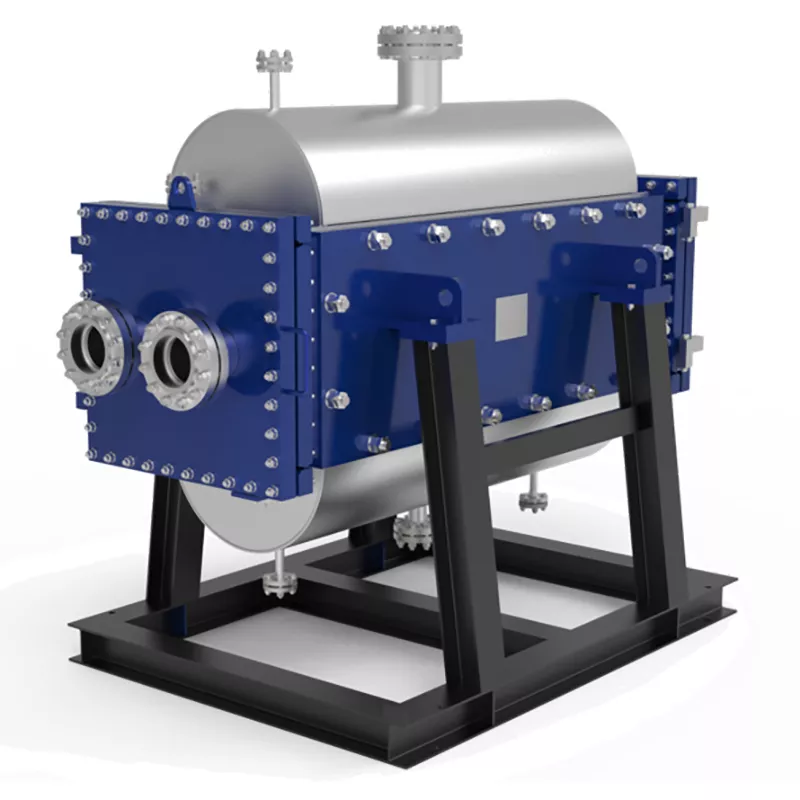
The internal flow pattern of a pillow plate determines how evenly the heat transfer fluid distributes. Some designs use a single continuous channel, while others have multiple parallel paths. For applications that require uniform temperature across the plate surface, a multi-channel design is often better. If your process involves viscous fluids or slurries, consider a wide-gap pillow plate to prevent clogging. Many suppliers offer custom-engineered pillow plates that match your exact flow requirements.
In industries like food and pharmaceuticals, surface finish is critical. A rough surface can trap bacteria and make cleaning difficult. Look for pillow plates with a smooth, electropolished finish (Ra ≤ 0.8 µm) if hygiene is a priority. For general industrial use, a standard mill finish may be sufficient. Also, consider whether the plate will be used in a sanitary environment where CIP (clean-in-place) procedures are required. The plate geometry should allow complete drainage and no dead zones.
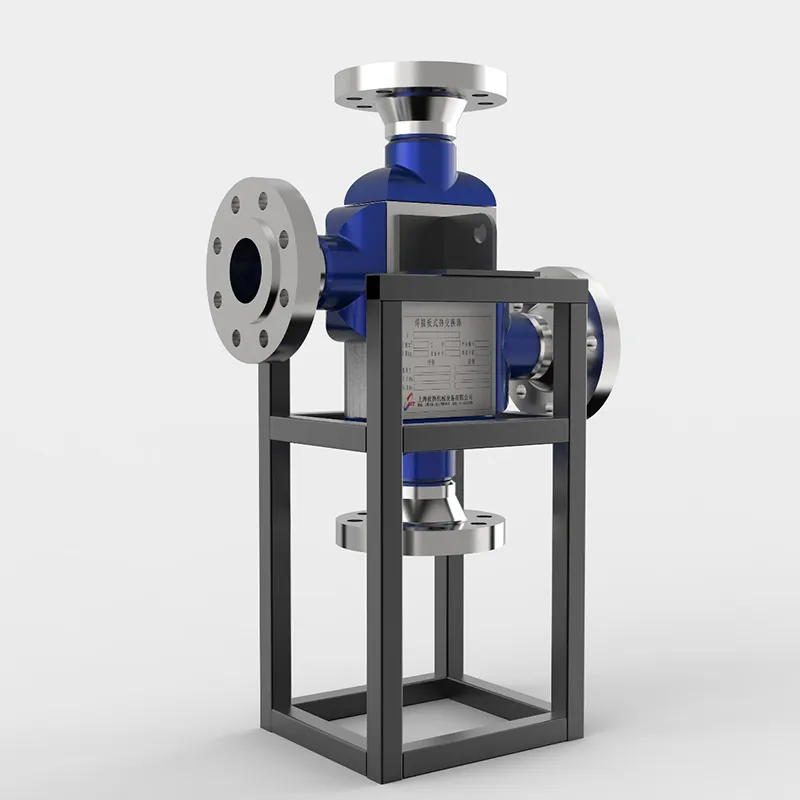
Pillow plates can be made in various shapes—rectangular, circular, or even curved to fit around tanks and vessels. Measure the available space in your equipment and consider how the plate will be mounted. Some plates are welded directly onto a vessel wall, while others are designed as removable inserts. If you need a retrofit, make sure the new plate matches the existing port locations and dimensions. Custom fabrication is often the best route for non-standard geometries.
Always ask about the manufacturing standards. Reputable suppliers follow ASME, PED, or GB150 codes. Each pillow plate should be pressure-tested before shipment. Check for weld quality—poor welds are the most common failure point. A good manufacturer will provide a certificate of compliance and detailed test reports. If your application is critical, request a helium leak test for absolute reliability.
While it is tempting to choose the cheapest option, consider the total cost of ownership. A higher-quality pillow plate may cost more upfront but will last longer and require less maintenance. Factor in energy savings from better heat transfer efficiency. For example, a plate with optimized flow channels can reduce pumping costs by 15–20% compared to a basic design. Always request a performance guarantee from the supplier.
By carefully evaluating these factors, you can select a pillow plate that delivers reliable performance for years. If you are unsure about any technical detail, consult with an experienced engineer or reach out to a manufacturer that specializes in custom pillow plate solutions. The right choice will save you time, money, and headaches down the line.
We provide you with comprehensive foreign trade solutions to help enterprises achieve global development
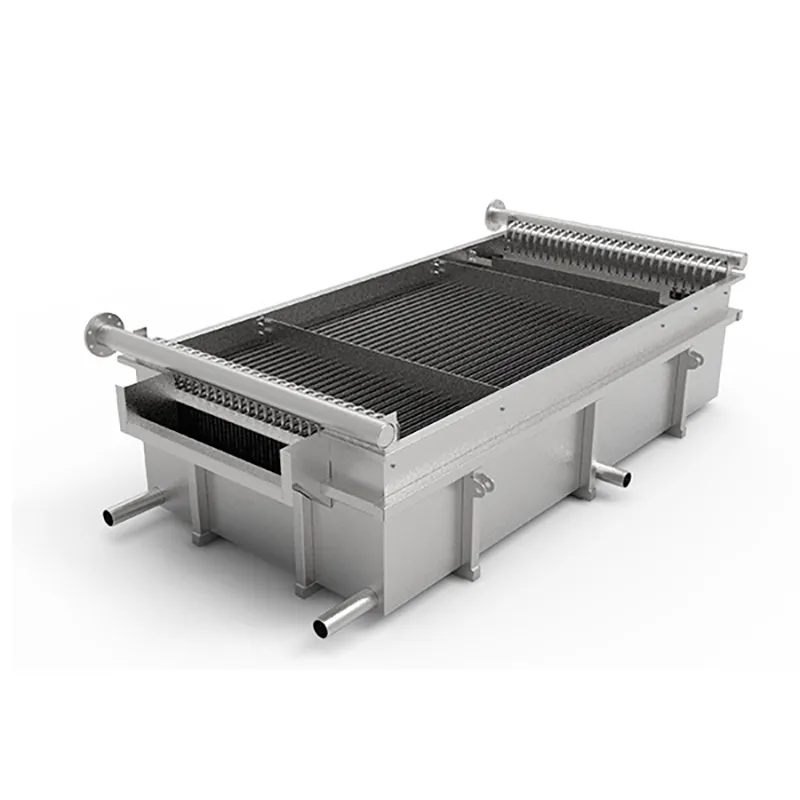
Originated in the mid-20th century to bypass the manufacturing bottlenecks and weight limitations of standard jacketed thermal components, the Pillow Plate (also known as a dimple plate or embossed plate) has revolutionized precision fluid-wall engineering. At SHPHE, we take this highly flexible technology and elevate it into a core foundation for bespoke industrial heat transfer integration. By utilizing state-of-the-art automated CNC fiber laser welding, our engineers customize the mechanical inflation profiles and spot pitch grids to directly match your specific fluid dynamics, pressure limits, and vessel configurations. Today, SHPHE's custom pillow plates are indispensable assets for worldwide processing plants prioritizing advanced thermal performance, zero-leak safety, and hygienic processing—serving as the definitive solution across food, pharmaceutical, chemical, and bulk solids cooling sectors.
The SHPHE Printed Circuit Heat Exchanger (PCHE) represents a paradigm shift in microchannel thermal management, meticulously engineered for the world's most critical and demanding industrial boundaries. Developed to surpass the physical limitations of conventional shell-and-tube designs in ultra-high-pressure environments, our custom PCHEs integrate advanced photochemical etching and solid-state diffusion bonding to provide unmatched safety, thermal efficiency, and integrity under extreme stress. Initially deployed within high-consequence sectors such as aerospace and nuclear power generation, PCHE technology has completely revolutionized high-density thermal processing. Today, SHPHE brings this breakthrough engineering to mainstream energy transitions—including LNG liquefaction, supercritical CO² power cycles, hydrocarbon processing, and high-pressure hydrogen systems—enabling plants to maximize energy recovery, ensure zero-leakage security, and significantly shrink environmental footprints.
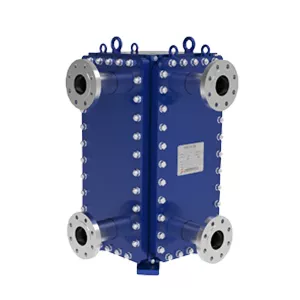
Custom-Engineered for Severe Process Demands. At SHPHE, we don't just supply equipment; we design tailored thermal solutions. Our HT-Bloc welded plate heat exchangers are custom-configured by our experienced engineers to overcome your specific industry challenges—whether handling high-viscosity media, extreme temperatures, or strict space constraints.
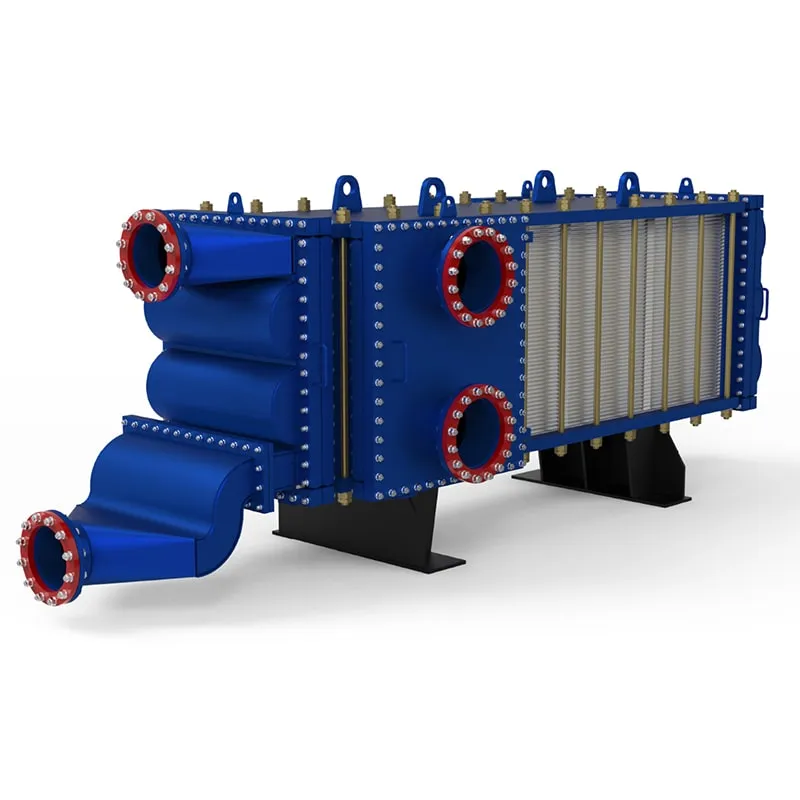
Custom-Engineered Anti-Clogging Solutions for High-Viscosity Slurries: Deployed specifically to conquer severe industrial fouling, SHPHE wide gap welded plate heat exchangers are tailor-built to handle complex media containing dense fibers, coarse crystals, or solid suspensions without clogging. Each non-obstructed channel is calculated and formed by laser-welded plate packs matching your fluid’s exact rheology and grain size, completely eliminating structural "dead zones" and media stagnation. Available in highly compact vertical and versatile horizontal configurations, our vertical engineering drastically reduces plant footprints while maintaining unhindered product throughput, minimal pressure drops, and flawless continuous operations across harsh process loops.
Select the most popular foreign trade service products to meet your diverse needs
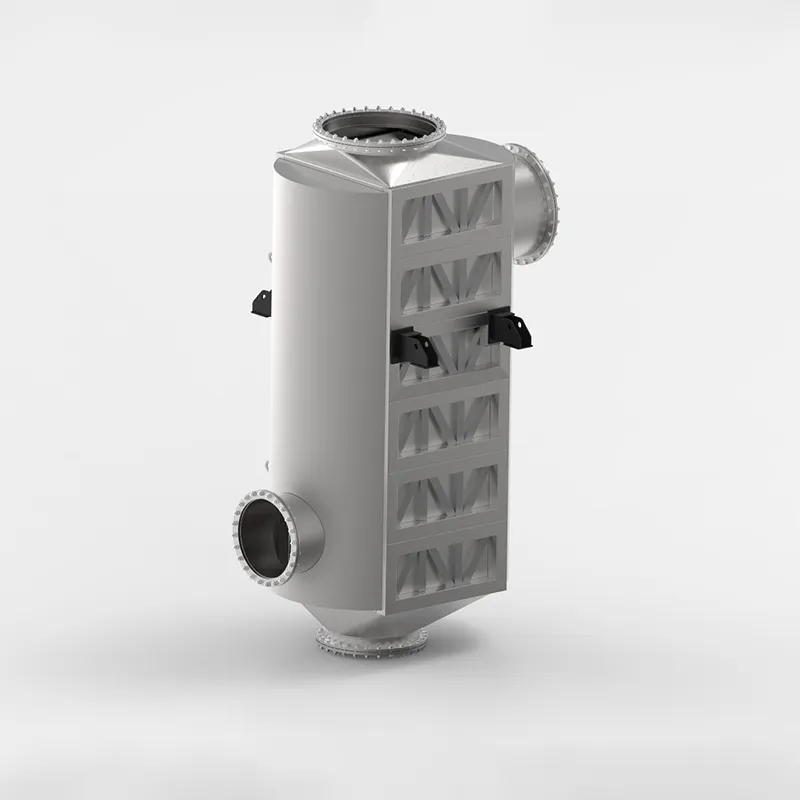
Industrial furnace and boiler exhaust gases carry vast amounts of unutilized thermal energy. The SHPHE custom Plate Air Preheater (PAPH) is target-engineered to intercept this high-temperature flue gas, recovering valuable waste heat and transferring it directly back to incoming combustion air or process gas streams. By substantially elevating the temperature of your flame feed, our custom systems optimize combustion thermodynamics, deliver massive fuel savings, and significantly reduce industrial carbon and emissions footprints. Built to withstand severe flue-gas environments, SHPHE PAPH systems serve as the premier choice for modern, energy-intensive plants prioritizing decarb compliance and maximum thermal efficiency.
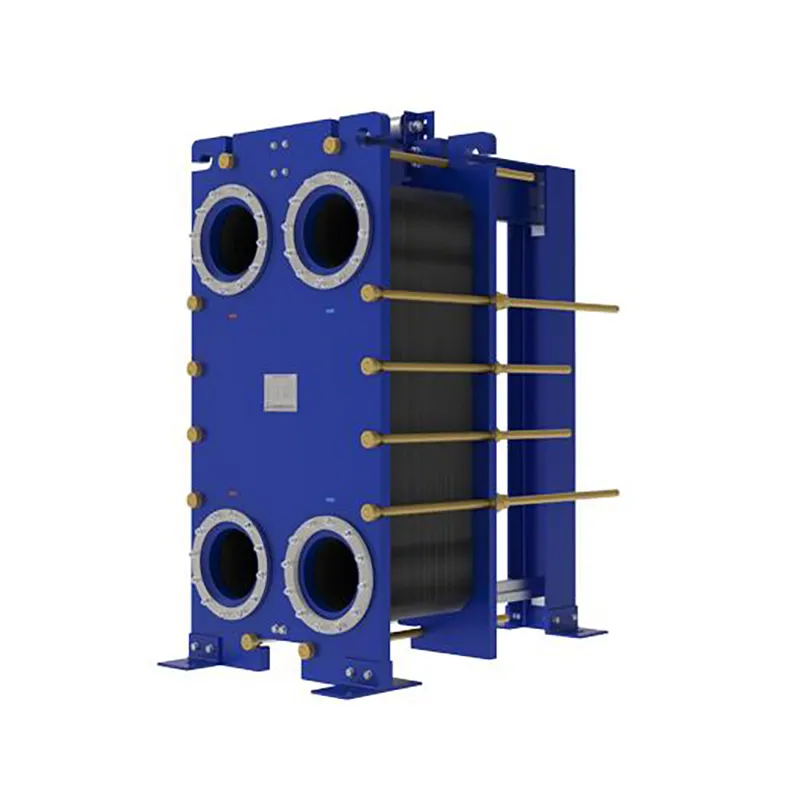
Since the invention of the plate heat exchanger (PHE) in 1923, thermal technology has evolved from standard food-grade processing to highly complex industrial operations. At SHPHE, we take this classic, versatile design and transform it into highly bespoke heat transfer solutions tailored to your unique process fluids and thermal loads. While traditional gasketed PHEs offer high efficiency and compact footprints, SHPHE optimizes plate corrugations, metallurgy, and sealing systems to handle your specific chemical, HVAC, or energy recovery parameters. Our custom-engineered gasketed plate heat exchangers provide outstanding scalability and ease of maintenance, serving as an indispensable asset for heavy industries—including oil and gas, metallurgy, and food processing—where uptime, energy recovery, and long-term sustainability are top priorities.
The SHPHE Printed Circuit Heat Exchanger (PCHE) represents a paradigm shift in microchannel thermal management, meticulously engineered for the world's most critical and demanding industrial boundaries. Developed to surpass the physical limitations of conventional shell-and-tube designs in ultra-high-pressure environments, our custom PCHEs integrate advanced photochemical etching and solid-state diffusion bonding to provide unmatched safety, thermal efficiency, and integrity under extreme stress. Initially deployed within high-consequence sectors such as aerospace and nuclear power generation, PCHE technology has completely revolutionized high-density thermal processing. Today, SHPHE brings this breakthrough engineering to mainstream energy transitions—including LNG liquefaction, supercritical CO² power cycles, hydrocarbon processing, and high-pressure hydrogen systems—enabling plants to maximize energy recovery, ensure zero-leakage security, and significantly shrink environmental footprints.



User Comments
Service Experience Sharing from Real Customers
Ethan
Lead Process EngineerWe switched to these pillow plates for a heat exchanger retrofit on a tricky chemical loop. The thermal transfer is noticeably better, and the weld quality held up under pressure testing. Installation was straightforward with our existing frame. Solid upgrade.
Mia
Facilities Maintenance TechHad to replace a worn-out section in our brewery's cooling system. These pillow plates fit the bill without needing custom fabrication. Only gave 4 stars because the edges could be a bit smoother, but they've been running fine for two months now. No leaks.
Liam
R&D ManagerUsed these for a prototype jacketed reactor in our lab. The dimple pattern gives excellent heat distribution for small batches. Plus, they're easy to clean between experiments. Exactly what we needed for scaling up tests.
Chloe
Maintenance SupervisorOrdered a batch for a grain dryer rebuild. The plates are tough—survived a few bumps during assembly. Only complaint is the shipping took a week longer than quoted, but the product itself is solid. Would buy again.