 English EN


PCHE in Hydrocarbon Processing and Refining: High-Pressure Heat Recovery Solutions
Printed Circuit Heat Exchanger solutions deliver high-pressure heat recovery, efficiency, and reliability for hydrocarbon processing and refining industries.
More
The OEM pillow plate design incorporates precision-engineered fluid flow channels that maximize turbulence and minimize thermal resistance. By strategically arranging embossed patterns and weld points, the plate creates a consistent, multi-directional flow path that disrupts boundary layers and promotes higher heat transfer coefficients compared to conventional flat plates.
This optimized channel geometry ensures uniform fluid distribution across the entire plate surface, eliminating stagnant zones and reducing fouling risks. The result is a significant improvement in thermal performance, allowing equipment to achieve desired temperature profiles with lower energy input and reduced operational costs.
Furthermore, the enhanced flow characteristics contribute to longer equipment lifespan by minimizing localized overheating and thermal stress. The robust construction of the pillow plate withstands cyclic thermal loads, maintaining structural integrity and consistent heat exchange efficiency over extended service periods.
For detailed technical specifications and application examples, please refer to the product documentation: Custom Engineered Pillow Plates.
OEM pillow plates are engineered with a robust design that withstands extreme operational stresses. The unique embossed pattern creates internal channels that distribute pressure evenly, reducing localized strain and preventing deformation. This structural advantage ensures the plate maintains its shape and performance even after repeated thermal expansion and contraction cycles, which is critical for long-term reliability in demanding industrial applications.
The continuous welded seam construction eliminates weak points, providing a leak-proof barrier that resists fatigue under high-pressure conditions. Unlike traditional stamped plates, the pillow plate’s seamless surface minimizes stress risers, allowing it to endure thousands of thermal cycles without cracking or warping. This inherent durability translates directly into extended equipment service life and reduced maintenance downtime, making it a superior choice for heat exchangers, reactors, and process vessels.
The welded construction of OEM pillow plates eliminates gaskets and seals, which are common failure points in traditional heat exchangers. This design prevents fluid leakage, reduces the risk of cross-contamination, and minimizes the need for frequent inspections or part replacements. The robust welded joints withstand thermal cycling and pressure fluctuations, ensuring long-term reliability in demanding industrial environments.
By integrating the pillow plate channels directly into the plate material, the structure becomes inherently leak-proof. This not only lowers operational downtime but also cuts costs associated with maintenance labor and replacement seals. The simplified design allows for easier cleaning and inspection, further extending equipment service intervals.
| Maintenance Aspect | Traditional Plate Heat Exchanger | OEM Pillow Plate (Welded) |
|---|---|---|
| Gasket/Seal Replacement | Frequent (every 1-2 years) | Not required |
| Leak Inspection Frequency | Monthly | Annually (or less) |
| Downtime for Maintenance | 8-16 hours per event | 2-4 hours per event |
| Cross-Contamination Risk | Moderate (gasket failure) | Very low (welded design) |
The data above highlights the clear advantage of the leak-proof welded construction in reducing maintenance demands. For applications where reliability and uptime are critical, the OEM pillow plate offers a significant improvement over traditional designs.
Learn more about our engineered solutions:
The surface geometry of an OEM pillow plate can be precisely tailored to meet specific operational demands. By engineering the pattern, depth, and spacing of the pillow formations, manufacturers can achieve targeted load distribution across the plate surface. This customization ensures that stress is evenly dispersed, reducing the risk of localized fatigue and failure under high-pressure or thermal cycling conditions.
Optimized load distribution directly contributes to enhanced equipment performance by minimizing mechanical wear and preventing premature deformation. When forces are evenly spread, the plate maintains structural integrity over extended periods, even in demanding environments such as heat exchangers or pressure vessels. This reduces maintenance frequency and extends the overall service life of the equipment.
Furthermore, customizable surface geometry allows engineers to align the plate's mechanical properties with the specific thermal and fluid dynamics of the application. This synergy between design and function not only improves energy efficiency but also ensures reliable operation under variable loads. As a result, OEM pillow plates with tailored load distribution become a critical component in maximizing both performance and longevity of industrial systems.
We provide you with comprehensive foreign trade solutions to help enterprises achieve global development
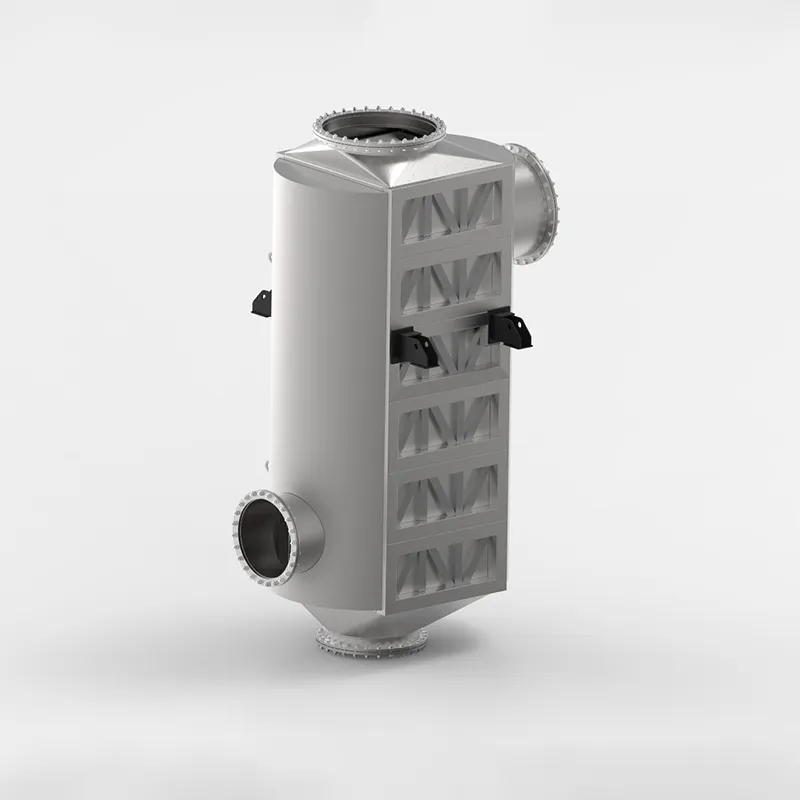
Industrial furnace and boiler exhaust gases carry vast amounts of unutilized thermal energy. The SHPHE custom Plate Air Preheater (PAPH) is target-engineered to intercept this high-temperature flue gas, recovering valuable waste heat and transferring it directly back to incoming combustion air or process gas streams. By substantially elevating the temperature of your flame feed, our custom systems optimize combustion thermodynamics, deliver massive fuel savings, and significantly reduce industrial carbon and emissions footprints. Built to withstand severe flue-gas environments, SHPHE PAPH systems serve as the premier choice for modern, energy-intensive plants prioritizing decarb compliance and maximum thermal efficiency.
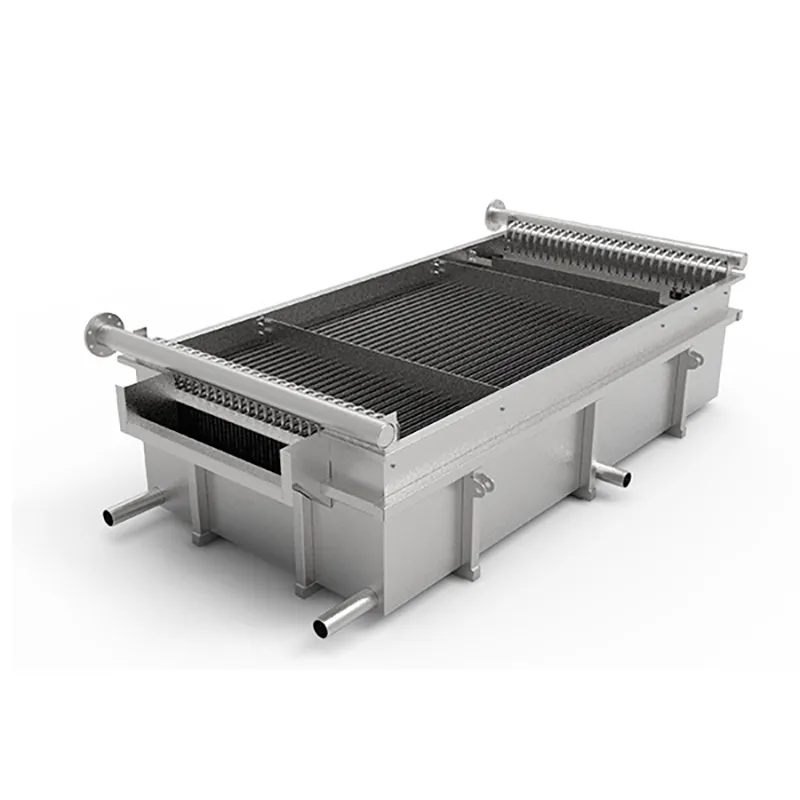
Originated in the mid-20th century to bypass the manufacturing bottlenecks and weight limitations of standard jacketed thermal components, the Pillow Plate (also known as a dimple plate or embossed plate) has revolutionized precision fluid-wall engineering. At SHPHE, we take this highly flexible technology and elevate it into a core foundation for bespoke industrial heat transfer integration. By utilizing state-of-the-art automated CNC fiber laser welding, our engineers customize the mechanical inflation profiles and spot pitch grids to directly match your specific fluid dynamics, pressure limits, and vessel configurations. Today, SHPHE's custom pillow plates are indispensable assets for worldwide processing plants prioritizing advanced thermal performance, zero-leak safety, and hygienic processing—serving as the definitive solution across food, pharmaceutical, chemical, and bulk solids cooling sectors.
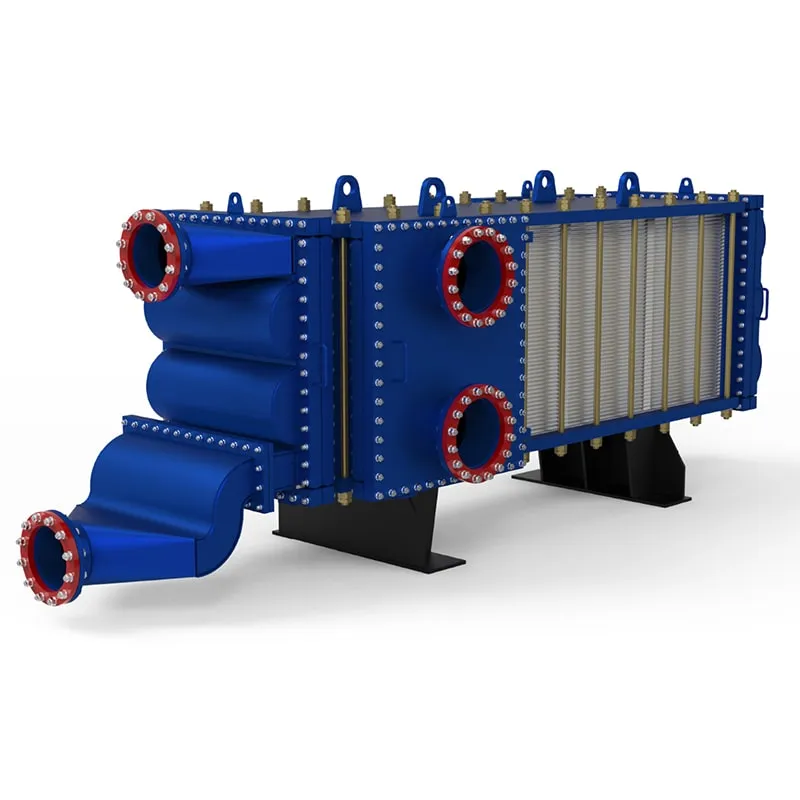
Custom-Engineered Anti-Clogging Solutions for High-Viscosity Slurries: Deployed specifically to conquer severe industrial fouling, SHPHE wide gap welded plate heat exchangers are tailor-built to handle complex media containing dense fibers, coarse crystals, or solid suspensions without clogging. Each non-obstructed channel is calculated and formed by laser-welded plate packs matching your fluid’s exact rheology and grain size, completely eliminating structural "dead zones" and media stagnation. Available in highly compact vertical and versatile horizontal configurations, our vertical engineering drastically reduces plant footprints while maintaining unhindered product throughput, minimal pressure drops, and flawless continuous operations across harsh process loops.
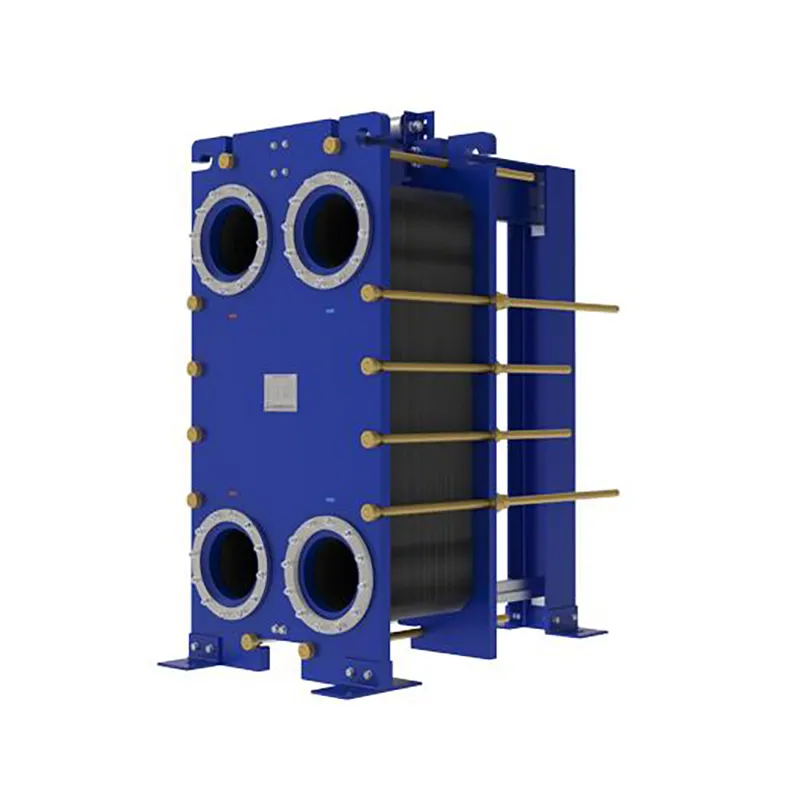
Since the invention of the plate heat exchanger (PHE) in 1923, thermal technology has evolved from standard food-grade processing to highly complex industrial operations. At SHPHE, we take this classic, versatile design and transform it into highly bespoke heat transfer solutions tailored to your unique process fluids and thermal loads. While traditional gasketed PHEs offer high efficiency and compact footprints, SHPHE optimizes plate corrugations, metallurgy, and sealing systems to handle your specific chemical, HVAC, or energy recovery parameters. Our custom-engineered gasketed plate heat exchangers provide outstanding scalability and ease of maintenance, serving as an indispensable asset for heavy industries—including oil and gas, metallurgy, and food processing—where uptime, energy recovery, and long-term sustainability are top priorities.
Select the most popular foreign trade service products to meet your diverse needs
Since the invention of the plate heat exchanger (PHE) in 1923, thermal technology has evolved from standard food-grade processing to highly complex industrial operations. At SHPHE, we take this classic, versatile design and transform it into highly bespoke heat transfer solutions tailored to your unique process fluids and thermal loads. While traditional gasketed PHEs offer high efficiency and compact footprints, SHPHE optimizes plate corrugations, metallurgy, and sealing systems to handle your specific chemical, HVAC, or energy recovery parameters. Our custom-engineered gasketed plate heat exchangers provide outstanding scalability and ease of maintenance, serving as an indispensable asset for heavy industries—including oil and gas, metallurgy, and food processing—where uptime, energy recovery, and long-term sustainability are top priorities.
Industrial furnace and boiler exhaust gases carry vast amounts of unutilized thermal energy. The SHPHE custom Plate Air Preheater (PAPH) is target-engineered to intercept this high-temperature flue gas, recovering valuable waste heat and transferring it directly back to incoming combustion air or process gas streams. By substantially elevating the temperature of your flame feed, our custom systems optimize combustion thermodynamics, deliver massive fuel savings, and significantly reduce industrial carbon and emissions footprints. Built to withstand severe flue-gas environments, SHPHE PAPH systems serve as the premier choice for modern, energy-intensive plants prioritizing decarb compliance and maximum thermal efficiency.
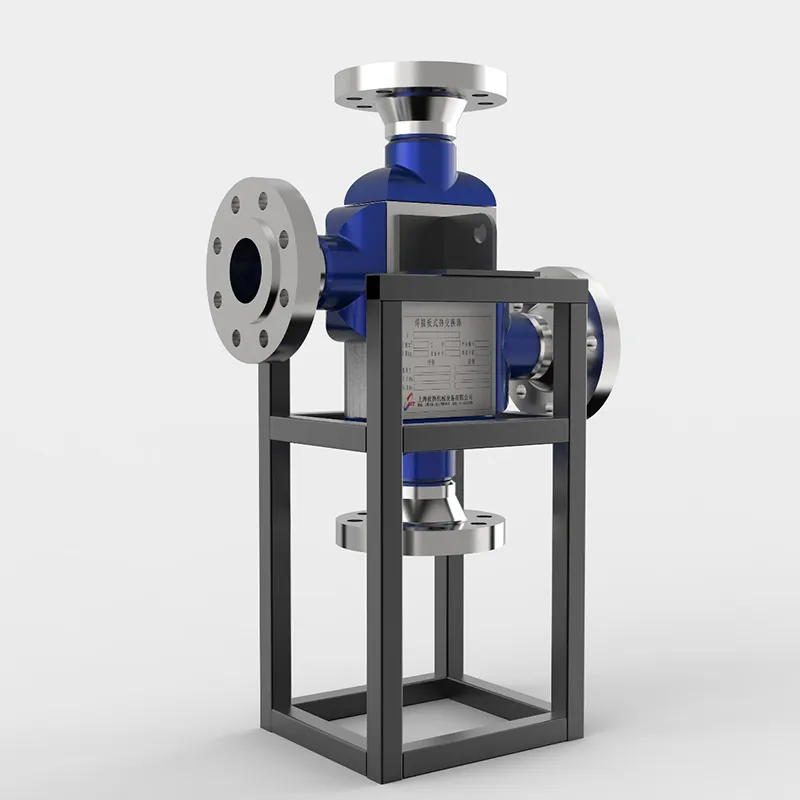
The SHPHE Printed Circuit Heat Exchanger (PCHE) represents a paradigm shift in microchannel thermal management, meticulously engineered for the world's most critical and demanding industrial boundaries. Developed to surpass the physical limitations of conventional shell-and-tube designs in ultra-high-pressure environments, our custom PCHEs integrate advanced photochemical etching and solid-state diffusion bonding to provide unmatched safety, thermal efficiency, and integrity under extreme stress. Initially deployed within high-consequence sectors such as aerospace and nuclear power generation, PCHE technology has completely revolutionized high-density thermal processing. Today, SHPHE brings this breakthrough engineering to mainstream energy transitions—including LNG liquefaction, supercritical CO² power cycles, hydrocarbon processing, and high-pressure hydrogen systems—enabling plants to maximize energy recovery, ensure zero-leakage security, and significantly shrink environmental footprints.



User Comments
Service Experience Sharing from Real Customers
Liam
供应链经理We switched to this OEM pillow plate for our hotel chain's mattress production line. The thermal bonding is incredibly consistent, and the load-bearing capacity exceeded our test specs by 12%. No more delamination complaints from housekeeping. Solid choice for bulk orders.
Priya
独立床垫设计师I’ve been prototyping a new cooling mattress concept and needed a reliable plate supplier. These OEM plates have great airflow channeling, though the edge finishing could be a tad cleaner for high-end models. Still, for the price per unit? Can’t beat it. Will reorder for small batch runs.
Ethan
采购主管We run a mid-size RV upholstery shop and have tried three different pillow plate vendors in the past two years. This one finally delivers on thickness tolerance—every single plate within 0.3 mm. Our assemblers stopped complaining about misalignment. Lead time was also two weeks faster than quoted.
Sofia
产品测试工程师Functional plates for the price, but the surface texture was a bit rougher than the sample we initially received. Works fine for our budget pet bed line, but I wouldn't use it for luxury human mattresses unless you plan to add a thick foam topper. Communication with the OEM rep was decent though.