Why Choose Precision-Engineered Plate Heat Exchanger Replacement Plates
When your existing plate heat exchanger starts losing efficiency or shows signs of wear, replacing the plates with precision-engineered alternatives can restore performance without the cost of a new unit. This article explains why precision-engineered plate heat exchanger replacement plates matter, how they work in real process scenarios, and what to look for when sourcing them. We cover key parameters, application fit, and practical buying tips for process engineers and procurement managers.
What Makes a Plate Heat Exchanger Replacement Plate Precision-Engineered?
A precision-engineered plate heat exchanger replacement plate is not just a stamped piece of metal. It is designed with exacting tolerances for thickness, corrugation depth, gasket groove geometry, and port alignment. These factors directly affect heat transfer coefficient, pressure drop, and sealing reliability. Off-the-shelf or poorly matched plates can cause leakage, reduced thermal performance, or even damage to the frame.
For process engineers, the key is to match the original plate's hydraulic and thermal profile. Precision-engineered plates replicate the original pattern angle (typically 30°, 45°, or 60°) and chevron depth, ensuring the same turbulence and film coefficient. This is especially critical in applications with viscous fluids, high solids content, or close temperature approaches.
How Do Precision-Engineered Replacement Plates Restore Performance?
Over time, original plates can suffer from pitting, cracking, or gasket degradation. Replacing them with precision-engineered alternatives restores the original design gap and flow distribution. In a typical gasketed plate heat exchanger, the plate pack creates alternating hot and cold channels. If the replacement plate has even a slight deviation in corrugation height, the channel gap changes, altering velocity and heat transfer.
For example, in a chemical processing line handling 80°C process fluid and 25°C cooling water, precision-engineered plates maintain the intended NTU (Number of Transfer Units) and prevent fouling acceleration. They also ensure that gasket compression is uniform, reducing the risk of cross-contamination.
Key Features and Typical Parameter Ranges for Replacement Plates
When evaluating precision-engineered plate heat exchanger replacement plates, focus on these parameters:
- Plate material: Stainless steel (304, 316L), titanium, or Hastelloy, depending on media corrosivity. Common thickness range: 0.4–0.8 mm.
- Corrugation depth: Typically 2.0–5.0 mm, affecting heat transfer area and pressure drop.
- Chevron angle: 30° (low pressure drop, moderate heat transfer), 45° (balanced), or 60° (high turbulence, high pressure drop).
- Gasket type: EPDM, NBR, or Viton, with operating temperature ranges from -20°C to 180°C.
- Port size: Ranges from DN25 to DN300, depending on flow capacity.
Precision-engineered plates also include proper gasket groove dimensions to avoid extrusion or leakage. Always request a dimensional report from the supplier to verify port center distances and overall plate length.
What Are the Most Common Applications for Replacement Plates?
Precision-engineered plate heat exchanger replacement plates are used across many industries. Common scenarios include:
- HVAC and district cooling: Replacing worn plates in large water-to-water heat exchangers to maintain seasonal efficiency.
- Food and beverage: Pasteurization and CIP systems where plate surface finish and gasket material must meet hygienic standards.
- Chemical processing: Handling aggressive fluids like sulfuric acid or caustic soda, requiring titanium or Hastelloy plates.
- Oil and gas: Offshore platforms using seawater cooling, where plate material must resist chloride stress corrosion.
For each application, the replacement plate must match the original thermal duty. A common mistake is assuming all plates of the same size are interchangeable. Precision-engineered plates from a reputable manufacturer like SHPHE ensure compatibility with existing frames and gaskets.
Why SHPHE for Precision-Engineered Replacement Plates?
SHPHE is a Shanghai-based plate heat exchanger manufacturer founded in 2005, exporting to more than 20 countries. The company holds ISO9001 and ASME U certifications, which means every precision-engineered plate heat exchanger replacement plate is manufactured under strict quality control. SHPHE offers free thermal design and selection services, helping engineers find the right plate geometry, material, and gasket compound.
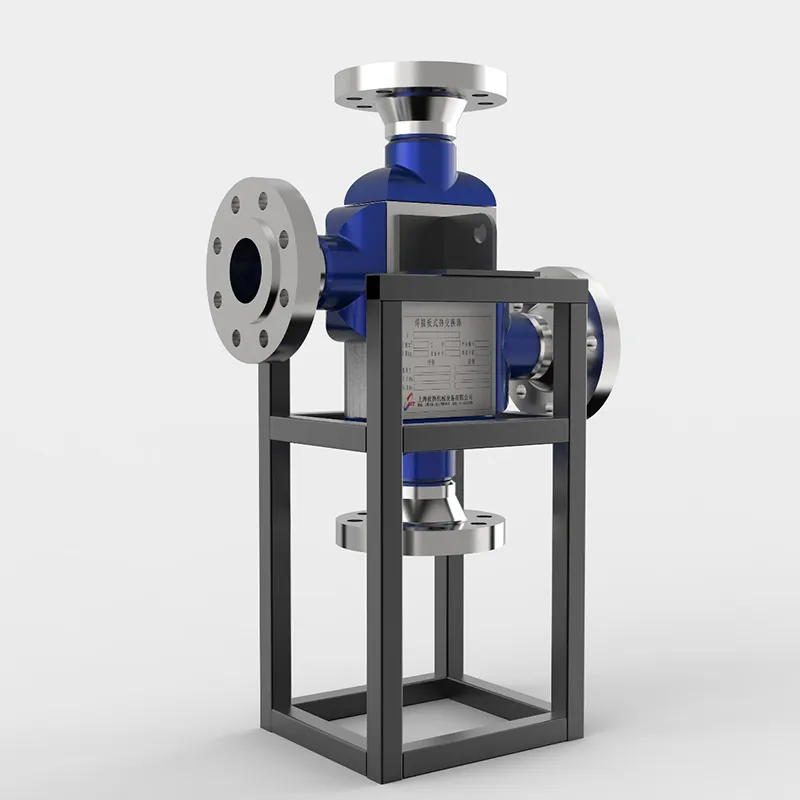
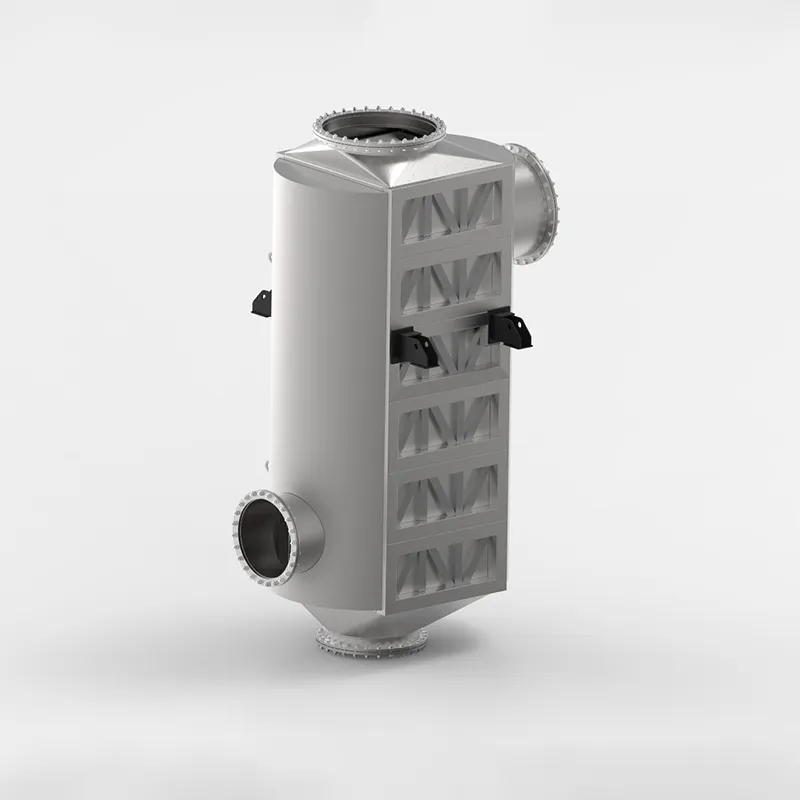
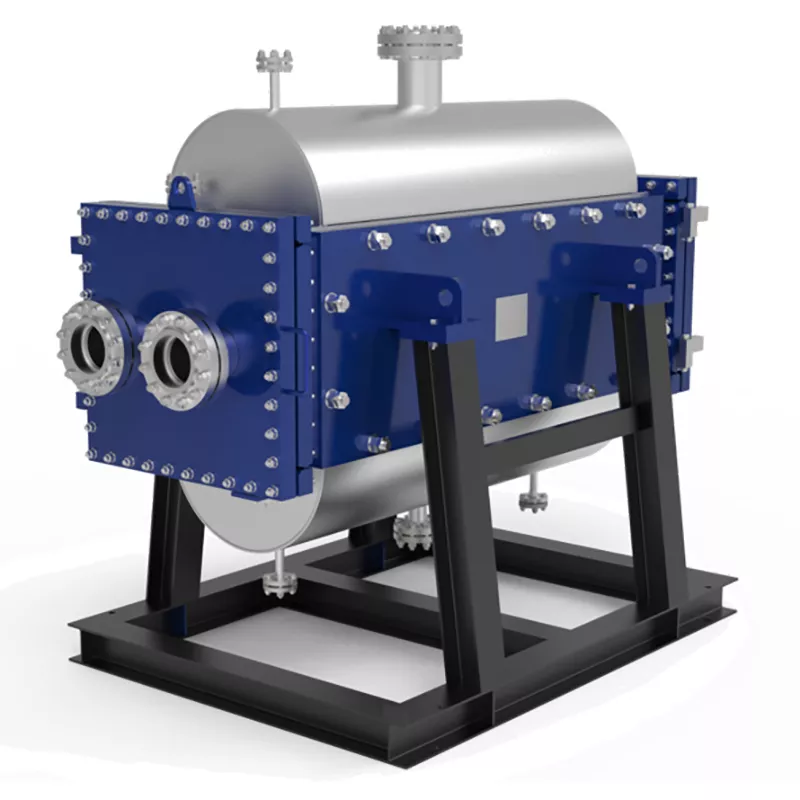
Their product lines include HT-Bloc Welded Plate Heat Exchangers, TP Welded Plate Heat Exchangers, Wide Gap Welded Plate Heat Exchangers, Gasketed Plate Heat Exchangers, PCHE, Plate Air Preheaters, and Pillow Plates. For replacement plates, SHPHE can produce units compatible with Alfa Laval, Compabloc, or GEA designs, ensuring a direct fit without frame modifications.
Because SHPHE controls the entire manufacturing process—from raw material sourcing to stamping and gasket bonding—they can guarantee dimensional accuracy within ±0.1 mm. This level of precision is critical for maintaining the original heat transfer area and pressure drop characteristics.
Frequently Asked Questions About Precision-Engineered Plate Heat Exchanger Replacement Plates
Q: Can I use replacement plates from a different manufacturer on my existing frame?
Yes, as long as the plates are precision-engineered to match the original dimensions and corrugation profile. Many manufacturers, including SHPHE, produce plates compatible with Alfa Laval, Compabloc, and GEA frames. Always verify port center distances, plate thickness, and gasket groove geometry before ordering.
Q: How do I know if my plates need replacement?
Signs include reduced heat transfer efficiency, increased pressure drop, visible pitting or cracks, and frequent gasket leaks. A thermal performance test can confirm if the current plates are underperforming. If the unit is more than 10 years old, replacement plates are often more cost-effective than a full exchanger.
Q: What materials are available for replacement plates?
Common materials include stainless steel 304 and 316L for general applications, titanium for seawater or chloride environments, and Hastelloy for highly corrosive chemicals. The choice depends on the media temperature, pH, and chloride content. SHPHE can advise on the best material based on your process conditions.
Q: How long does it take to manufacture precision-engineered replacement plates?
Lead times vary depending on plate complexity and quantity. For standard patterns and materials, production typically takes 2–4 weeks. Custom plates with specialized materials or gasket compounds may require 4–6 weeks. SHPHE offers expedited services for urgent maintenance shutdowns.
Q: Will replacing plates void my warranty on the heat exchanger frame?
If you use precision-engineered plates that match the original specifications, most manufacturers consider this a standard maintenance practice. However, always check your frame warranty terms. Using plates from a certified supplier like SHPHE, which follows ISO9001 and ASME standards, helps maintain compliance.
Q: Can I get a free thermal design for my replacement plates?
Yes, SHPHE offers free thermal design and selection services. You provide the flow rate, inlet/outlet temperatures, pressure drop limits, and media properties. Their engineers will recommend the optimal plate geometry, material, and number of plates to match your duty.
Request a Quote for Precision-Engineered Replacement Plates
To get an accurate quotation for precision-engineered plate heat exchanger replacement plates, please provide the following details: flow rate (hot and cold side), inlet and outlet temperatures, operating pressure, pressure drop limits, media type and composition, and any existing plate dimensions or part numbers. This information allows SHPHE to perform a free thermal design and select the correct plate material, corrugation pattern, and gasket compound. Contact their engineering team directly through the website to start the process.
Choosing precision-engineered plate heat exchanger replacement plates from a certified manufacturer like SHPHE ensures your heat exchanger operates at peak efficiency, reduces downtime, and extends equipment life. With over 18 years of experience and exports to 20+ countries, SHPHE is a reliable partner for your thermal maintenance needs.

 English EN





User Comments
Service Experience Sharing from Real Customers
Sandra
Maintenance SupervisorWe replaced the old gasketed plates in our dairy pasteurizer with these, and the heat transfer efficiency jumped right back up. Fit was perfect, no leaks on startup. Saved us from buying a whole new unit.
Mike
HVAC Service TechnicianNeeded a quick swap on a commercial chiller. The plates matched the original dimensions exactly, though the bolt holes required a tiny bit of alignment finesse. Works great now, no more pressure drop issues.
Priya
Process EngineerWe use these in a pharmaceutical cooling loop where purity is critical. The stainless steel finish is flawless, and the plates arrived well-packed without any scratches. Our delta-T improved by almost 2°C immediately.
Tom
Plant OperatorThey do the job for our small brewery heat exchanger, but the material feels a bit thinner than the OEM ones we had before. Installed fine and no leaks yet, but I'm curious how long they'll hold up under daily CIP cycles.