

Shanghai Heat Transfer offers several types of plate heat exchangers, each designed for specific needs. These include gasketed, brazed, welded, semi-welded, shell and plate, and specialty plate heat exchangers. Customers often ask what sets each heat exchanger apart and where each type works best.
Plate heat exchangers use thin metal plates to transfer heat between fluids. This design allows for efficient transfer and supports many industrial processes.
Plate heat exchangers come in various types, including gasketed, brazed, welded, semi-welded, shell and plate, and specialty models, each designed for specific industrial needs.
Gasketed plate heat exchangers are easy to clean and maintain, making them ideal for industries like food processing and HVAC where regular servicing is crucial.
Brazed plate heat exchangers are compact and leak-proof, suitable for high-pressure applications like refrigeration and air conditioning.
Welded plate heat exchangers provide excellent resistance to leaks and are perfect for handling aggressive fluids in chemical and oil industries.
Choosing the right heat exchanger type can enhance energy efficiency, reduce costs, and ensure reliable operation in various industrial processes.
Shanghai Heat Transfer (SHPHE) offers a wide range of plate heat exchangers for many industries. The company has over 20 years of experience and holds certifications like ISO9001, ISO14001, OHSAS18001, and the ASME U Certificate. These certifications show SHPHE’s commitment to quality and safety. SHPHE’s product lineup includes gasketed, brazed, welded, semi-welded, shell and plate, and specialty plate heat exchangers. Each type serves a unique purpose and fits different industrial needs.
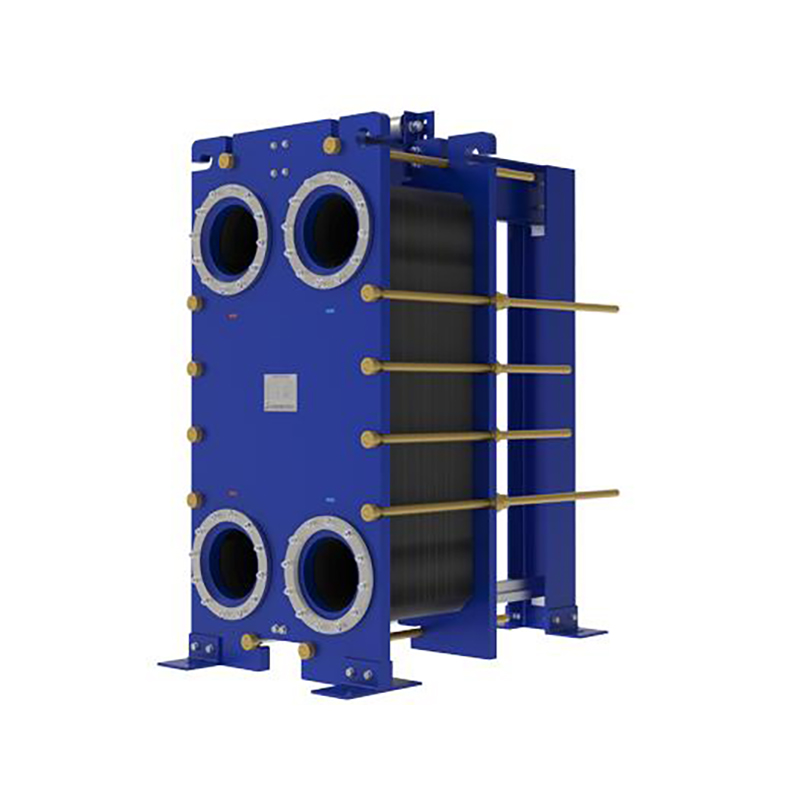
Gasketed plate heat exchangers use a series of thin metal plates held together by a sturdy frame. Gaskets seal the plates and direct the flow of fluids. This design allows for easy cleaning and maintenance. Operators can add or remove plates to adjust the heat exchanger’s capacity.
Gasketed plate heat exchangers are popular in industries like food processing, HVAC, and chemical production. They work well when fluids need to be separated and when regular cleaning is important.
Key Features:
Flexible design for easy expansion or repair
Quick access for cleaning
Suitable for low to medium pressure applications
Brazed plate heat exchangers have plates joined together by a thin layer of brazing material, usually copper or nickel. This process creates a compact and leak-proof unit. There are no gaskets, so these heat exchangers can handle higher pressures and temperatures.
Brazed plate heat exchangers are often used in refrigeration, air conditioning, and small industrial systems. Their compact size makes them ideal for installations with limited space.
Advantages:
High thermal efficiency
Small footprint
Suitable for high-pressure and high-temperature uses
Welded plate heat exchangers use plates that are welded together instead of using gaskets. This design provides a strong seal and allows the heat exchanger to handle aggressive fluids and extreme conditions. SHPHE offers several welded models, such as the HT-Bloc Welded Plate Heat Exchanger and the TP Welded Plate Heat Exchanger.
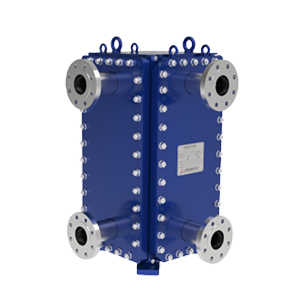
These heat exchangers are common in the chemical, oil and gas, and power industries. They are chosen when fluids are corrosive or when safety is a top concern.
Benefits:
Excellent resistance to leaks
Handles high pressures and temperatures
Suitable for harsh chemicals
Semi-welded plate heat exchangers combine welded and gasketed designs. In these units, pairs of plates are welded together to form a sealed channel for one fluid. Gaskets seal the other channel for the second fluid. This setup allows the heat exchanger to handle aggressive fluids on one side and easy maintenance on the other.
Semi-welded plate heat exchangers are ideal for processes that use ammonia or other chemicals that require extra safety.
Highlights:
Good for handling hazardous fluids
Easier maintenance than fully welded types
Used in refrigeration and chemical industries
Shell and plate heat exchangers combine features of plate and shell and tube heat exchangers. They use a stack of plates inside a pressure-resistant shell. This design offers high efficiency and can handle high pressures and temperatures.
Shell and plate heat exchangers are used in power plants, oil refineries, and marine applications. They provide a compact alternative to traditional shell and tube heat exchangers.
Main Features:
High thermal performance
Compact and robust design
Suitable for demanding environments
Specialty plate heat exchangers include wide gap, pillow plate, and printed circuit heat exchangers. These types are designed for unique applications. For example, wide gap models handle fluids with particles or fibers. Pillow plate heat exchangers are used in cooling and heating tanks. Printed circuit heat exchangers offer very high efficiency in compact spaces.
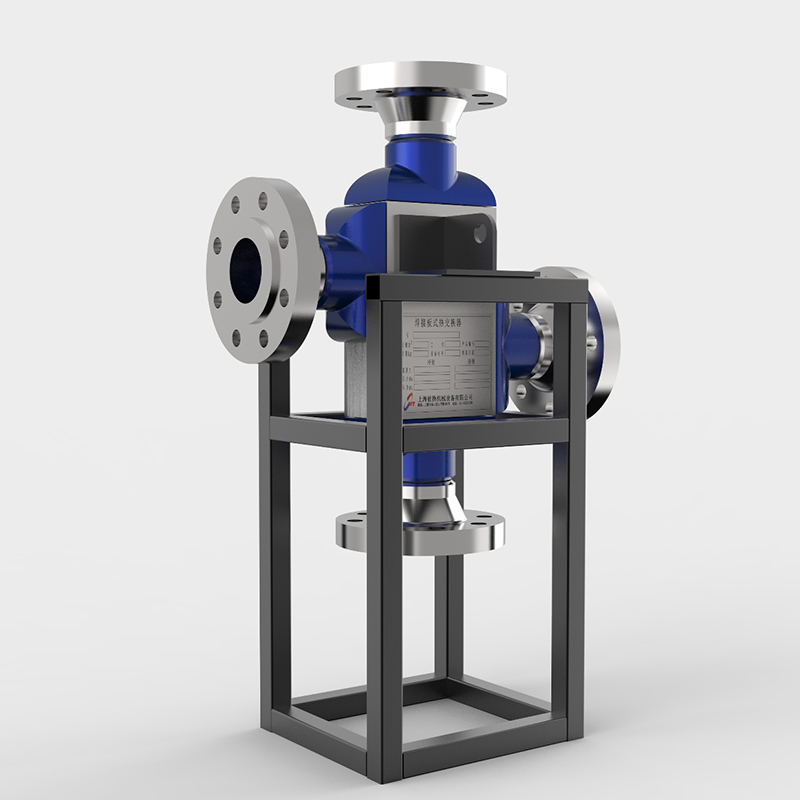
SHPHE’s specialty products meet the needs of industries like food, new energy, and environmental protection.
Examples:
Wide Gap Welded Plate Heat Exchanger: Handles dirty or viscous fluids
Pillow Plate: Used in tanks for cooling or heating
Printed Circuit Heat Exchanger: Delivers high efficiency in small spaces
Choosing the right type of plate heat exchanger depends on your process, the fluids involved, and the required performance. SHPHE’s broad product range and expertise help customers find the best solution for their needs.
Plate and frame heat exchangers use a series of thin plates held together by a strong frame. Each plate has a special pattern that helps fluids flow across the surface. The plates create many channels for the fluids to move through. This design increases the area for heat transfer. The frame keeps the plates tightly pressed together, which prevents leaks and allows for easy maintenance.
The plates are usually made from stainless steel or other metals. Gaskets sit between the plates to seal the channels and direct the flow of fluids. Operators can add or remove plates to change the capacity of the heat exchanger. This makes plate and frame heat exchangers flexible for different needs.
Plate and frame heat exchangers offer several important features:
High heat transfer coefficient for excellent energy savings
Compact size compared to other heat exchanger types
Easy to clean and maintain
Ability to expand or reduce capacity by adding or removing plates
Plate and frame heat exchangers provide high efficiency and reliable operation in many industries.
The design allows for quick access to the plates. This helps with cleaning and inspection. The high efficiency of these heat exchangers means less energy is wasted during the transfer process.
Plate and frame heat exchangers are used in many fields. They are common in HVAC systems, food and beverage processing, chemical plants, and power generation. These heat exchangers help control temperatures, recover energy, and improve process efficiency.
Some industries use plate and frame heat exchangers to cool water, heat liquids, or recover waste energy. Their flexible design and high heat transfer efficiency make them a top choice for many energy-saving projects.
Choosing plate and frame heat exchangers can improve energy use and lower costs in many operations.
The table below shows the main types of plate heat exchangers from Shanghai Heat Transfer. It highlights their construction, best uses, and key benefits. This guide helps you see how each heat exchanger fits different needs.
Type | Construction | Best For | Key Benefits |
|---|---|---|---|
Gasketed | Plates with gaskets in frame | Food, HVAC, chemicals | Easy cleaning, flexible |
Brazed | Plates brazed together | Refrigeration, compact systems | High efficiency, small size |
Welded | Plates welded, no gaskets | Oil, gas, harsh chemicals | Leak-proof, strong |
Semi-Welded | Welded pairs, gasketed sides | Ammonia, chemicals | Safe, easy maintenance |
Shell and Plate | Plates in a shell | Power, marine, refineries | Robust, high pressure |
Wide Gap (Specialty) | Wide channels, welded | Fibrous, dirty fluids | Handles solids, reliable |
Pillow Plate (Specialty) | Inflated plates | Tank cooling/heating | Flexible, efficient |
Printed Circuit (Specialty) | Etched plates, compact | High pressure, energy recovery | Very high efficiency |
Tip: Review your process needs before choosing a heat exchanger. The right type can improve energy savings and system reliability.
Selecting the best plate heat exchanger depends on your process, fluids, and space. Here are some tips to help you decide:
Check the temperature and pressure your system needs. Some heat exchangers handle higher levels better.
Think about the type of fluids. If fluids are dirty or contain solids, wide gap or specialty plates work well.
Consider how often you need to clean the unit. Gasketed designs allow for easy access.
Look at the space available. Brazed and printed circuit models save room and boost efficiency.
Focus on energy transfer. High efficiency means less energy wasted and lower costs.
Ask about certifications and custom options. Shanghai Heat Transfer offers certified products for many industries.
A careful choice leads to better heat transfer, higher efficiency, and long-term energy savings.
Choosing the right heat exchanger improves efficiency and supports high degrees of sanitation in many industries. Shanghai Heat Transfer offers plate heat exchangers that fit a wide range of needs. Their certified products help businesses meet strict standards. Consider the process requirements, available customization, and sanitation needs before making a selection. SHPHE’s expertise ensures reliable solutions for both standard and unique applications.
Review certifications for quality assurance.
Match the heat exchanger to your operational demands.
Plate heat exchangers offer higher heat transfer efficiency in a smaller footprint. Their design allows for easy cleaning and maintenance. This makes them ideal for industries that require frequent servicing or have limited space.
Cleaning frequency depends on the application and fluid type. For most industrial uses, inspect and clean the unit at least once a year. Regular cleaning helps maintain efficiency and prevents fouling.
Yes, many plate heat exchangers use stainless steel or special alloys. These materials resist corrosion and handle aggressive fluids. Always select the right material for your specific process.
ISO9001: Quality management
ISO14001: Environmental management
OHSAS18001: Occupational health and safety
ASME U Certificate: Pressure vessel standards
These certifications ensure product safety and reliability.



 English EN