Optimizing Thermal Transfer with a Glycol Plate Heat Exchanger in Modern Industrial Applications
A glycol plate heat exchanger is a critical component in many industrial processes where precise temperature control and efficient heat recovery are required. This article provides a practical overview of how these units work, their typical performance parameters, and how to select the right solution for your application. Whether you are managing a chemical plant, a food processing line, or a district cooling system, understanding the design and operational characteristics of a glycol plate heat exchanger helps you reduce energy costs and extend equipment life. We cover real-world considerations, common pitfalls, and actionable recommendations based on proven engineering practices.
What Is a Glycol Plate Heat Exchanger and Why Does It Matter?
A glycol plate heat exchanger is a compact, high-efficiency device that transfers heat between two fluid streams—typically a water-glycol mixture and another process fluid—through a series of corrugated metal plates. Unlike shell-and-tube designs, plate heat exchangers offer a much larger surface area in a smaller footprint, making them ideal for applications where space is tight and thermal performance is critical. The glycol mixture acts as a heat transfer fluid that resists freezing and corrosion, which is why these units are widely used in HVAC systems, industrial cooling loops, and renewable energy installations.
The key advantage lies in the ability to achieve close temperature approaches—often as low as 1–2°C—while maintaining high heat transfer coefficients. This translates directly into lower energy consumption and reduced operating costs. For engineers and procurement managers evaluating heat exchanger options, the glycol plate heat exchanger offers a proven balance of performance, reliability, and maintainability.
How Does a Glycol Plate Heat Exchanger Work in a Typical Process Loop?
In a standard configuration, the glycol plate heat exchanger is installed as part of a closed loop. The glycol mixture is pumped through one side of the plate pack, while the process fluid flows countercurrently through the other side. The corrugated plate pattern creates turbulence even at low flow velocities, which enhances heat transfer and reduces fouling. This design also allows for easy capacity adjustment by adding or removing plates.
A common scenario is in a chilled water system where a glycol solution protects against freezing during winter months. The heat exchanger transfers heat from the building loop to the chiller plant, maintaining stable temperatures without direct contact between fluids. This isolation is critical for preventing cross-contamination and protecting expensive equipment.
Key Features and Typical Parameter Ranges
When specifying a glycol plate heat exchanger, the following features and parameter ranges are commonly encountered in the industry:
- Plate material: Stainless steel 304/316L is standard; titanium or Hastelloy for corrosive fluids.
- Gasket material: EPDM, NBR, or Viton depending on temperature and chemical compatibility.
- Design pressure: Typically up to 30 bar (435 psi) for gasketed units; welded designs can go higher.
- Design temperature: From –40°C to +200°C for standard gasketed models.
- Heat transfer coefficient: 3,000–7,000 W/m²·K for water-glycol to water duty.
- Flow rate range: From 1 m³/h to 1,500 m³/h per unit.
- Connection sizes: 1 inch to 12 inch flanged or threaded.
These parameters are generic and widely accepted across the industry. For a specific project, always consult with a manufacturer to confirm compatibility with your process conditions.
What Are the Most Common Applications for a Glycol Plate Heat Exchanger?
Glycol plate heat exchangers are used across many industries where freeze protection or precise temperature control is needed. Common applications include:
- HVAC and district cooling/heating: Isolating building loops from central plants while preventing freezing.
- Food and beverage processing: Cooling or heating of syrups, juices, and dairy products where glycol is the secondary coolant.
- Chemical processing: Temperature control of reactors and storage tanks where direct steam or water is not suitable.
- Renewable energy: Solar thermal systems and geothermal heat pumps that use glycol mixtures for heat transfer.
- Pharmaceutical manufacturing: Clean-in-place (CIP) loops and sterile process cooling.
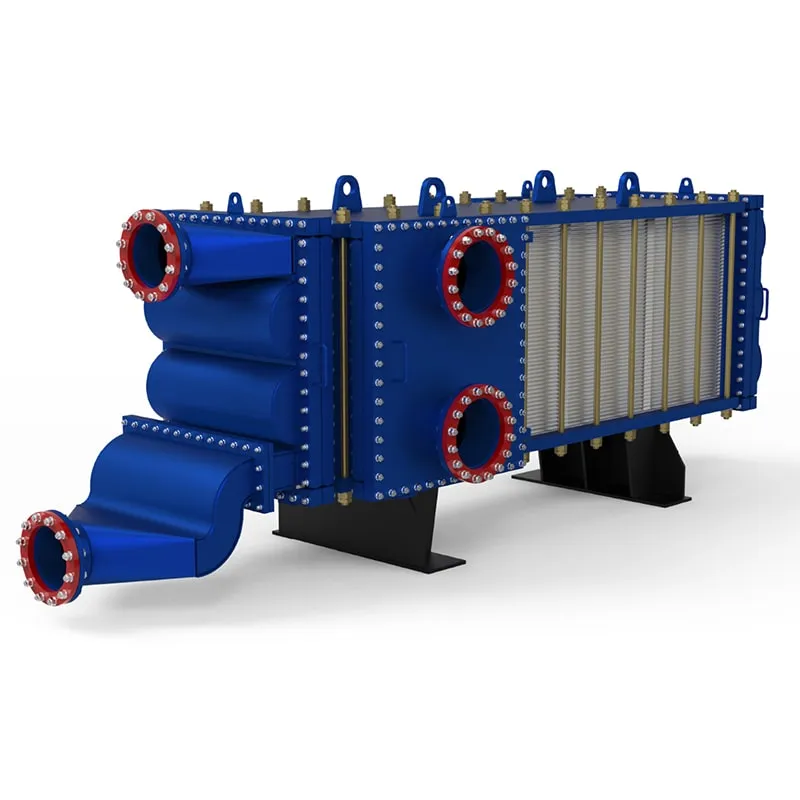
For each application, the choice of plate geometry, gasket material, and connection type must be matched to the fluid properties and operating conditions. A gasketed plate heat exchanger is often the first choice for glycol duties due to its ease of maintenance and flexibility.
Recommended Solutions: Gasketed vs. Welded Designs
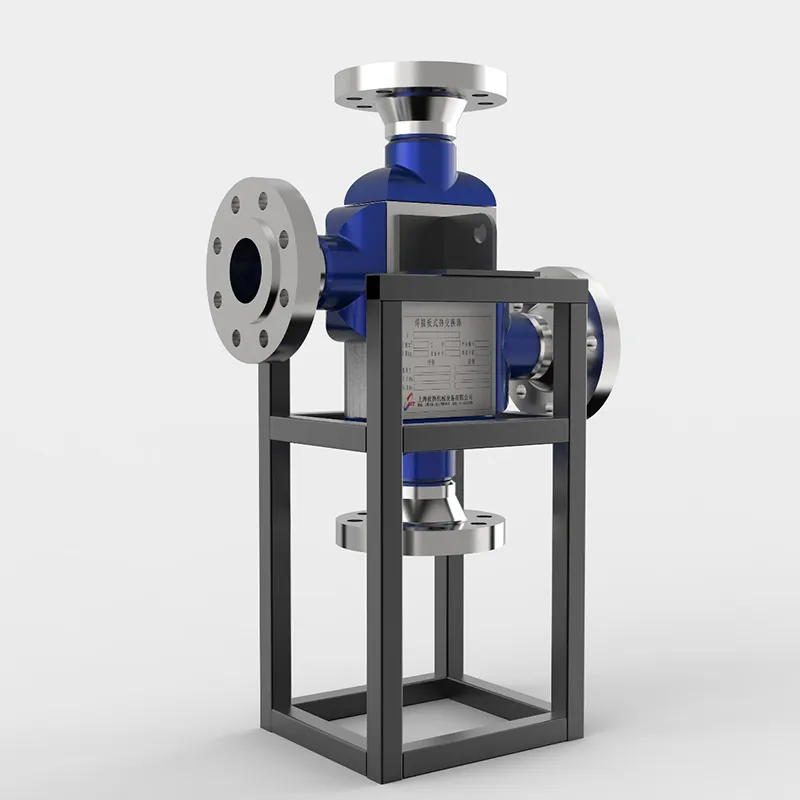
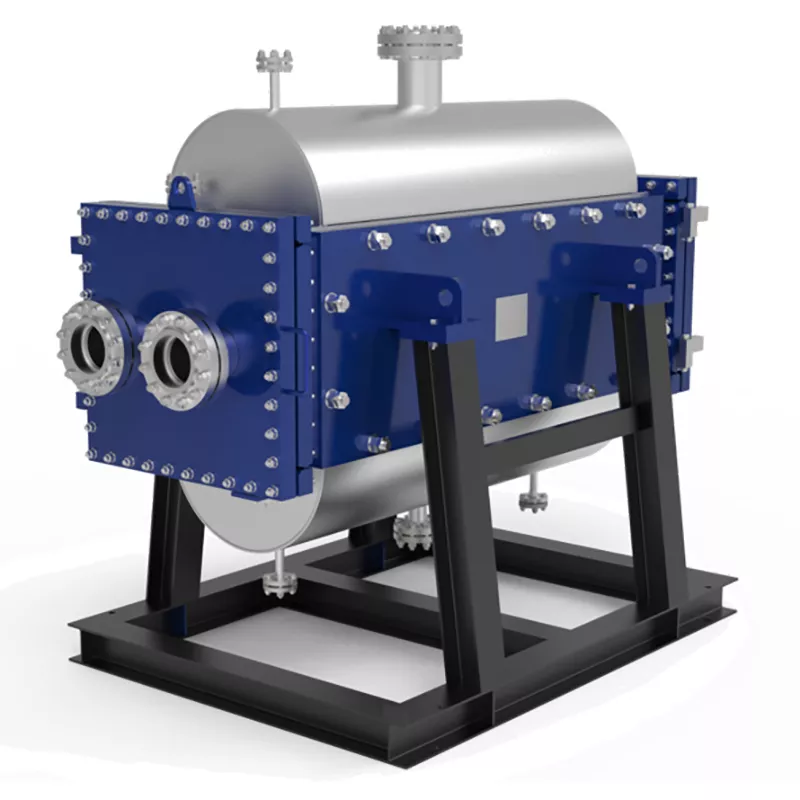
For most glycol applications, a gasketed plate heat exchanger provides the best value. It allows for easy cleaning, plate replacement, and capacity changes. However, if the glycol mixture contains suspended solids or operates at high temperatures, a welded design such as the HT-Bloc welded plate heat exchanger may be more appropriate. Welded units eliminate gasket failure risks and can handle higher pressures and temperatures.
For applications with large particulate or fibrous materials, a wide gap welded plate heat exchanger is recommended. These units have wider plate spacing to prevent clogging while maintaining high thermal efficiency. In all cases, proper material selection and thermal design are essential to avoid corrosion and scaling.
Why Choose SHPHE for Your Glycol Plate Heat Exchanger?
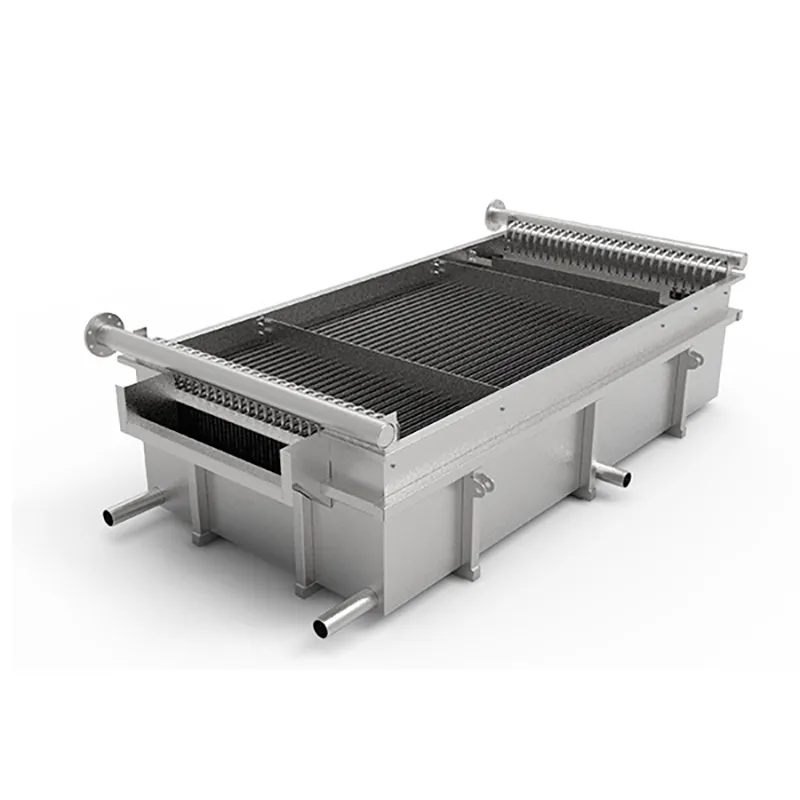
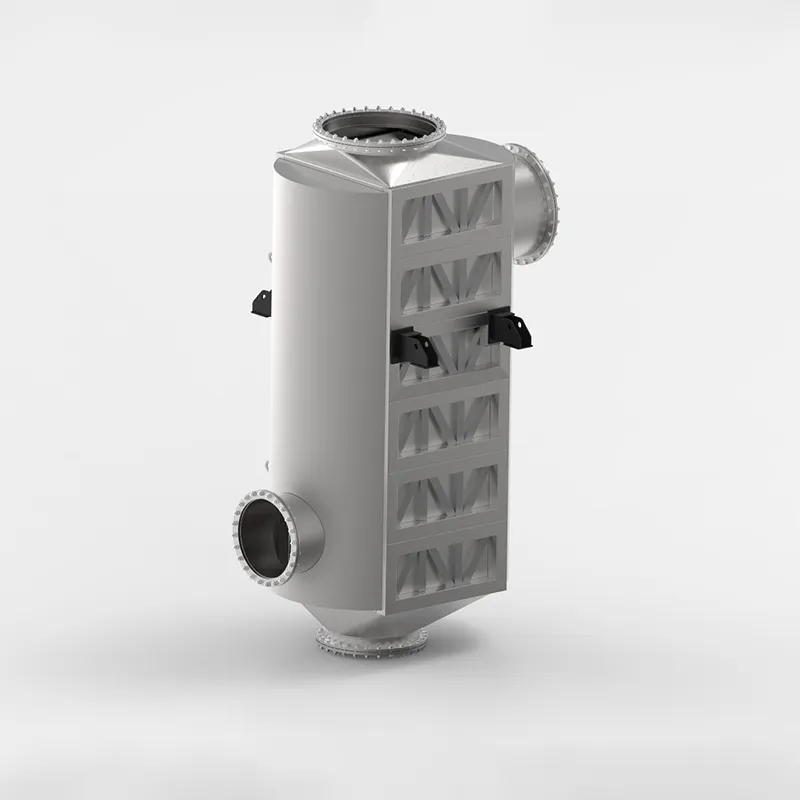
SHPHE is a Shanghai-based plate heat exchanger manufacturer founded in 2005, with products exported to more than 20 countries. The company holds ISO9001 and ASME U certifications, ensuring that every unit meets rigorous quality standards. SHPHE offers a comprehensive product range including HT-Bloc/TP welded plate heat exchangers, wide gap welded plate heat exchangers, gasketed plate heat exchangers, PCHE, plate air preheaters, and pillow plates. All units come with free thermal design and selection service, helping you find the optimal configuration without upfront engineering costs.
Whether you need a compact unit for a pilot plant or a large-scale exchanger for a refinery, SHPHE provides solutions that are compatible with or serve as an alternative to established brands like Alfa Laval, Compabloc, or GEA. The engineering team works closely with clients to ensure that the glycol plate heat exchanger is correctly sized and specified for the actual process conditions.
Frequently Asked Questions About Glycol Plate Heat Exchangers
Q: Can a glycol plate heat exchanger handle high-viscosity fluids?
A: Yes, but the plate geometry must be selected carefully. Wide gap or special corrugation patterns are recommended for viscosities above 500 cP. A standard gasketed unit may experience reduced performance due to poor flow distribution.
Q: How often should the gaskets be replaced in a glycol service?
A: Gasket life depends on temperature and chemical exposure. For glycol at moderate temperatures (below 80°C), EPDM gaskets typically last 3–5 years. Regular inspection is recommended; replace if cracking or hardening is observed.
Q: What is the maximum glycol concentration recommended?
A: Typically 30–50% by volume. Higher concentrations increase viscosity and reduce heat transfer efficiency. For freeze protection down to –30°C, a 40% solution is common. Always verify with the manufacturer for your specific fluid.
Q: Can I use a glycol plate heat exchanger for steam heating?
A: Yes, but the unit must be designed for steam duty. Gasketed units are generally limited to saturated steam below 10 bar. For higher pressures, a welded plate heat exchanger is required to avoid gasket failure.
Q: How do I prevent fouling in a glycol system?
A: Use properly treated glycol with corrosion inhibitors. Install a strainer upstream of the heat exchanger. Regular cleaning intervals depend on water quality; typical maintenance includes backflushing or chemical cleaning every 6–12 months.
Q: Is a glycol plate heat exchanger compatible with ammonia systems?
A: No, ammonia is not compatible with copper or brass components. Use a dedicated stainless steel or titanium unit designed for ammonia service. Consult the manufacturer for material compatibility before installation.
Request a Quote for Your Glycol Plate Heat Exchanger
To ensure the glycol plate heat exchanger you select meets your exact process requirements, please provide the following details when requesting a quotation: flow rate (hot and cold sides), inlet and outlet temperatures, operating pressure, allowable pressure drop, fluid composition (including glycol concentration), and any special material or certification requirements. SHPHE offers free thermal design and selection support to help you find the most efficient and cost-effective solution. Contact the engineering team today with your project specifications.

 English EN





User Comments
Service Experience Sharing from Real Customers
mike
Maintenance SupervisorWe swapped out our old shell-and-tube for this glycol plate heat exchanger about six months ago. The temperature control is way more consistent now, and cleaning is a breeze. No leaks, no fuss. Solid build quality for the price.
sarah
HVAC Design EngineerSpecified this unit for a medium-sized commercial building's hydronic system. The glycol loop performs exactly as calculated, and the compact footprint saved us valuable mechanical room space. Only minor gripe is the gasket replacement can be a bit fiddly, but overall it's a workhorse.
tom
Brewery OwnerNeeded a reliable way to crash cool our fermenters without mixing water and beer. This plate heat exchanger handles the glycol transfer perfectly. It knocked hours off our cooling time compared to our old setup. Absolutely love it for small-batch work.
emma
Lab TechnicianIt works fine for our pilot plant scale tests, but the pressure drop was a bit higher than the spec sheet suggested. We had to tweak our pump settings. Once dialed in, it holds temperature well. Good for the money, but don't expect miracles if you're pushing high flow rates.